
Tampa Bay Fishing Guide: Tarpon, Snook, Trout & Redfish — Best Spots, Seasons, Tides
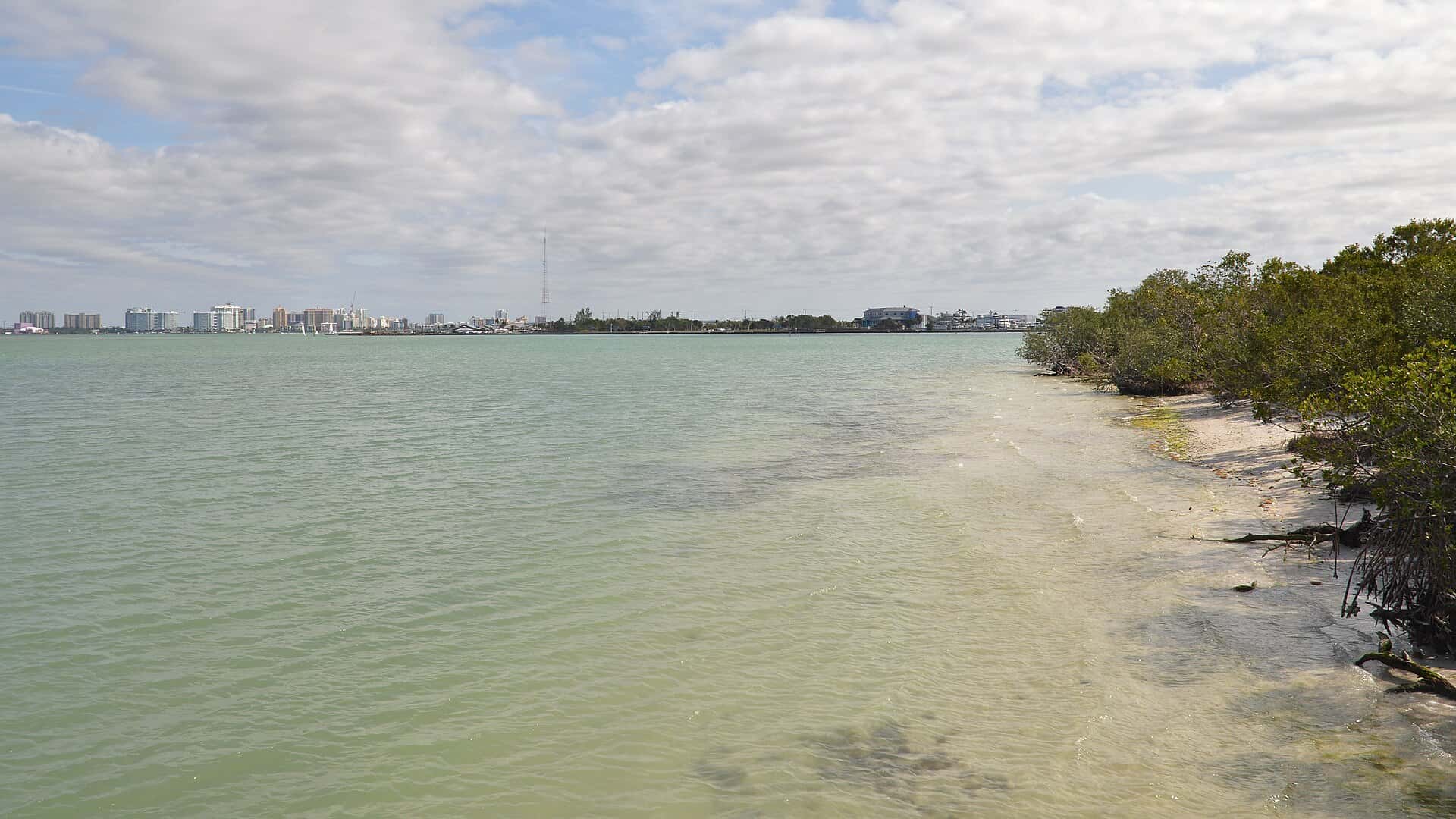
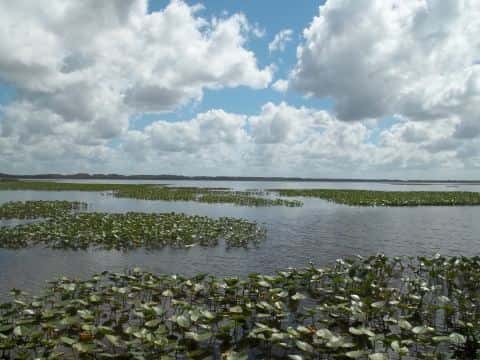
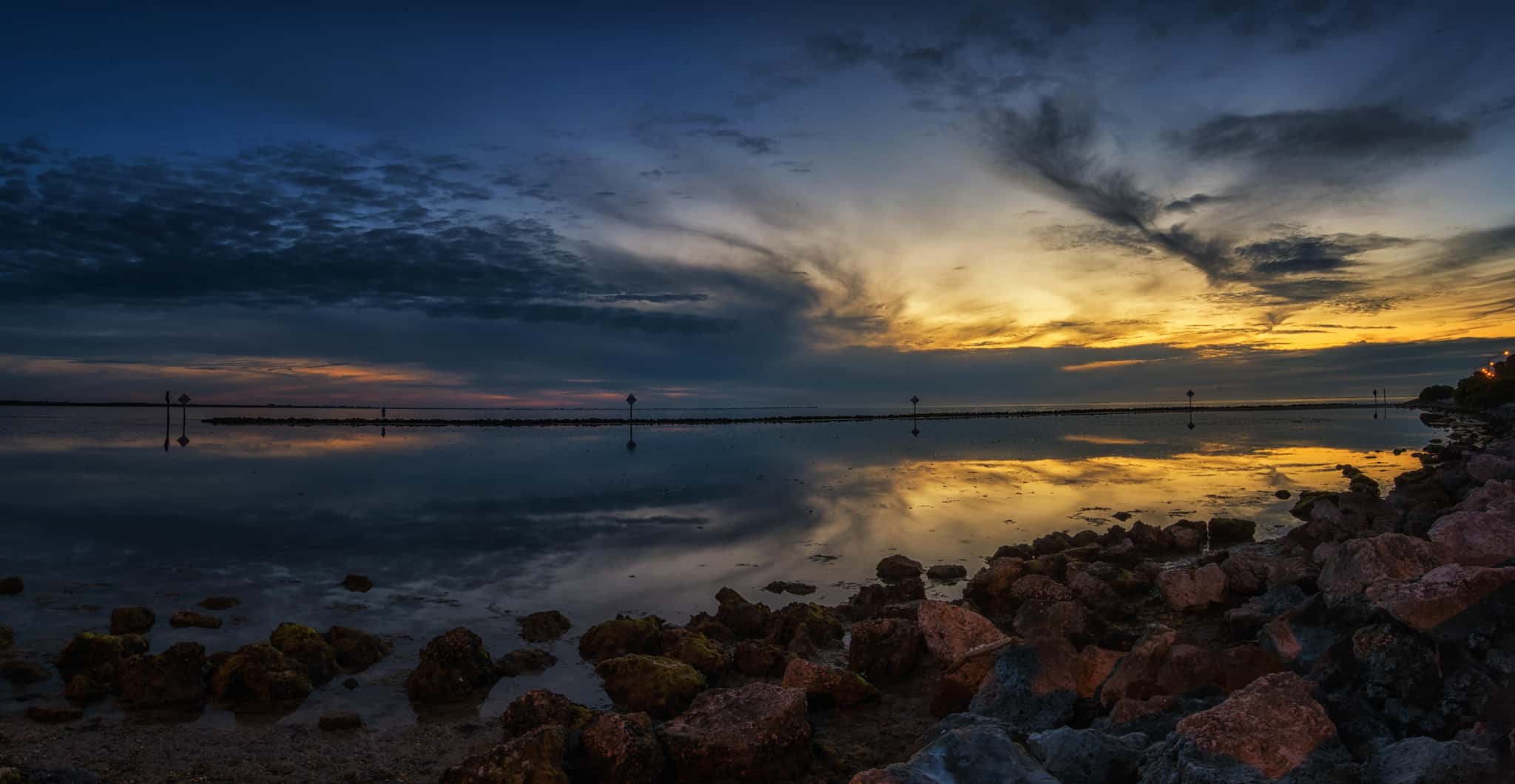
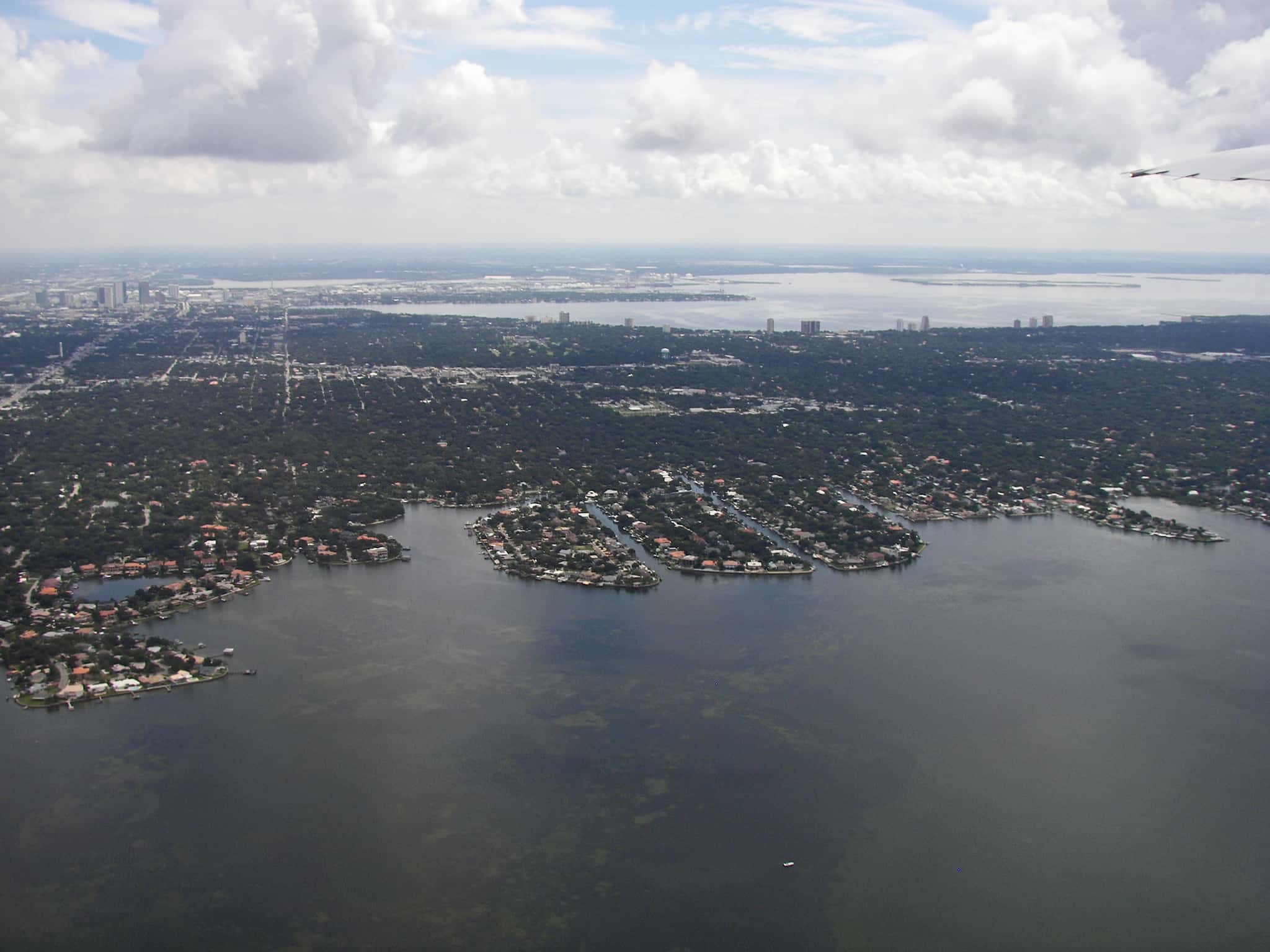
Tampa Bay is Florida’s largest open-water estuary, covering over 207,000 acres with a mix of deep channels, sprawling grass flats, and mangrove-lined shorelines. The bay is famous for its runs of tarpon, big snook, gator trout, and redfish, plus a long list of secondary targets. The best fishing runs March through June, with strong bites for tarpon, trout, and redfish. You’ll want a boat to reach the grass flats and channels, but there’s plenty of shore and pier access for trout, sheepshead, and snapper. Start your trip at the Bay Vista Park Boat Ramp or Crisp Park Boat Ramp for easy access to the main flats and channels.
Positioning: Tampa Bay vs. Nearby Alternatives
Tampa Bay stands out for its size, diversity, and year-round fishery. Compared to Sarasota Bay to the south, Tampa Bay has more deep water, a bigger tarpon migration, and more public access points. Sarasota’s grass flats are less pressured but don’t offer the same shot at trophy snook or the numbers of migratory tarpon. If you want a mix of big fish, easy access, and a shot at a true trophy, Tampa Bay is the better pick. For quieter water and less boat traffic, Sarasota Bay is worth a look.
Target Species and How to Fish Them
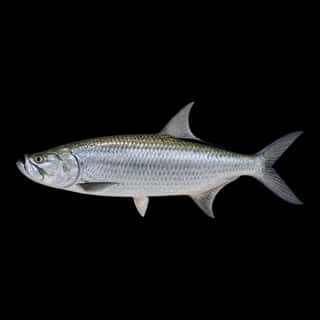
Tarpon:
Tarpon stack up in Tampa Bay from March through September, with the peak bite from late spring into summer when water temperatures run. Look for them rolling and feeding near deep channels, passes, and bridges, especially around Egmont Key, the Sunshine Skyway, and the shipping channel edges. Tarpon are driven by baitfish schools and water temperature swings. Fish live mullet or crabs under floats, or cast big swimbaits and jigs near bait pods at dawn and dusk. Early morning and late evening are prime, but midday action happens when the tide moves strong.
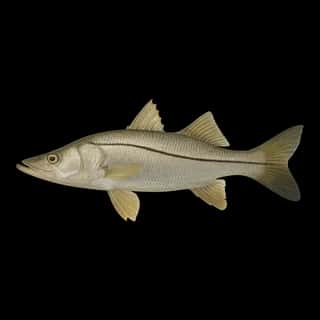
Common Snook:
Snook are a year-round target, but the best action comes in January, February, August, and September. They feed hardest when water temperatures are and tides are moving. Target mangrove points, dock pilings, and drop-offs along the eastern shoreline and around the Gandy Bridge. Live mullet, pinfish, or topwater plugs work best. Fish at dawn and dusk, especially on a rising or falling tide. Snook stage at creek mouths and mangrove edges during cooler months, then move to passes and beaches as the water warms.
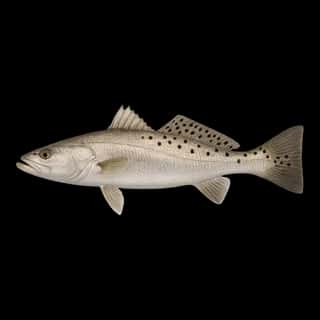
Spotted Seatrout:
Trout fishing peaks March through June as the water warms. Grass flats in 2–5 feet of water hold the biggest fish, especially near Weedon Island, Picnic Island, and the flats south of Gandy. Trout are most active at dawn and dusk, feeding on shrimp and baitfish. Use popping corks with live shrimp or soft plastics, working the edges of continuous grass beds or sandy potholes. The bite stays good into summer, with fish moving deeper on hot days.
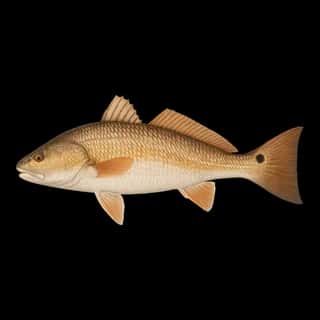
Red Drum (Redfish):
Redfish bite best from March through June, with good action in February, July, and August. They’re driven by bait movement and water temperature, feeding hardest at dawn and dusk. Work the mangrove shorelines, oyster bars, and grass flats near the mouth of the Alafia River, Cockroach Bay, and Bishop Harbor. Use live shrimp, cut mullet, or soft plastics under a popping cork. Fish shallow early, then move deeper as the sun climbs.
Permit:
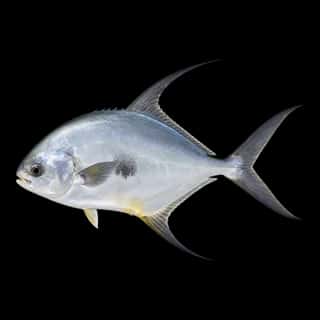
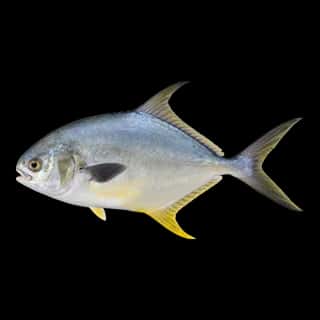
Permit show up from April through July, with March and August also producing. Look for them on sandy bars and near artificial reefs at the bay’s mouth. They’re most active when the water is and bait is thick. Use live crabs or shrimp on light spinning gear, casting to cruising fish on clear days. Midday sight-fishing is possible when the sun is high.
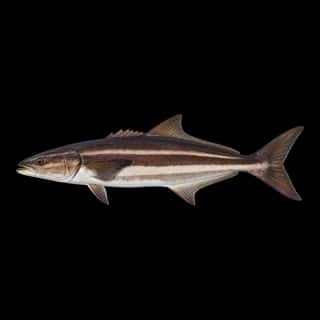
King Mackerel:
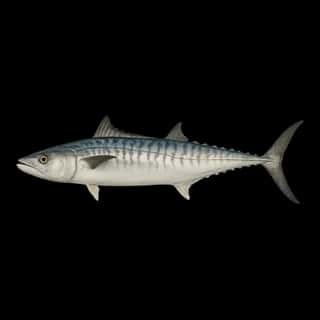
King mackerel run the bay edges and nearshore reefs from April through July, with March and August as secondary months. Troll or drift live menhaden or mullet near the shipping channel, artificial reefs, and current lines. Early morning and late afternoon are best, but kings will feed all day when bait is thick.
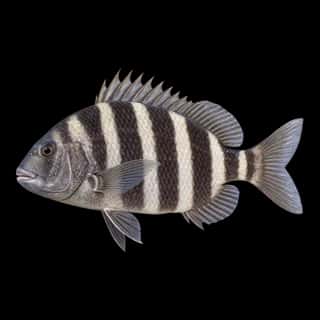
Sheepshead:
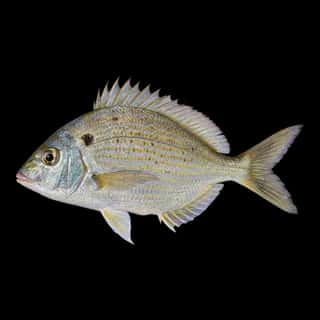
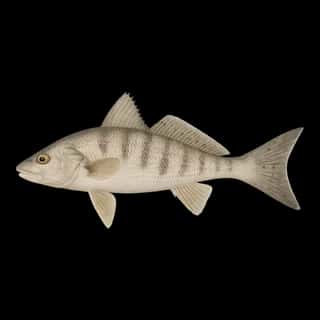
Sheepshead bite from March through July, peaking in April, May, and June. Target dock pilings, bridges, and rocky structure with live fiddler crabs or shrimp on light tackle. They feed throughout the day, especially on a moving tide.
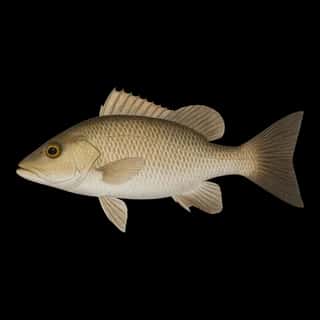
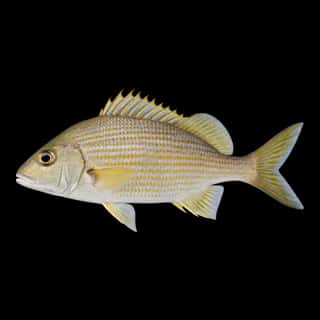
Gray Snapper:
Gray snapper are most active from April through July, with March and August also good. Fish rocky structure, mangroves, and deep docks with live shrimp or pinfish. Dawn and dusk are best, but snapper will bite during the day if the water is moving.
Bycatch and Other Species:
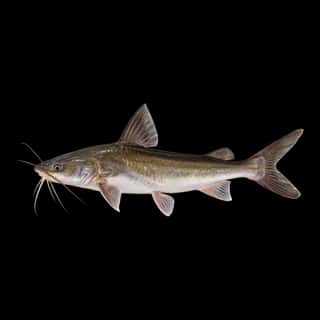
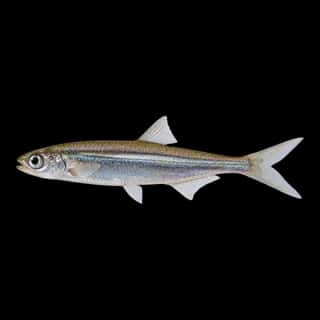
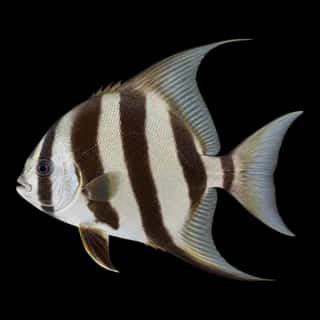
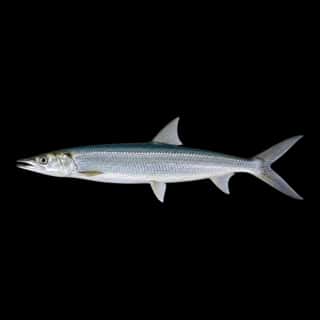
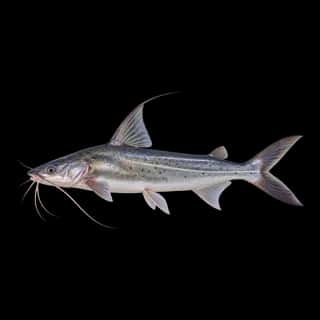
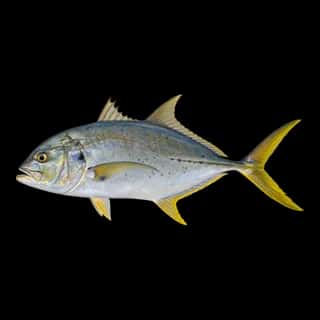
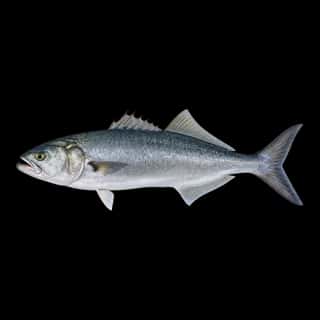
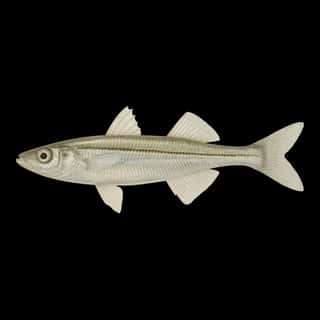
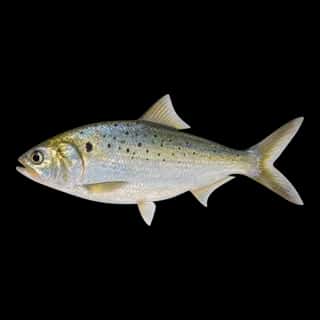
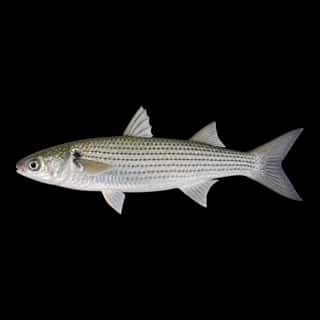
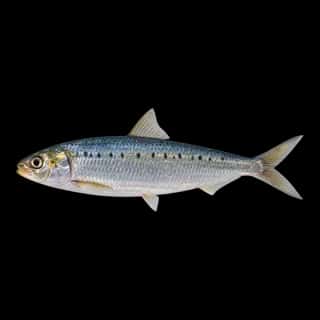
While targeting the main gamefish, you’ll also catch ladyfish, jacks, catfish, grunts, spadefish, pompano, and blue runners. Pinfish, mullet, and bay anchovy are abundant and serve as both bait and bycatch.
Best Fishing Spots in Tampa Bay
- Egmont Key Channel: The deepwater pass at the mouth of the bay is the top spot for tarpon in late spring and summer. Drift live crabs or mullet on the outgoing tide. Access from Bay Vista Park or Ballast Point ramps.
- Weedon Island Grass Flats: This area has miles of continuous seagrass in 2–5 feet of water, holding trout, redfish, and snook. Launch from Crisp Park or Coffee Pot Bayou ramps for a short run.
- Gandy Bridge Pilings: The bridge and its shadow lines hold snook, sheepshead, and snapper, especially on a moving tide. Fish live bait tight to the pilings at dawn or dusk.
- Alafia River Mouth: Redfish and snook stack up where the river meets the bay, especially after a rain. Work the mangrove edges and oyster bars with live shrimp or soft plastics.
- Sunshine Skyway Artificial Reefs: King mackerel, permit, and snapper gather here in spring and summer. Troll or drift live bait along the reef edges.
- Bishop Harbor: A shallow bay off the southeast corner, Bishop Harbor is a top spot for redfish and trout on high water. Access by boat from the main bay.
Structure and Depth
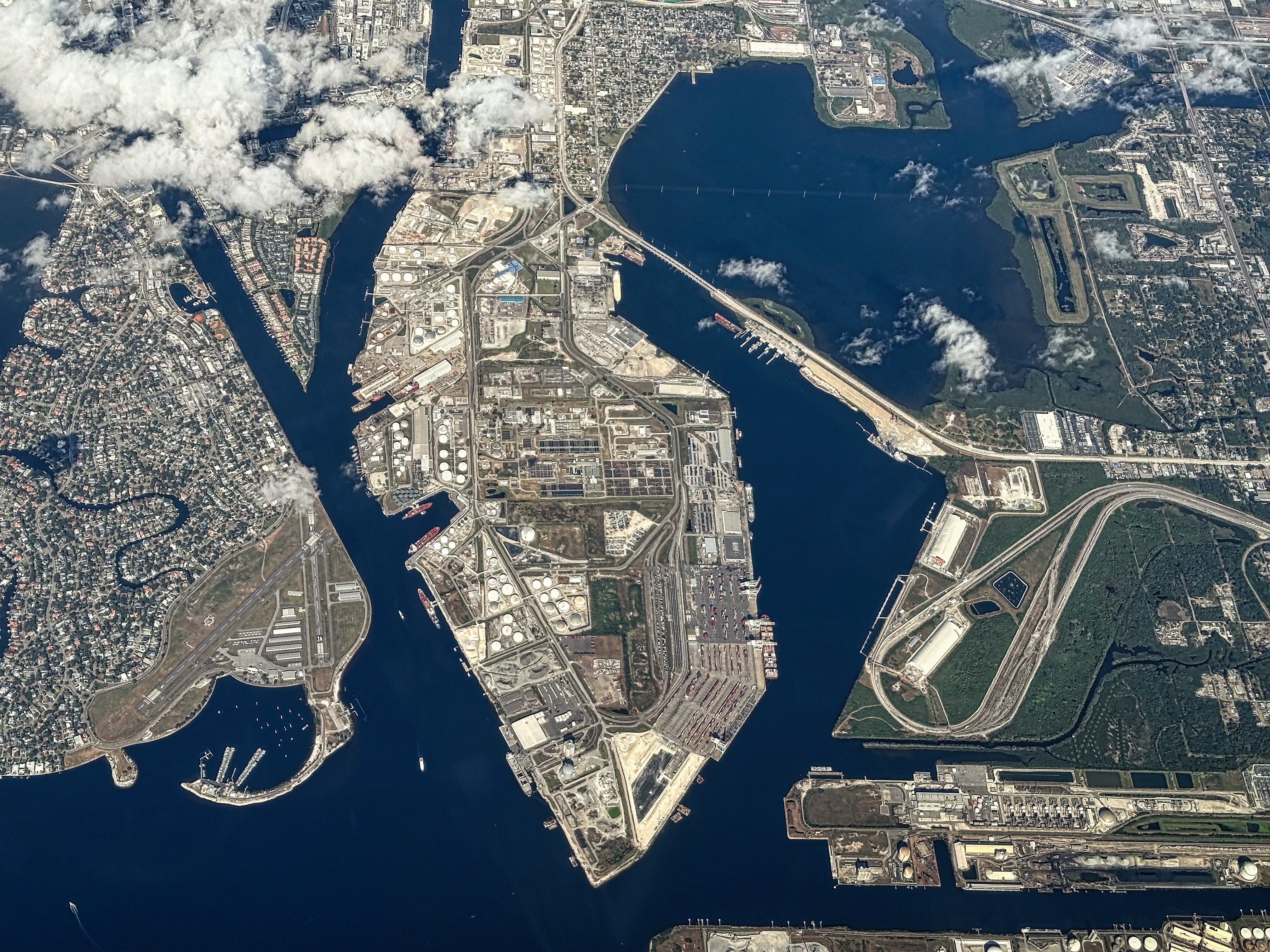
Tampa Bay is mostly shallow, with nearly half its area under 11 feet and big flats in the 2–7 foot range. The deepest water, up to 88 feet, runs in the shipping channel from the Skyway Bridge north toward Port Tampa. Continuous seagrass covers about two-thirds of the mapped grass beds, especially on the east and south sides. Patchy grass and sandy potholes are common on the west side and near the mouths of creeks. Mangroves, oyster bars, and artificial reefs add more structure. Fish use the grass edges, channel drop-offs, and mangrove points to ambush bait. When the tide moves, predators push up onto the flats; when it drops, they fall back to the edges and deeper holes.
Season-by-Season Breakdown
- Winter (Dec–Feb): Snook bite well in January and February, especially on warm spells. Trout and redfish stay active on sunny afternoons. Fish deeper grass edges and channel drop-offs. Tarpon are rare, but a few juveniles winter in the rivers and back bays.
- Spring (Mar–May): This is the best window for trout, redfish, and the start of tarpon season. Grass flats come alive, and baitfish move in. Permit and king mackerel arrive in April. Fish shallow early, then move deeper as the sun climbs. Book March–June for the best shot at all headline species.
- Summer (Jun–Aug): Tarpon, snook, and king mackerel are in full swing. Fish early or late to beat the heat and boat traffic. Redfish and trout move deeper midday. Permit and snapper stay active on reefs and bars. Watch for red tide risk in July.
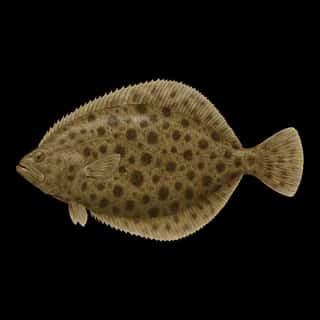
- Fall (Sep–Nov): Snook and redfish feed hard as water cools. Tarpon linger into September. Trout action picks up again in October. Sheepshead and flounder start to show. Red tide risk rises again in October. Fish the flats on high water and deeper edges as fronts start to move through.
Avoid planning around October–December if you want to keep flounder, as the season closes mid-October through November. Red tide risk is highest in January, July, and October, so have a backup plan if a bloom hits.
Tides and Water Movement
Tampa Bay’s tides average 2.3 feet at St. Petersburg, with strong currents near passes and bridges. Moving water is key — fish the start of the incoming or outgoing tide for the best bite. Rising tides push snook and redfish onto the flats and into the mangroves, while falling tides pull them to the edges and deeper holes. Tarpon and king mackerel feed hardest when the tide moves bait through the channels. Always check the tide chart before you go, and plan to fish around the strongest movement.
Regulations
- Tarpon: Catch-and-release only. No minimum size. Tarpon over 40 inches must stay in the water. One tarpon tag per person per year if pursuing a state or world record. No open harvest season.
- Common Snook: Slot limit 28–33 inches total length. One per person per day. Closed Dec 1–end of Feb and May 1–Aug 31. Open Mar–Apr and Sep–Nov. Snook permit and recreational fishing license required.
- Spotted Seatrout: Slot limit 15–19 inches total length. Three per person per day. One fish over 19 inches per vessel (or per person from shore), included in the bag. Open year-round.
- Red Drum: Slot limit 18–27 inches total length. One per person per day. Vessel limit: two per vessel. Open year-round.
- Permit: Slot 11–22 inches fork length. Two per person per day, with one over 22 inches included in the bag. Vessel limit: two over 22 inches. Open year-round.
- King Mackerel: Minimum 24 inches fork length. Three per person per day. Open year-round.
- Sheepshead: Minimum 12 inches total length. Eight per person per day. Vessel limit: 50 per trip in March and April. Open year-round.
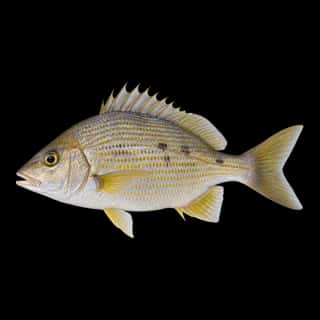
- Gray Snapper: Minimum 10 inches total length. Five per person per day, within the 10 snapper aggregate. Open year-round.
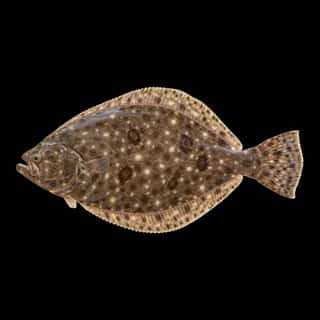
- Gulf Flounder: Minimum 14 inches total length. Five per person per day. Closed Oct 15–Nov 30. Open Dec 1–Oct 14.
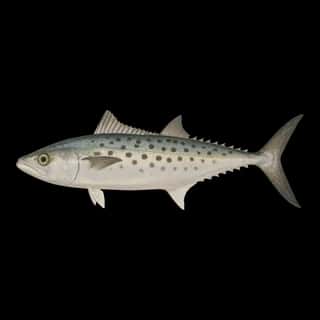
- Spanish Mackerel: Minimum 12 inches fork length. Fifteen per person per day. Open year-round.
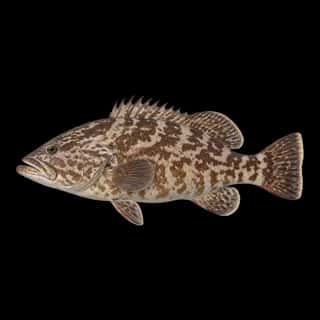
- Gag Grouper: Minimum 24 inches total length. Two per person per day, within four grouper aggregate. Closed except for September 1–30, 2026 (subject to annual change). State Reef Fish Angler designation required.
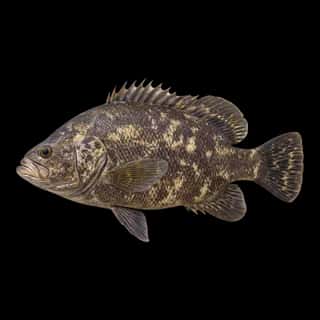
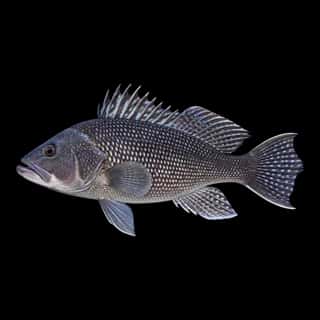
- Black Sea Bass: Minimum 10 inches total length. 100 pounds per person per day.
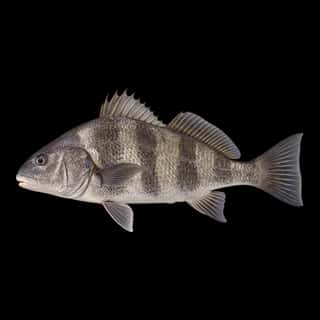
- Black Drum: Slot 14–24 inches, with one over 24 inches allowed. Five per person per day. Open year-round.
- Florida Pompano: Minimum 11 inches fork length. Six per person per day. Open year-round.
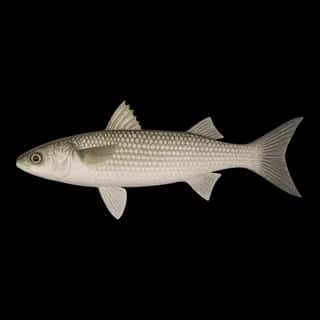
- Mullet (all species): No minimum size. Fifty per person per day. Vessel limit: 50 fish from Sept 1–Jan 31. Open year-round.
A Florida recreational saltwater fishing license is required for all anglers, with separate freshwater and saltwater licenses. Non-residents can buy short-term licenses, but should purchase before leaving home. Some species (snook, tarpon, gag grouper) require a free permit or designation. Regulations change often — always check the current rules with the Florida Fish and Wildlife Conservation Commission before keeping a fish.
Shore and Boat Access
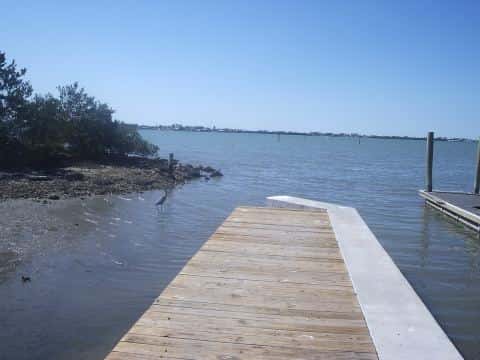
Tampa Bay has more than 20 public boat ramps and at least a dozen fishing piers. The Bay Vista Park Boat Ramp (2 lanes, free, paved, open 24/7, flush restrooms, 12 trailer spaces) is a top choice for quick access to the main bay and grass flats. Crisp Park Boat Ramp (2 lanes, free, paved, open 24/7, flush restrooms, 23 trailer spaces) is another solid launch for the north bay and Weedon Island. Ballast Point Park Public Boat Ramp (1 lane, paved, fee, flush restrooms, 4 trailer spaces) gives access to the central bay and Gandy Bridge. Kayak and paddlecraft launches are scattered around the bay, including at Clam Bayou Nature Park and Coquina Key Park. Shore anglers can fish from piers at Ballast Point, Gandy, and several city parks. Most ramps have paved parking and restrooms, but trailer space fills fast on weekends.
Trip Logistics
Base yourself in Saint Petersburg (3.9 miles from the bay) or Tampa (14 miles), both with major airports nearby (St. Pete–Clearwater PIE at 12 miles, Tampa TPA at 14 miles). Book lodging in advance for spring and early summer, when the bite and crowds peak. For live bait, pick up shrimp, mullet, or pinfish at tackle shops in St. Pete or Tampa. Book guides early if you want a tarpon trip — the best captains fill up months ahead. Bring everything you need for the day, as on-water services are limited.
Ecology
Tampa Bay’s water temperature runs from in winter in summer. Clarity averages 6.8 feet but can drop to 0.3 feet after rain or wind. The most recent reading (July 30, 2025) showed 5.6 feet clarity and higher-than-average turbidity. Seagrass covers over 31,000 acres, with about two-thirds continuous beds — these are the backbone of the bay’s trout and redfish fishery. Red tide is a real risk, with blooms in 9 of the last 12 years and the worst months in January, July, and October. When red tide hits, fish kills are likely if cell counts top 100,000 per liter. If you run into a bloom, move to unaffected areas or fish upwind of the bloom edge.
What’s Hard About Tampa Bay
Wind is a real hazard here — the bay is big and shallow, and a stiff breeze stacks up a steep chop fast. Red tide can shut down whole sections of the bay for weeks, especially in summer and fall. Boat traffic is heavy on weekends, and popular ramps fill early. The best flats are a long run from some ramps, and the deep shipping channel is busy with commercial traffic. The fishery is wild — no stocking props it up, so a bad spawn or a hard freeze can thin out the bite for years.
Safety
Lightning and afternoon storms are common in summer — get off the water early if storms build. Stingrays are everywhere on the flats; shuffle your feet if you wade. The bay’s deep channels and heavy boat traffic mean strong currents near passes and bridges. Always wear a life jacket and watch for fast-moving boats, especially near the shipping channel and Skyway Bridge.
Pros and Cons
- Pros:
- Year-round trophy fishery
- 31,000 acres of seagrass
- Dozens of ramps and piers
- Easy access from major cities
- Cons:
- Red tide risk most years
- Heavy weekend boat traffic
- Wind can make it unfishable
- No on-bay marinas or bait shops
Final Verdict
Tampa Bay is a true destination for anglers chasing tarpon, snook, trout, and redfish, with a long season and a huge variety of water. The best months are March through June, when the bite is hot and the weather is stable. You’ll want a boat for the best fishing, but shore and pier options are solid for trout, sheepshead, and snapper. Plan ahead for red tide risk and weekend crowds. If you want a shot at a trophy fish and don’t mind a little boat traffic, Tampa Bay delivers.