Estero Bay Fishing Guide: Snook, Redfish, Seatrout, Tarpon & Best Spots
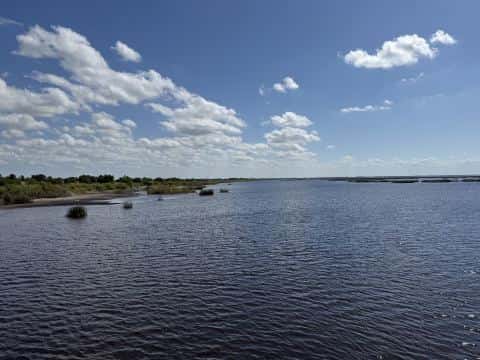
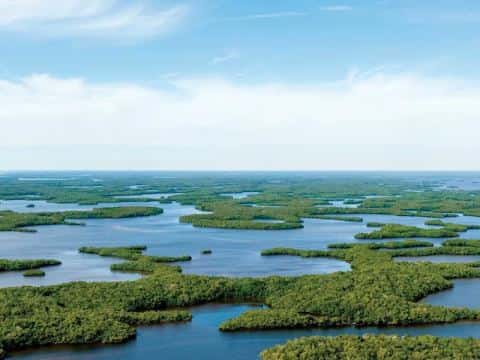
Estero Bay is a shallow, grass-filled estuary on Florida’s Gulf Coast, covering 7,695 acres in Lee County. The bay is famous for its snook, redfish, spotted seatrout, and tarpon. March through June is the top window for all four. You’ll need a boat or kayak to reach the best grass flats and mangrove edges. For a first trip, launch at Lovers Key State Park’s motor boat ramp or one of the sand kayak launches, and start on the continuous grass beds near Big Carlos Pass or the mangrove points along the east shore.
What Makes Estero Bay Different?
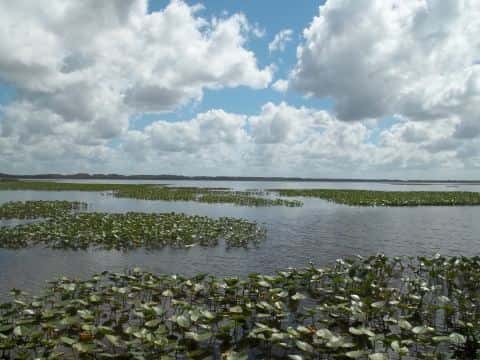
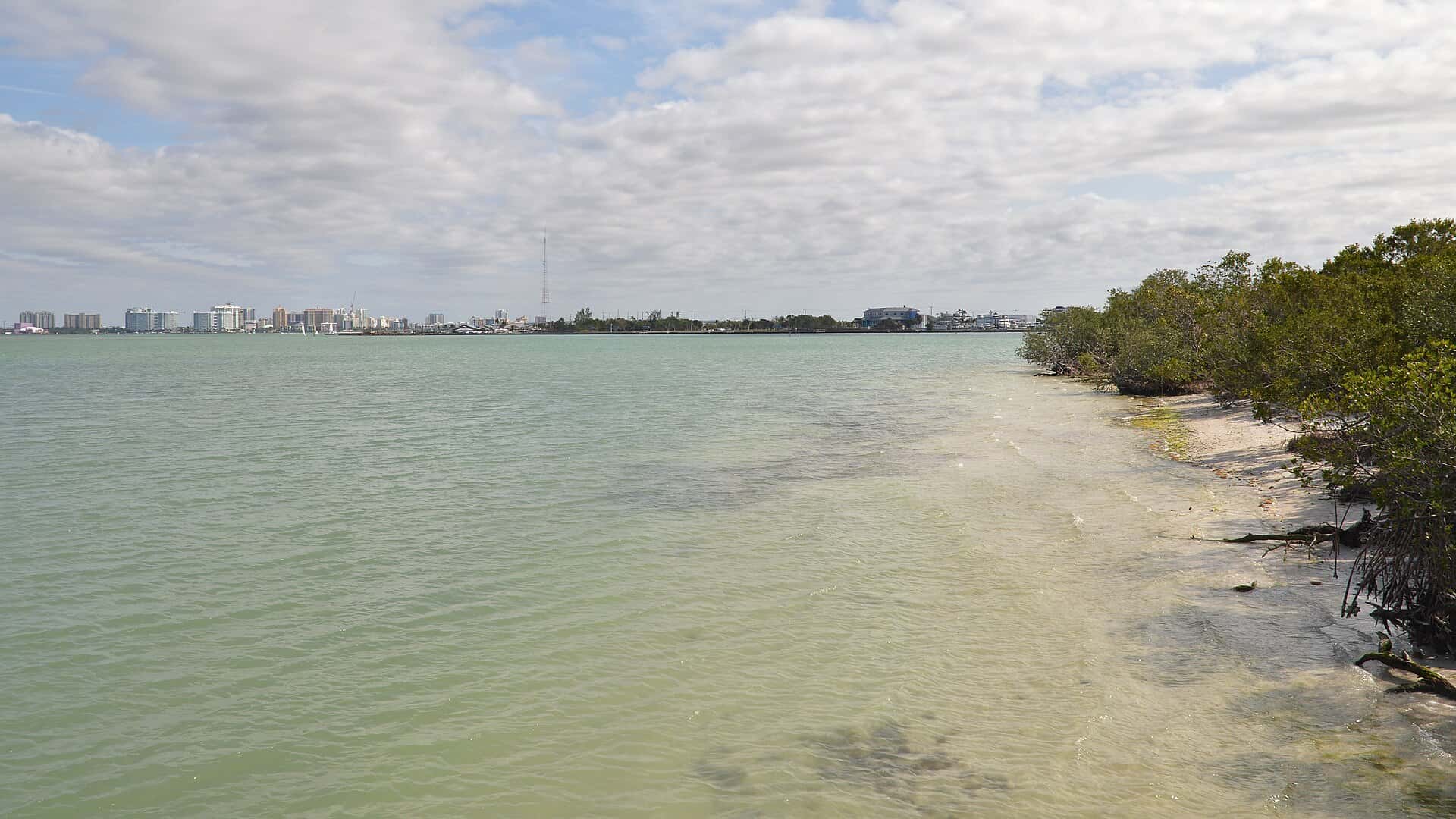
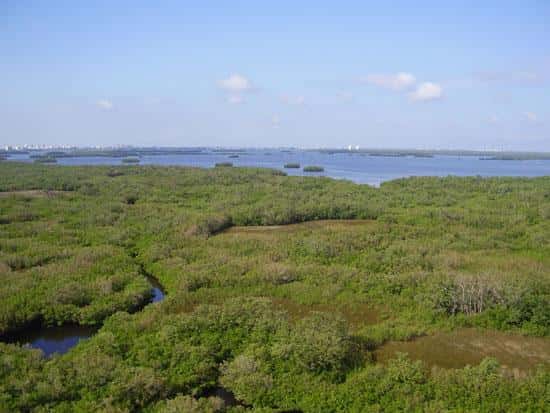
Estero Bay is all about shallow water and grass flats. Nearly 85% of the bay is under 2 feet deep, with just a few narrow channels dropping to 27 feet. The grass beds here are some of the largest on Florida’s southwest coast, and the tides move 2.5 feet on a typical cycle. Compared to Pine Island Sound to the north, Estero Bay is smaller and less crowded, but it doesn’t have the same deep cuts or oyster bars. If you want to fish big grass flats for snook and redfish without the boat traffic of Sanibel or the long runs of Charlotte Harbor, this is the place.
Target Species and How to Fish Them
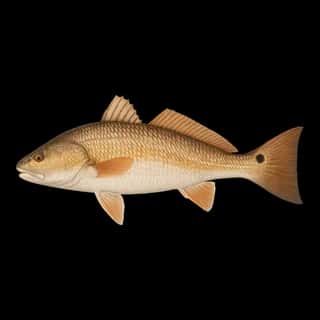
Red Drum (Redfish): Fish the edges of continuous grass beds and mangrove points, especially on the east and south sides of the bay. March through June is peak, with good action in February, July, and August. Redfish feed hardest at dawn and dusk, and the bite heats up as water temps climb into the 70s and 80s. Look for moving water on a rising or falling tide—baitfish and crabs get flushed out of the grass and reds move in to feed. Use a popping cork with live shrimp or cut mullet, or throw soft plastics that mimic baitfish. Early and late in the day are best.
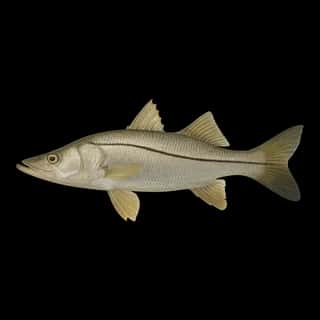
Common Snook: Target snook around mangrove shorelines, dock pilings, and drop-offs, especially near the passes (Big Carlos, New Pass, Big Hickory). The bite peaks in January, February, August, and September, with solid fishing in March, July, and October. Snook are most active at dawn and dusk, and tidal movement is key—fish the last half of the incoming or first half of the outgoing tide. Use live mullet or pinfish, or work topwater plugs and soft plastics along the shadow lines. Note: the open keeper season is March–April and October–November; all other months are release-only.
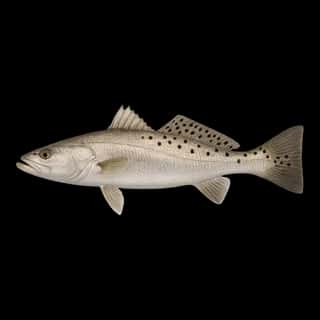
Spotted Seatrout: Seatrout stack up on the grass flats and channel edges from March through June, with good numbers in February and July–September. They feed most aggressively at dawn and dusk, especially when the tide is moving. Cast live shrimp or soft plastics under a popping cork over grass beds in 2–4 feet of water. Slow retrieves work best. Most fish are in the 15–19 inch slot, but you can keep one over 19 inches per vessel.
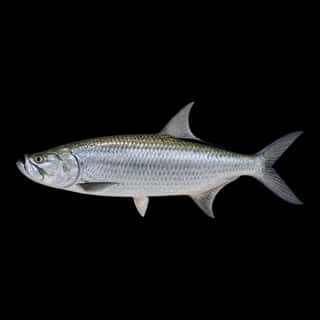
Tarpon: Tarpon show up in force from March through September, with the best shot at big fish May through August. Look for rolling fish near the passes and deeper channels, especially on a moving tide at dawn or dusk. Use heavy spinning or baitcasting gear with live mullet or crabs, or large swimbaits. All tarpon fishing here is catch-and-release only; fish over 40 inches must stay in the water.
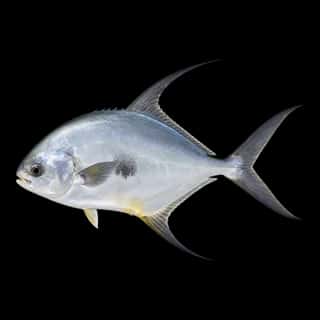
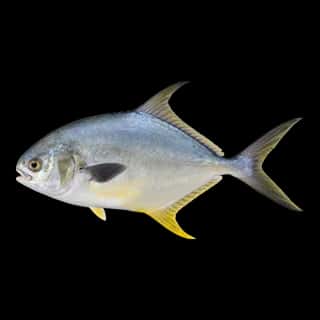
Permit: Permit are found on sandy bars and near the passes, especially from April through July. Fish at dawn, during the day, or dusk, focusing on areas with good current and baitfish. Use live crabs or shrimp, or small jigs, on light spinning tackle with a fluorocarbon leader.
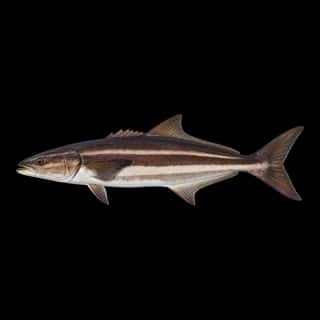
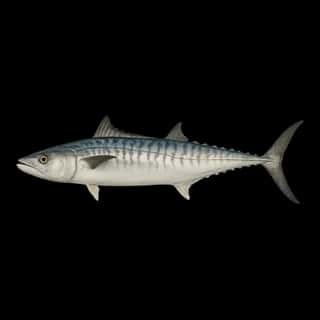
King Mackerel: Kingfish run the bay’s deeper edges and near the passes from April through July, with some action in March and August. Look for schools of baitfish and troll spoons or diving plugs, or drift live bait along current lines.
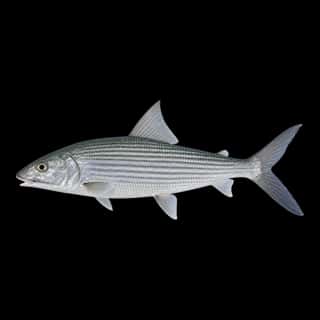
Bonefish: Bonefish are a rare but prized catch on sandy flats and near mangroves, mostly from April through July. Fish at dawn or dusk on a rising tide, using shrimp, crabs, or small flies on light tackle.
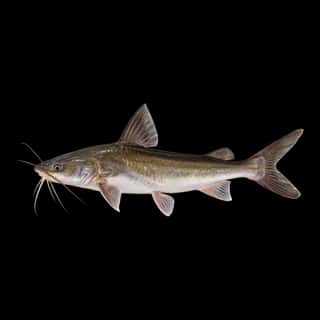
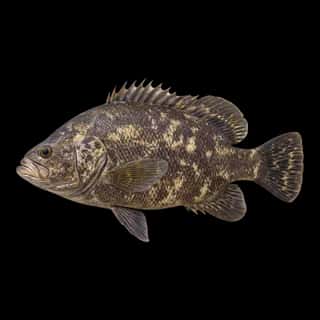
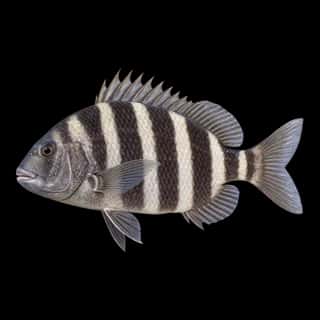
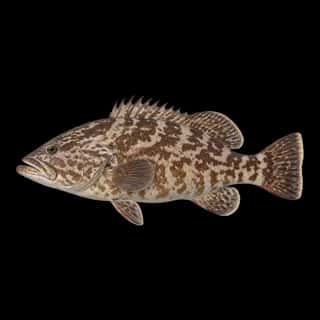
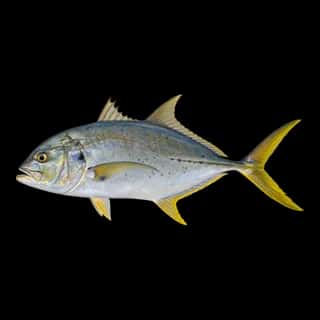
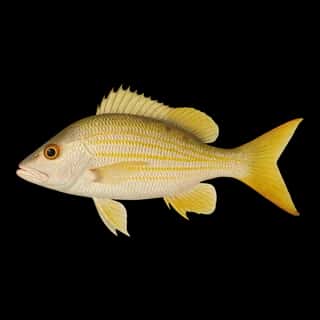
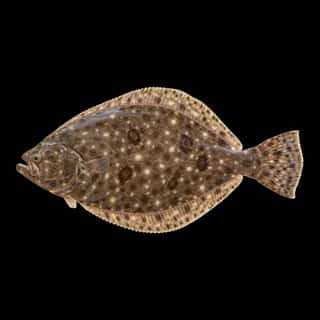
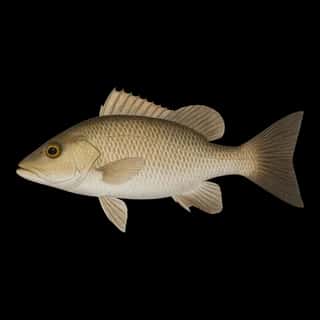
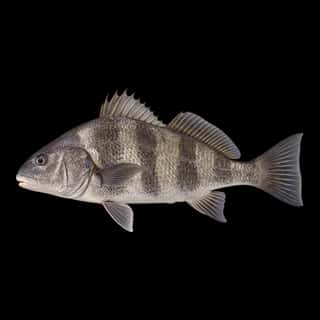
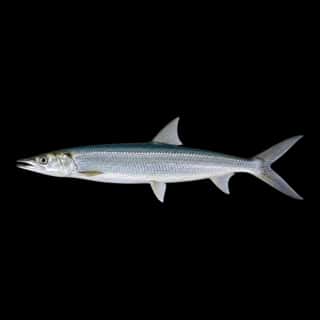
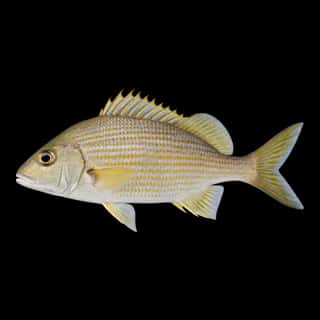
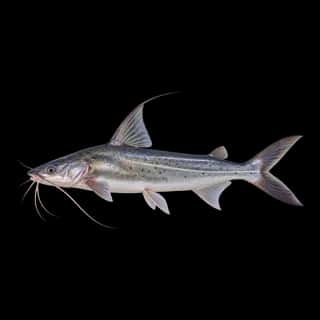
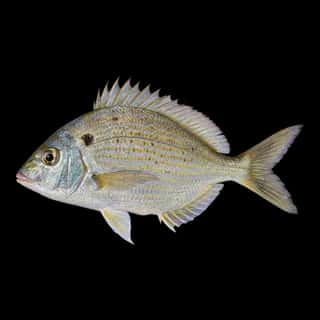
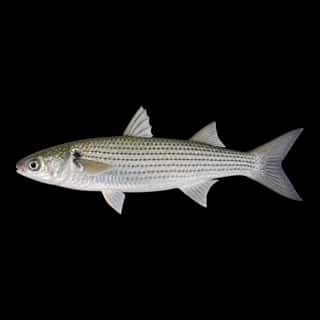
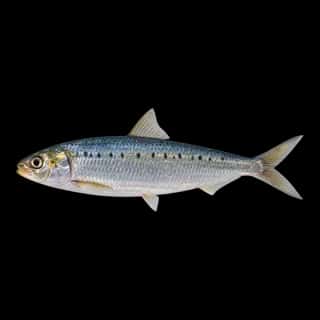
Other Species: Gray snapper, sheepshead, gag grouper, black drum, ladyfish, jacks, catfish, grunts, pinfish, and mullet are all present. Snapper and sheepshead hold tight to docks, pilings, and rocky structure, especially in spring and summer. Gag grouper are only open to harvest in September. Mullet and pinfish are best used as live bait.
Best Fishing Spots in Estero Bay
- Big Carlos Pass: The main pass at the north end, with strong tidal flow and deep cuts. Fish the outgoing tide for snook, redfish, and tarpon staging near the drop-offs and grass edges. Access by boat from Lovers Key State Park or by kayak from nearby launches.
- East Bay Grass Flats: The continuous grass beds east of Lovers Key hold seatrout, redfish, and snook. Drift or pole quietly, casting to potholes and grass edges. Best early and late, especially on a moving tide.
- Big Hickory Pass: The southern pass is a top spot for permit, tarpon, and king mackerel. Fish the sandbars and channel edges on a rising tide. Kayak access is available at Big Hickory Island Water Tower and Big Hickory Pass Kayak Access.
- Mangrove Points (East Shore): The east shoreline is lined with mangroves and small creeks. Snook and redfish ambush bait here, especially on the outgoing tide. Work live bait or soft plastics tight to the cover.
- New Pass: This central pass has good current and sandy bottom, attracting permit, snook, and seatrout. Fish the outgoing tide for best results. Kayak launches are available at New Pass - Big Hickory Island and Dog Beach.
Structure and Depth
Estero Bay is extremely shallow, with over 80% of the water less than 2 feet deep. The main structure is seagrass—about 2,670 acres, with most of it in continuous beds. Fish the edges and cuts of these grass flats for redfish, seatrout, and snook. Patchy grass holds fish in the sand holes, especially when the tide is moving. Deeper channels (up to 27 feet) run near the passes and hold tarpon and king mackerel during their runs. Mangrove shorelines and dock pilings are prime ambush spots for snook and snapper.
Season-by-Season Breakdown
- Winter (Dec–Feb): Water is cooler and clear. Snook action is best in January and February, but the keeper season is closed until March. Redfish and seatrout feed on sunny afternoons, especially in the shallows. Tarpon are scarce.
- Spring (Mar–May): This is the prime window for redfish, seatrout, snook (keeper season March–April), and the start of the tarpon and king mackerel runs. Grass flats and mangrove edges come alive as baitfish move in. Permit and bonefish show up on sandy bars.
- Summer (Jun–Aug): Tarpon, redfish, and seatrout are all active, but snook season is closed May–September. Fish early or late to beat the heat and afternoon storms. Red tide risk rises in August. King mackerel and permit are still around the passes.
- Fall (Sep–Nov): September is the only open month for gag grouper harvest. Snook season reopens in October. Redfish and seatrout remain solid into November. Red tide risk is highest in November—if it hits, move to the passes or fish farther inland.
If you can only pick one window, March through June is the safest bet for numbers and variety. Avoid late summer and November if red tide is active.
Getting on the Water: Ramps and Access
- Lovers Key State Park – Motor Boat Launch: Four concrete lanes, paved trailer parking for 20, open sunrise to sunset, flush restrooms, fee required. This is the main launch for larger boats and gives quick access to the north bay and Big Carlos Pass.
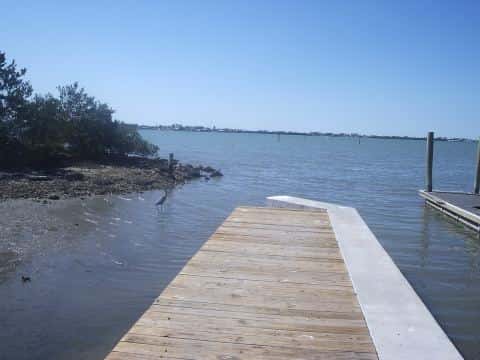
- Big Hickory Island Water Tower Kayak Access (Bay Side): Sand launch, dock, unpaved firm parking, dawn to dusk, no fee. Good for kayaks and paddlecraft heading to the southern grass flats and Big Hickory Pass.
- New Pass – Dog Beach – Bayside Kayak Access: Sand launch, dock, unpaved firm parking, dawn to dusk, portable restroom. Quick access to the central bay and New Pass.
- Bay Park North Primitive Boat Ramp (Limited Parking): One gravel lane, paved parking for two trailers, sunrise to sunset, no fee. Best for small boats or kayaks; parking fills early.
- Lovers Key State Park – Little Carlos Pass Kayak Access: Sand launch, dock, unpaved parking, sunrise to sunset, flush restrooms, fee required. Good for paddlecraft targeting the north end.
Most ramps are open sunrise to sunset. Some have limited parking or are not recommended for trailers. Plan to bring your own boat or kayak. No fish cleaning stations are documented at these ramps.
Water and Conditions
Water clarity averages 3.1 feet but can swing from 0.5 to over 9 feet depending on wind and runoff. The most recent reading (August 2025) showed 90°F water and 9.2 feet clarity—hotter and clearer than average, but with low oxygen. Tides move 2.5 feet at Carlos Point, and moving water is key for every species here. Plan your trip around the tide chart, especially for shallow flats and passes. Afternoon storms are common in summer, and wind can muddy the water fast.
Seagrass covers about a third of the bay, with most beds continuous. Fish the edges and holes, not the middle of the grass. Red tide is a real risk: blooms have hit 8 of the last 12 years, with the worst months in April, August, and November. If you run into a bloom (dead fish, coughing, or brown water), move to a different pass or fish farther inland.
Regulations
- Red Drum: Slot 18–27" total length. One per person, two per vessel. Open year-round. The slot and vessel limit are region-specific—Charlotte Harbor rules apply here.
- Common Snook: Slot 28–33" total length. One per person per day. Open March 1–April 30 and October 1–November 30. Closed December–February and May–September. Snook permit and recreational fishing license required.
- Spotted Seatrout: Slot 15–19" total length. Three per person per day. One fish over 19" allowed per vessel (or per person from shore). Open year-round.
- Permit: Slot 11–22" fork length, with one over 22" per person (max two over-slot per vessel). Two per person per day. Open year-round. Rules differ inside the Special Permit Zone—this bay is outside it.
- Tarpon: Catch-and-release only. No size or bag limit. Fish over 40" must stay in the water. Tarpon tag required only if pursuing a state or world record.
- King Mackerel: Minimum 24" fork length. Three per person per day. Open year-round.
- Bonefish: Catch-and-release only. No open harvest season.
- Gray Snapper: Minimum 10" total length. Five per person per day within the 10-snapper aggregate. Open year-round.
- Sheepshead: Minimum 12" total length. Eight per person per day. Vessel limit of 50 in March and April. Open year-round.
- Gag Grouper: Minimum 24" total length. Two per person within the four-grouper aggregate. Open September 1–30, 2026 only. State Reef Fish Angler designation required. Season is set by executive order each year.
- Black Drum: Slot 14–24", with one over 24" allowed. Five per person per day. Open year-round.
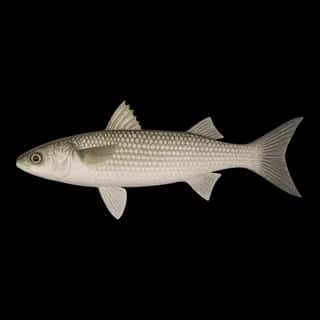
- Mullet (includes white mullet): No minimum size. 50 per person per day. Vessel limit 50 from September 1–January 31, higher the rest of the year.
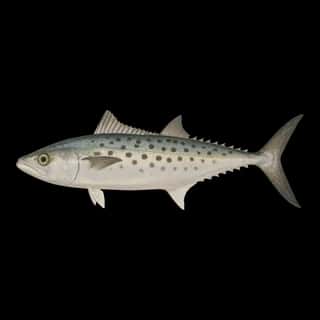
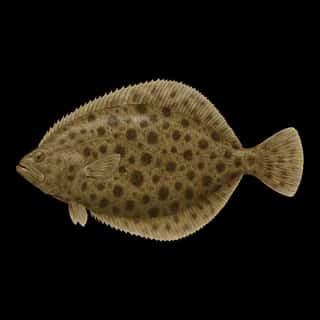
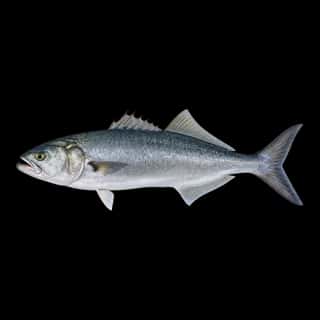
- Range-only species (tripletail, flounder, bluefish, lane snapper, Spanish mackerel, Florida pompano): FWC sets the limits—check the current rules before keeping any of these.
A Florida saltwater fishing license is required for all anglers, resident or non-resident. Separate freshwater and saltwater licenses are sold. Non-residents can buy short-term licenses, but you should buy before you leave home. Some species (snook, tarpon, gag grouper) require free or paid endorsements—make sure you have the right permits. Regulations can change, so always check the current rules with the Florida Fish and Wildlife Conservation Commission before fishing.
Shore and Boat Access
Estero Bay is best fished by boat or kayak. Shore access is limited—most of the shoreline is mangrove or private. Kayak launches are spread around the bay, with sand or gravel surfaces and limited parking. The main motor boat ramp is at Lovers Key State Park, with four lanes and paved parking. Most ramps are open sunrise to sunset, and some require a fee. Plan to bring your own craft. No public fishing piers are documented on the bay.
Trip Logistics
The nearest town with services is San Carlos Park, 6.2 miles from the bay. The closest major airport is Fort Myers (RSW), 12 miles away. Bring your own boat or kayak and stock up on bait and tackle before you arrive. Lodging options include hotels and vacation rentals in Bonita Springs, Fort Myers Beach, and Estero. Lovers Key State Park offers parking and restrooms at its main ramp, but no overnight slips or boat storage. Book lodging and secure your fishing license and any required permits before your trip, especially for snook or gag grouper season.
Ecology
Estero Bay’s water quality changes with rain, wind, and tide. Clarity averages just over 3 feet, but can swing from half a foot to over 9 feet. The bay is dominated by seagrass beds, which are critical for the fishery. Red tide is a recurring problem here, with blooms in two-thirds of the last 12 years. The highest risk is in April, August, and November. When red tide hits, expect fish kills and respiratory irritation—move to a different pass or fish farther inland if you see dead fish or start coughing.
What’s Hard About Fishing Estero Bay?
The bay is extremely shallow—most of it is under 2 feet deep—so running aground is a real risk, especially on a falling tide. Wind can muddy the water fast, making sight fishing tough. Red tide can shut down fishing for weeks at a time, especially in late summer and fall. Shore access is limited. Parking at some ramps is tight and fills early. Gag grouper season is only open for one month (September) and changes year to year.
Safety
Afternoon storms and lightning are common in summer—get off the water early. The shallow flats can strand boats on a low tide, so always check the tide chart before launching. Stingrays are common on grass and sand flats—shuffle your feet if you wade. Boat traffic is heavy near the passes, and the water can get rough fast on a strong wind.
Pros and Cons
- Pros: Big grass flats, strong snook and redfish bite, easy kayak access, good ramps, year-round fishing
- Cons: Very shallow, red tide risk, limited shore access, ramp parking fills early
Final Verdict
Estero Bay is a grass-flat fishery with strong snook, redfish, and seatrout action from March through June. It’s best for anglers with their own boat or kayak who want to fish shallow water and don’t need a marina or rental. The bay is not for deep-water fans or those who need easy shore access. Red tide is a real risk—plan your trip for spring or early summer, and always have a backup plan if a bloom hits. If you want a quieter alternative to Pine Island Sound or Sanibel, Estero Bay delivers, but come prepared for shallow water and changing conditions.