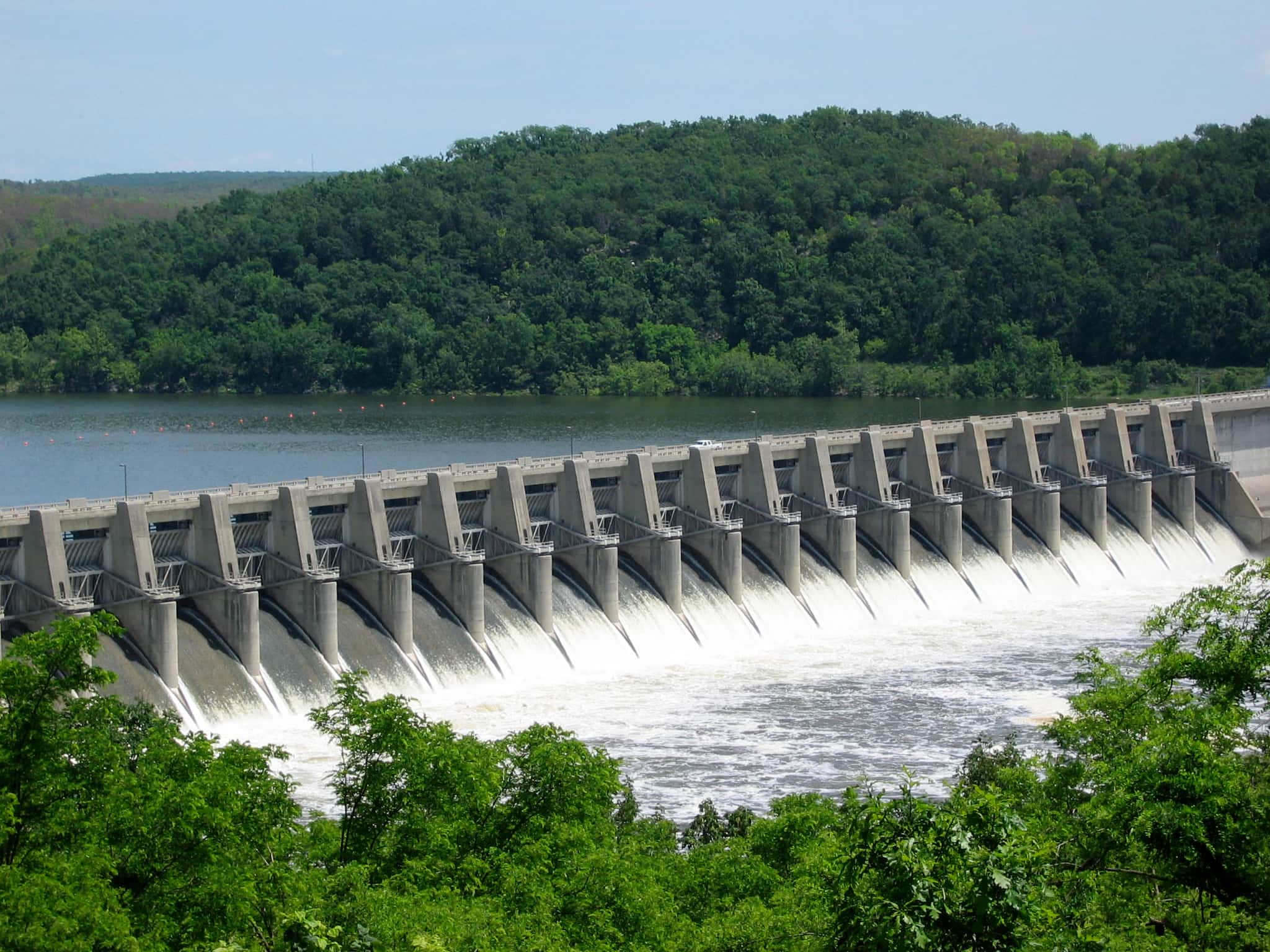
Fort Gibson Lake fishing: Largemouth Bass, Smallmouth Bass, Walleye
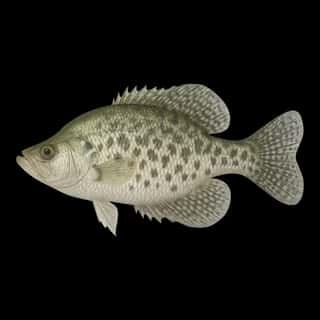
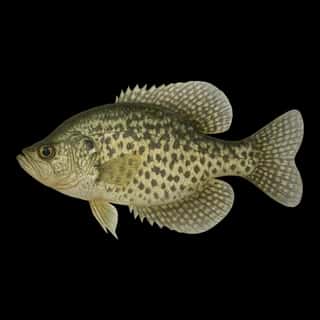
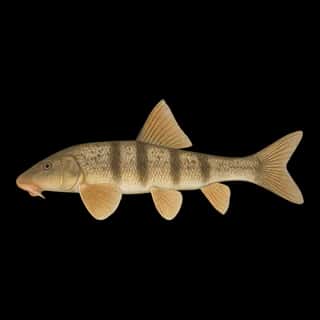
Target species: Largemouth Bass, Smallmouth Bass, Walleye, Paddlefish, Spotted Bass, Black Bullhead, Black Crappie
Best months: May, Jun, Jul, Sep for Largemouth Bass
Second window: Apr, Oct for Smallmouth Bass
The lake
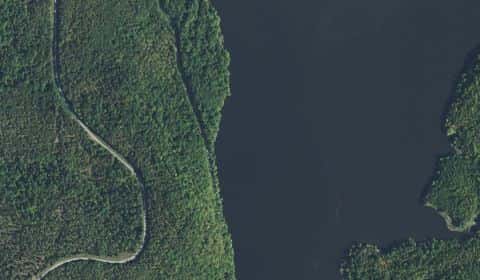
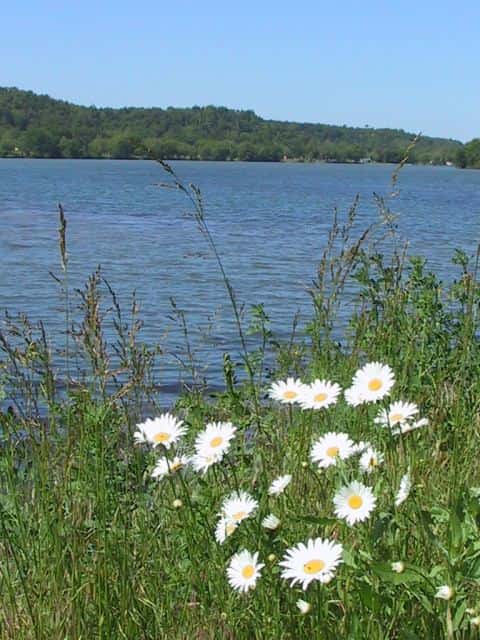
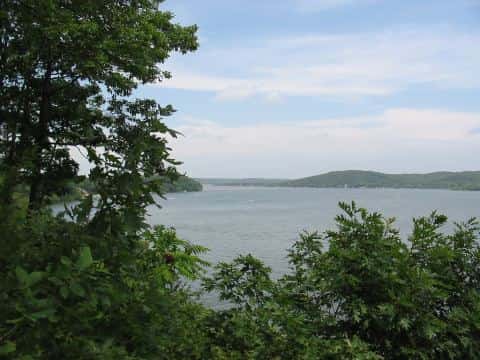
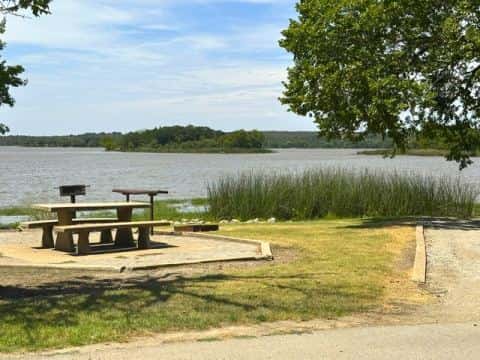
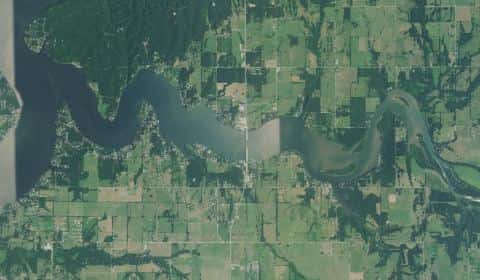
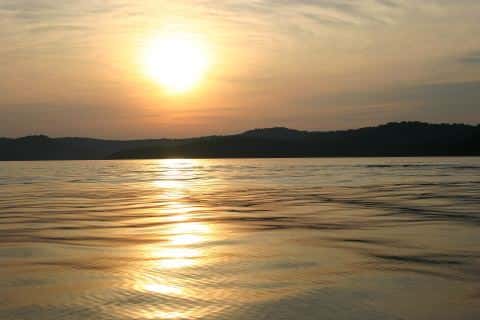
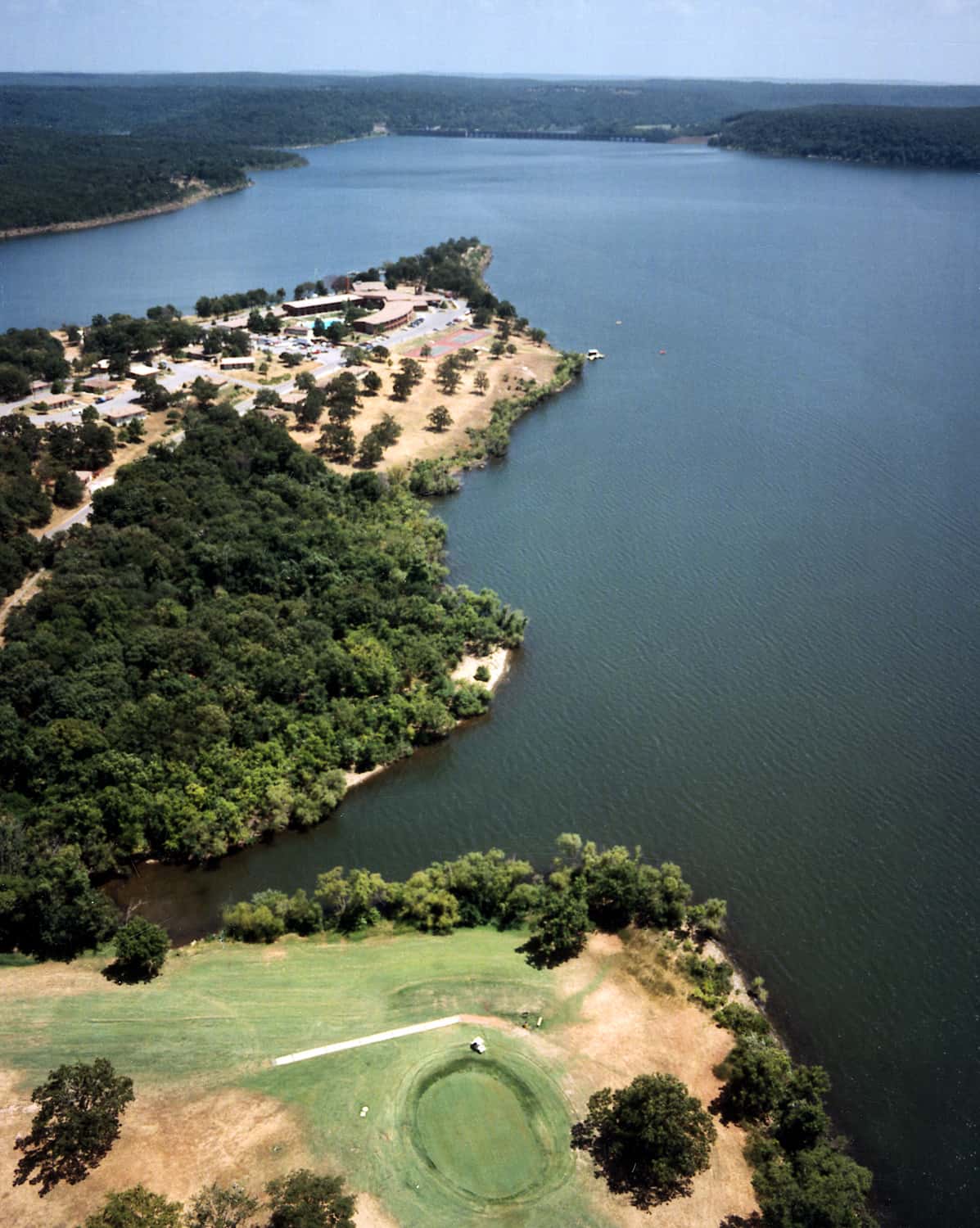
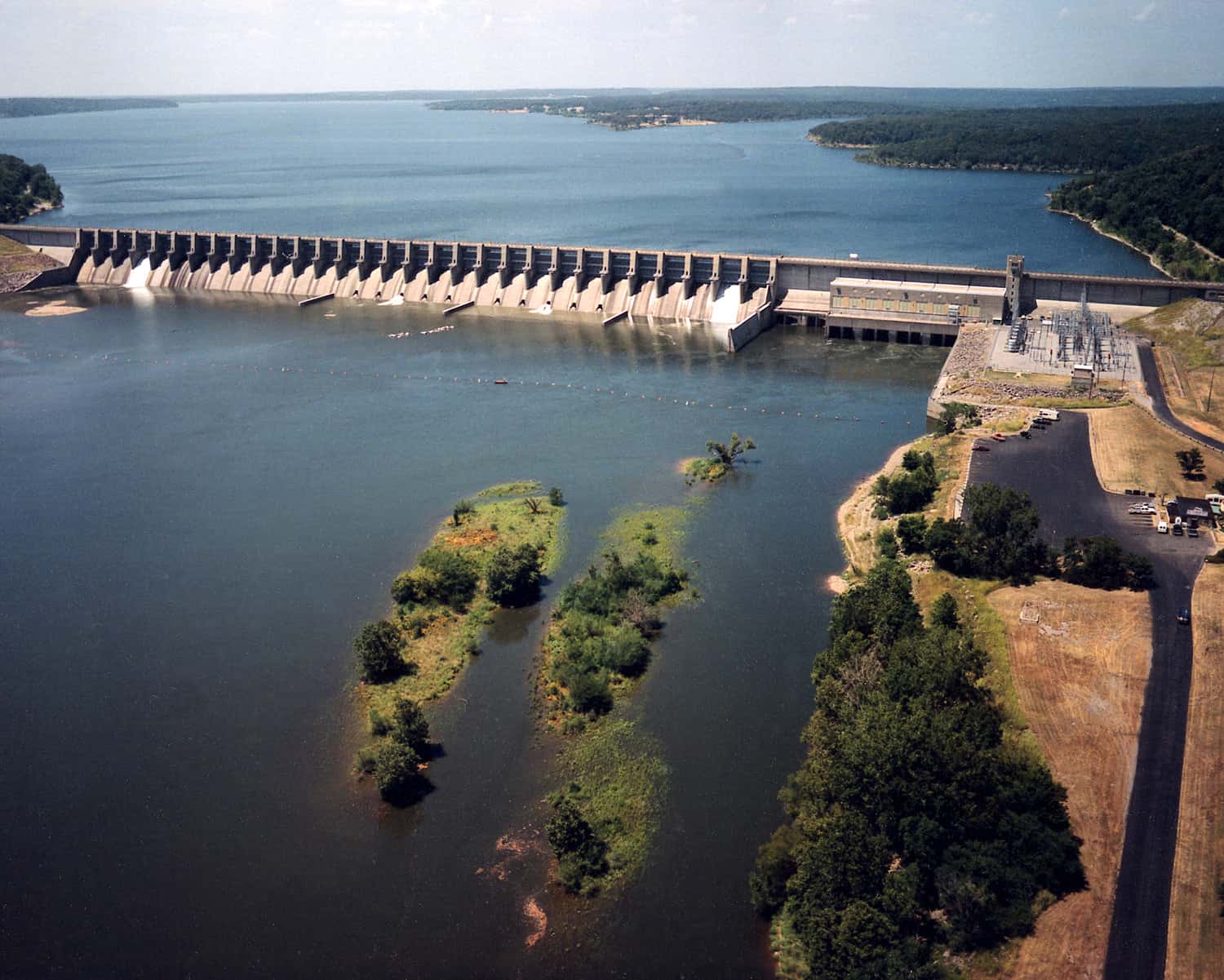
Fort Gibson Lake covers 17,775 acres in Oklahoma, across Wagoner County. It is a lake. Our records hold 35 species for this water.
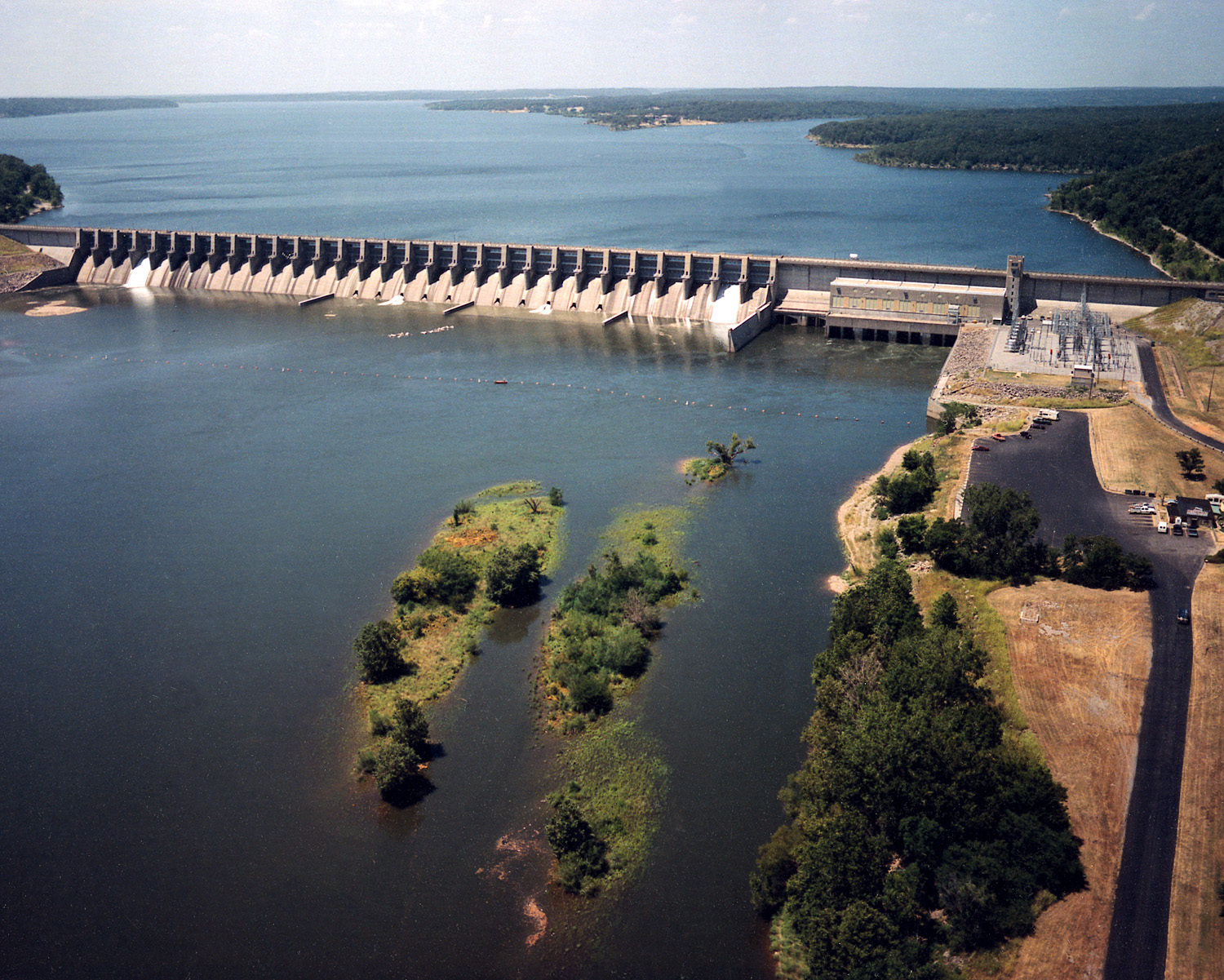
7 target fish, led by Largemouth Bass
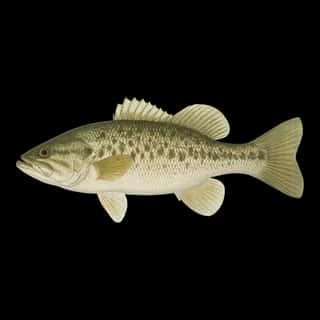
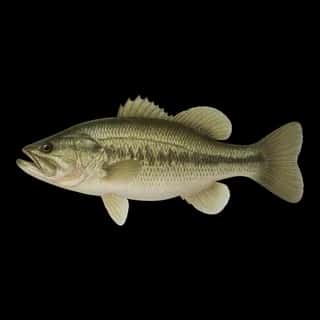
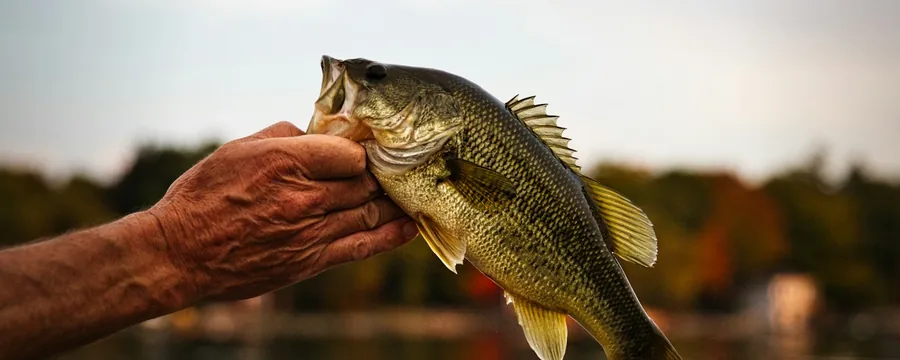
- Largemouth Bass — Best months: May, Jun, Jul, Sep.
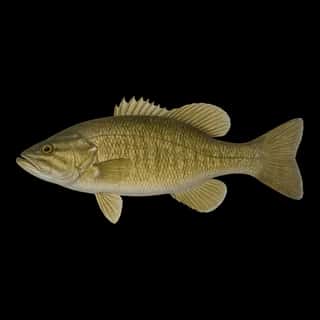
- Smallmouth Bass — Best months: Apr, Oct.
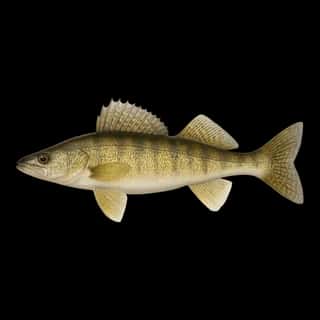
- Walleye — Best months: Oct, Nov, Apr.
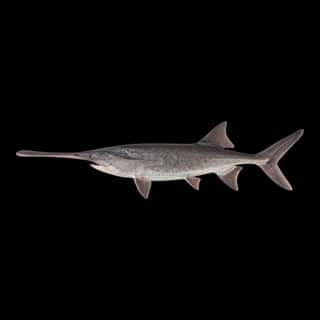
- Paddlefish — Best months: Apr, Oct.
- Spotted Bass — Best months: May, Sep.
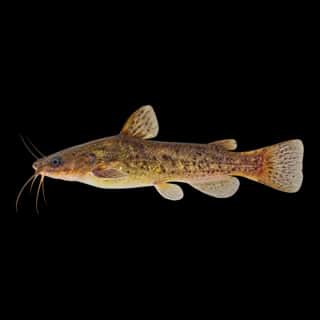
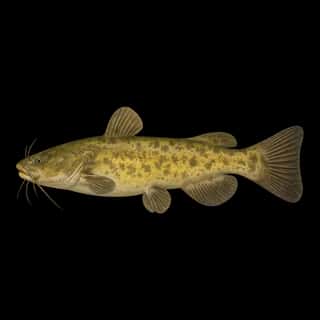
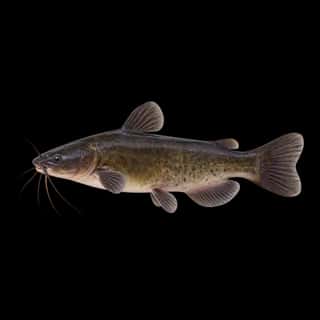
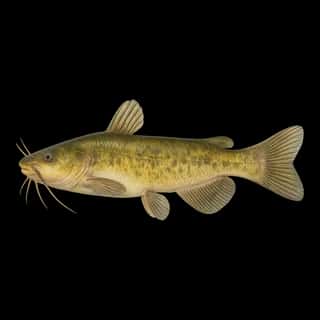
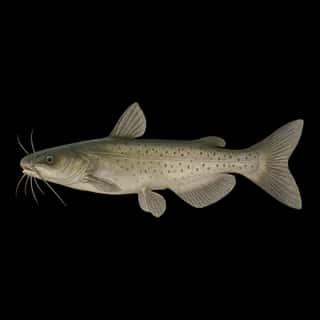
- Black Bullhead — Best months: May, Sep.
- Black Crappie — Feeding water: 65–75°F.
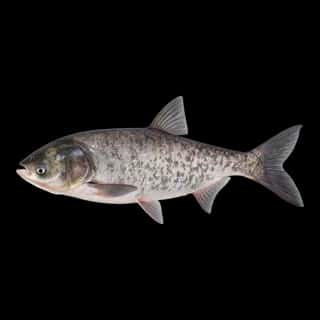
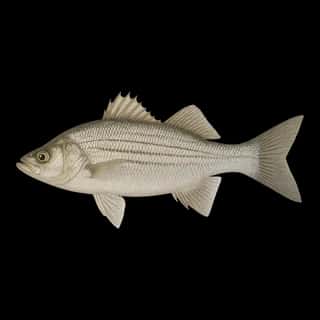
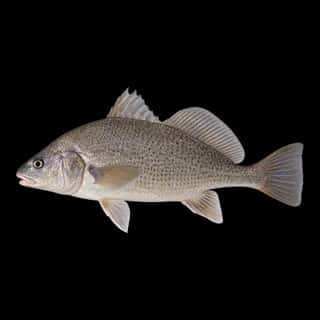
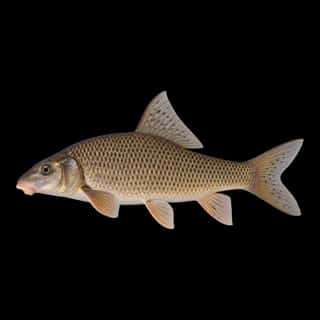
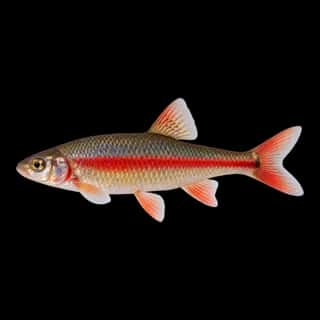
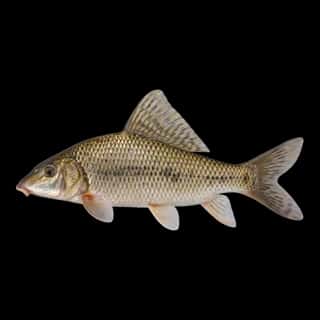
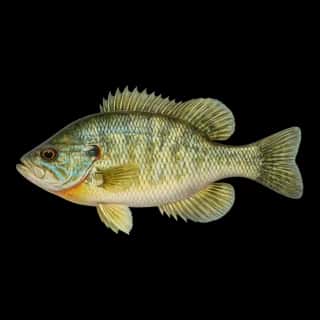
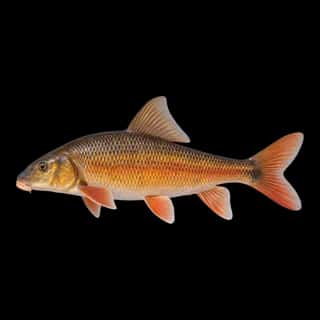
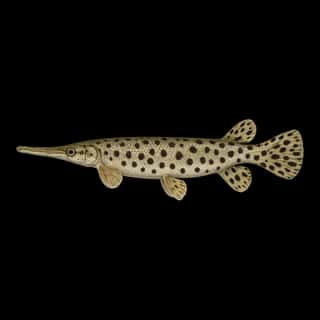
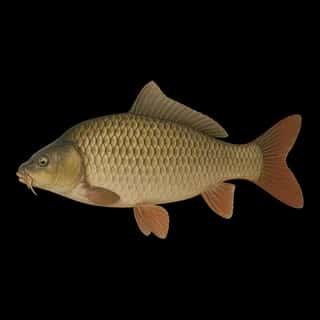
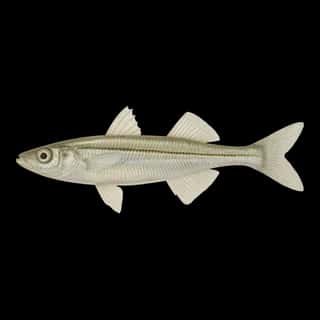
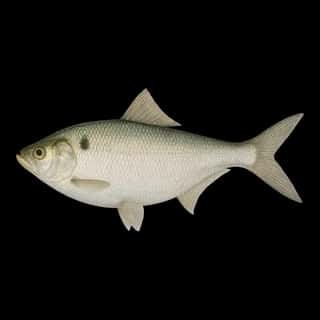
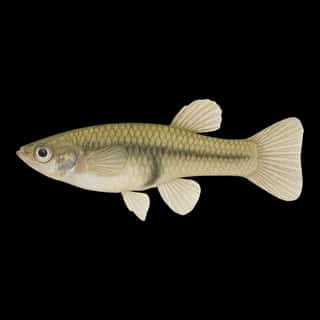
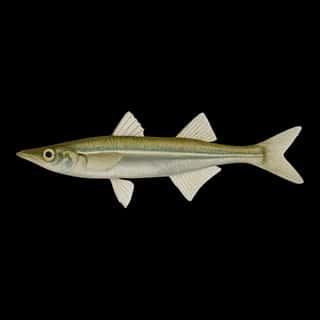
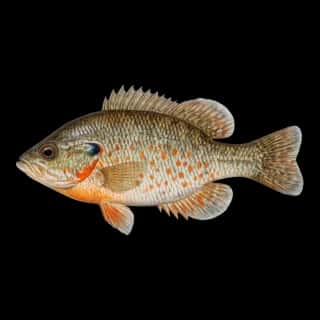
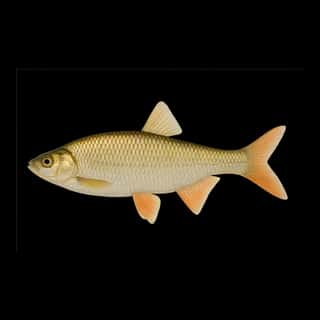
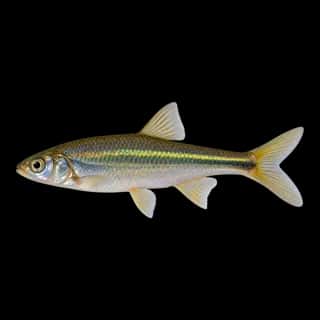
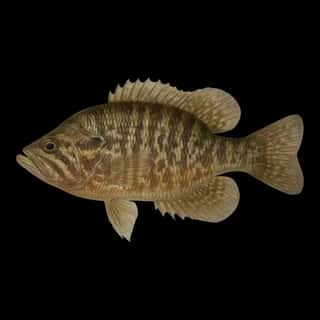
Also recorded here: Green Sunfish, Flathead Catfish, Channel Catfish, Freshwater Drum, Spotted Gar, Golden Redhorse, River Carpsucker, White Bass, White Crappie, Bluegill, Warmouth, Northern Hog Sucker, Highfin Carpsucker, Longear Sunfish, Orangespotted Sunfish, Yellow Bullhead, Bighead Carp, Common Carp, Red Shiner, Emerald Shiner.
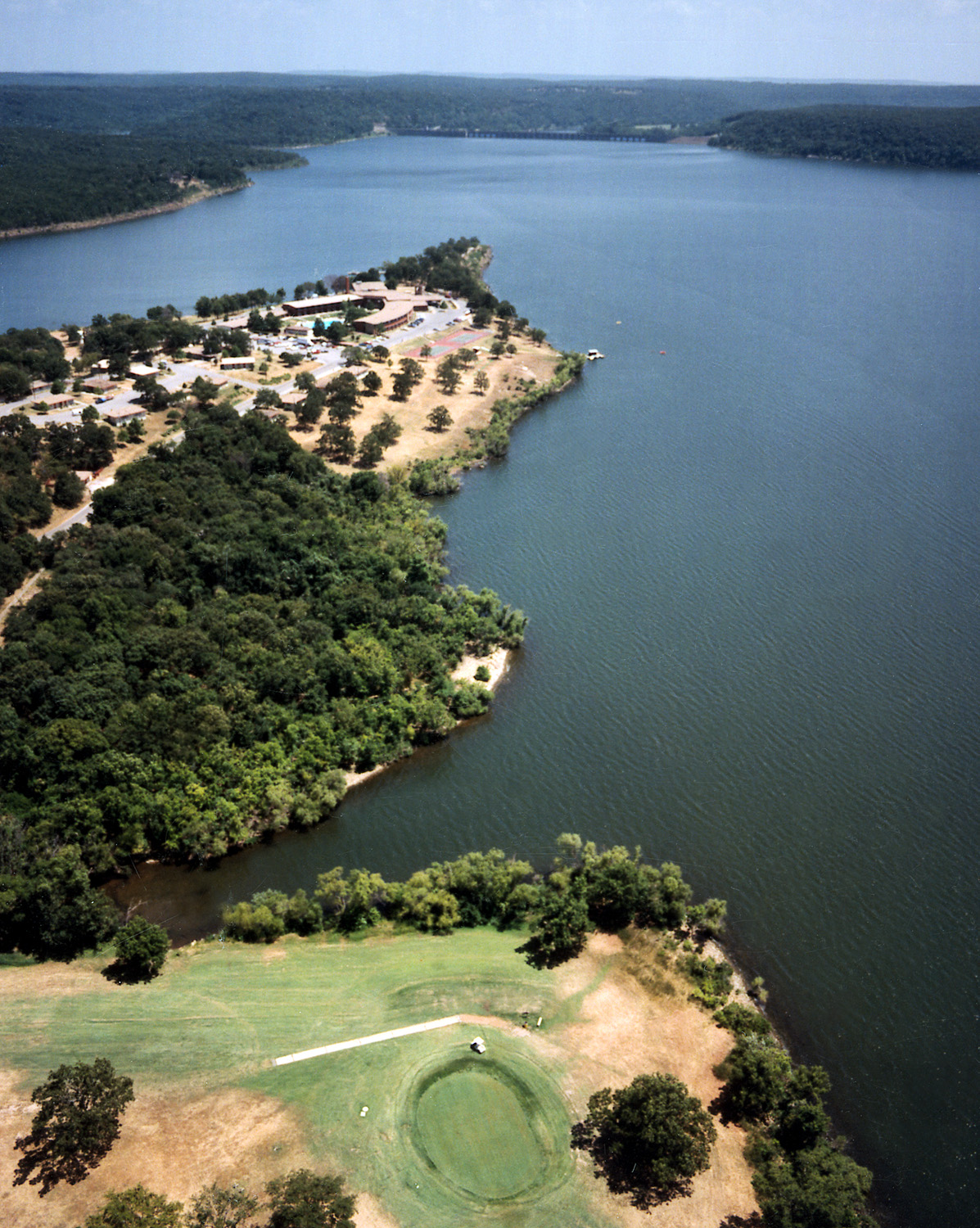
Water and conditions
Water clarity runs 1.1–3.2 feet on our readings, averaging 2 feet, from 88 readings. Water temperature averages 69°F across the year. The coldest single reading we hold is 47°F and the warmest is 93°F; the warmest monthly average is 85°F. pH averages 8.3. These readings span 2017–2023.
What is hard here
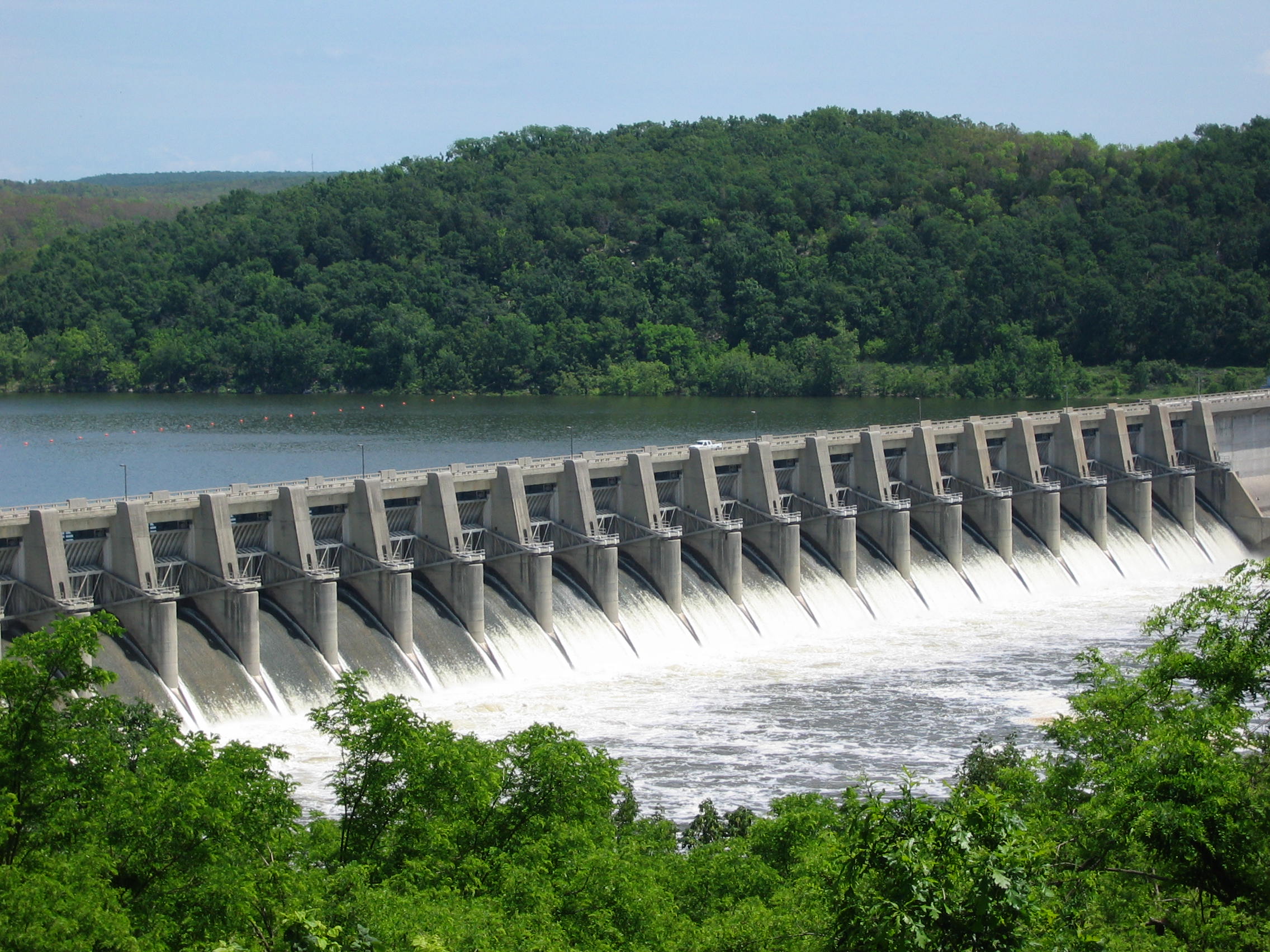
Wind is the limit, not the fish: 17,775 acres of open water build a short steep chop, and there is no shelter in the middle. Winter water drops to 48°F, and the warm-water species stop feeding well before you do. Summer water sits at 85°F: heat and afternoon lightning are the real risks, not the fishing.