
How to recognise it
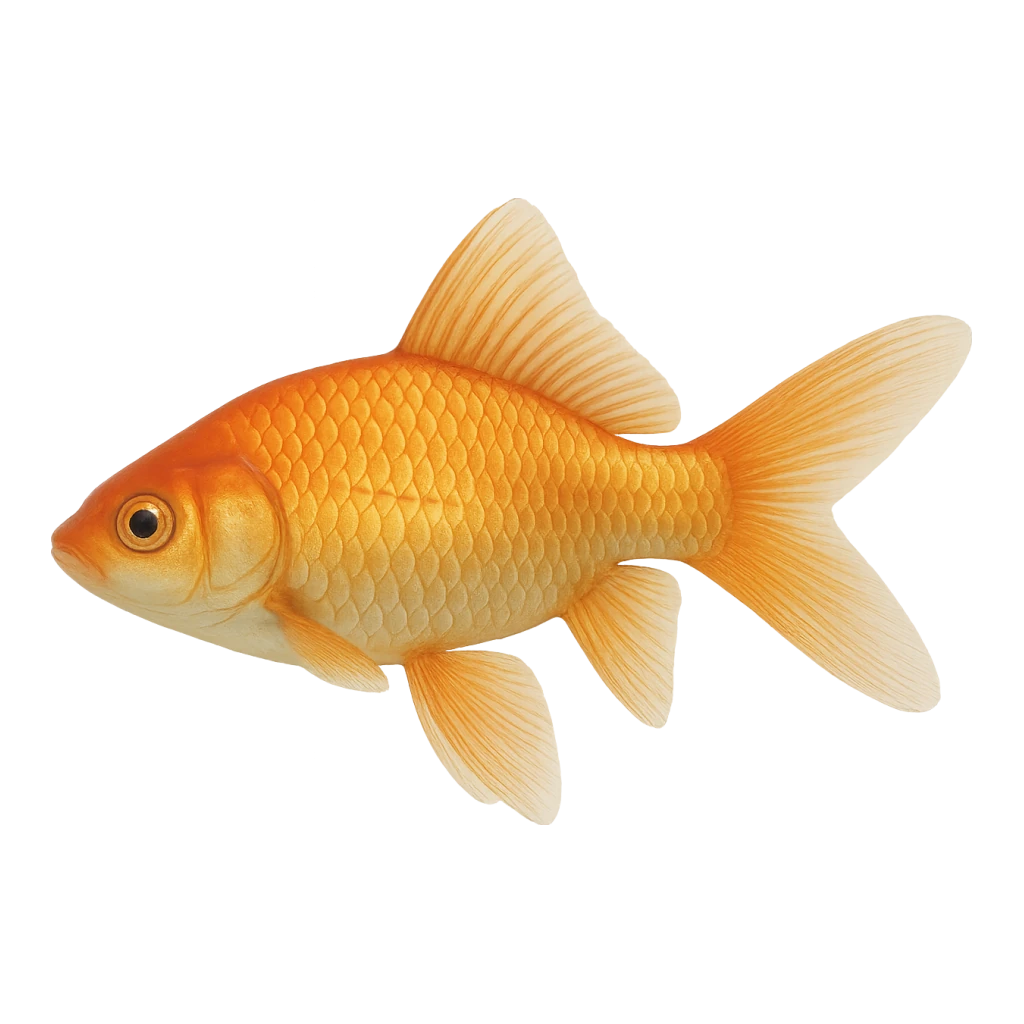
The goldfish (Carassius auratus) is a small, freshwater fish known for its vibrant colors and distinctive features. They typically have a rounded body and can range in color from bright orange to white, black, or a mix of these colors. Their fins are long and flowing, particularly the tail fin, which can be deeply forked or rounded. The mouth is small and located at the front of the head, adapted for grazing on algae and small food particles.
Goldfish are often confused with the comet goldfish, which has a similar body shape and coloration. The key detail that separates them is the tail fin; comet goldfish have a longer, more forked tail compared to the rounded tail of the standard goldfish.
Where it lives
Goldfish are widely distributed across the United States, primarily found in ponds, lakes, and slow-moving rivers. They thrive in freshwater environments and can adapt to a variety of water types, including still and slightly flowing waters. Goldfish prefer depths of 1 to 10 feet, where they can find ample vegetation for cover.
In warmer months, goldfish tend to stay near the surface where the water is warmer and oxygen levels are higher. During colder months, they may move to deeper waters to escape the cold temperatures. Seasonal changes can affect their behavior, with increased activity in spring and summer as water temperatures rise.
When it bites
Goldfish are most active and likely to bite from late spring through early fall. They prefer water temperatures between 65°F and 75°F for optimal feeding. Early morning and late evening are the best times to catch them, as they are more likely to be near the surface during these hours.
Weather changes can influence their feeding patterns. A passing front may cause them to become less active, while stable weather can lead to increased feeding. Wind can stir up food sources, making them more likely to bite. A full moon can also enhance their activity, prompting them to feed more aggressively.
How to catch it
To catch goldfish, anglers can use a variety of rigs and techniques. A simple float rig with a small hook (size 8 to 12) is effective. Use light line, typically 4 to 6-pound test, to avoid spooking them. Baits such as corn, dough balls, or small pieces of bread work well. Goldfish are also attracted to small lures, particularly those in bright colors like orange or yellow.
Cast near vegetation or around structures where goldfish are likely to hide. Retrieve your bait slowly, allowing it to sink and then rise, mimicking natural food movement. This technique can entice goldfish to bite.
Size, age and the table
Goldfish typically range from 6 to 12 inches in length when caught by anglers. A trophy goldfish is generally considered to be over 12 inches. They grow quickly, often reaching their maximum size within 3 to 5 years, depending on environmental conditions.
Goldfish can live for 10 to 15 years in captivity, but their lifespan can be shorter in the wild due to predation and environmental factors. While some anglers do eat goldfish, they are not commonly sought after for their eating quality. If you catch a goldfish, handle it carefully to minimize stress and consider releasing it back into the water to ensure its survival.


