Withlacoochee River Fishing Guide: Snook, Bluegill, Black Crappie & Best Spots
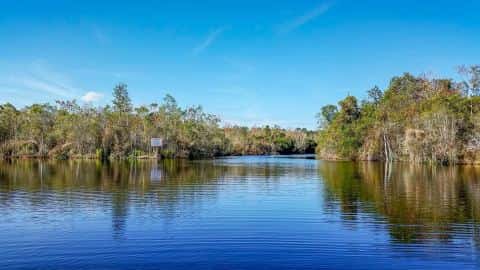
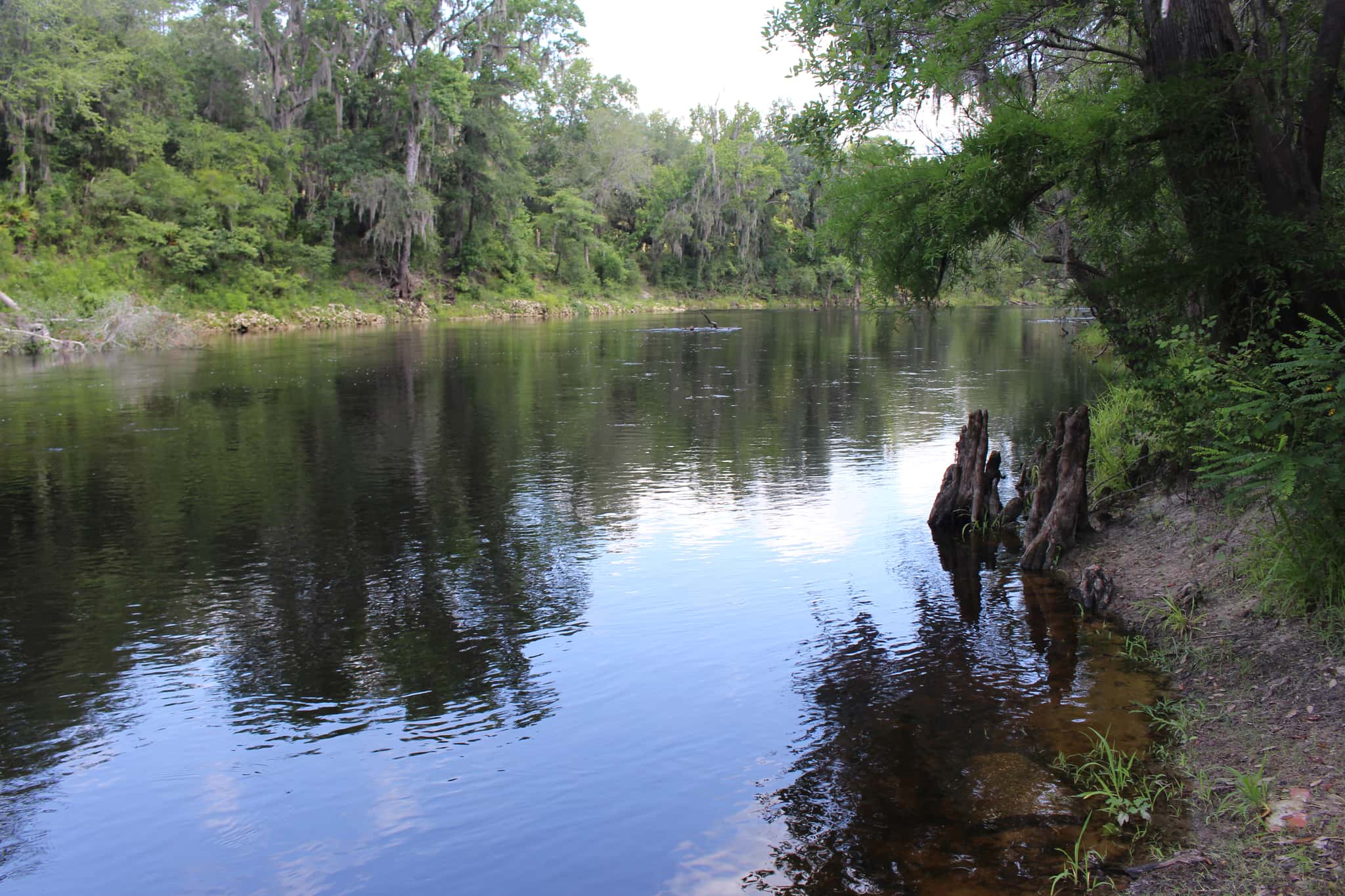
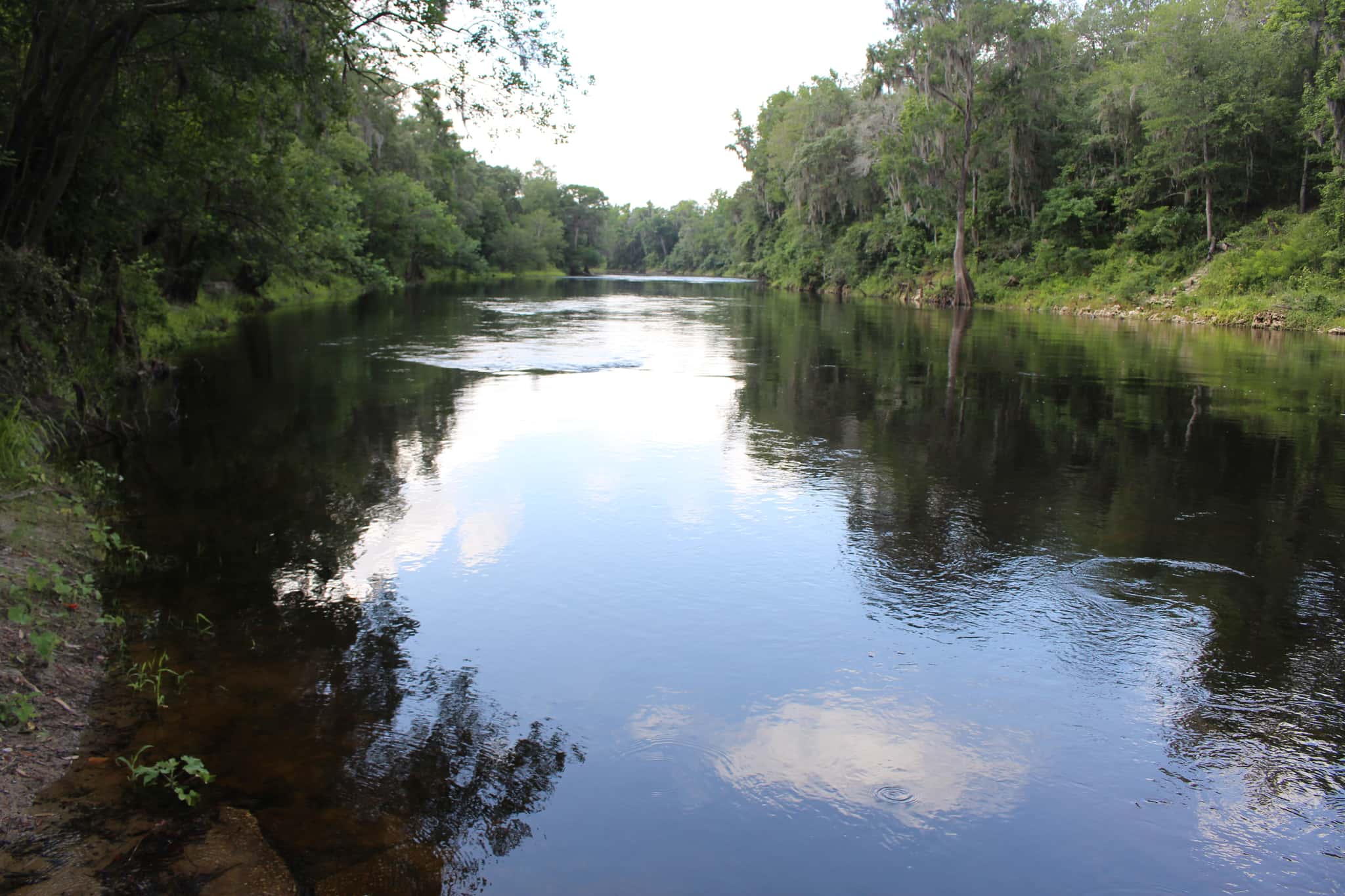
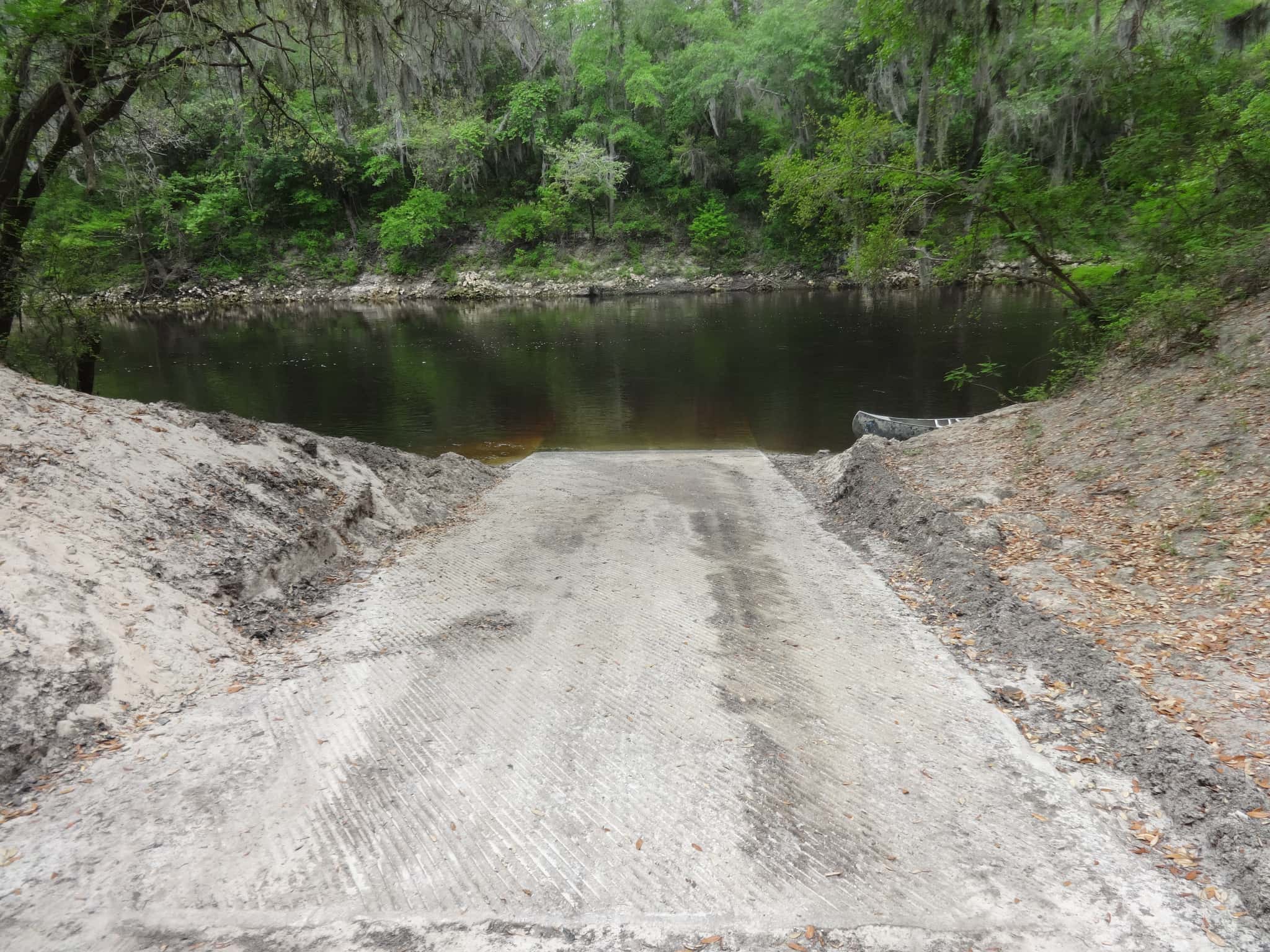
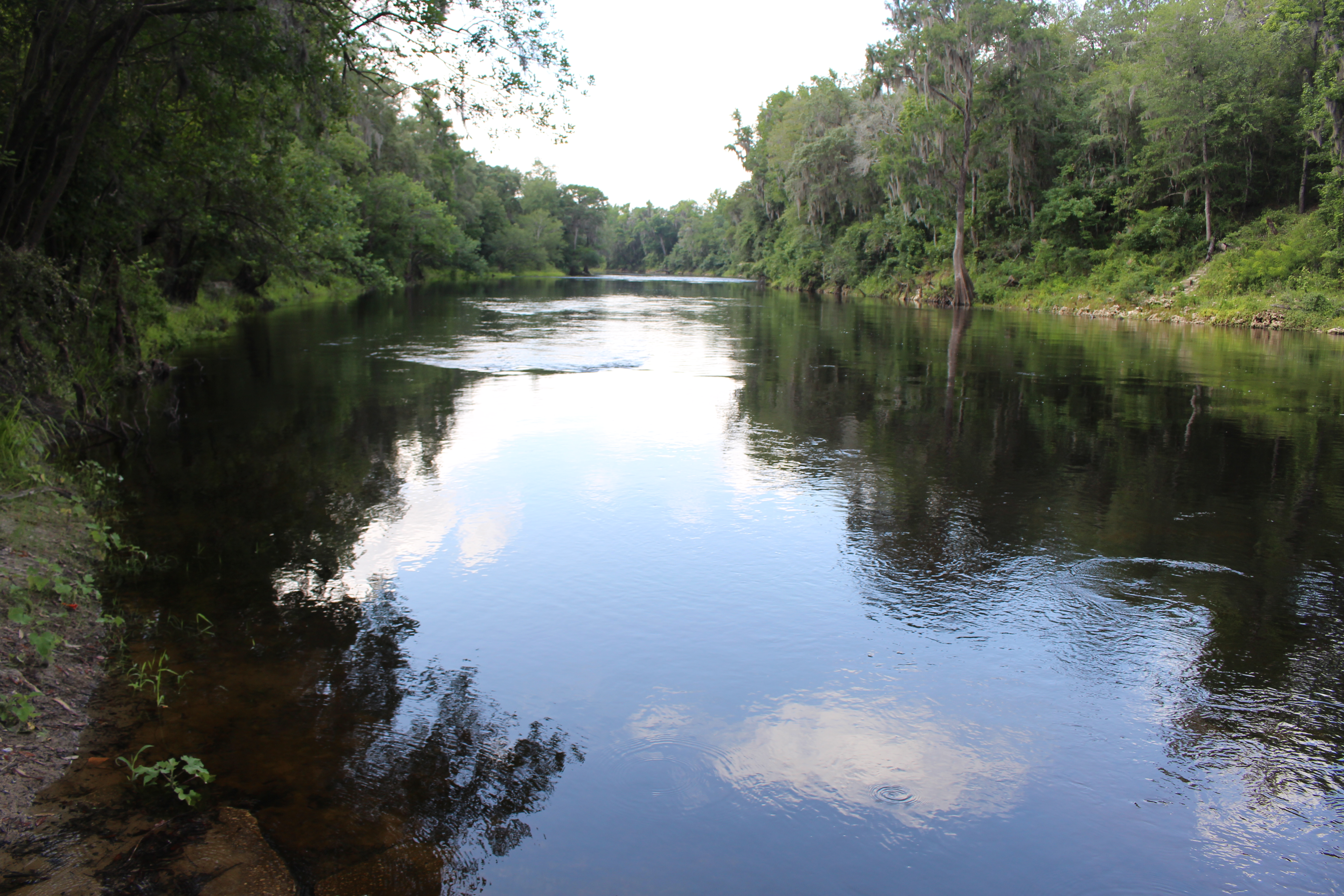
The Withlacoochee River in Sumter County, Florida, is a shallow, winding river known for its healthy runs of common snook, a strong panfish bite, and steady catfish and crappie action. The best fishing here is from March through June, with snook peaking in early spring and late summer. You’ll want a boat or kayak to reach the best water, but there are several public ramps and a few piers for shore anglers. Start your trip at Rutland Park for easy access, plenty of parking, and a concrete ramp with a dock. Early morning and late afternoon are the best times to fish most species.
Positioning: Withlacoochee River vs. Nearby Alternatives
Compared to larger rivers and lakes in Central Florida, the Withlacoochee offers a quieter, more natural setting with less boat traffic and more shoreline cover. You won’t find the trophy bass numbers of the Harris Chain or the open water of Lake Panasoffkee, but if you want a mix of snook, panfish, and catfish in a river that’s easy to explore by small boat or kayak, this is the place. Brooksville is your nearest town for supplies, just over 12 miles away.
Target Species and How to Fish Them
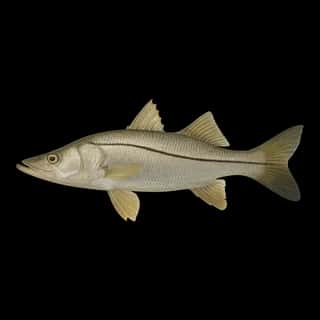
Common Snook: Focus on mangrove edges, docks, and drop-offs along bends and deeper holes. The top bite is January, February, August, and September, with good fishing in March, July, and October. Snook feed best when water temps are, and they turn on with moving tides and warm spells. Use live mullet or topwater plugs and soft plastics near structure. Fish dawn and dusk for the most action.
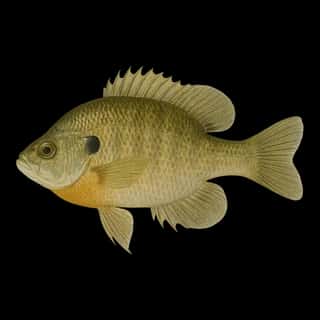
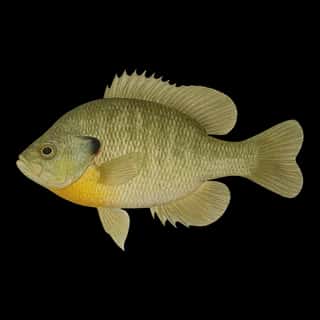
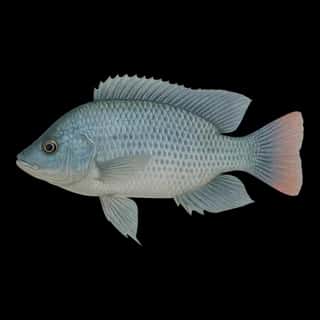
Bluegill: Look for bluegill around fallen trees, weed beds, and docks, especially in backwater sloughs and slow-moving stretches. March through August is prime, with February and September also good. Bluegill bite best when the water is, especially in the morning and evening. Use worms or small jigs under a bobber on light tackle.
Spotted Sunfish: Cast near submerged logs, rocks, and thick vegetation from April through July, with March and August also productive. These fish are most active at dawn and dusk when the water is warm. Use small jigs, crickets, or worms on light line.
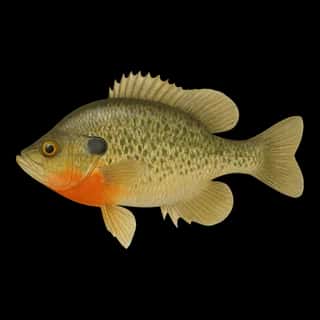
Redbreast Sunfish: Target submerged wood and vegetation in slow-moving stretches. The best months are March through June, with action continuing into September. Redbreast sunfish feed throughout the day, especially early and late. Worms, crickets, and small jigs work well.
Redear Sunfish: Fish sandy or gravelly bottoms near logs or vegetation, especially in May and June. March, April, July, and August are also good. Redear sunfish feed most in the morning and late afternoon. Use red wigglers, crickets, or small spinners on light tackle.
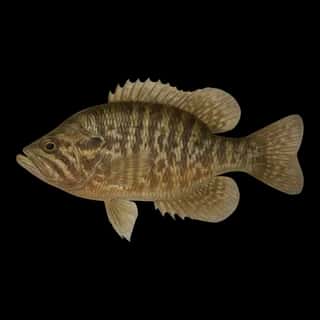
Warmouth Sunfish: Look for warmouth near fallen trees and rocky cover from March to June, with some action in February and July. They bite best at dawn and dusk. Use live minnows, crickets, or soft plastics close to cover.
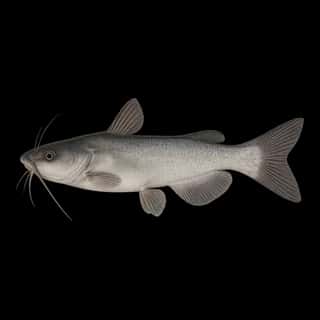
White Catfish: Target deeper holes and slow bends with structure from June through September, with good fishing in spring and October. Nightcrawlers, chicken liver, or cut bait on the bottom work best. Fish at dusk, night, or early morning.
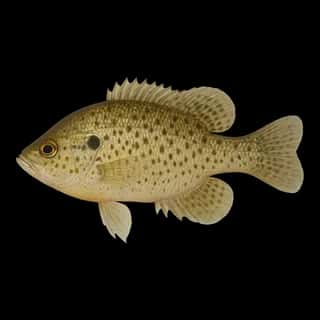
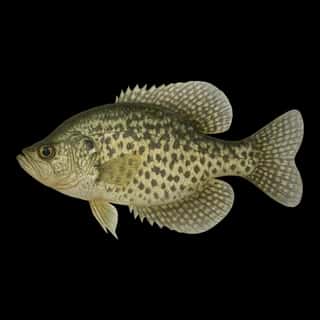
Black Crappie: Fish brush piles, submerged trees, and shallow spawning areas in April, May, and June, with some bite in March and July. Use live minnows or bright jigs under a slip bobber.
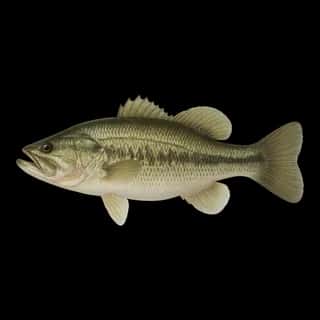
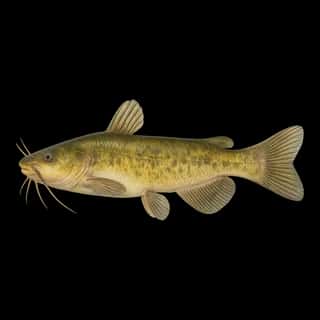
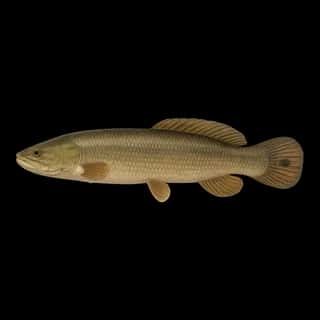
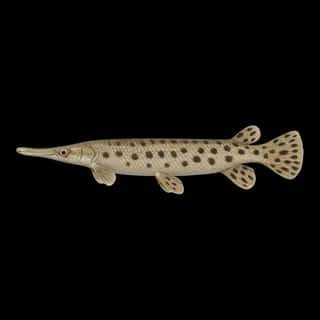
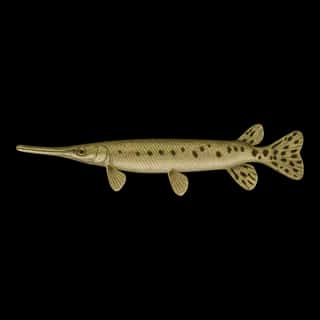
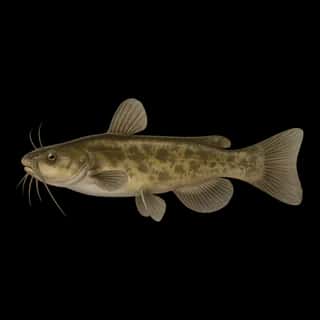
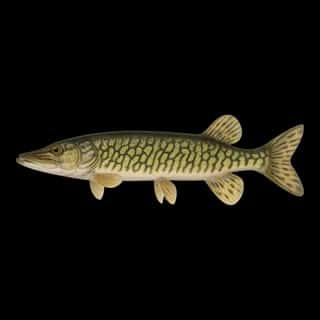
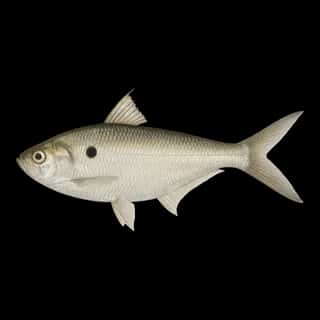
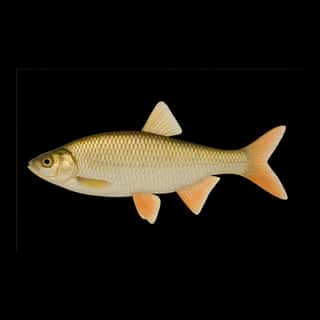
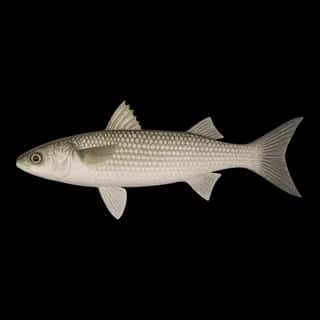
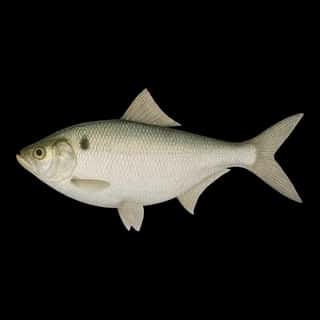
Other catches include longnose and Florida gar, bowfin, yellow and brown bullhead, and baitfish like mullet, shad, and golden shiner. Sunshine bass and chain pickerel are present but not a main draw here.
Best Fishing Spots
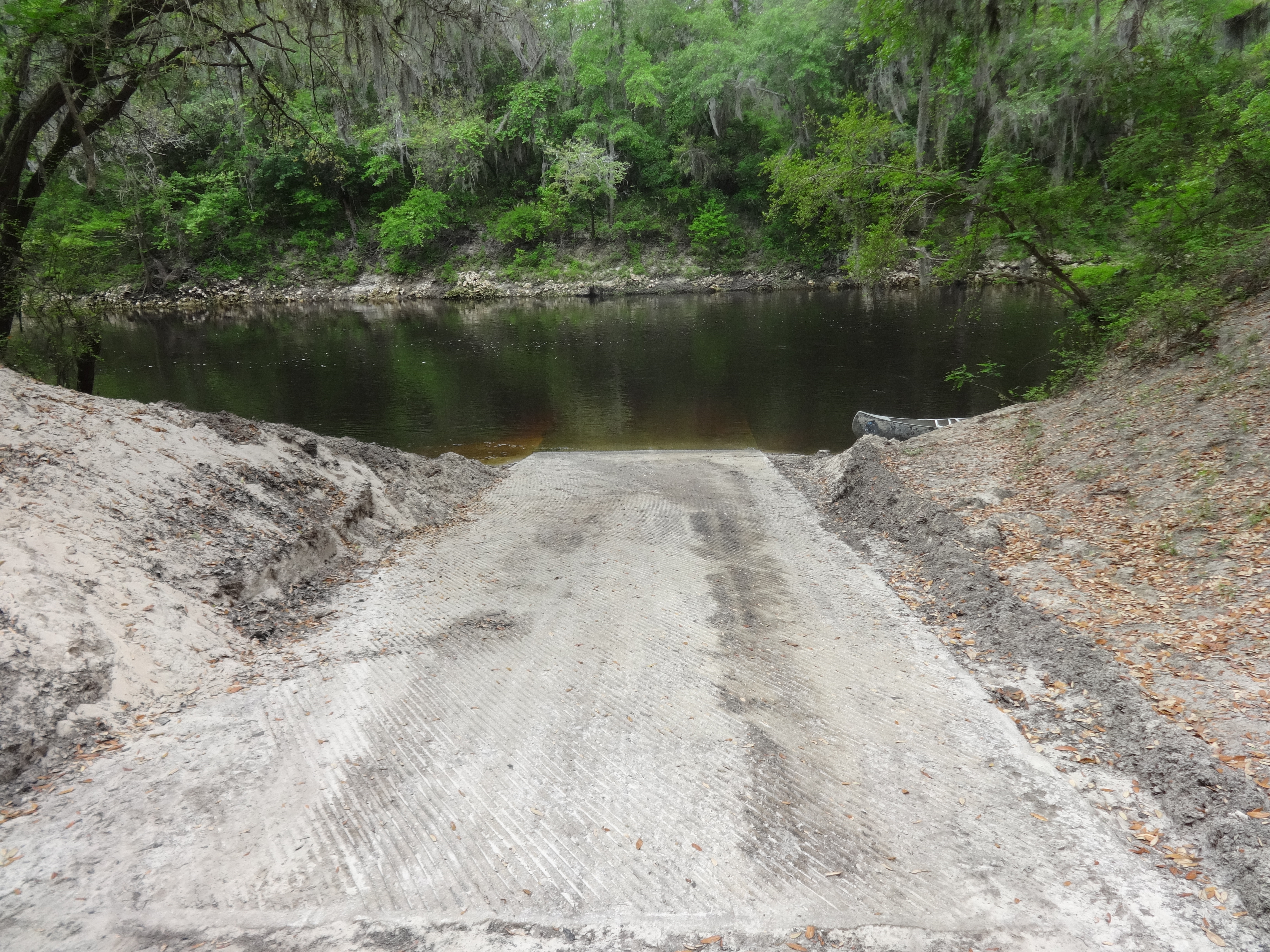
- Rutland Park: The main ramp for trailered boats, with two concrete lanes, a dock, paved parking, and flush restrooms. Launch here for easy access to mid-river bends and structure.
- Carlson’s Landing (upstream and downstream of Wysong Dam): Both ramps have concrete lanes and good trailer parking. Fish the deeper holes and current breaks near the dam for snook and catfish.
- Lake Townsen Regional Park: Offers a fishing pier and a primitive ramp. Good for panfish and crappie, especially near submerged wood and along the bank.
- Green Swamp Wilderness Preserve (Lanier Bridge): Small boat and kayak launch with excellent access to quiet, less-pressured stretches. Fish the bends and undercut banks for sunfish and catfish.
- Highway 40 Public Boat Ramp: Two concrete lanes, paved parking, and a dock. Good starting point for the lower river, with access to both brackish and freshwater stretches.
- Withlacoochee River Park: Has a pier for shore fishing and a canoe launch. Good for panfish, especially if you don’t have a boat.
Structure and Depth
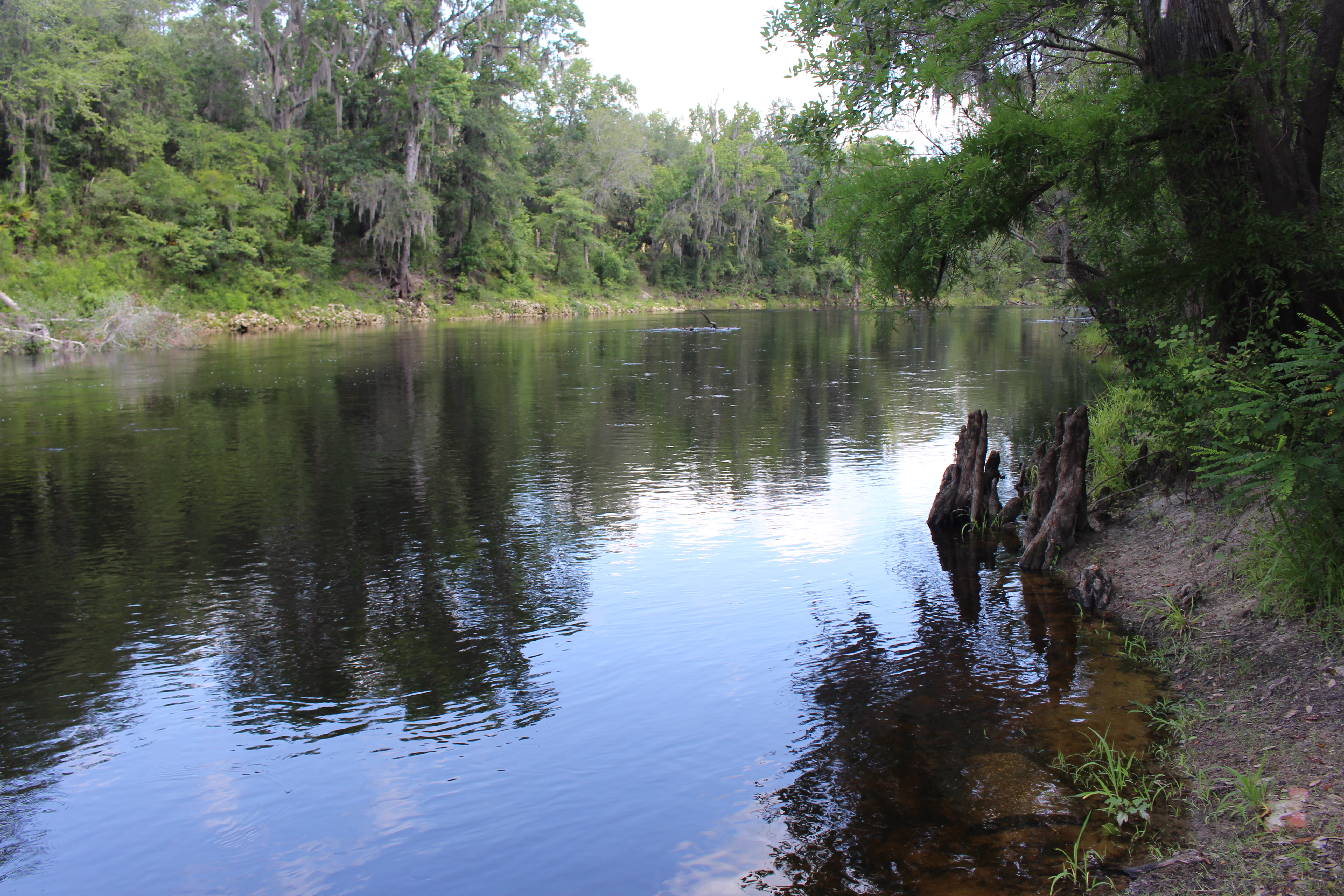
The Withlacoochee averages 4 feet deep, with a maximum of 6 feet in deeper holes and bends. Most fish hold near submerged wood, fallen trees, undercut banks, and patches of aquatic vegetation. The river’s soft bottom and frequent snags mean you’ll want to fish close to cover but be ready to lose some tackle. Deeper holes near dams, bridges, and sharp bends hold catfish and snook, especially in summer and after rain.
Season-by-Season Breakdown
- Winter (Dec–Feb): Water temps drop to the low 60s and sometimes below. The snook bite peaks in January and February but is catch-and-release only during the closed season. Bluegill and sunfish slow down, but you can still pick up catfish in deeper holes. Crappie start to stage for the spring bite.
- Spring (Mar–May): Water warms into the 70s. This is the best window for bluegill, crappie, and all sunfish. Snook are still active, especially in March, but keepers are only legal after the season opens. Catfish start to feed more as the water rises.
- Summer (Jun–Aug): Water temps reach the mid-80s. Early morning and night are best for catfish, snook, and panfish. Snook bite well in August and September, but the heat pushes most fish into deeper holes or shaded cover. Afternoon storms are common—watch the weather.
- Fall (Sep–Nov): Water cools back into the 70s. The snook bite is strong in September, with bluegill and sunfish still feeding well. Catfish remain active until the first cold snaps. By late November, most fish slow down.
If you only get one trip, aim for March through June for the most consistent action across all species. Avoid the coldest months if you want steady panfish or crappie fishing.
Getting on the Water: Ramps and Access
- Rutland Park: Two concrete lanes, paved parking for 22 trailers, flush restrooms, and always open. This is the main launch for larger boats and the best place to start.
- Carlson’s Landing (upstream and downstream): Both have one concrete lane, 12 trailer spaces, unpaved parking, always open, and in excellent condition. Good for small boats and close to the Wysong Dam.
- Highway 40 Public Boat Ramp: Two concrete lanes, paved parking for 20 trailers, portable restroom, always open, and in excellent shape.
- Lake Townsen Regional Park: Pier and primitive ramp with gravel surface, daylight hours only, and flush restrooms at the park.
- Green Swamp Wilderness Preserve (Lanier Bridge): One small boat lane, unpaved parking, dawn to dusk hours.
- Other ramps: Nobleton Park, Spruce Public Boat Ramp, Turner Camp Road, and several private ramps and marinas offer more options, but check hours and fees before you go. Some ramps have portable restrooms; Rutland and Lake Townsen have flush toilets.
- Shore and pier fishing: Withlacoochee River Park and Lake Townsen Regional Park both offer public fishing piers. Bank access is limited elsewhere due to private land and thick vegetation.
Water and Conditions
The river runs shallow and can change fast after rain. Water clarity averages about 3.8 feet but can drop to 2 feet or less after storms. On July 16, 2024, the water was 85°F (about normal for summer), with clarity at 2 feet—below the usual average. Dissolved oxygen was high at 13.1 mg/L, which is good for fish activity. Expect stained water after heavy rain and clearer conditions during dry spells. The bottom is mostly soft, with plenty of snags and submerged wood.
What is Hard About This Water
The Withlacoochee is shallow almost everywhere, with a soft bottom and lots of submerged wood. That means you’ll lose tackle to snags, and running a big boat can be tough—especially after a dry spell or when water drops. Water clarity drops fast after rain, making sight fishing tough. There’s not much open bank for shore fishing, and thick vegetation blocks access in many spots. Afternoon storms roll in quick during summer, and the river can rise or fall fast after heavy rain.
Safety
Watch for submerged logs and snags when running a boat—prop damage is common. Afternoon storms and lightning are a real risk in summer, so check the weather and get off the water if thunder rolls in. The soft bottom can make wading tricky, and the riverbanks are thick with brush and sometimes snakes. Bring plenty of water, and be ready for heat and bugs.
Regulations
- Bluegill, Redear, Spotted, Redbreast, Warmouth Sunfish: No length limit. Bag limit is 50 panfish (aggregate) per person per day. Open year-round. Requires a Florida freshwater fishing license unless exempt.
- Black Crappie: No statewide length limit. Bag limit is 25 per person per day. Open year-round. Requires a Florida freshwater fishing license unless exempt.
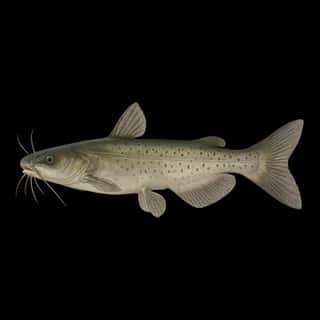
- Channel Catfish: No statewide bag or length limit unless posted for a specific Fish Management Area. Requires a Florida freshwater fishing license unless exempt.
- Mullet: No minimum size. Daily bag limit 50 per person. Vessel limit 50 fish from Sept. 1–Jan. 31. Open year-round. Requires a Florida saltwater fishing license unless fishing in fresh water with a resident freshwater license.
A non-resident freshwater or saltwater fishing license is required unless you qualify for an exemption. Short-term options are available. Buy your license before you leave home. Regulations can change, so anglers should verify the current rules with the Florida Fish and Wildlife Conservation Commission before fishing.
Pros and Cons
- Pros: Multiple public ramps, good snook and panfish action, low boat traffic, piers for shore fishing.
- Cons: Shallow water limits big boats, lots of snags, limited bank access, water clarity drops after rain.
Final Verdict
The Withlacoochee River is a solid pick if you want a mix of snook, panfish, and catfish in a quiet, natural setting. The best fishing is March through June, and you’ll get the most out of the river with a small boat or kayak. Shore fishing is possible at a few parks, but most of the action is from the water. Bring plenty of tackle for snags, and check the weather before you go—storms and changing water levels can flip the bite fast. If you’re looking for trophy bass or wide-open water, look elsewhere, but for a laid-back trip with steady action and easy access, this river delivers.