Lake Jesup Fishing Guide: Largemouth Bass, Striped Bass, Sunshine Bass & Best Spots
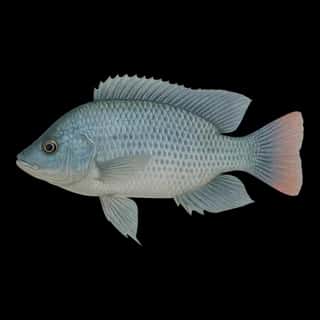
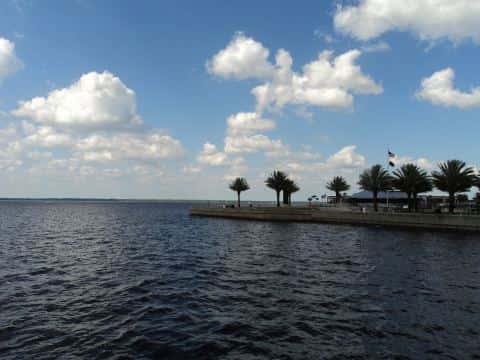
Lake Jesup is a shallow, 8,058-acre lake in Seminole County, Florida, just northeast of Orlando. The lake is known for its largemouth bass, striped bass, and sunshine bass, plus a strong panfish and catfish bite. Most of the water is less than three feet deep, with a soft muck bottom and scattered cover. You’ll need a boat to reach the best fishing, but there are public piers for shore anglers. The top bite runs January through August, with bass and hybrids feeding hard when the water warms. Start your trip at Cameron Wight Park or Lake Jesup Park ramps, and focus on the edges of submerged structure and weed lines.
Positioning: Lake Jesup vs. the Alternatives
Lake Jesup is less famous than nearby Lake Monroe or the St. Johns River, but it offers a different challenge. Jesup is shallower, with a soft bottom and more muck, making it tough for deep-water anglers but rewarding for those who like to fish cover and flats. It’s a better choice if you want a shot at both largemouth and hybrid striped bass in the same water. Monroe has more depth and clearer water, but Jesup’s shallow flats warm up faster in spring and hold fish longer into summer.
Target Species and How to Fish Them
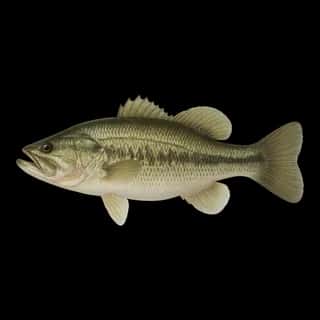
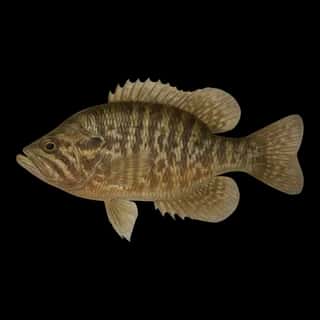
Largemouth Bass: Fish the shallow weed edges, fallen trees, and submerged cover along the western and northern shores. The best bite is January, February, July, and August, with good action in March, June, and September. Bass here are driven by water temperature and light—look for them to feed hard at dawn and dusk, especially as the water warms into the 70s and 80s. Plastic worms (Texas rig), crankbaits, and spinnerbaits all work. Early and late in the day are best, but bass will stay active on overcast days or when bait is present.
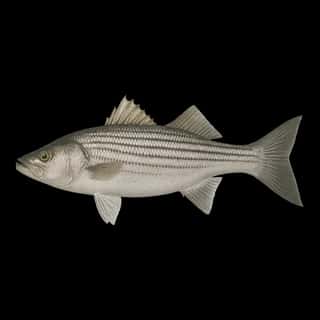
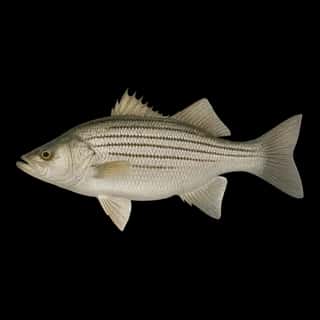
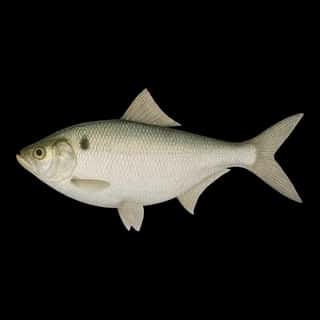
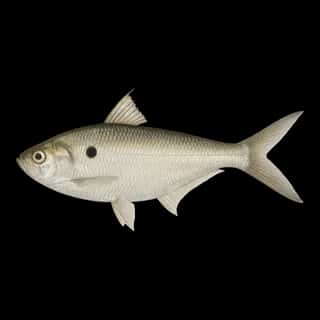
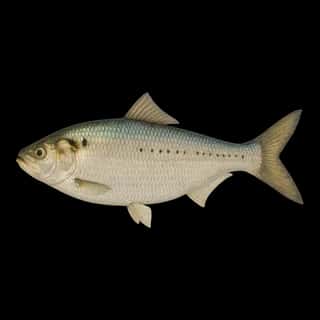
Striped Bass: Target drop-offs, submerged points, and any rocky structure you can find, especially near the old river channel or where baitfish stack up. The peak striped bass bite is May through July, with good fishing in March, April, and August. Striped bass here respond to warming water and baitfish movement—focus on live shad or herring, or throw swimbaits and topwater plugs. Fish dawn, daytime, or dusk, but expect the bite to pick up when water temps hit 60–75°F.
Sunshine Bass: These hybrids are most active from April through July, with a good bite in March and August. Work the same drop-offs and points as you would for stripers, using swimbaits, jigs, or topwater lures. They hit best at dawn and dusk, especially when schools of baitfish are moving through. A medium rod and 10–20 lb line are enough. Look for aggressive surface action when they’re feeding.
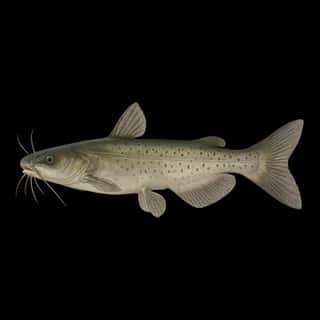
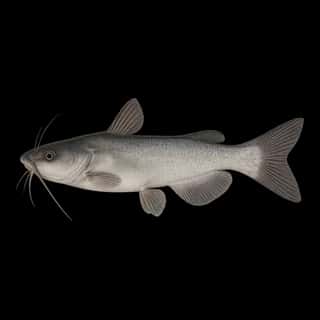
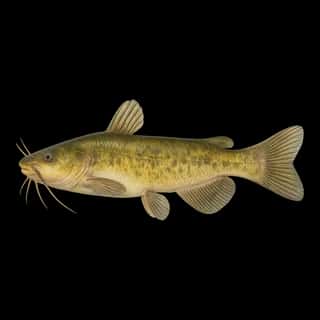
Channel Catfish: Catfish hold near fallen trees, rocky banks, and deeper holes, especially on the east and southeast sides. The best months are May through August, with good fishing in March, April, and September. They feed most at dusk and after dark, especially when the water is warm (70–85°F). Use chicken liver, stink bait, or cut bait on a slip sinker rig, and let it sit on the bottom near cover.
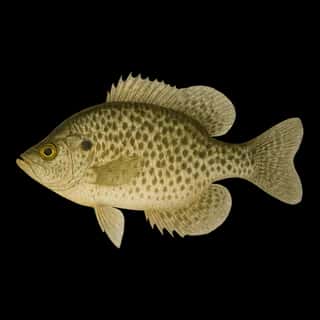
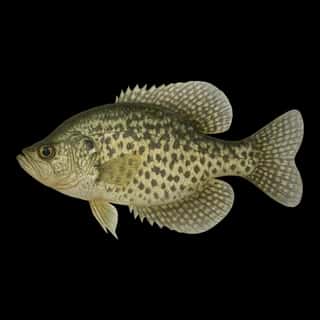
Black Crappie: Crappie (specks) spawn in shallow brush and submerged trees from April through June, with a good bite in March and July. Use live minnows or small jigs under a slip bobber, and focus on brush piles or submerged structure in 2–5 feet of water. Early morning and late afternoon are best.
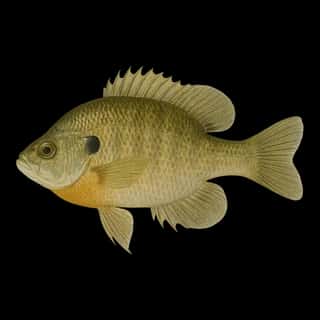
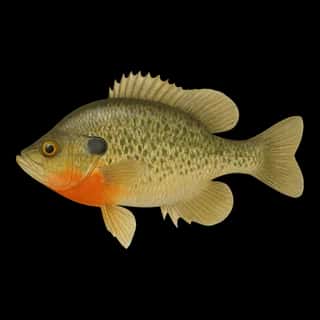
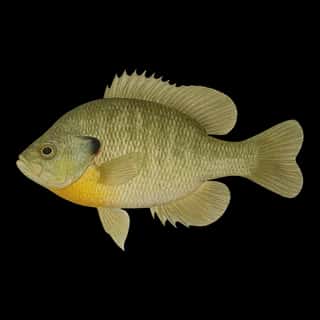
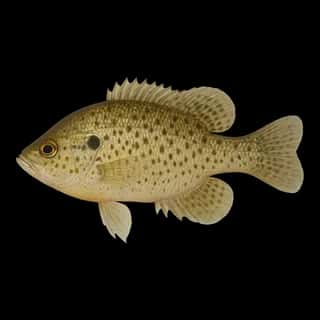
Bluegill & Redear Sunfish: Bluegill bite best March through August, with redear (shellcracker) peaking in May and June. Target shallow weed beds, fallen trees, and docks with worms, crickets, or small jigs. Both species feed hardest at dawn and dusk, especially during their bedding periods in late spring and early summer.
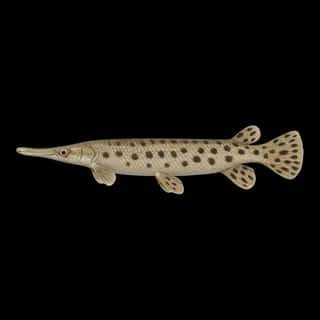
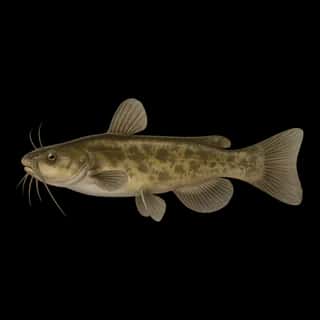
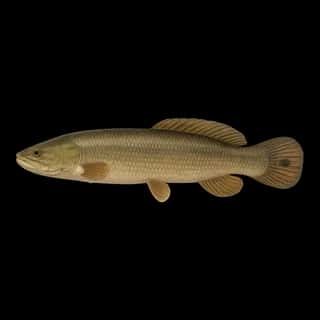
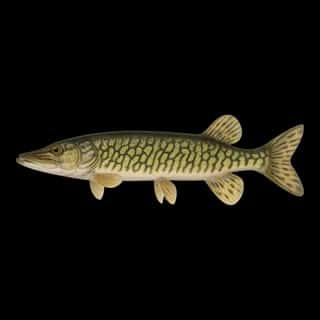
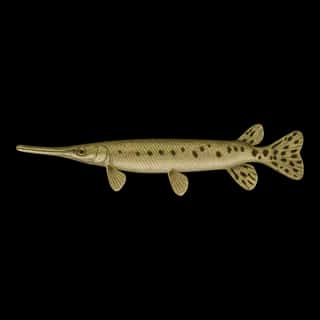
Other Species: You’ll also find chain pickerel, white catfish, warmouth, flier, redbreast, and spotted sunfish. Catfish and pickerel are best in warmer months, while sunfish are steady all spring and summer. Gar, bowfin, and bullhead show up as bycatch, especially when fishing live bait or cut bait on the bottom.
Best Fishing Spots on Lake Jesup
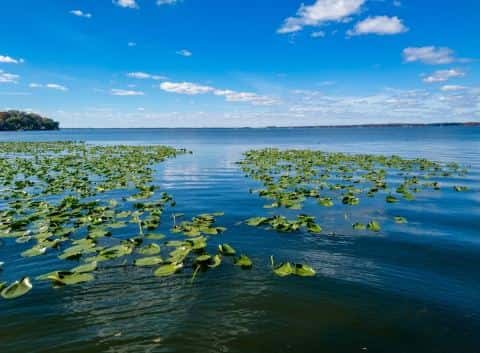
- West Shore Flats: The shallow, mucky flats along the west side hold bass and panfish in spring and summer. Work the weed edges and any scattered cover.
- Old River Channel: The remnant channel running through the lake is the only water deeper than 7 feet. Striped and sunshine bass stack here when the water heats up or after a front.
- North Shore Brush Piles: Look for submerged trees and brush near the north shore for crappie and bluegill, especially during the spawn.
- Causeway Edges: The area near the State Road 417 bridge and the reopened channel B can concentrate bait and predatory fish, especially after rain or when water is moving.
- Black Hammock Area: The southeast corner near Black Hammock Fish Camp has deeper holes and structure for catfish and hybrids.
Structure and Depth
Lake Jesup is a shallow lake—nearly 60% of it is less than two feet deep, and over 90% is under five feet. The bottom is mostly soft muck, with some scattered hard spots and submerged trees. The deepest water (up to 14 feet) is in the old river channel, but most fish are caught in 2–5 feet, especially around weed edges, brush piles, and fallen timber. The shallow flats warm up fast in spring, pulling in bass and panfish, while hybrids and catfish move deeper as the water heats up.
Season-by-Season Breakdown
- Winter (Dec–Feb): Water temps run 60–69°F. Largemouth bass start staging for the spawn in January and February, feeding in shallow cover. Crappie and bluegill are less active, but you can still find them on sunny afternoons. Striped bass are slow but may bite on warming trends.
- Spring (Mar–May): Water climbs from 72°F in March to 82°F by May. This is the best time for bass, hybrids, crappie, and panfish. Fish move shallow to spawn, and the bite is strong all day. Catfish start feeding harder as the water warms.
- Summer (Jun–Aug): Water peaks at 84–86°F. Bass and hybrids push deeper or hold near moving water and structure. Early and late are best for all species. Catfish and bluegill stay active, especially at night or in shaded areas. The shallow flats can get hot and low on oxygen, so focus on deeper holes or channels.
- Fall (Sep–Nov): Water cools from 83°F in September to 67°F by November. Bass and hybrids feed up before winter, especially on baitfish schools. Crappie and bluegill slow down, but you can still catch them on warm days. Catfish remain steady until the first real cold snap.
Getting on the Water: Ramps and Access
- Cameron Wight Park Boat Ramp: Two concrete lanes, paved trailer parking for 20, dock, open 24/7, public, fee required. Good for boats and trailers, and a solid starting point for the west and north shores.
- Lake Jesup Park Ramp: Two concrete lanes, paved trailer parking for 29, dock, open 24/7, public, fee required. Launch here for access to the north and east sides.
- Black Hammock Fish Camp and Marina: One concrete lane, paved parking, dock, open 24/7, fee required. Private, with restrooms. Best for the southeast corner and deeper holes.
- Central Winds Park Pier: Public fishing pier, good for panfish and catfish, but limited reach for bass and hybrids.
- Overlook Park Pier: Public pier, similar access as Central Winds, best for bluegill and crappie.
Water and Conditions
Lake Jesup’s water is usually stained, with clarity averaging 2.3 feet but dropping as low as 0.5 feet after rain or wind. Turbidity runs high, so use bright or noisy lures. The most recent measurement (June 2025) showed water at 85°F, clarity at 1 foot, and above-average turbidity—typical for summer. The lake’s clarity can change fast, so be ready to adapt. Dissolved oxygen can get low in summer, especially in the shallow flats, which pushes fish into deeper holes or near moving water. The pH is slightly alkaline, but nothing unusual for Florida lakes.
Regulations
- Striped Bass, Sunshine Bass, White Bass: 20 total per day (individually or in total), only 6 may be 24 inches or longer. Open year-round. Freshwater fishing license required unless exempt.
- Largemouth Bass: 5 black bass (aggregate), only one may be 16 inches or longer. No minimum length. Open year-round. Freshwater fishing license required unless exempt.
- Channel Catfish: No statewide bag or possession limit, except as noted in individual Fish Management Area regulations. Freshwater fishing license required unless exempt.
- Black Crappie: 25 per day. No length limit. Open year-round. Freshwater fishing license required unless exempt.
- Panfish (Bluegill, Redear, Warmouth, Flier, Redbreast, Spotted Sunfish): 50 per day (aggregate). No length limit. Open year-round. Freshwater fishing license required unless exempt.
A Florida freshwater fishing license is required for all non-residents, with short-term options available. Separate freshwater and saltwater licenses are needed if you plan to fish both. Regulations can change, so anglers should verify the current rules with the Florida Fish and Wildlife Conservation Commission before fishing.
Shore and Boat Access
Shore fishing is possible from the public piers at Central Winds Park and Overlook Park, but most of the shoreline is marshy or private. The piers are best for panfish, catfish, and the occasional bass. For serious bass or hybrid fishing, you’ll want a boat. The muck bottom and shallow water can make launching tricky for larger boats, especially in dry spells.
Trip Logistics
The nearest town with services is Black Hammock, 2.7 miles away. Orlando Sanford International Airport is just 3 miles from the lake, and Orlando itself is 18 miles away. There are small lakeside businesses and fish camps near Black Hammock, but no full-service marinas or tackle shops on the lake. Bring your own bait and tackle, or stock up in Orlando or Sanford before you arrive. Lodging options include hotels in Sanford or Orlando, plus some fish camps and RV parks near the lake. Book early for spring and early summer, as that’s when the bite and the weather are best.
Ecology
Lake Jesup has a history of nutrient loading and algae blooms, especially after heavy rain. The bottom is covered in a thick layer of muck, which affects water clarity and can make the west shore fish better due to more stable cover. Clarity changes year to year—2023 saw up to 3.1 feet, but 2025 dropped to 0.9 feet. Fish kills have happened in the past during low-oxygen events, especially in hot summers. Restoration efforts have improved flow and water quality, but conditions still change fast.
What’s Hard About This Water
Lake Jesup is shallow and mucky—over half the lake is less than two feet deep, and the bottom is soft, which can make running a boat tricky. Wind can whip up a muddy chop fast, especially on the open flats. Water clarity changes quickly after rain or wind, and low oxygen in summer can push fish into the few deeper holes. The shoreline is mostly marsh or private, so shore access is limited to a couple of piers. Crowds are lighter than on Lake Monroe, but weekends can still fill the ramps.
Safety
The shallow water and muck bottom mean you can run aground or get stuck if you’re not careful, especially in low water. Afternoon storms are common in summer—get off the water if you see lightning. Alligators are present, especially near the marshy shorelines, so use caution if wading or fishing from the bank.
Pros and Cons
- Strong bass and hybrid bite Jan–Aug
- Three public ramps and two piers
- Good panfish and catfish action
- Easy access from Orlando and Sanford
- Shallow, mucky bottom limits boat size
- Water clarity changes fast
- Limited shore access
Final Verdict
Lake Jesup is a solid choice for anglers who want shallow-water action on bass, hybrids, and panfish, especially from January through August. Bring your own boat and gear, and be ready to adapt to changing water clarity and depth. If you want deep water or easy shore access, Lake Monroe may be a better fit. For those who like to fish cover and flats, Jesup’s shallow, productive water is worth the trip.