Lake Eustis Fishing Guide: Largemouth Bass, Striped Bass, Crappie & Best Spots
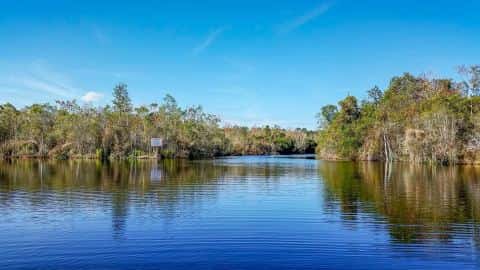
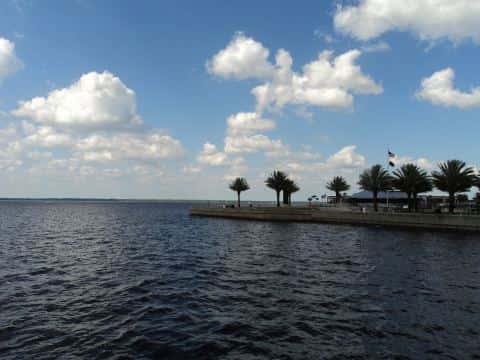
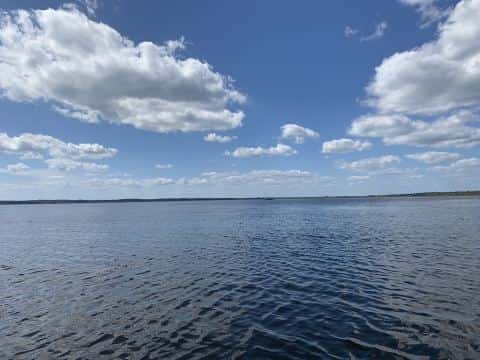
Lake Eustis is a 7,773-acre natural lake in Lake County, Florida, just north of Eustis and close to Tavares. It's a key link in the Harris Chain of Lakes, connected by canals to Lake Harris, Lake Dora, and Lake Griffin, and offers year-round fishing for bass, stripers, crappie, catfish, and panfish. You’ll want a boat to cover water efficiently, but there’s also a public fishing pier and several ramps. For day one, launch at the Eustis Lakeshore Drive Public Boat Ramp and work the deeper mid-lake drops or the weed edges on the west shore for bass and stripers.
Positioning: Lake Eustis vs. Harris Chain Alternatives
Lake Eustis stands out for its easy access, big open water, and direct connections to the rest of the Harris Chain. Compared to Lake Harris, Eustis is smaller and less pressured but still offers strong bass and striper action. If you want more shoreline cover and bigger tournaments, Harris is the draw. For a quieter trip with good ramps and a shot at both largemouth and hybrid stripers, Eustis is a solid pick.
Target Species and How to Fish Them
Largemouth Bass
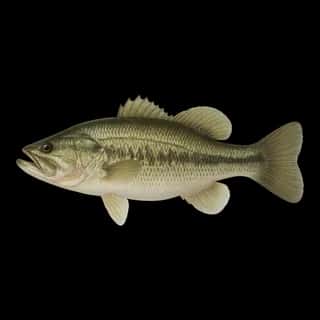
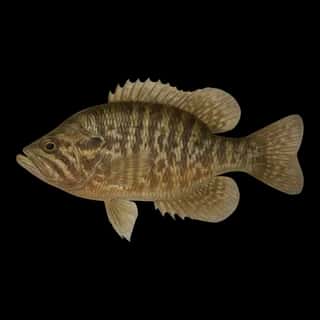
Fish the shallow weed edges, submerged points, and fallen trees along the west and north shores, especially near the mouths of canals and around the Trout Lake Canal. The bite peaks in January, February, July, and August, with good action in March, June, and September. Bass here are driven by water temperature and light—look for them to feed hardest at dawn and dusk, especially as the water warms into the 65–85°F range. Use plastic worms (Texas rig), crankbaits, and spinnerbaits, focusing on shallow cover early and moving deeper as the sun rises. Midday slows down, but you can still pick up fish by flipping tight to cover or working deeper drop-offs.
Striped Bass
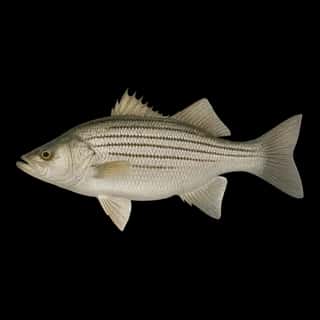
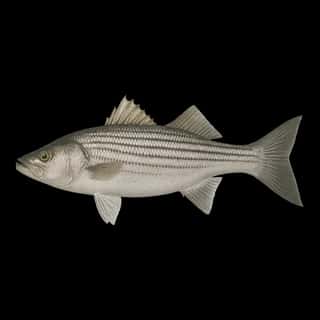
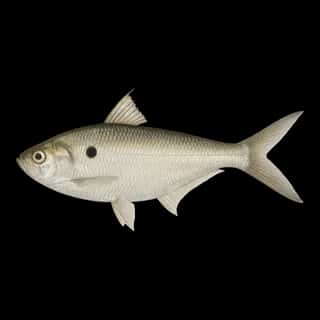
Target stripers near submerged rocks, main-lake points, and drop-offs—especially in the deeper bands from 11 to 16 feet in the central basin. The best months are May, June, and July, with good fishing in March, April, and August. Striped bass feed aggressively as water temperatures climb from 60 to 75°F and when baitfish are present. Throw swimbaits, topwater plugs, or live shad on medium to heavy tackle. Early morning and late afternoon are prime, but stripers will also hit during the day when bait is active.
Black Crappie (Speckled Perch)
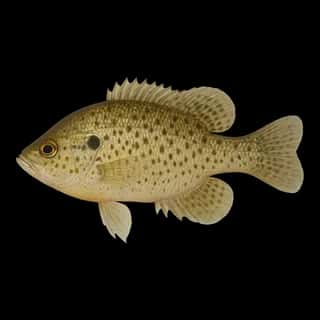
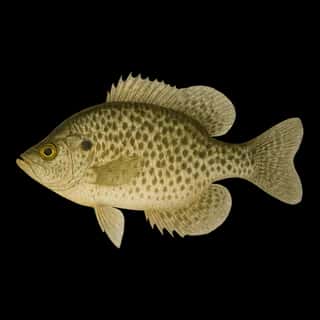
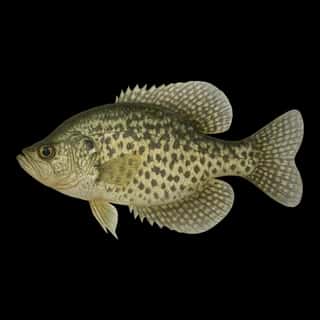
Crappie hold around submerged brush piles, docks, and the edges of weed beds, especially near the Trout Lake Canal and along the east shore. The top bite is April through June, with good action in March and July. They feed best when water temperatures are between 65 and 75°F. Use slip bobbers with live minnows or bright jigs on light tackle, focusing on shallow areas during the spawn and moving deeper as summer heats up. Early morning and dusk are best.
Sunshine Bass (Hybrid Striped Bass)
Look for sunshine bass near points, drop-offs, and submerged structure, especially in the 10–16 foot range. April through July is peak season, with good fishing in March and August. These hybrids feed hard at dawn and dusk when the water is 70–80°F. Swimbaits, jigs, and topwater lures all produce, especially when baitfish are schooling.
Channel and White Catfish
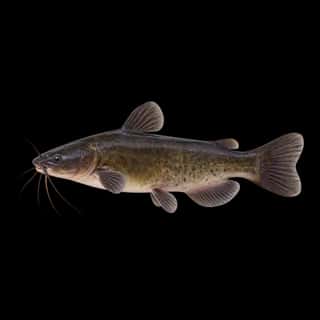
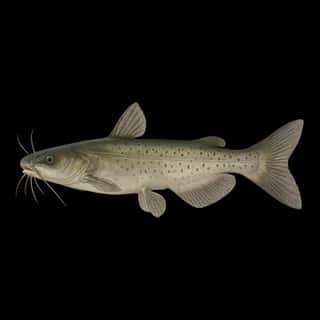
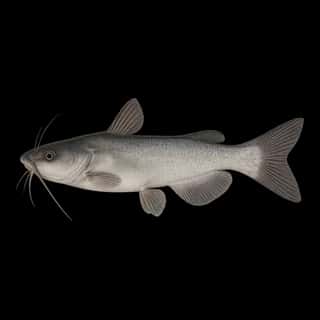
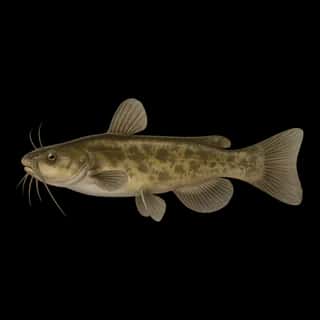
Catfish stack up near fallen trees, rocky banks, and deeper holes, especially in the north basin and along the old river channel. Channel cats bite best May through August, with good action in March, April, and September. White catfish peak June through September. Both species feed mostly at dusk and into the night. Use chicken liver, stink bait, or cut bait on slip sinker rigs, and let your bait sit on the bottom near cover.
Bluegill, Redear, Warmouth, Spotted Sunfish
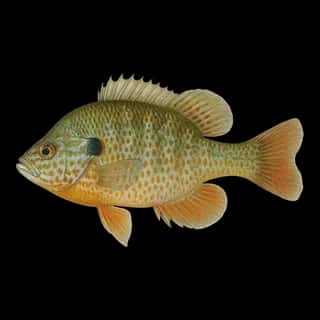
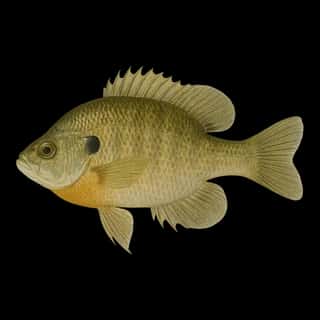
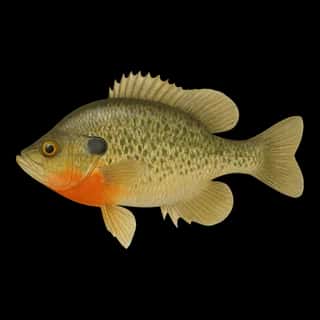
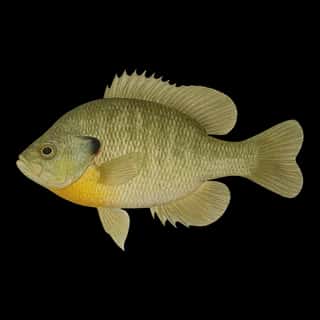
Bluegill and redear sunfish are thick around weed beds, docks, and shallow brush, especially on the north and west shores. Bluegill bite best March through August, with good fishing in February and September. Redear, warmouth, and spotted sunfish follow a similar pattern, with peak action in spring and early summer. Use worms, crickets, or small jigs under a bobber, and fish near cover at dawn or dusk.
Chain Pickerel
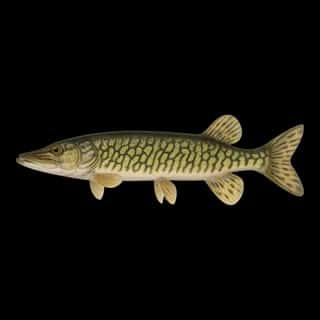
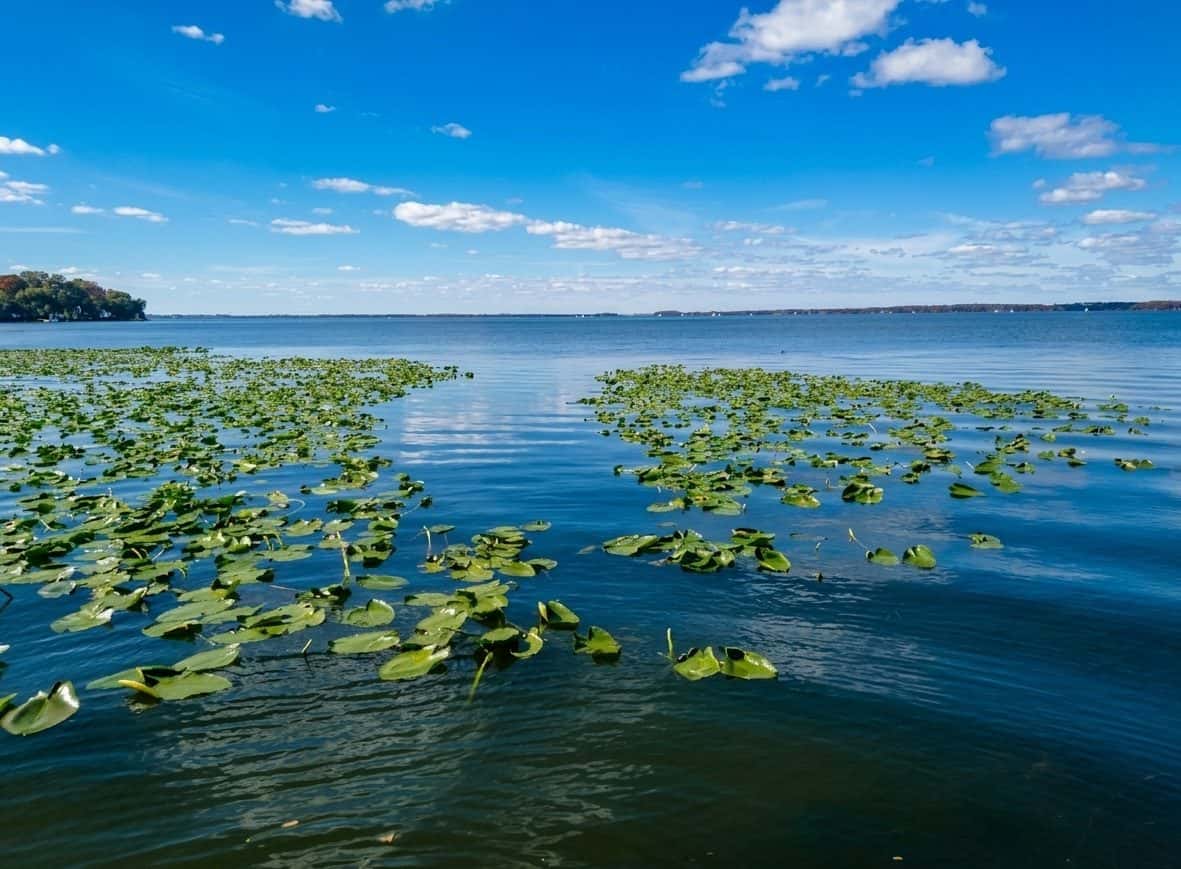
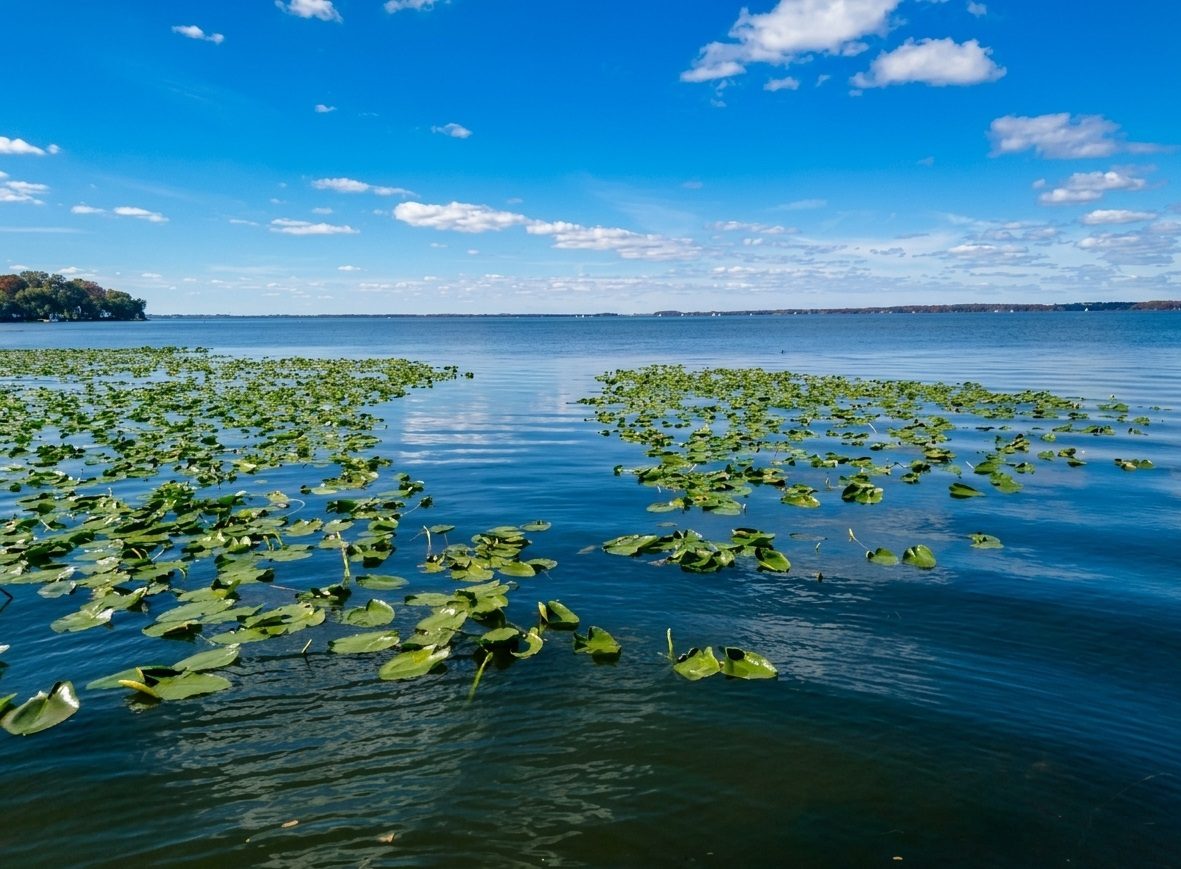
Pickerel hunt along weed edges, lily pads, and submerged structure from March through October. Cast spinnerbaits, crankbaits, or live minnows along the edges of vegetation, especially on the east and south shores. They’re aggressive all day, but early and late are best.
Bycatch and Other Species
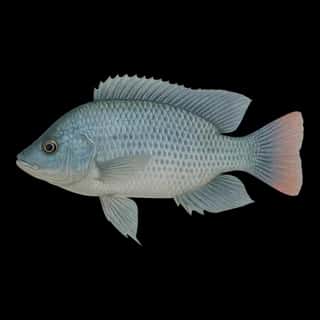
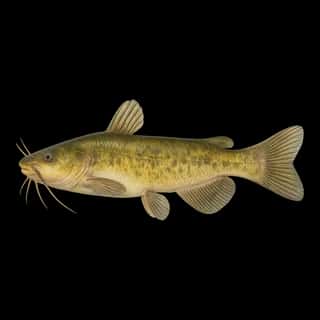
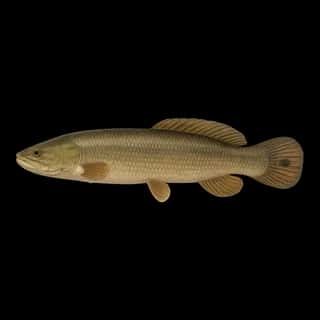
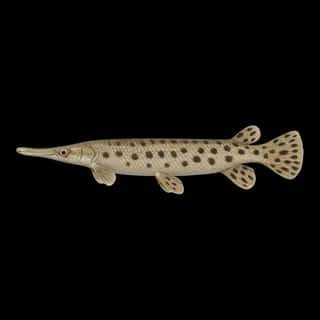
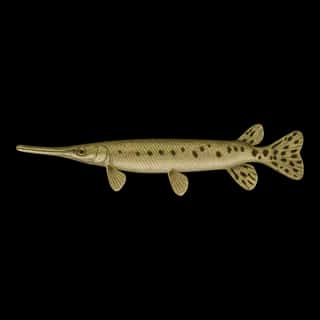
You’ll also run into bowfin, yellow bullhead, and blue tilapia (nonnative—see regulations).
Best Fishing Spots
- Mid-Lake Drop-Offs: The central basin holds deeper water (11–16 feet) and is a prime area for stripers, sunshine bass, and summer bass. Drift live shad or troll swimbaits along the drop-offs.
- Trout Lake Canal Mouth: Where the canal enters Eustis, you’ll find crappie, bluegill, and bass, especially during spring and early summer. Fish brush piles and weed edges with minnows or jigs.
- West Shore Weedlines: The west shore has thick vegetation and scattered fallen trees—work these edges for largemouth, bluegill, and pickerel, especially at first light.
- North Shore Points: Submerged points and rocky areas on the north end hold stripers and catfish, especially when baitfish are present. Cast swimbaits or soak cut bait here.
- Ferran Park Pier: The public pier in Eustis gives shore anglers a shot at bluegill, crappie, and the occasional bass or catfish. Early morning is best before boat traffic picks up.
Structure and Depth
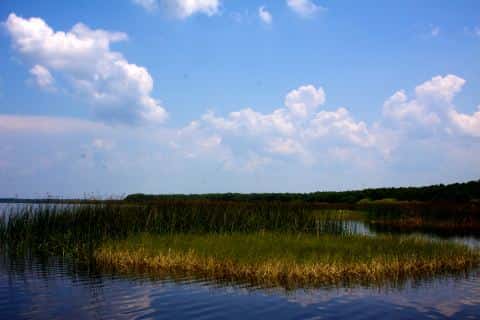
Lake Eustis is mostly 10–13 feet deep, with a central basin dropping to 19 feet. About 61% of the lake is between 10 and 13 feet, making it a mid-depth fishery with plenty of room for open-water tactics. Shallow bands (0–7 feet) are limited, so weed edges and canal mouths concentrate fish, especially in spring. Submerged structure includes brush, fallen trees, and occasional rocky patches, especially on the north and west shores. Vegetation is thickest along the west and north edges, with open water dominating the middle.
Season-by-Season Breakdown
- Winter (Dec–Feb, 61–66°F): Largemouth bass move shallow and start staging for the spawn, especially in January and February. Bluegill and panfish slow down, but you can still pick up bass and the occasional striper on warmer days. Water is clearer, and boat traffic is lighter.
- Spring (Mar–May, 71–80°F): This is the best all-around window. Bass spawn in March and April, crappie move shallow to spawn April through June, and bluegill and redear start bedding. Striped and sunshine bass feed hard as water warms. Catfish action picks up in May. Book your trip for April or May for the most options.
- Summer (Jun–Aug, 84–87°F): Bass and stripers move deeper by midday, but dawn and dusk are strong. Catfish and bluegill bite well, especially at night or early morning. Water clarity drops, and algae can bloom, so adjust lure color and fish deeper structure. Boat traffic and storms increase—plan to fish early.
- Fall (Sep–Nov, 71–85°F): Water cools off, and bass and panfish move back toward the shallows. Striper and catfish action stays steady. October can be a transition month, but November brings good fishing with fewer crowds.
If you only get one trip, pick April or May for the best mix of bass, crappie, and panfish. Avoid December for crappie and panfish—action is slowest then.
Regulations
- Striped Bass: 20 striped, white, and sunshine bass (individually or in total), only 6 may be 24 inches or longer. Open year-round. Freshwater fishing license required unless exempt.
- Largemouth Bass: 5 black bass (all species combined), only one may be 16 inches or longer. No minimum length. Freshwater fishing license required unless exempt.
- Black Crappie: 25 crappie. No length limit. Open year-round. Freshwater fishing license required unless exempt.
- Bluegill, Redear, Warmouth, Spotted Sunfish, Flier, Redbreast: 50 panfish (aggregate). No length limit. Open year-round. Freshwater fishing license required unless exempt.
- Channel Catfish: No statewide bag or size limit, except as noted for individual Fish Management Areas. Freshwater fishing license required unless exempt. Check for area-specific rules before keeping catfish.
- Sunshine Bass: Included in the 20 striped/white/sunshine bass aggregate, only 6 may be 24 inches or longer. Open year-round. Freshwater fishing license required unless exempt.
- White Catfish: Not specifically listed—default to general freshwater rules. Freshwater fishing license required unless exempt.
- Nonnative species (Blue Tilapia, Sunshine Bass): Releasing or introducing any nonnative fish into Florida waters requires a permit from the Commission (Ch. 68-5, F.A.C.). No live nonnative fish, except variable platys and fathead minnows, may be transported for bait. Live specimens of Conditional and Prohibited nonnative species may not be possessed.
A Florida freshwater fishing license is required unless you qualify for an exemption. Non-resident short-term licenses are available. Regulations can change, so anglers should verify the current rules with the Florida Fish and Wildlife Conservation Commission before fishing.
Shore and Boat Access
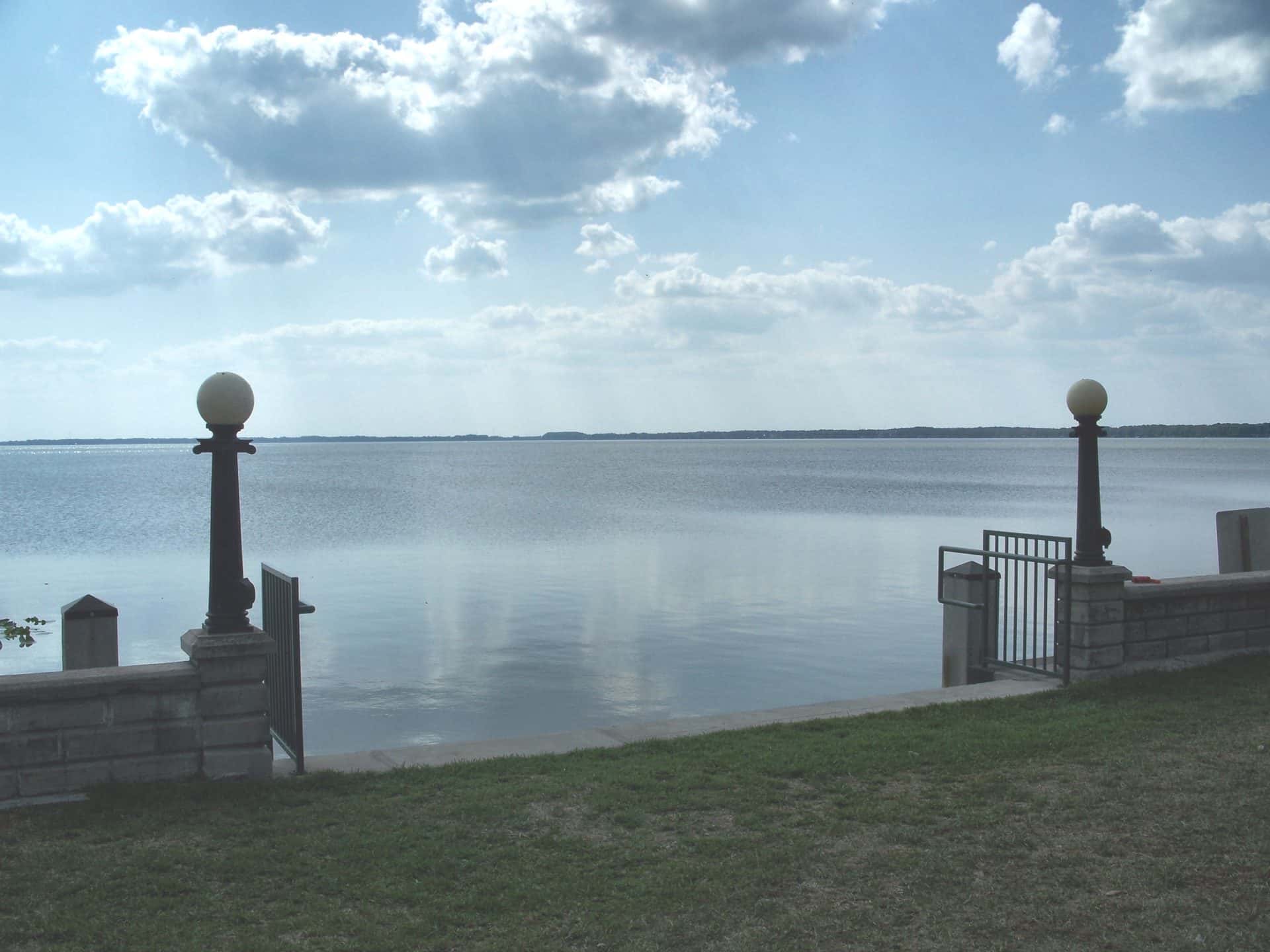
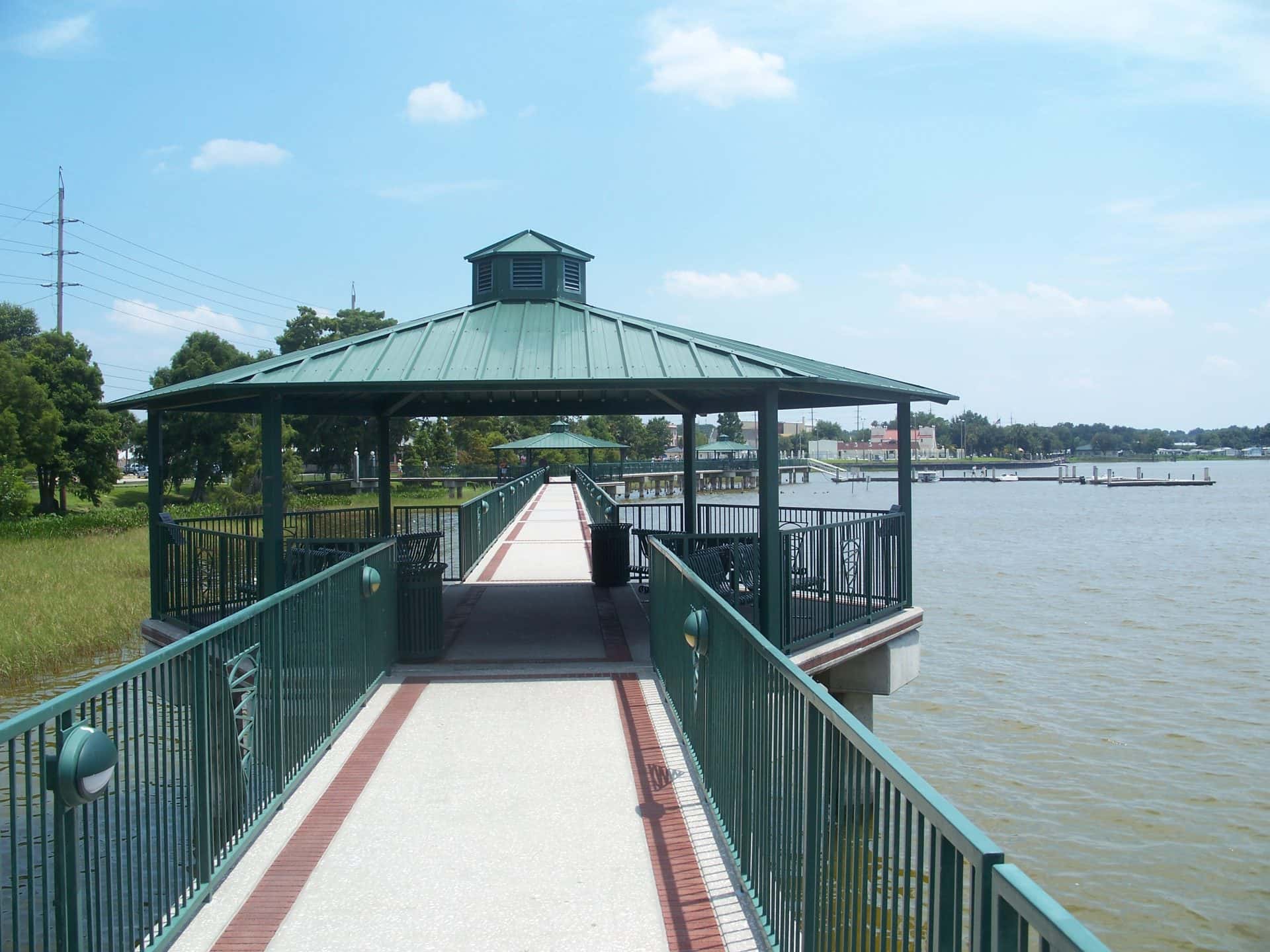
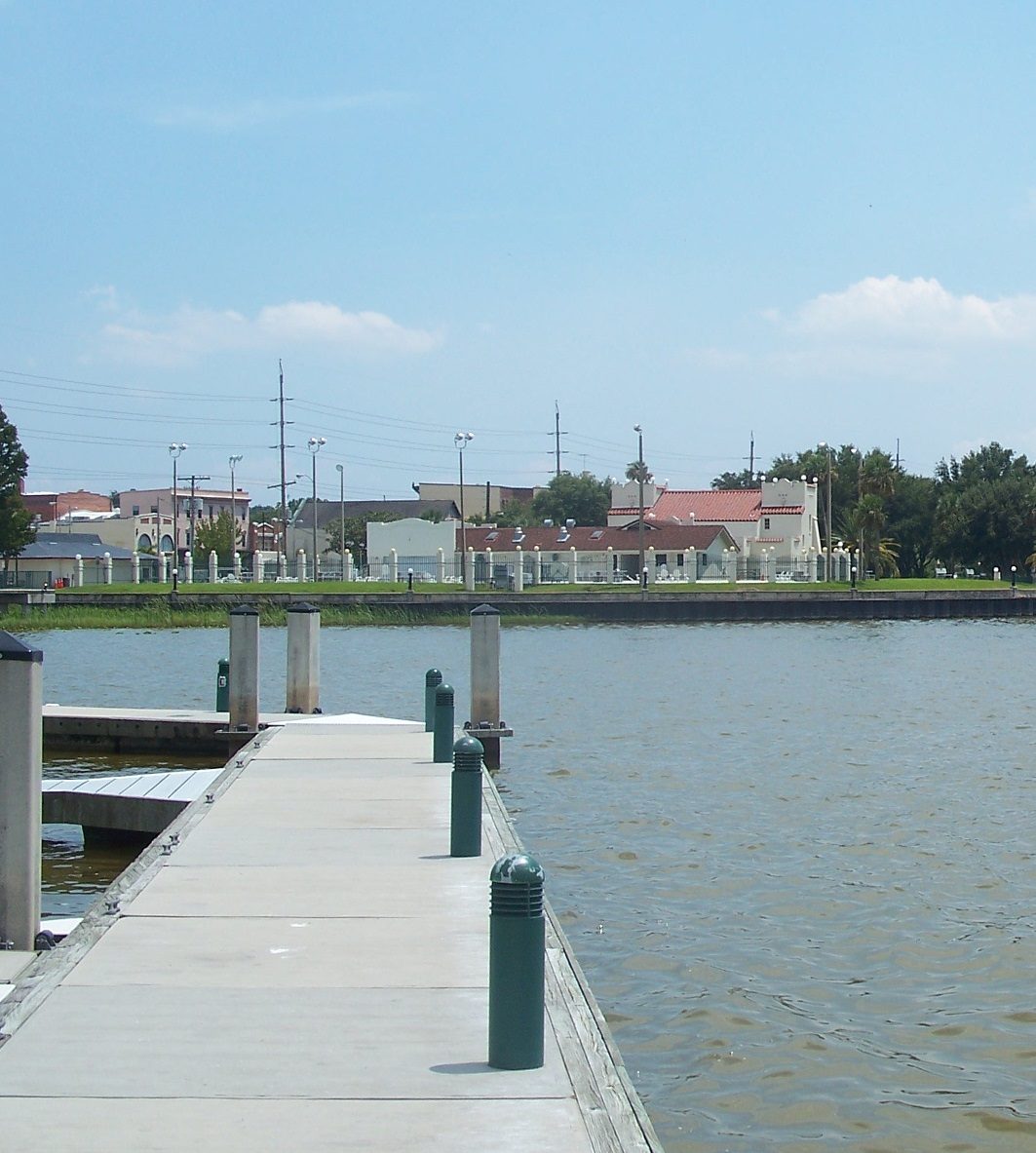
The main launch is the Eustis Lakeshore Drive Public Boat Ramp, with 9 concrete lanes, paved trailer parking for 11, a dock, and no launch fee. It’s open dawn to dusk and is the best choice for trailered boats. The Tavares Recreation Park ramp on the south shore has 2 lanes, paved parking for 50, a dock, and flush restrooms, and is open 24 hours. The Trout Lake Canal ramp is smaller, with 1 lane and limited parking, but gives quick access to the east side and canal. The Eustis Lakeshore Drive Wayside Park ramp has 1 lane, unpaved parking, and a portable restroom, but charges a fee. For shore anglers, Ferran Park in Eustis has a public fishing pier that puts you over deeper water. Most of the shoreline is developed or private, so bank access is limited outside the parks and ramps.
Trip Logistics
Base yourself in Eustis, just 2.5 miles from the lake, for the best access to ramps, bait, and supplies. Orlando Sanford International Airport is 30 miles away, and Orlando International is 39 miles. Live bait and tackle are available in Eustis and Tavares—call ahead if you want wild shiners, especially in spring. Lodging options include hotels, vacation rentals, and RV parks in Eustis and Tavares. Book early for spring, as this is the busiest season for both fishing and tourism.
Ecology
Lake Eustis water quality is variable. The average clarity is 5.8 feet, but it can drop to 0.3 feet during algae blooms or spike to 5.8 feet after clear spells. Water temperatures run from 61°F in January to 87°F in August. On August 27, 2025, the water was 84°F with 3 feet of clarity—warmer and murkier than average. Algae blooms and low clarity are most common in summer, so adjust lure color and fish deeper if the water is off-color. The lake is home to the Lake Eustis pupfish, a state species of special concern—targeting this fish is not allowed.
What’s Hard About This Water
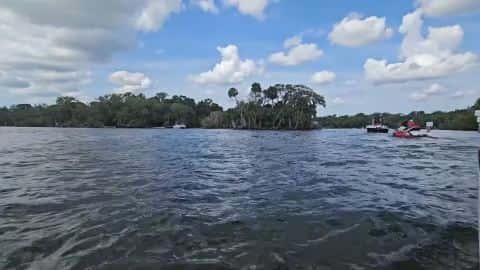
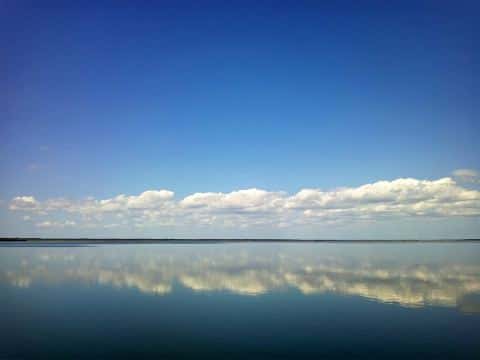
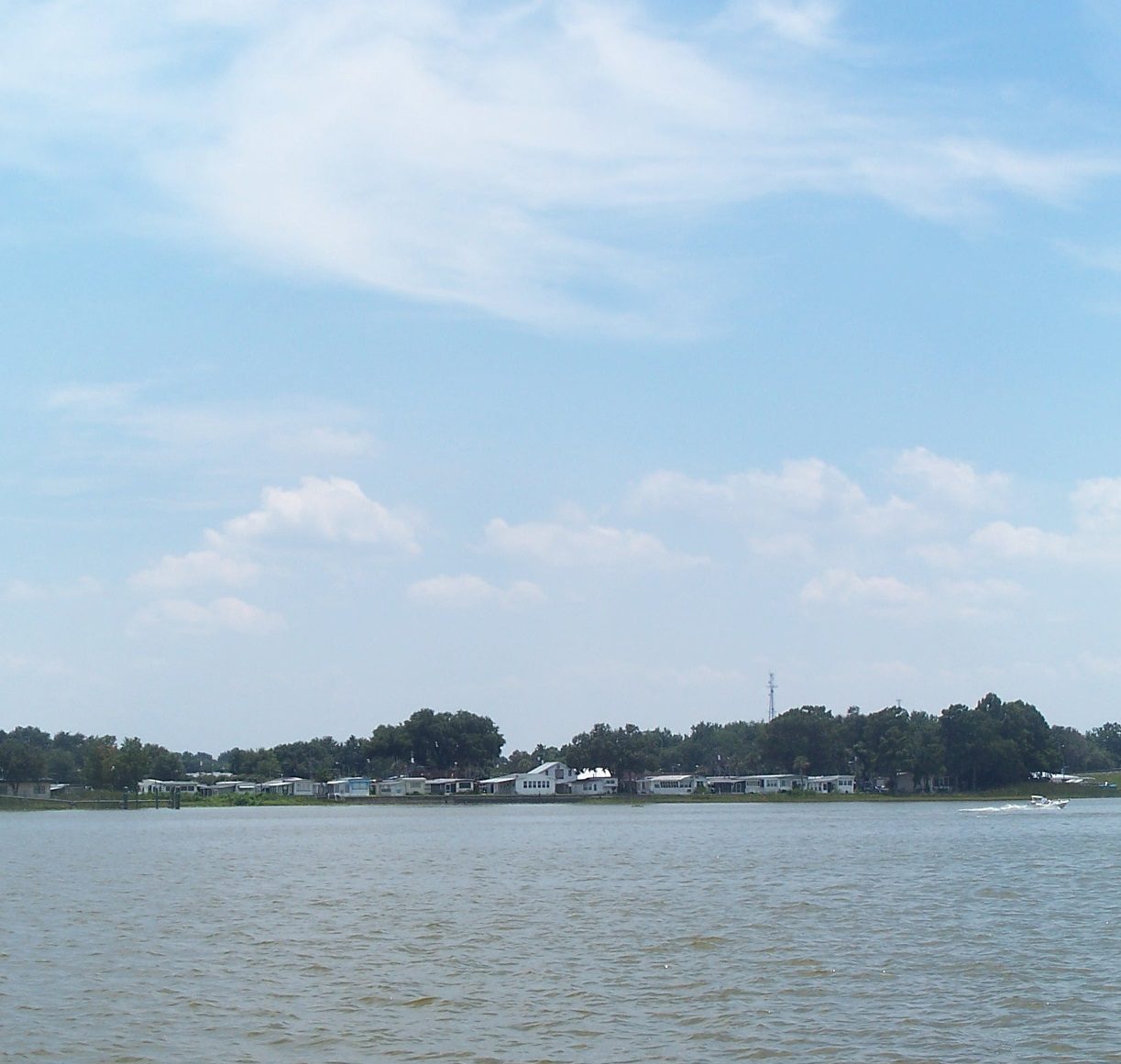
Lake Eustis is open and can get rough fast when the wind picks up, especially in summer. Shallow bars and weed mats can make navigation tricky for larger boats—watch your depth and carry a current chart. Most of the shoreline is private or developed, so shore fishing is limited to the public pier and park areas. Water clarity can drop sharply after storms or during algae blooms, making sight fishing tough. Boat traffic and pleasure craft increase on weekends and holidays—get out early for the best bite and less crowding.
Safety
Afternoon storms and lightning are common in summer—plan to be off the water by early afternoon. The open water can build a steep chop quickly when the wind blows, so small boats should check the forecast before launching. Alligators are present along the shoreline and in canals—use caution if fishing from the bank or wading near vegetation.
Pros and Cons
- Pros:
- Big ramps with easy access
- Strong bass and striper bite
- Connected to Harris Chain
- Public fishing pier at Ferran Park
- Cons:
- Limited shore access
- Wind can make it rough fast
- Water clarity drops in summer
Final Verdict
Lake Eustis is a solid pick for anglers after largemouth bass, stripers, crappie, and panfish in central Florida. The ramps are big and easy to use, but you’ll need your own boat to get the most out of the lake. Spring (April–May) is the best window for numbers and variety, while summer brings strong catfish and bluegill action. If you want a less crowded alternative to Lake Harris with good access and a shot at big bass and hybrid stripers, Eustis is worth the trip.