Lake Tohopekaliga Fishing Guide: Largemouth Bass, Striped Bass, Bluegill & Best Spots
Target Species and How to Fish Them
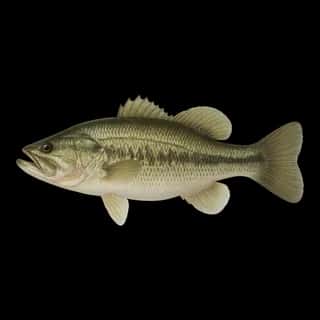
Largemouth Bass: Bass fishing is the main draw on Lake Tohopekaliga, with fish over 8 pounds caught regularly. The bite peaks in January, February, July, and August, with good fishing in March, June, and September. Bass here are most active when water temperatures run 65–85°F, which lines up with late winter through summer. Changes in water temperature and light levels drive the bite, so focus on dawn and dusk. Golden shiners are the top bait for big fish, but plastic worms (Texas rig), crankbaits, and spinnerbaits all work. When shad are busting on top, switch to topwater baits or lipless crankbaits. Fish feed throughout the day but early and late are best.
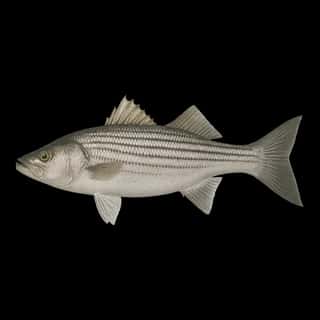
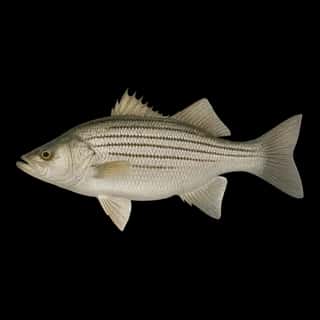
Striped Bass: Striped bass hold near submerged rocks, points, and drop-offs—look for structure and deeper water, especially around the old river channel and main-lake points. The best months are May, June, and July, with good action in March, April, and August. Striped bass feed when water temperatures are, and the bite is strongest during their spring and early summer feeding runs. Use live shad or herring, swimbaits, or topwater plugs. Early morning and dusk are prime times, but they’ll feed during the day when baitfish are present.
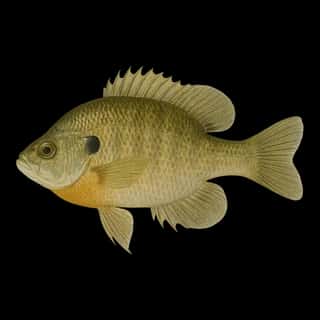
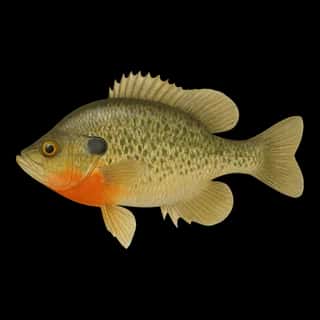
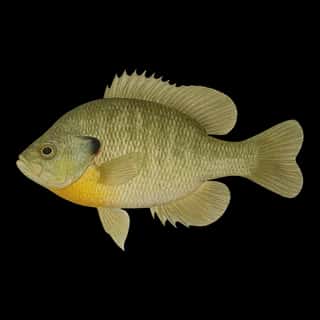
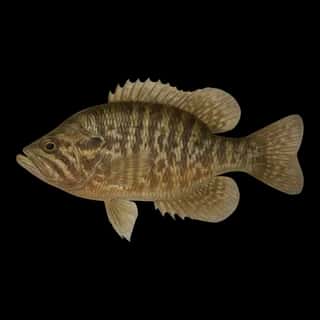
Bluegill: Bluegill stack up near fallen trees, weed beds, docks, and especially around the man-made attractors marked by white buoys. North and South Steer Beaches and Browns Point are top spots. The bite peaks March through August, with good fishing in February and September. Bluegill are most active, feeding at dawn, during the day, and at dusk. Use light tackle with worms, crickets, or small jigs under a bobber. Fish the edges of cover and shallow flats, especially during the spawn in late spring and early summer.

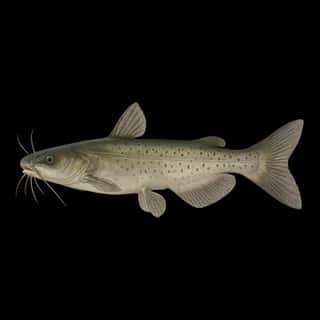
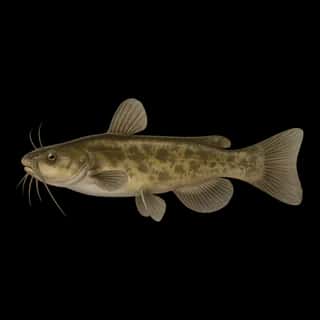
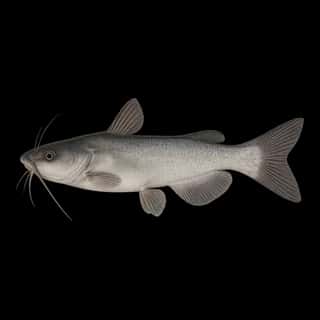
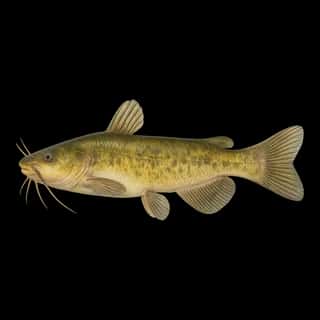
Channel Catfish: Catfish hang near fallen trees, rocky banks, and deeper holes. The best months are May through August, with good fishing in March, April, and September. Use a slip sinker rig with chicken liver, stink bait, or cut bait, and let it sit on the bottom near cover.
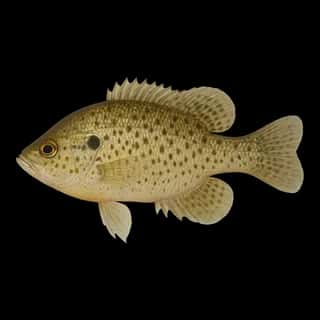
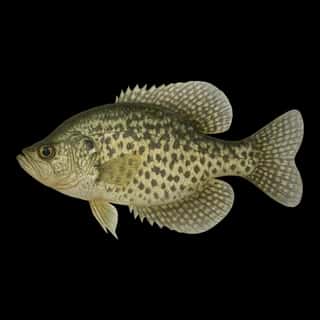
Black Crappie: Crappie (specks) are found near submerged brush piles, man-made attractors, and shallow areas during the spawn. April, May, and June are peak months, with good fishing in March and July. They bite best at 65–75°F, especially at dawn and dusk. Use light tackle with live minnows or bright jigs under a slip bobber.
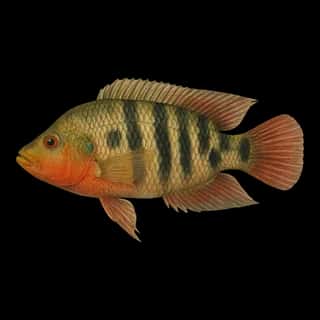
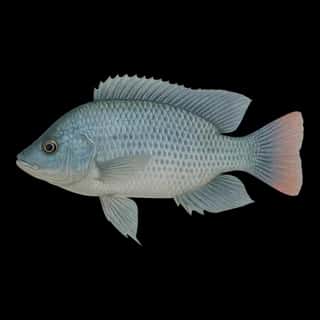
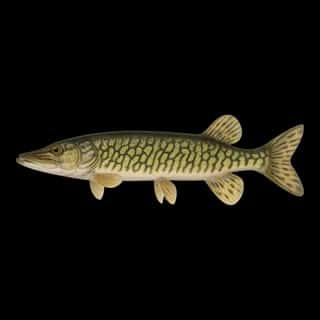
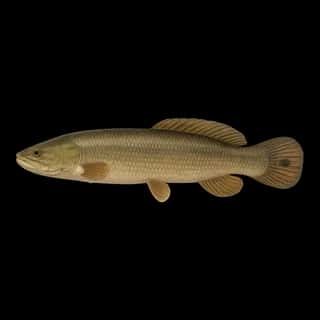
Other Species: Sunshine bass (hybrid striped bass) are most active April through July near submerged structure and drop-offs, hitting swimbaits, jigs, and topwater lures. Chain pickerel, white catfish, redear sunfish, and several other sunfish species are also here—target them near vegetation, brush, or structure with the usual baits and lures. Mayan cichlid and blue tilapia are nonnative and must not be released alive.
Positioning Against the Alternative
Lake Tohopekaliga (Lake Toho) is the top bass lake in Osceola County and a major Florida destination, especially for trophy bass. Compared to East Lake Tohopekaliga and Cypress Lake, Toho offers more acreage (18,627 acres), deeper water (up to 17 feet), and more developed access, including a 6-lane ramp and marina in Kissimmee. If you want numbers of big bass, Toho is the better pick; for less pressure and a quieter trip, East Lake or Cypress Lake may suit you better, but they don’t produce the same trophy fish or have as many ramps and piers.
Where to Fish: Spots, Structure, and Depth
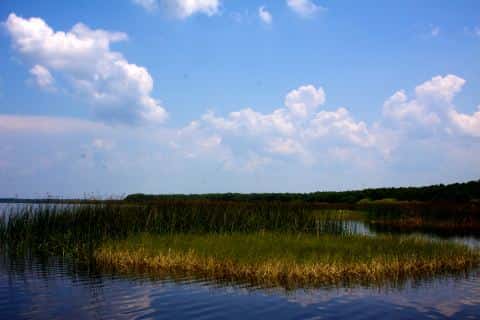
Lake Toho is a shallow Florida lake, with most water between 3 and 11 feet deep. The old river channel and main-lake points are the only places over 11 feet, and these hold fish when the water heats up or after a front. Key spots include:
- Goblets Cove: Shallow cover, grass edges, and spawning flats for bass in winter and spring.
- South Steer Beach: Bluegill and bass on the edges of hydrilla and near attractor buoys.
- Lanier and Browns Points: Bass and panfish hold on point structure and nearby vegetation.
- Man-made Attractors: Marked by white buoys, these hold bluegill, crappie, and other panfish year-round.
- Moving Water After Storms: Any inflow or canal mouth with current draws fish, especially in summer.
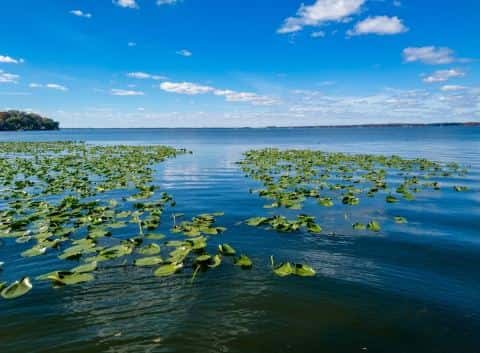
Most of the lake is 3–11 feet deep, with only a small area over 11 feet (about 325 acres). The bottom is mostly firm with areas of hydrilla, eelgrass, and scattered brush. When the water is low or hot, fish stack in deeper holes and along the channel. In spring and early summer, they move shallow to spawn and feed.
Season-by-Season Breakdown
- Winter (Dec–Feb, 64–68°F): Trophy bass move shallow to spawn, especially January and February. Bluegill and crappie slow down but can be caught in deeper water or near attractors. Striped bass action is slow but picks up as water warms.
- Spring (Mar–May, 68–76°F): Bass spawn continues into March, then fish feed up post-spawn. Bluegill and redear sunfish start bedding in April and May. Crappie bite is strong in April and May. Striped bass and sunshine bass get active as water hits.
- Summer (Jun–Aug, 85–87°F): Bass feed early and late, moving deeper or into thick grass during the day. Striped bass, sunshine bass, and catfish are all active, especially in deeper holes and around moving water after storms. Bluegill and panfish are at their peak. Mayan cichlid bite is best July–October.
- Fall (Sep–Nov, 79°F in October): Bass and panfish feed up as water cools. Striped bass and sunshine bass bite well in September and October. Mayan cichlid and other warmwater species stay active until water drops below 75°F. By December, the bite slows and fish move deeper.
The single best window for trophy bass is January through March. Summer brings the most action for numbers, but you’ll need to fish early or late to beat the heat. Avoid December if you want steady action—most species slow down as water cools to the low 60s.
What is Hard About This Water
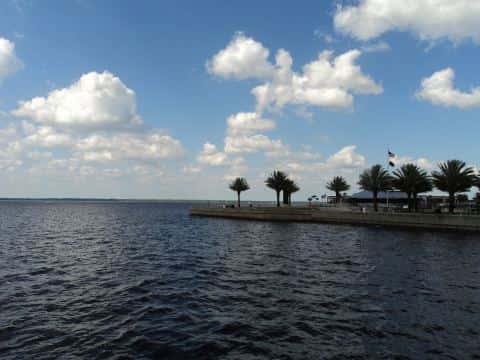
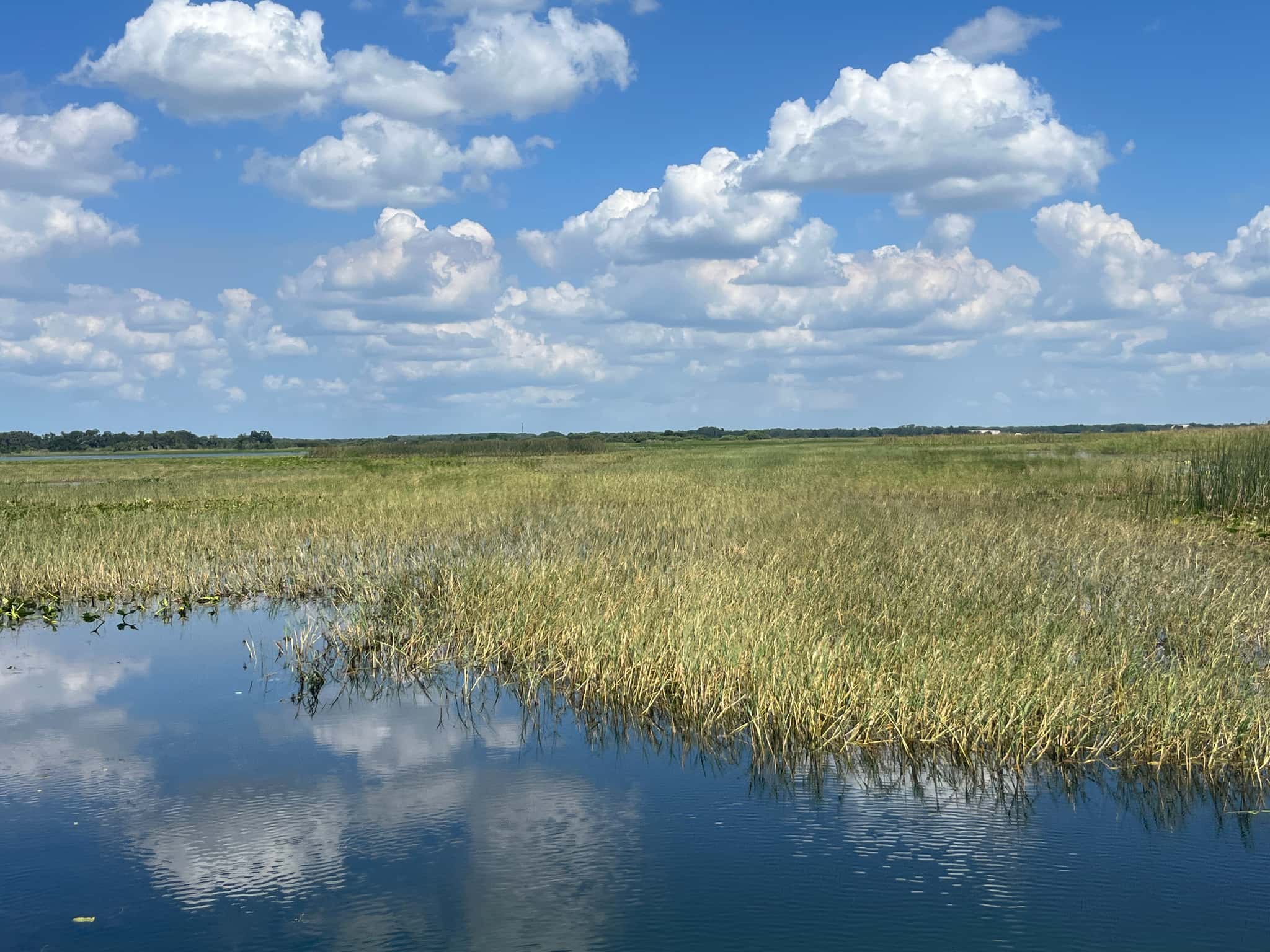
Lake Toho is wide open and shallow, so wind can build a steep chop fast—especially in spring and summer. Small boats can get pushed around or swamped if the wind picks up. Water clarity changes a lot, dropping after storms or with heavy runoff, which can make sight fishing tough. Shore access is limited outside the main parks and piers, and much of the shoreline is private or marsh. Summer heat is intense, and the mid-day bite slows down. Some ramps fill up early on weekends and tournament days, so plan to arrive before sunrise if you want a spot.
Getting on the Water: Ramps, Piers, and Access
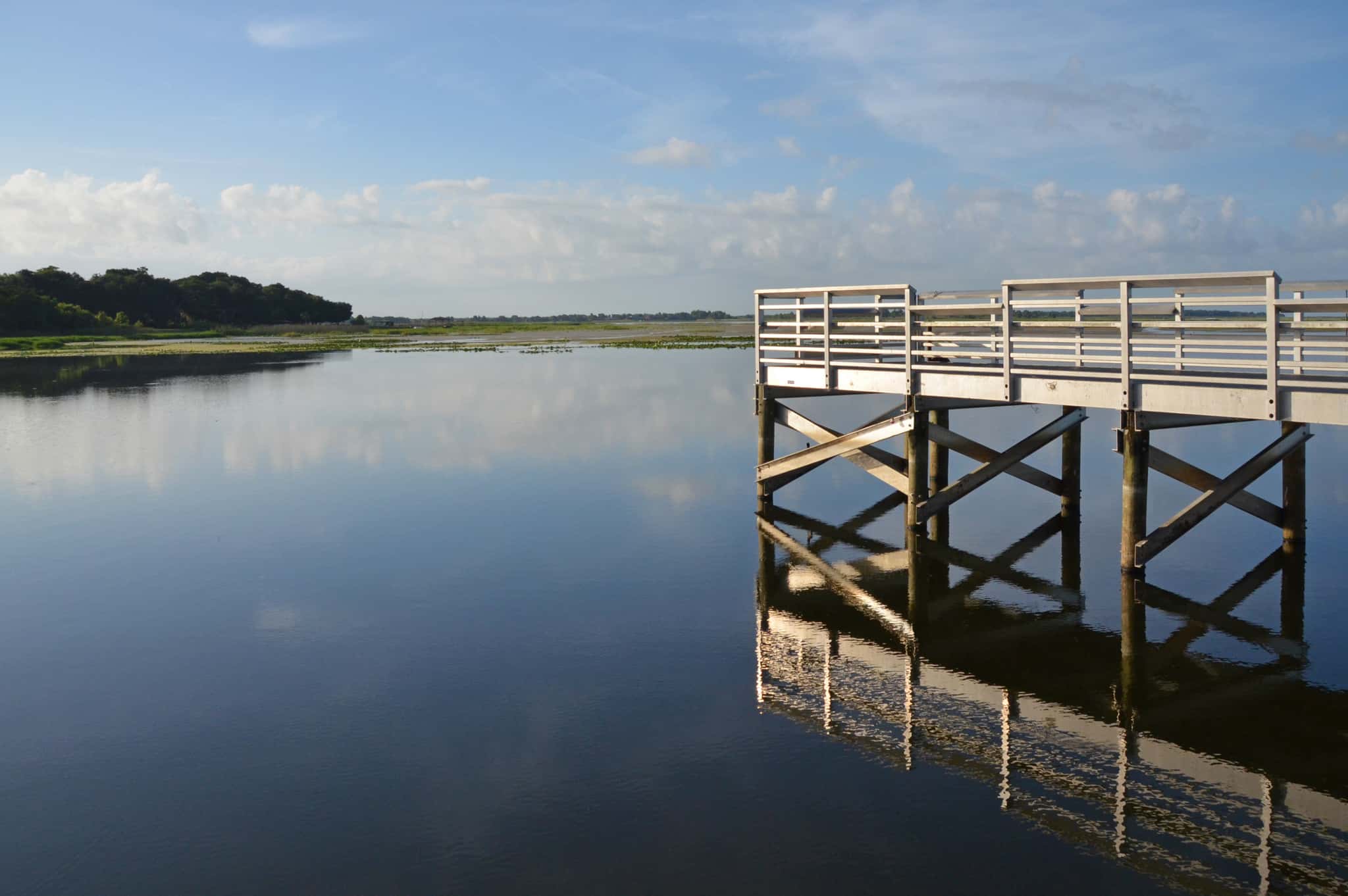
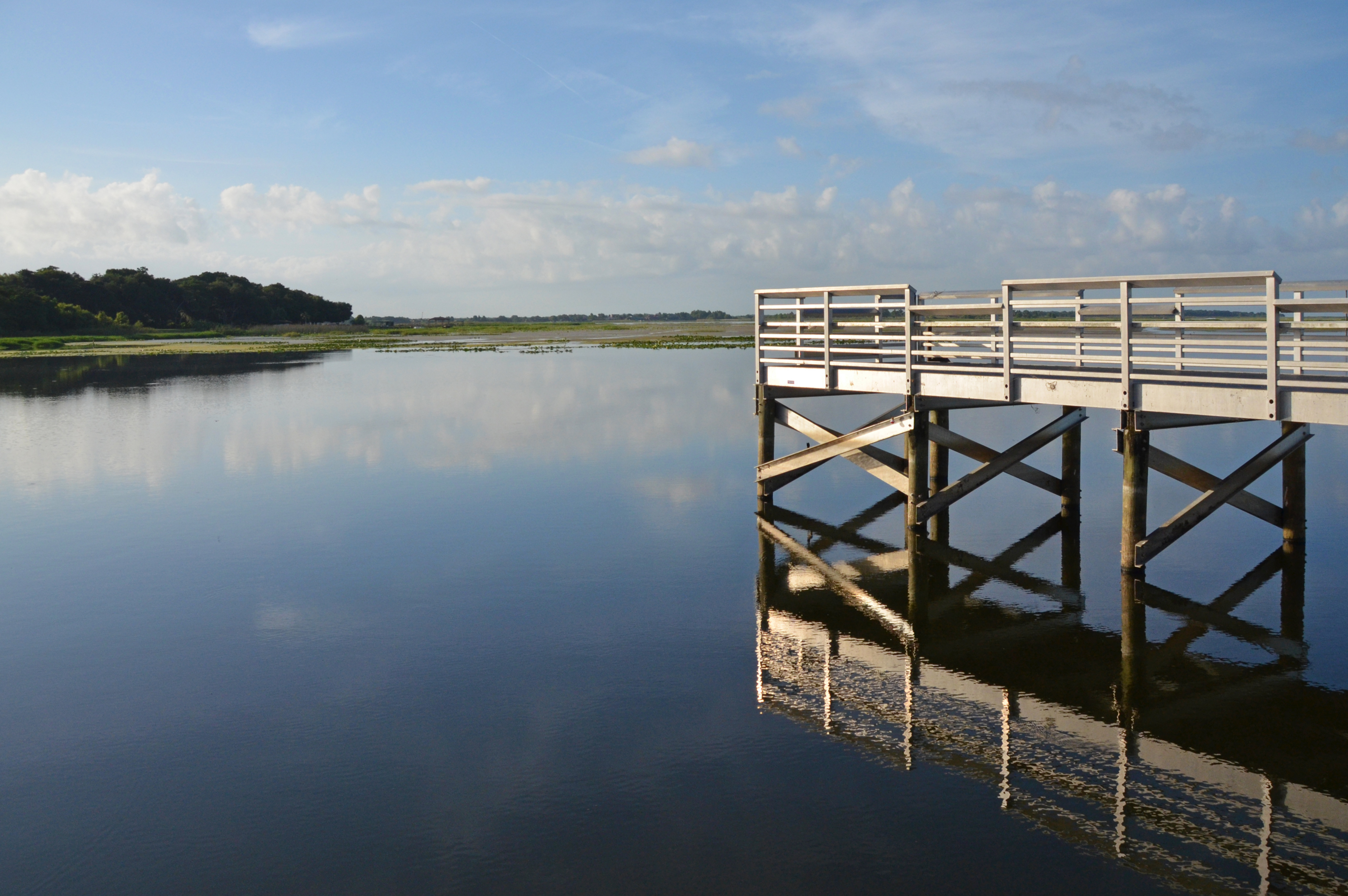
It’s the best choice for trailered boats and tournament launches. St. Cloud - Lakefront Park Boat Ramp and Southport Park Public Boat Ramp both have 3 lanes and good access. Granada Public Boat Ramp and Whaley’s Landing Public Boat Ramp are smaller but offer concrete lanes and docks. Several private ramps (Lake Toho Resort, Richardson’s Fish Camp) are available for a fee. Canoe and kayak launches are at Cherokee Point, Tupperware Island, Scotty’s Cove, and Twin Oaks Conservation Area—these have docks and unpaved parking, with daylight hours only. Sexton Park Public Boat Ramp is temporarily closed.
Shore fishing is possible at city parks and conservation areas, but much of the shoreline is private or marshy.
Some ramps charge a fee, especially those with concrete lanes and larger parking lots. Hours vary—most public ramps are open daylight hours, but Whaley’s Landing is listed as always open. Restrooms are available at the main ramps and parks.
Water and Conditions
Lake Toho averages 7 feet deep, with a max of 17 feet. Most of the lake is between 3 and 11 feet. Water clarity is highly variable—average Secchi depth is 7.2 feet, but readings range from 1 to 9.4 feet. On August 21, 2025, the water was 88°F (above normal) and clarity was 2.6 feet (below normal), showing how much the lake can change with weather and runoff. Turbidity is usually low but can spike after storms. The water is slightly alkaline (pH 7.8 on average), with good dissolved oxygen. Vegetation includes hydrilla, eelgrass, and scattered brush, with man-made attractors for panfish. After summer storms, moving water at canal mouths and inflows draws fish, especially in hot weather.
Safety
Wind can make the open lake rough fast, especially for small boats. Watch for sudden storms in summer—lightning is a real risk. If you’re fishing from shore or wading in shallow areas, be alert for alligators, especially near vegetation and marsh edges. Always check the weather before heading out and carry plenty of water in the summer heat.
Regulations
- Largemouth Bass: No minimum length. Bag limit is 5 black bass (including largemouth), only one of which may be 16 inches or longer in total length. The 5-fish limit is an aggregate across all black bass species.
- Striped Bass, Sunshine Bass: 20 striped, white, and sunshine bass (individually or in total), only 6 may be 24 inches or longer. Open year-round.
- Bluegill, Redear Sunfish, Warmouth, Redbreast Sunfish, Spotted Sunfish: No length limit. Bag limit is 50 panfish (aggregate of listed sunfish species). Open year-round.
- Black Crappie: No statewide length limit. Bag limit is 25 crappie (speckled perch). Open year-round.
- Channel Catfish: No statewide bag or possession limit, except as noted in individual Fish Management Area regulations.
- Nonnative Species (Sunshine Bass, Mayan Cichlid, Blue Tilapia): Releasing or introducing any nonnative fish into Florida waters requires a permit from the Commission (Ch. 68-5, F.A.C.). No live nonnative fish, except variable platys and fathead minnows, may be transported to or between waters for use as bait. Live specimens of Conditional and Prohibited nonnative species may not be possessed.
- License: A Florida freshwater fishing license is required unless exempt. Separate freshwater and saltwater licenses are issued. Non-resident short-term options exist—buy your license before you leave home.
Regulations can change, so anglers should verify the current rules with the Florida Fish and Wildlife Conservation Commission before fishing.
Pros and Cons
- Trophy bass fishery
- Multiple ramps and piers
- Good access for boats and kayaks
- Man-made attractors for panfish
- Wind can make open water rough
- Shore access is limited in some areas
- Summer heat slows mid-day bite
- Some ramps charge a fee
Final Verdict
If you want a shot at trophy largemouth bass in Florida, Lake Toho is a top pick—especially January through March. Striped bass, sunshine bass, and panfish add variety, and the lake has enough ramps and piers to suit both boaters and shore anglers. Plan for variable water clarity and bring a range of baits, from live shiners to jigs and topwater plugs. Summer brings numbers, but fish early or late to beat the heat and wind. Shore access is best at city parks and piers; for serious fishing, a boat gives you the edge. Book your trip for the late winter or spring spawn if you want your best shot at a giant bass.