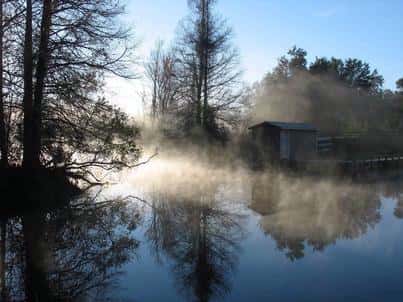
Lake Griffin Fishing Guide: Largemouth Bass, Striped Bass, Crappie & Best Spots
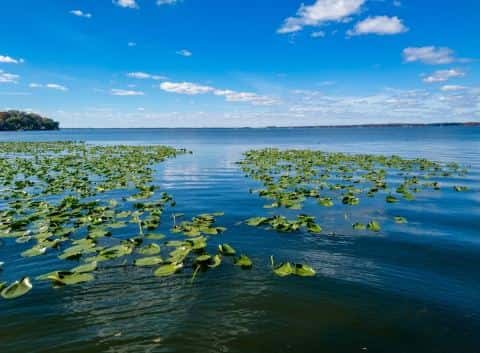
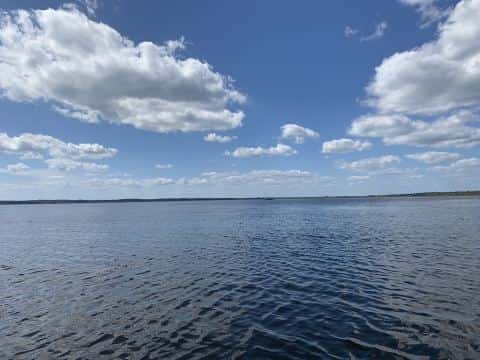
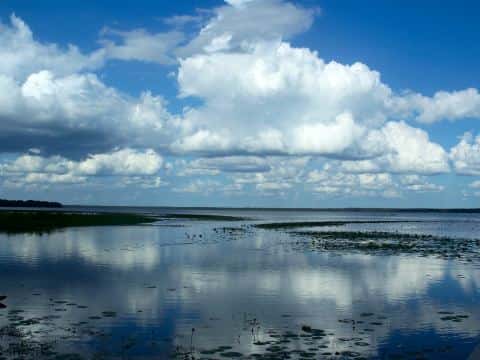
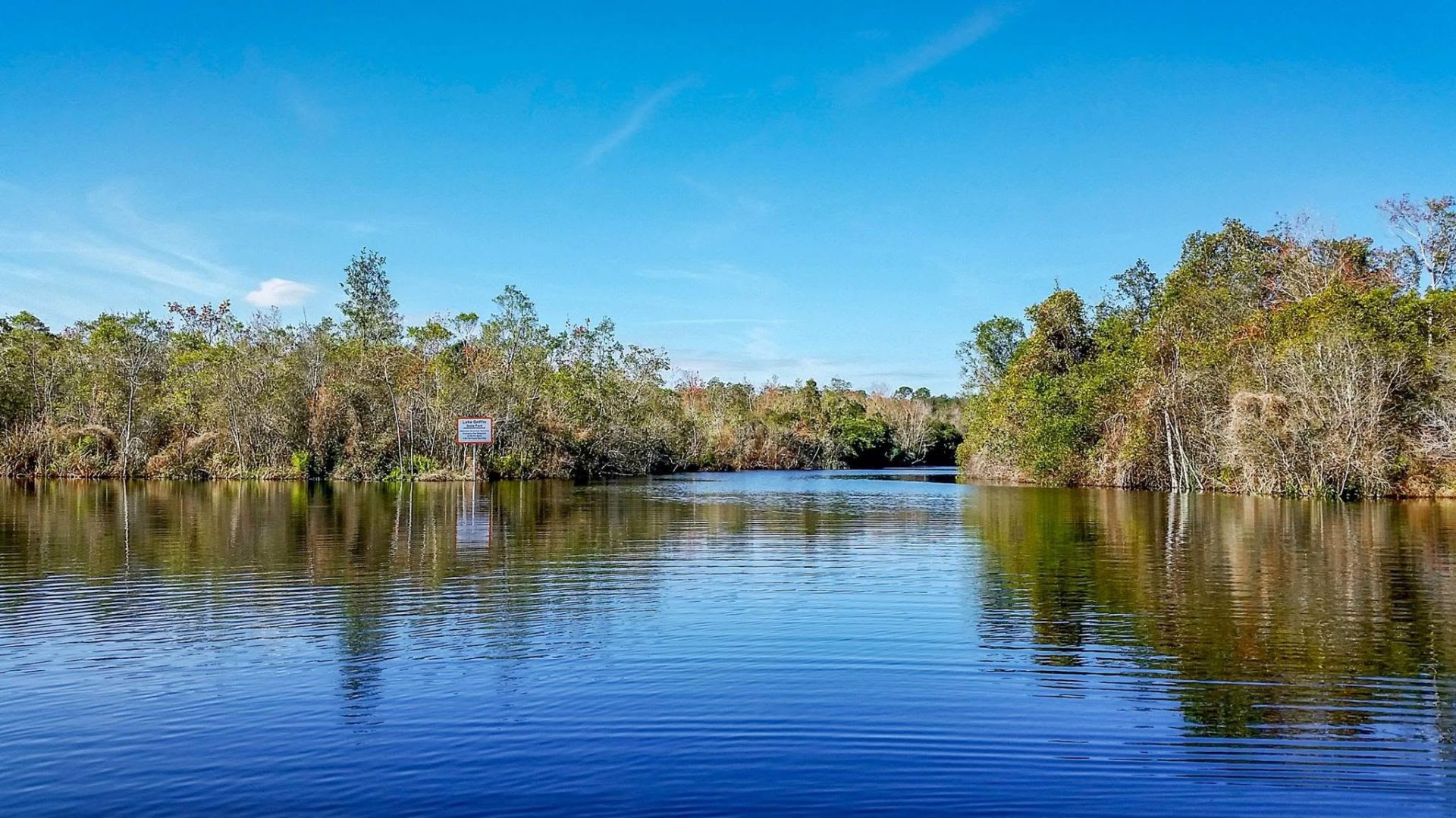
Lake Griffin is a 9,473-acre lake in Lake County, Florida, known for its shallow water, abundant vegetation, and healthy populations of largemouth bass, striped bass, black crappie, and panfish. The best fishing runs January through July, with the trophy bass bite peaking in winter and early spring. You’ll want a boat to reach the best water, but there’s also a public pier and some bank access.
Positioning: Lake Griffin vs. the Harris Chain
Lake Griffin sits at the north end of the Harris Chain of Lakes, just outside Leesburg. Compared to Lake Harris and Lake Eustis, Griffin is shallower and less pressured, with more consistent weed beds and less boat traffic. The bass and crappie fishing can be just as good, especially in winter, but you’ll find fewer big tournaments and a quieter scene. If you want easy access and a shot at both largemouth and stripers, Griffin is a strong pick. For more open water and bigger crowds, Harris is the alternative.
Target Species and How to Fish Them
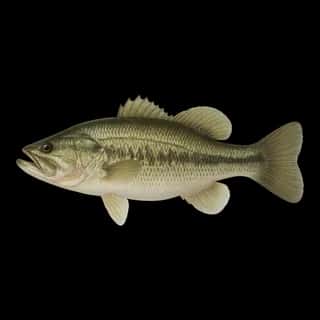
Largemouth Bass
Fish shallow cover like weed edges, fallen trees, and rocks, especially along the west and north shores. The best bite is January, February, July, and August, with good action in March, June, and September. Bass here feed hard when water temperatures rise or fall and during low-light periods. Throw plastic worms (Texas rig), crankbaits, or spinnerbaits right up against cover. Early morning and late afternoon are prime, but you can get bit all day when the weather is stable.
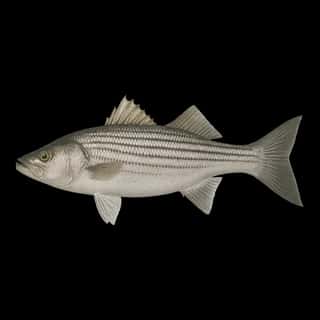
Striped Bass
Target submerged rocks, points, and drop-offs, especially near the Dead River and the deeper cuts on the north end. The top months are May, June, and July, with good fishing in March, April, and August. Striped bass turn on when the water is 60–75°F and baitfish are moving. Use live shad or herring if you can get them, or cast swimbaits and topwater plugs. Dawn and dusk are best, but stripers will feed during the day if bait is present.
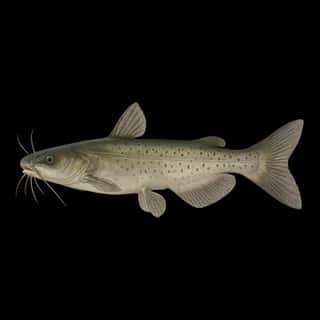
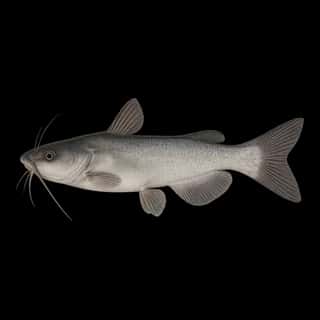
Channel Catfish
Look for channel cats near fallen trees, rocky banks, and deeper holes, especially in summer. The bite peaks May through August and stays good in March, April, and September. Catfish feed most at dusk and after dark, especially when the water is warm. Use chicken liver, stink bait, or cut bait on a slip sinker rig. Night fishing is your best shot at bigger fish.
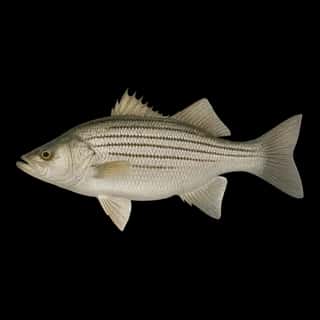
Sunshine Bass (Hybrid Striped Bass)
Fish submerged structure, points, and drop-offs, especially in spring and early summer. The best months are April through July, with some action in March and August. Sunshine bass are aggressive when the water hits 70–80°F, especially at dawn and dusk. Use swimbaits, jigs, or topwater lures on medium to heavy tackle.
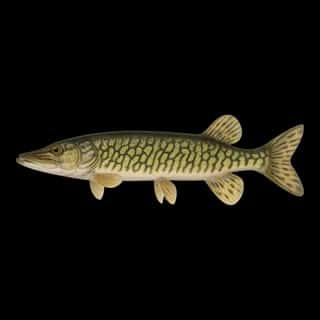
Chain Pickerel
Cast spinnerbaits, crankbaits, or live minnows near vegetation, submerged wood, and lily pad edges. March through October is the main window, with pickerel most active when the water is 60–75°F. They’ll hit throughout the day, especially when baitfish are around.
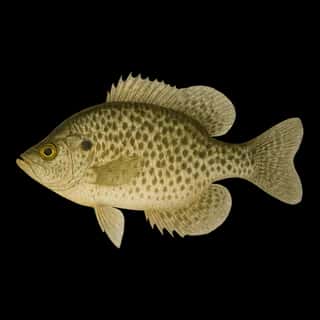
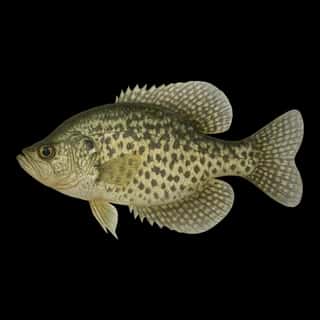
Black Crappie (Speckled Perch)
Work submerged brush piles, trees, and shallow spawning areas in spring. The bite peaks April through June, with some action in March and July. Crappie feed best when water is 65–75°F. Use light tackle with live minnows or small jigs under a slip bobber. Early morning and late afternoon are best.
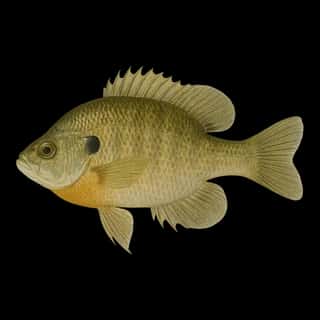
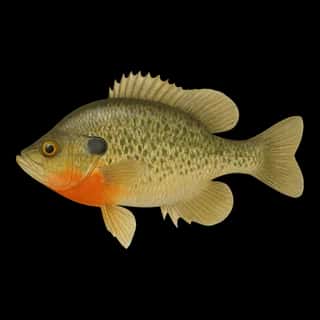
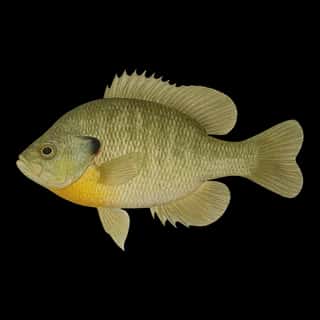
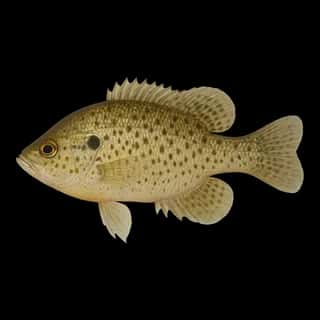
Bluegill, Redear, Warmouth, Redbreast Sunfish
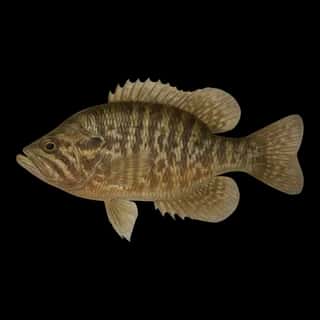
All four sunfish species are active from March through August, with bluegill peaking March–August, redear in May and June, warmouth March–June, and redbreast March–June. Fish shallow cover—fallen trees, weed beds, docks—with worms, crickets, or small jigs on light tackle. Early morning and late afternoon are best, but you’ll catch them all day when the water’s warm.
Other Species
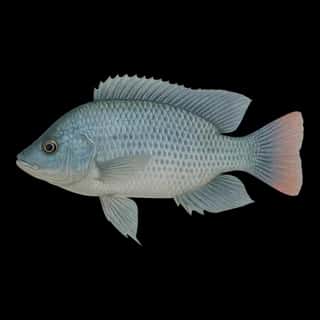
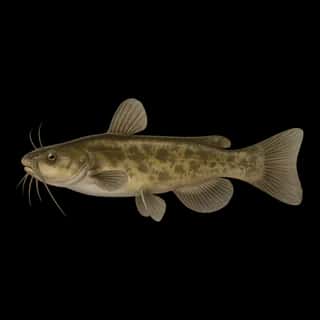
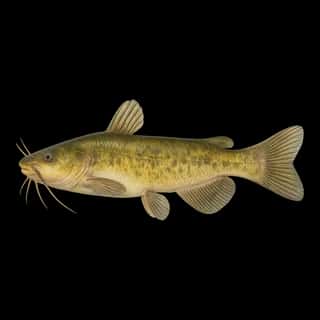
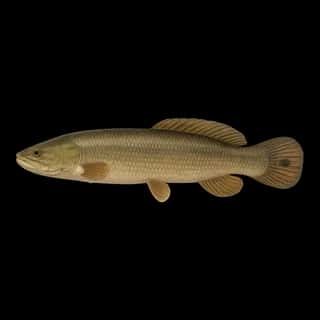
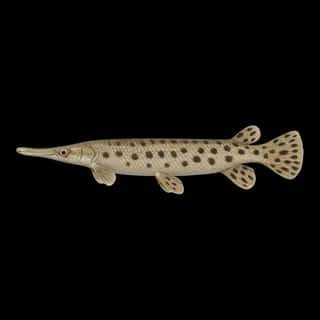
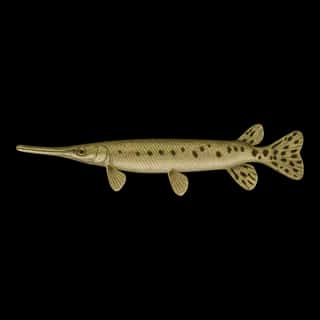
Brown bullhead, white catfish, flier, spotted sunfish, bowfin, Florida gar, longnose gar, yellow bullhead, and blue tilapia are present but mostly bycatch or bait. They’re not a reason to plan a trip here.
Best Fishing Spots on Lake Griffin
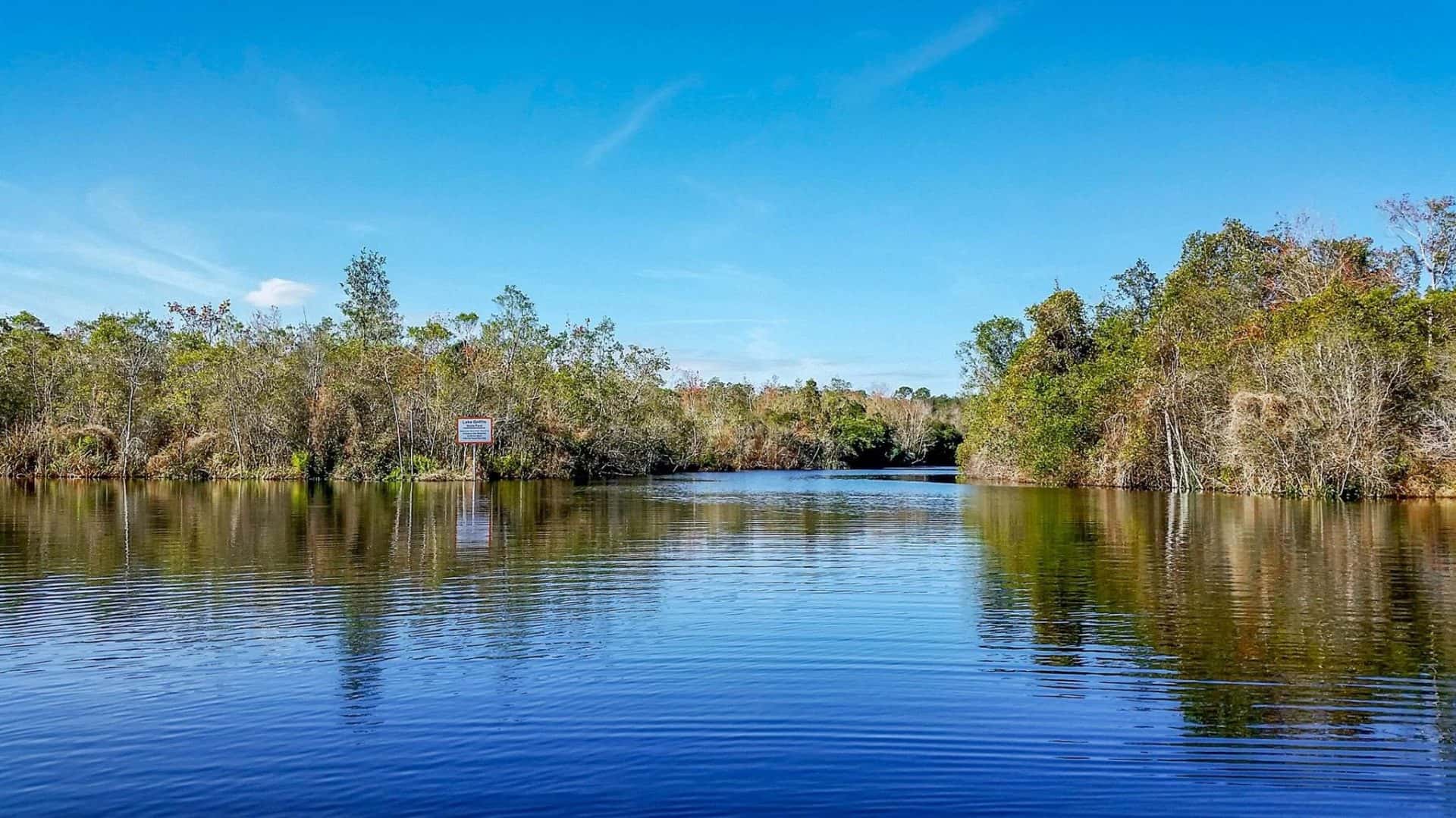
- Dead River Mouth: Where the Dead River enters the lake on the north end, you’ll find deeper water, current, and baitfish. Striped bass and sunshine bass stack up here in spring and early summer.
- North Shore Submerged Structure: Brush piles and old trees on the north shore hold crappie and sunfish, especially during the spawn. This area is best fished from a boat, but you can reach some spots from the State Park ramp.
Structure and Depth
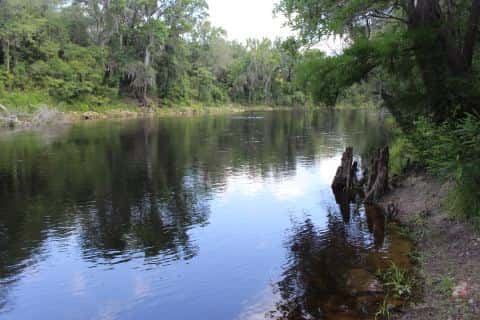
Lake Griffin is shallow, with most of the water between 5 and 11 feet deep. Nearly half the lake is in the 7–10 foot range, and only a handful of spots reach 15–18 feet. The bottom is mostly soft, with muck and scattered hard spots. Weed beds, submerged timber, and brush piles are the main structure. Fish relate to the edges of these areas, especially when water levels change or after a front passes.
Timing: When to Fish Lake Griffin
The best window for trophy largemouth bass is January and February, when the water averages 60–66°F and fish move shallow to spawn. Striped bass and sunshine bass pick up in May through July, as water temperatures rise to 81–87°F. Crappie fishing is strongest April through June, with bluegill and other sunfish peaking March through August. Summer brings hot water (up to 87°F), so fish early or late for bass and target catfish and panfish in deeper holes. The slowest months are October through December for crappie and December for catfish and bluegill, but bass and pickerel still bite if you work the cover. If you only get one trip, aim for late winter through early summer—January to June covers the best action for all headline species.
Angler Tactics
- Bass: Flip Texas-rigged worms, crankbaits, or spinnerbaits into weed edges and fallen trees at first light. When the sun gets up, slow down and work the deeper side of the cover.
- Striped/Sunshine Bass: Drift live shad or herring near drop-offs and points, or cast swimbaits and topwater plugs when baitfish are active. Focus on moving water near the Dead River mouth.
- Crappie: Use minnows or small jigs under a slip bobber around brush piles and submerged trees. Fish 5–10 feet down, especially in spring.
- Catfish: Anchor up near deeper holes or fallen trees and fish chicken liver or cut bait on the bottom after sunset.
- Panfish: Fish worms or crickets under a bobber near docks, weed beds, or downed wood. Light tackle and small hooks work best.
Most species feed best at dawn and dusk, but you can catch fish all day when the weather is stable and the water is warm.
Regulations
- Largemouth Bass: No minimum length. Bag limit is 5 black bass (including largemouth), only one of which may be 16 inches or longer in total length. This is an aggregate limit across all black bass species.
- Striped Bass: Bag limit is 20 (striped, white, and sunshine bass combined), only 6 may be 24 inches or longer. Open year-round.
- Channel Catfish: No statewide bag or possession limit unless posted for this water. Check for any Fish Management Area rules before keeping catfish.
- Black Crappie: Bag limit is 25. No length limit. Open year-round.
- Panfish (Bluegill, Redear, Warmouth, Redbreast, Flier, Spotted Sunfish): Bag limit is 50 in aggregate. No length limit. Open year-round.
- Sunshine Bass: Included in the 20-fish aggregate with striped and white bass, only 6 may be 24 inches or longer.
- Nonnative species (Sunshine Bass, Blue Tilapia): Releasing or introducing any nonnative fish into Florida waters requires a permit from the Commission. No live nonnative fish, except variable platys and fathead minnows, may be transported to or between waters for use as bait. Live specimens of Conditional and Prohibited nonnative species may not be possessed.
- License: A Florida freshwater fishing license is required unless exempt. Non-resident short-term options exist; buy your license before you leave home.
Regulations can change, so anglers should verify the current rules with the Florida Fish and Wildlife Conservation Commission before fishing.
Shore and Boat Access
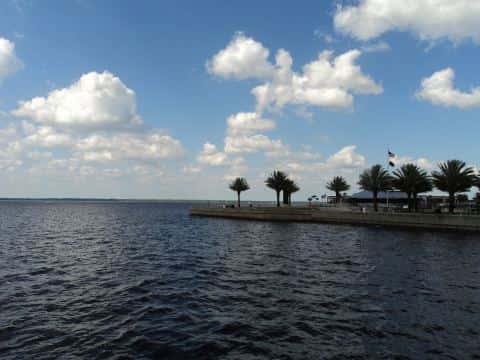
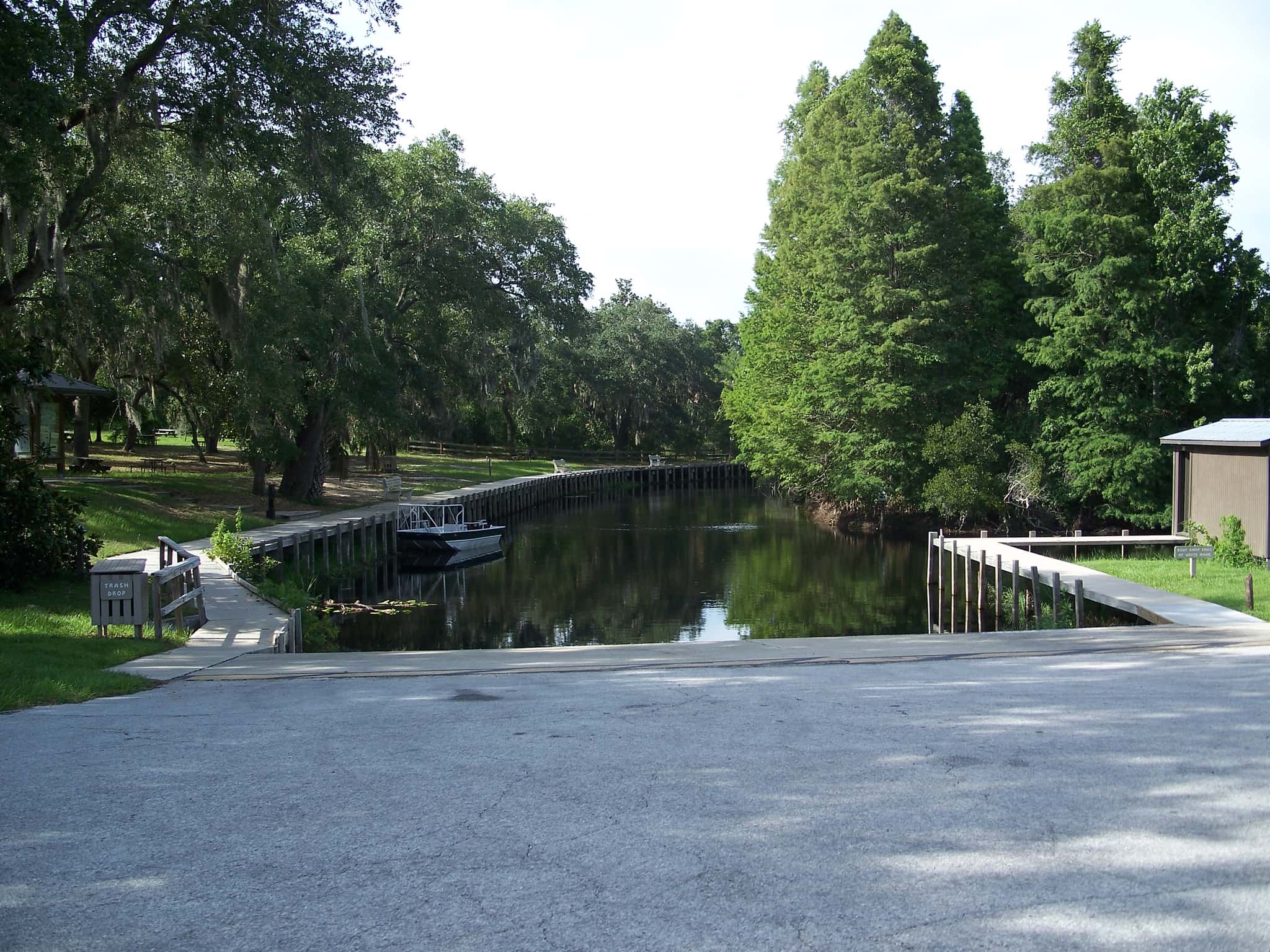
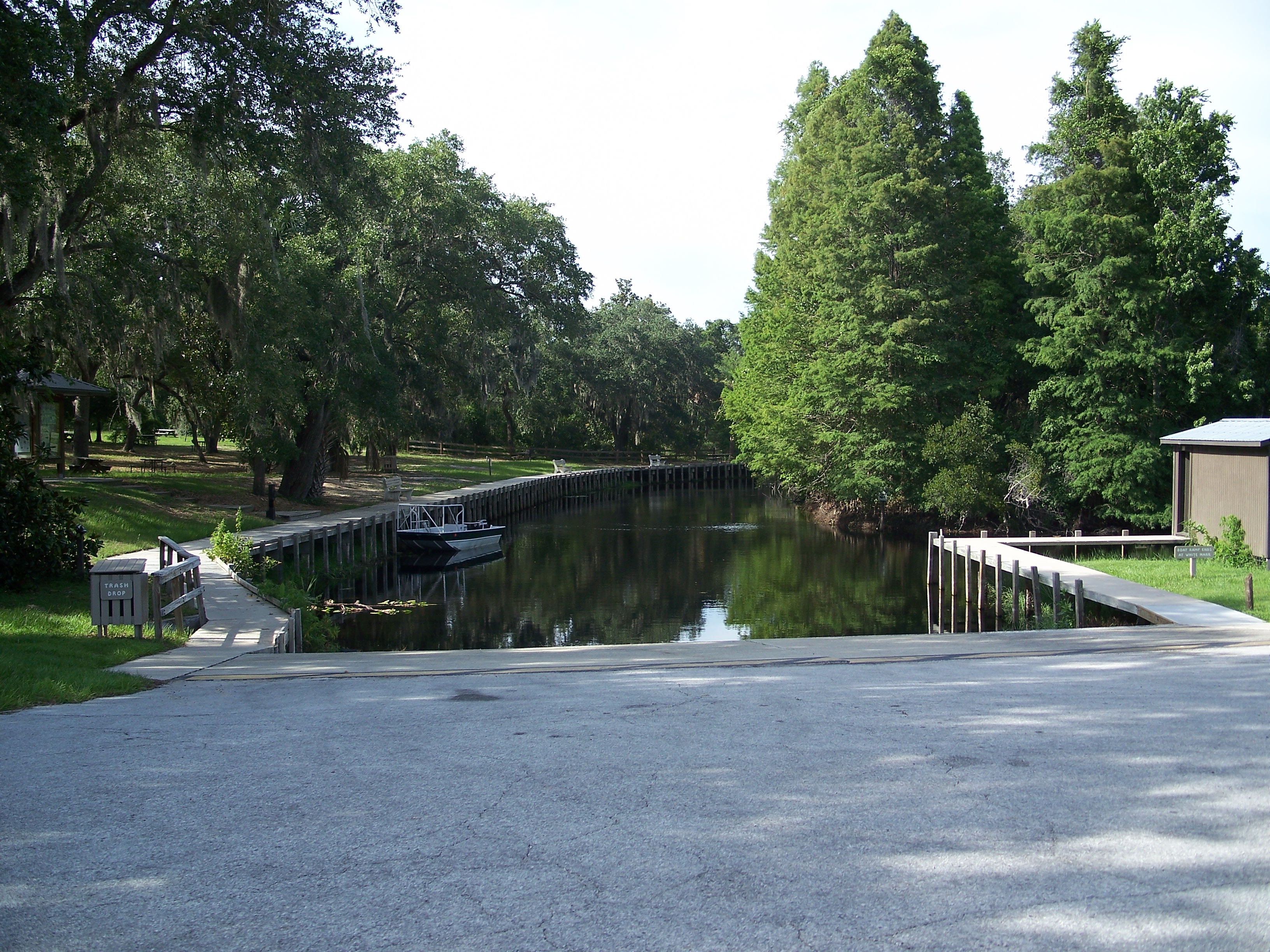
It’s open 24 hours and is free to use. Lake Griffin State Park has a two-lane concrete ramp, paved parking for 49 trailers, a dock, and flush restrooms; it’s open sunrise to sunset and charges a launch fee. The park also has kayak and canoe rentals. Henderson Park at Beverly Shores offers a grass-surface kayak launch with paved parking and a dock, open sunrise to sunset. Several private ramps and fish camps around the lake offer paid access, but hours and conditions vary. Most of the shoreline is private or marsh, so boat access gets you to more water.
Trip Logistics
Leesburg is the nearest city, just over four miles from the lake. Orlando Sanford (SFB) is 38 miles away, and Orlando International (MCO) is 45 miles. Bring your own boat or rent a kayak or canoe at Lake Griffin State Park. Live bait is available in Leesburg tackle shops; call ahead if you want wild shiners. Lodging options include fish camps, RV parks, and hotels in Leesburg. Book early for January through June, as this is the prime fishing window. For tackle and supplies, Leesburg has several shops within a short drive.
Ecology and Water Conditions
Lake Griffin’s water is usually stained, with average clarity around 2.6 feet. The most recent reading (August 2025) showed water at 82°F and clarity at 2.3 feet, a bit below average. Dissolved oxygen can drop in summer, especially in deeper holes. The lake has a history of nutrient-driven algae blooms, but recent years have seen stable water quality. Vegetation is thick in many areas, especially on the west shore.
What’s Hard About Lake Griffin
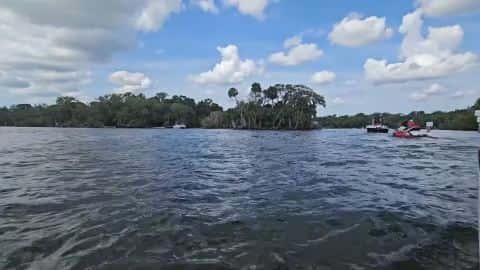
The lake is shallow and can get weedy fast, making navigation tricky in summer. Wind can build a steep chop, especially on open water—small boats should watch the forecast. Summer can bring low oxygen in deeper holes, which slows the bite. Crowds are lighter than on Lake Harris, but ramps can still fill up on weekends during the peak bite.
Safety
Watch for alligators if you’re fishing from shore or wading, especially near vegetation. Summer storms come up fast—get off the water if you see lightning. The soft bottom can trap a trolling motor or anchor, so carry a push pole and check your route before running shallow.
Pros and Cons
- Pros:
- Strong bass and striper bite winter through summer
- Good ramps with free and paid options
- Less crowded than Harris or Eustis
- Public pier for shore anglers
- Cons:
- Shallow and weedy—navigation can be tough
- Low oxygen and algae possible in summer
Final Verdict
Lake Griffin is a solid pick if you want a quieter lake with strong bass, striper, and panfish fishing from winter through early summer. If you’re after big tournaments or lots of services, Harris or Eustis may suit you better, but for steady action and less pressure, Griffin delivers. Book your trip January through June for the best shot at a trophy, and check the regulations before you keep fish.