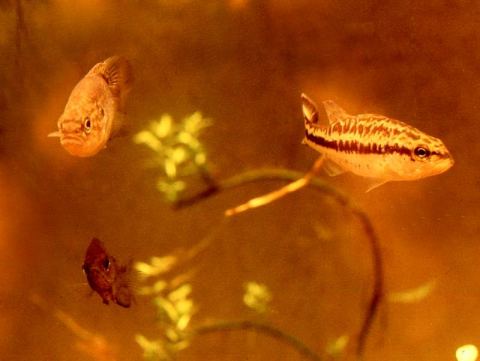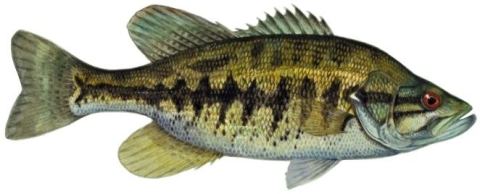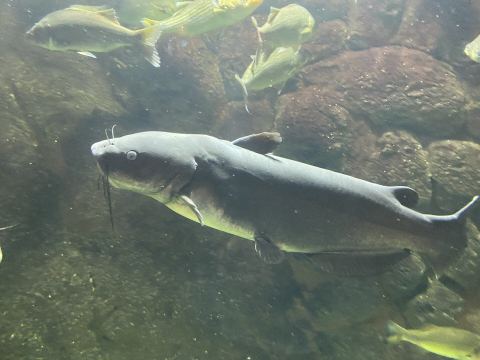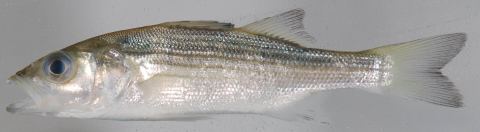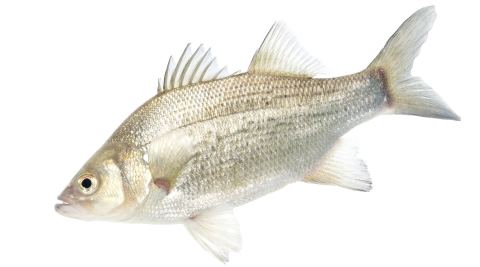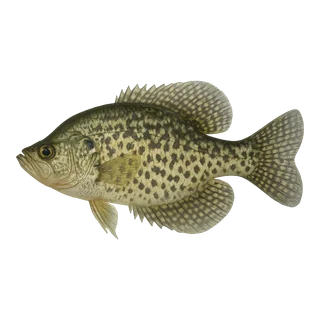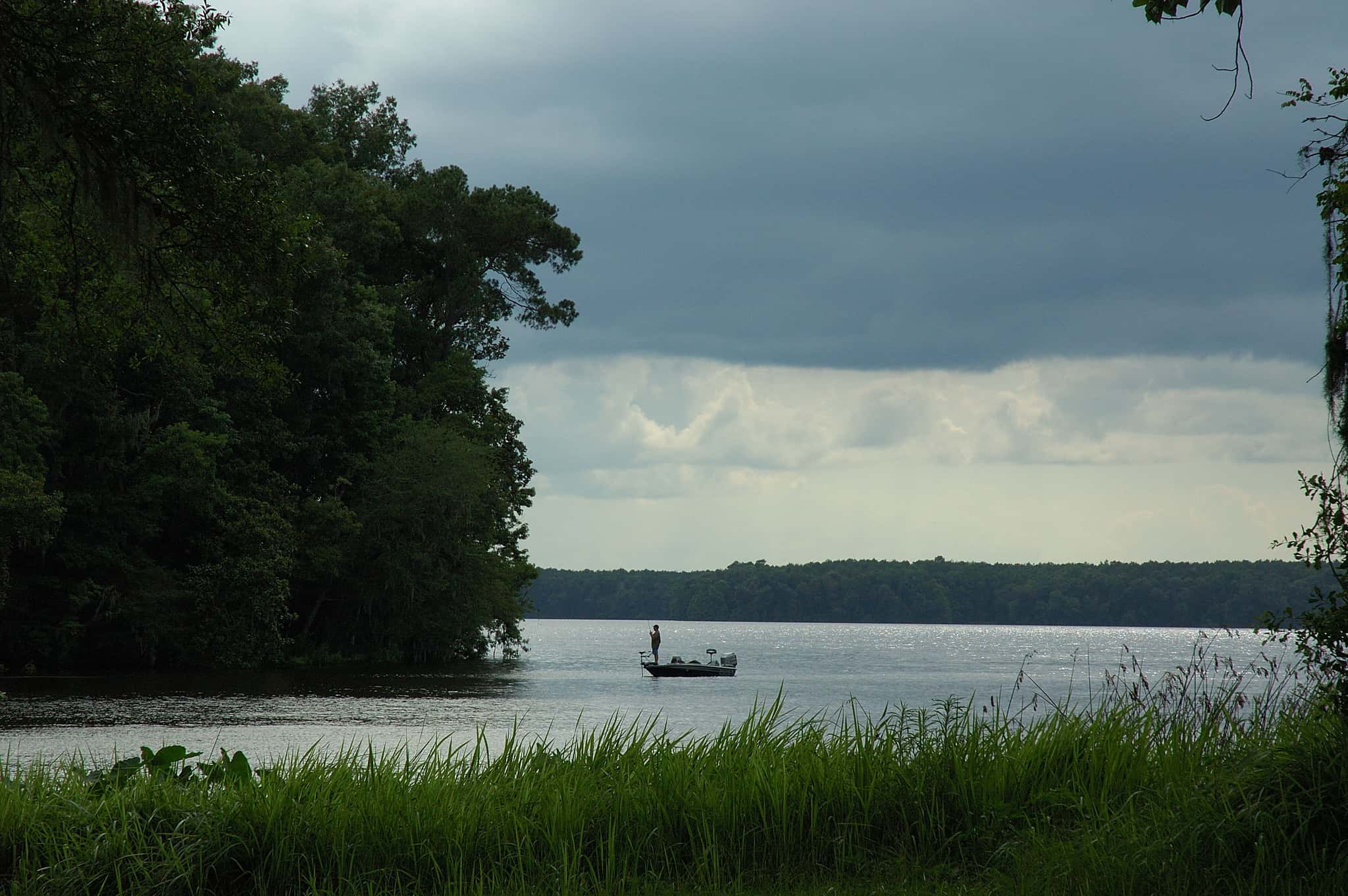
Black crappie and largemouth bass are why anglers come here, with striped bass and white bass adding a real spring run. Bass and crappie both fish year-round, with crappie peaking in winter and bass best in spring. You'll want a boat — this is a big, deep lake with a lot of open water. Launch at the High Bluff Recreation Area and work the old river channel.
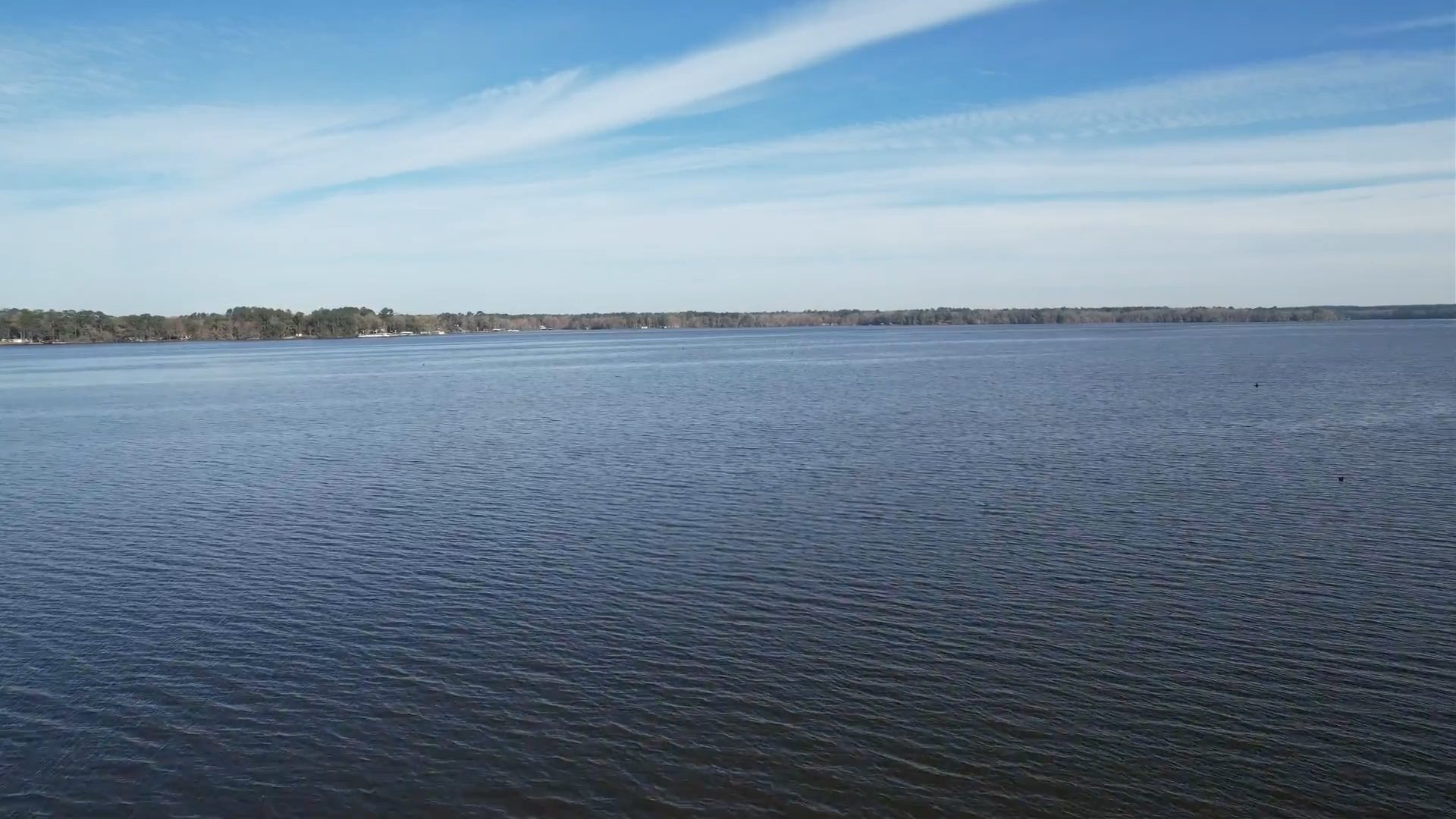
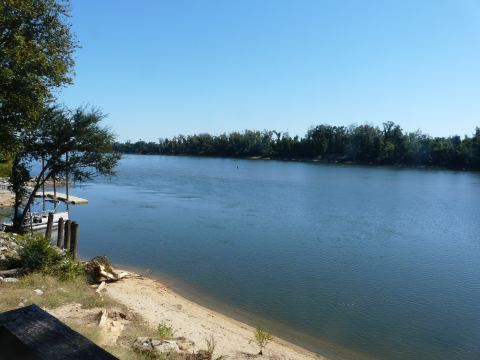
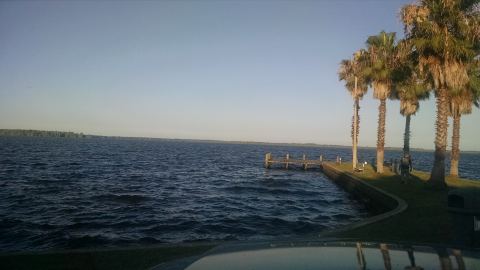
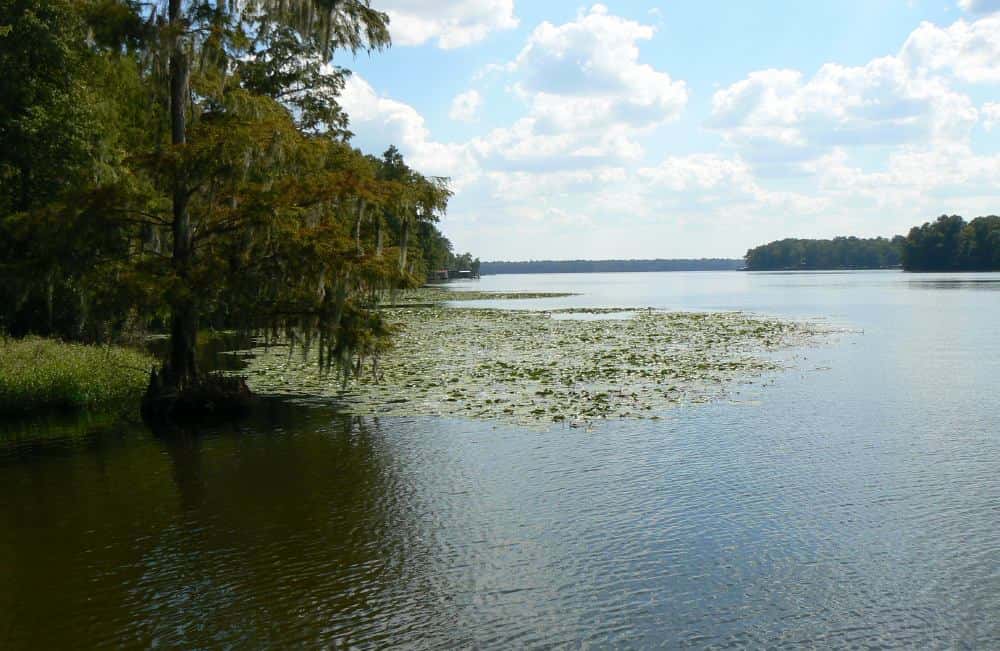
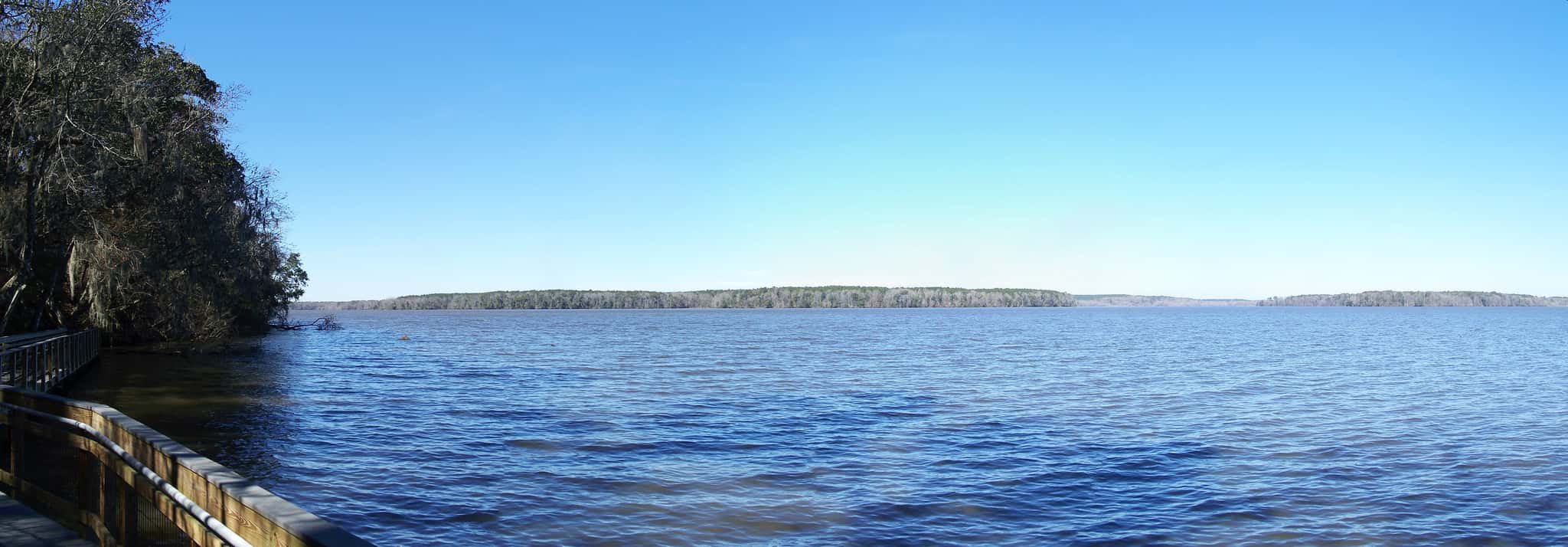
Lake Talquin sits between Tallahassee and Quincy, a reservoir formed when the Ochlockonee River was dammed. Rolling hills and ravines run down to the shoreline, and the lake is genuinely deep for Florida — most Florida lakes don't come close to this kind of relief.
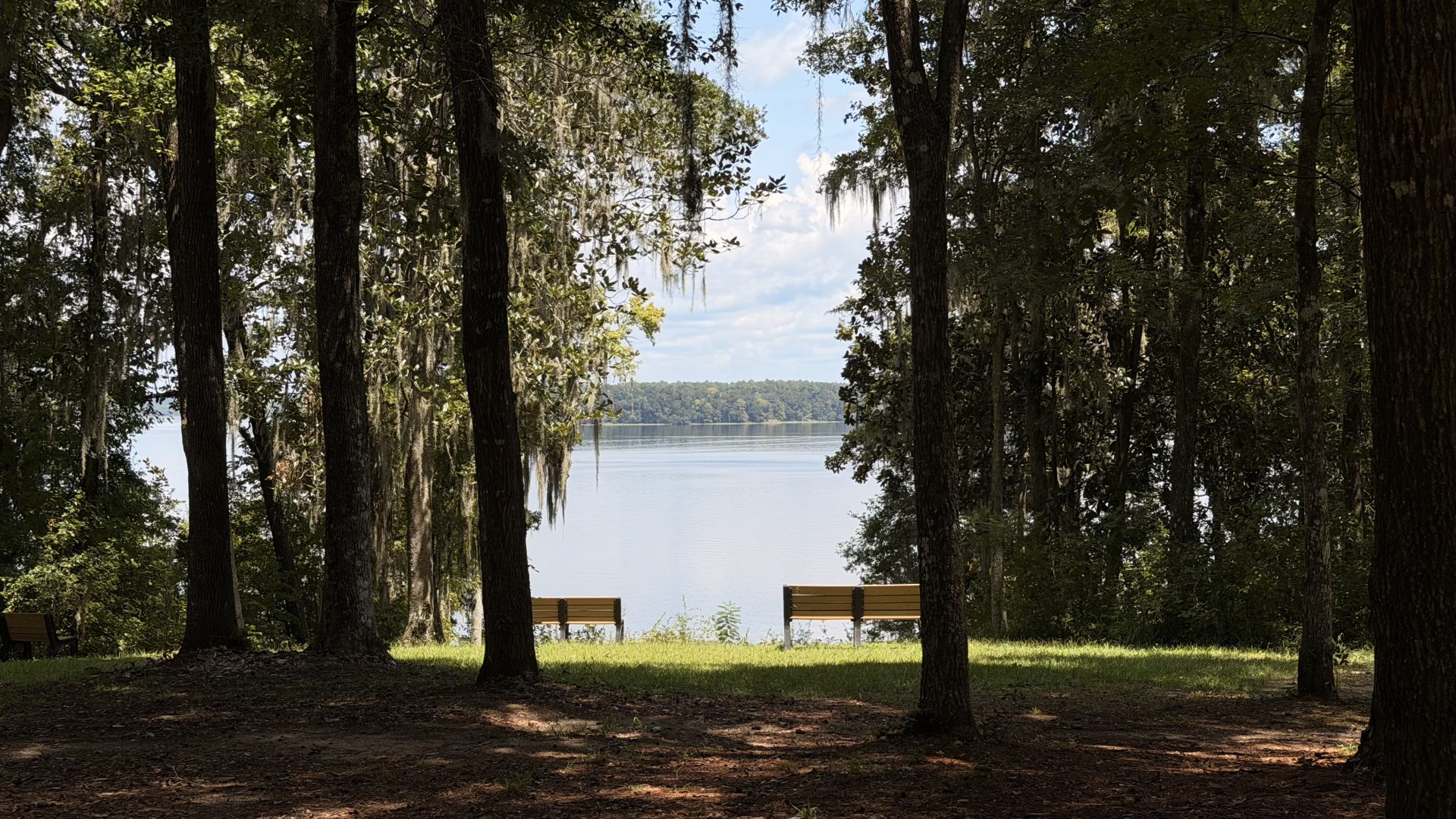
This Lake vs. the River Above It
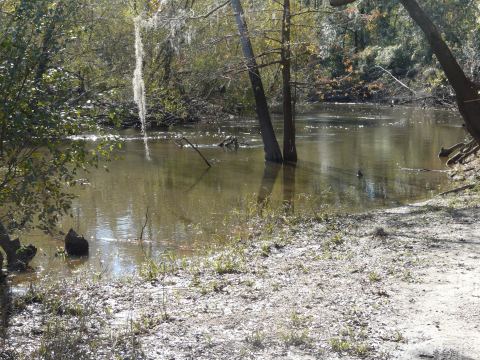
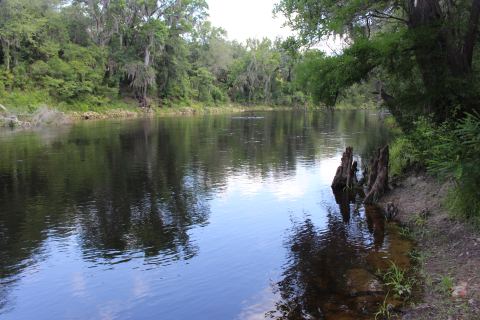
The Ochlockonee River above this lake is the wilder alternative — narrow, shallow, and choked with snags, with a real shot at Suwannee bass and a spring white bass run of its own. It's a different kind of trip: small boat or kayak water, not a place to run a big rig.
Talquin is the bigger, deeper, easier-to-fish version of the same river system. You get real depth, established marinas and lodges, and a crappie fishery built up over decades. Pick the river above the dam for something wilder and less developed. Pick Talquin for depth, structure, and the infrastructure to support a longer trip.
Target Species
Black crappie are the reason this lake has a national reputation. Fishing holds up well enough here that the lake carries its own size rule, separate from most of the state: crappie under 10 inches have to go back. Winter is the best window, as fish school up and hold predictably in deeper water.
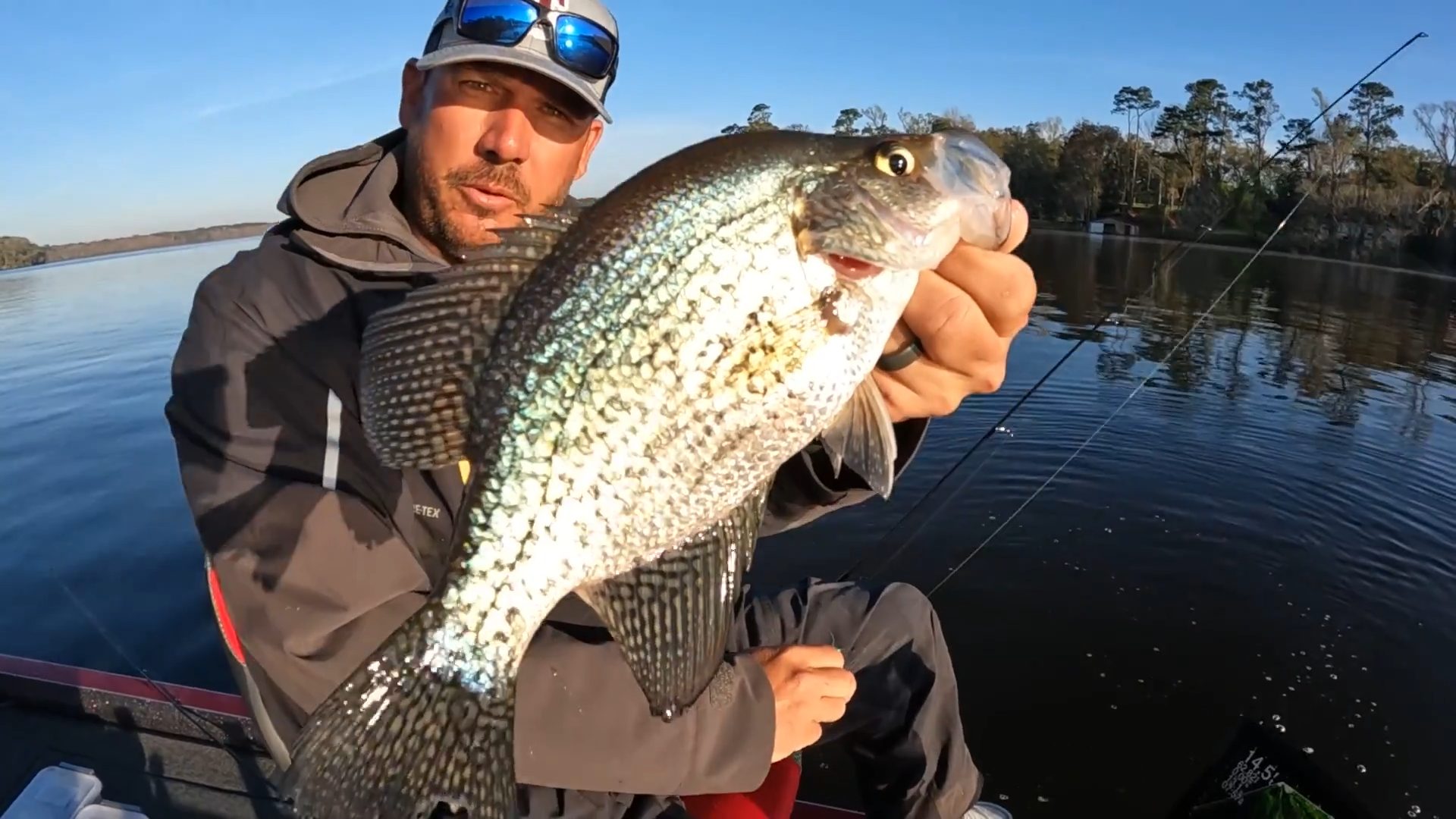
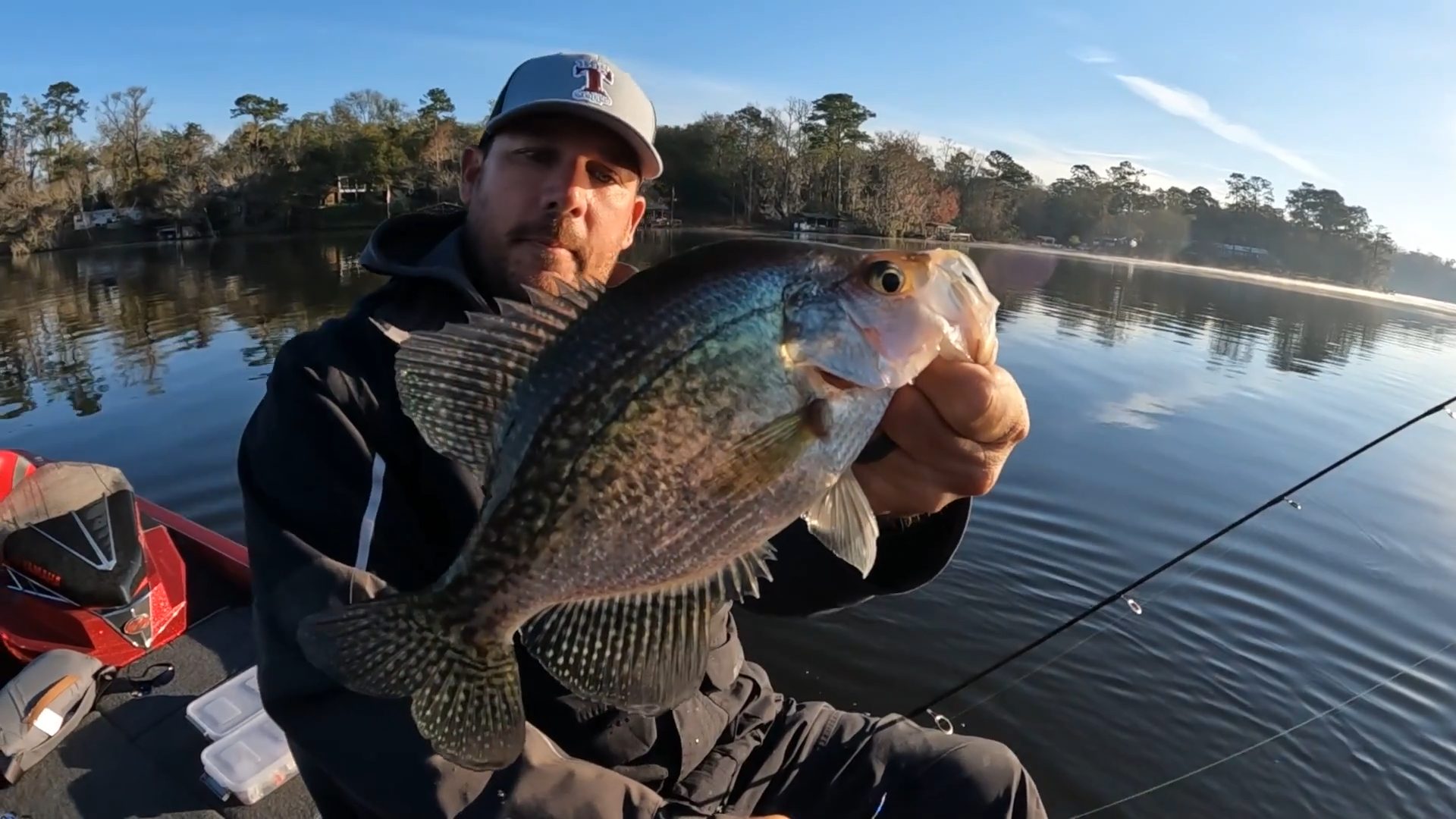
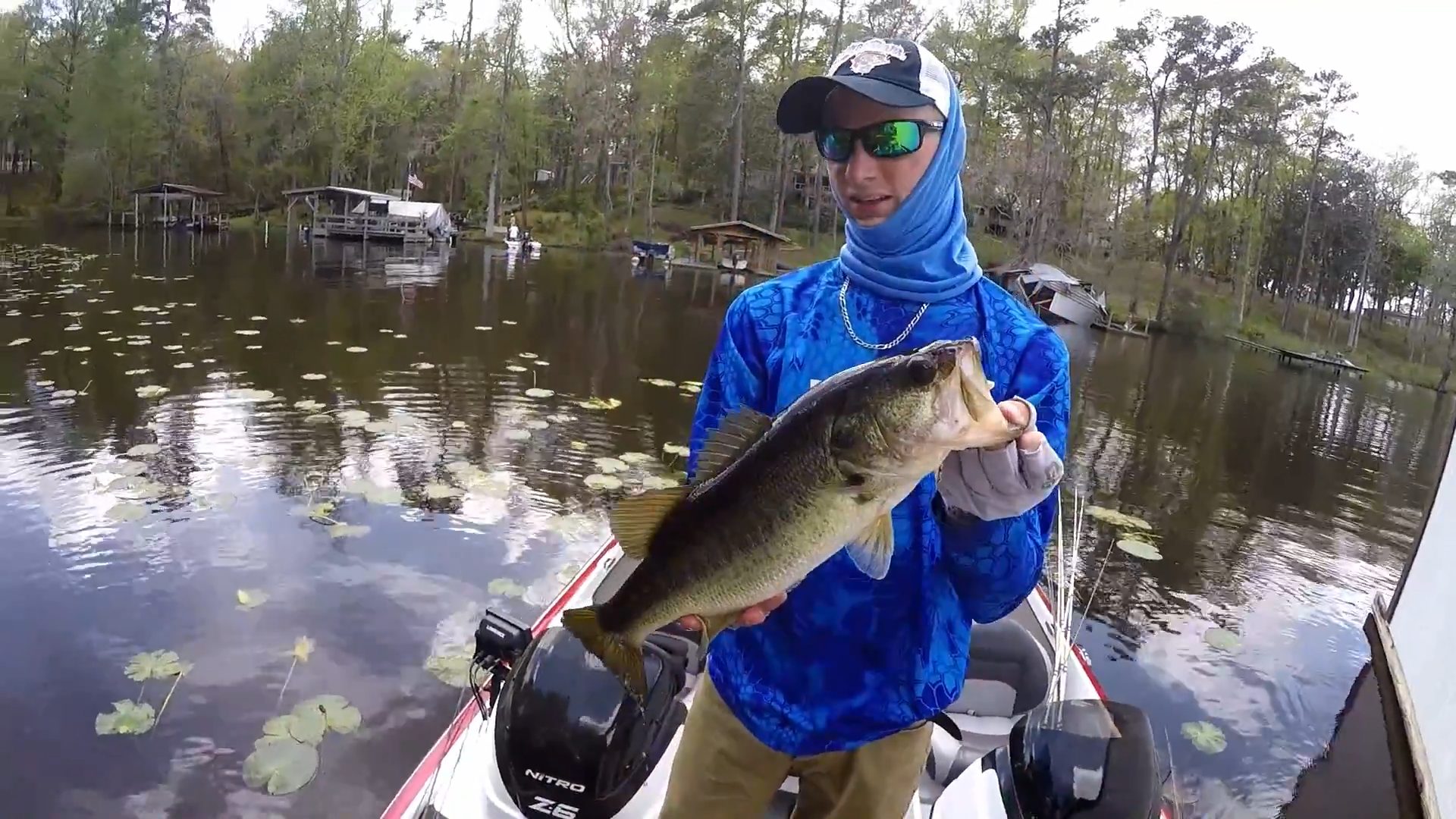
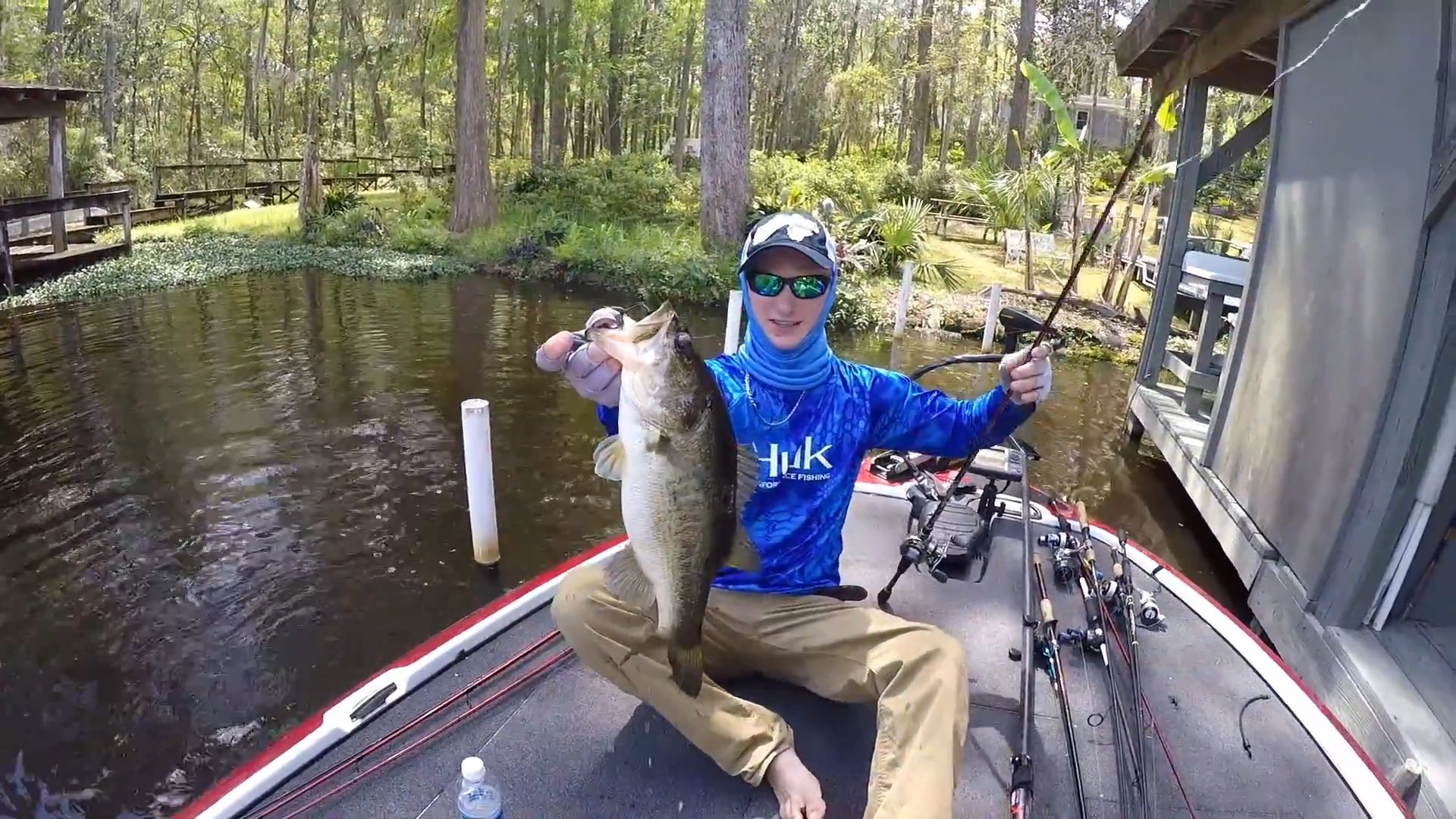
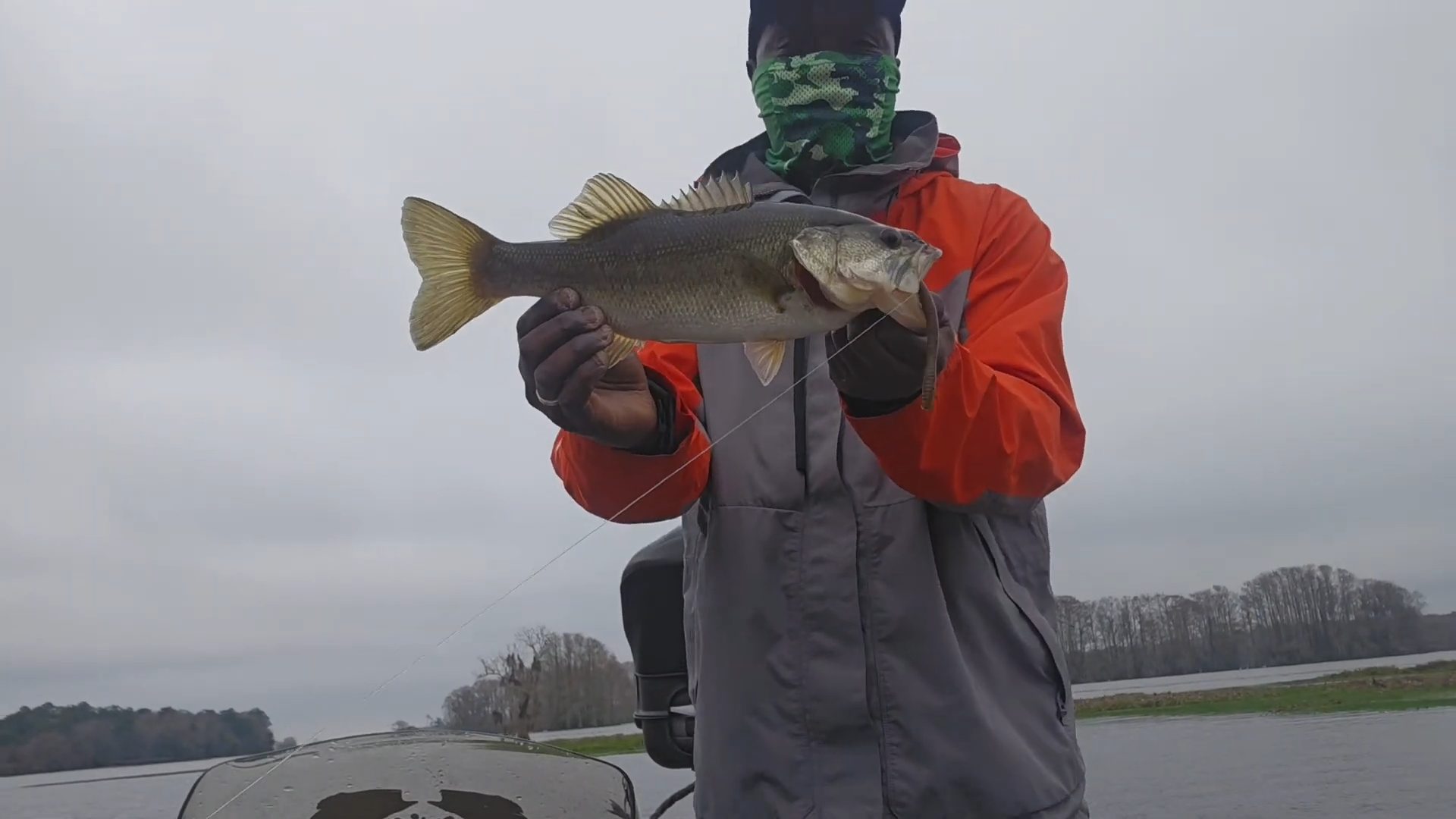
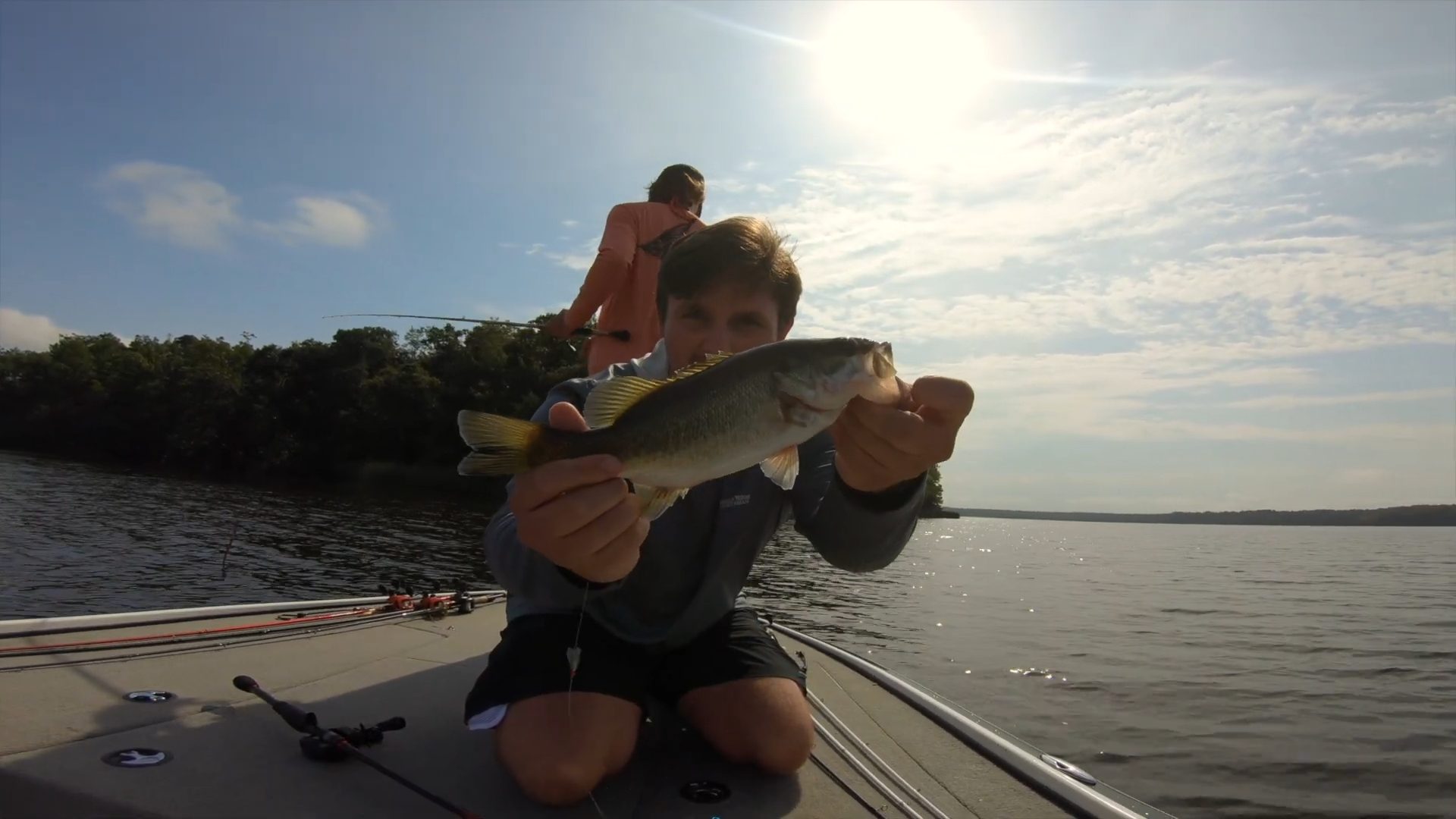
Largemouth bass are stocked here and fish well throughout the lake, with the old river channel and its drop-offs giving you real structure to work in a lake that's mostly open water otherwise. Spring is the best window, as bass move up to spawn.
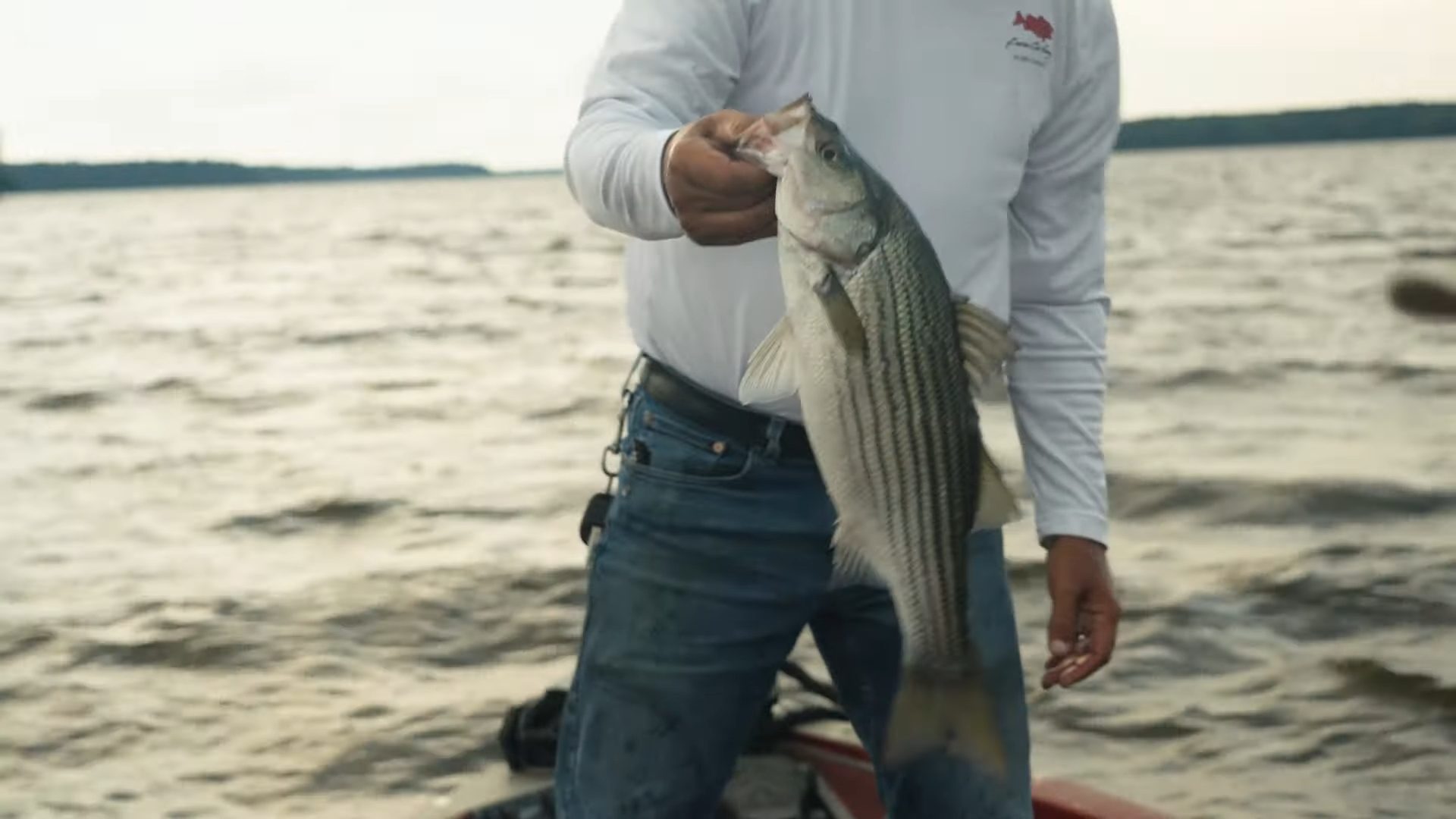
Striped bass and white bass are both stocked species here, and both run hard in spring, pushing toward the upper end of the lake and the river above it to spawn. This is a real, dated seasonal event, not a year-round pattern.
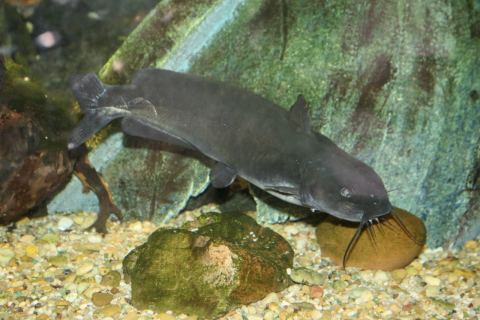
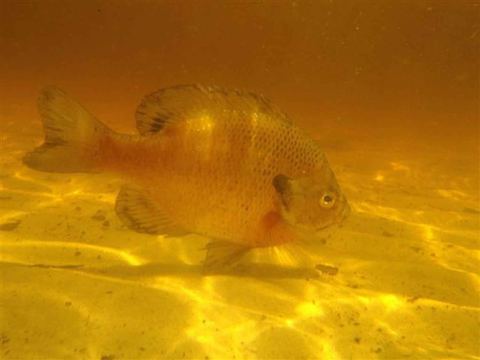
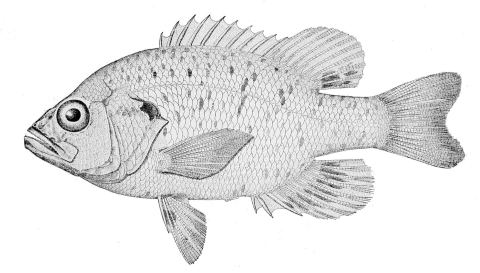
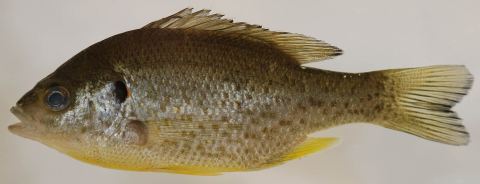
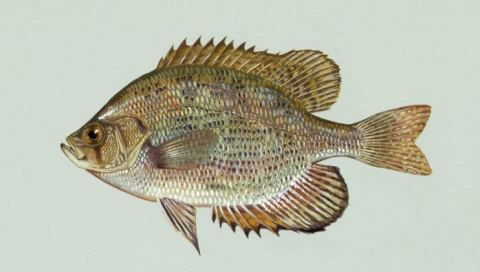
Redear sunfish are also stocked and add to a solid panfish scene alongside bluegill. Flathead catfish get real size here too, holding in deep structure.
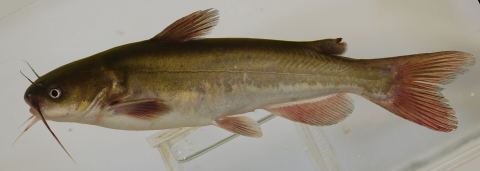
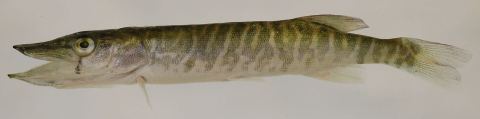
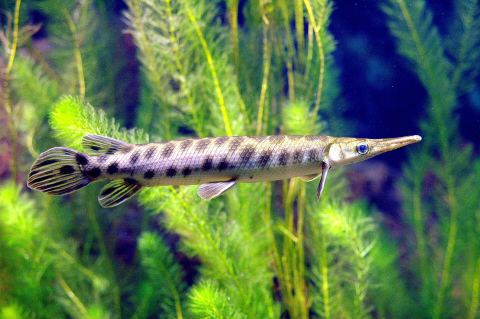
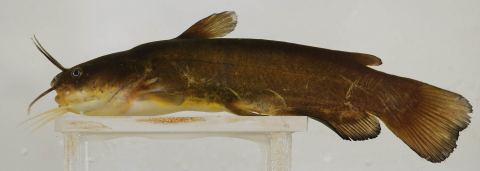
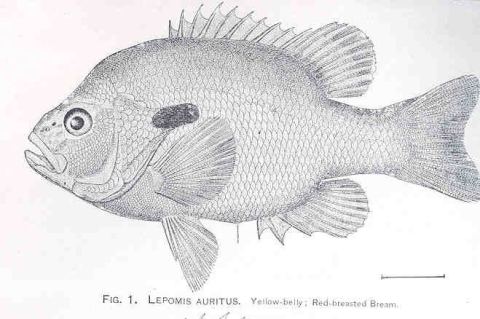
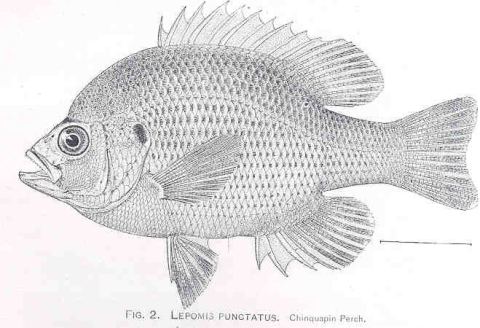
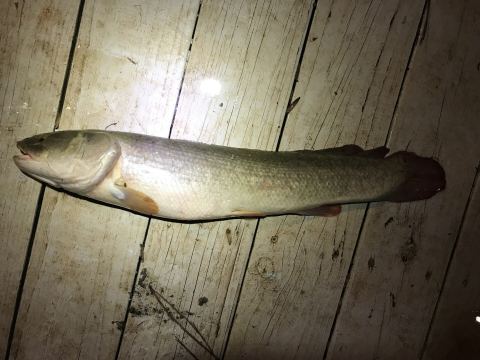
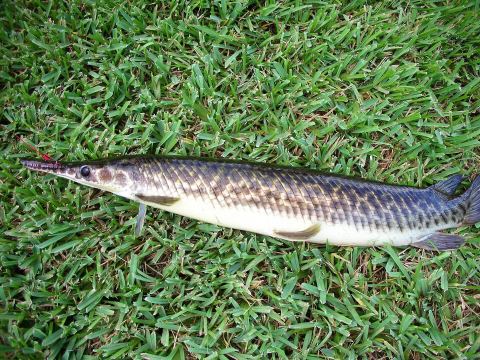
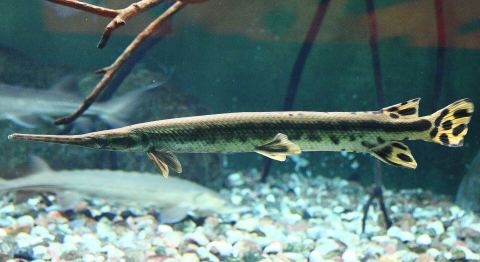
Chain pickerel, bowfin, warmouth, redbreast sunfish, and spotted sunfish all turn up working the same cover as bass and panfish. Channel, blue, and white catfish, along with Florida, longnose, and spotted gar, round out the rest of the catfish and gar family here. Sunshine bass, a hatchery cross, is present but depends on stocking rather than natural reproduction.
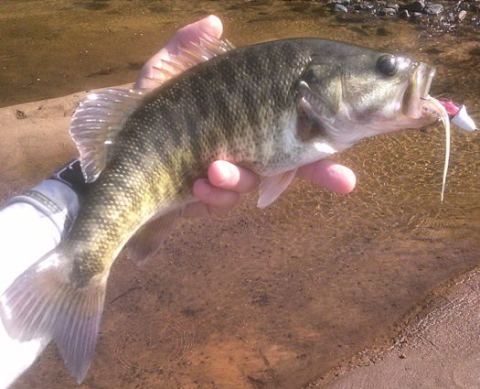
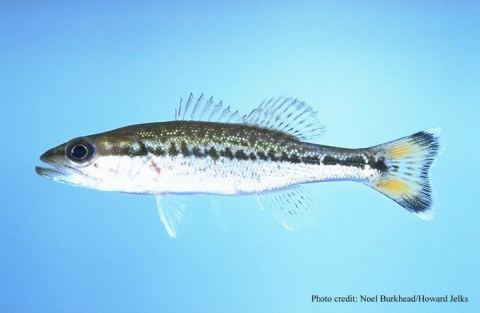
Shoal bass and spotted bass are on the range list for this water, but a dammed reservoir isn't typical habitat for either — treat them as a possible surprise, not a target. Flier sunfish, yellow bullhead, and brown bullhead round out the list without dedicated evidence beyond that.
Fishing Spots
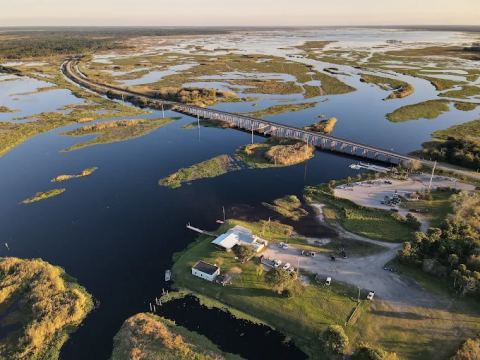
Start at the High Bluff Recreation Area, in Lake Talquin State Forest. The ramp is free with two lanes, and it puts you close to the old river channel, which is the single best piece of structure on a lake that's mostly open, relatively featureless water otherwise.
Work the channel drop-offs for bass and crappie — that transition from shallow flat to old riverbed is where fish concentrate on a lake this size. In winter, follow crappie into the deeper sections of that channel.
In spring, run toward the upper end of the lake, near where the Ochlockonee River feeds in, for the striped and white bass spawning run.
Day one, no local knowledge: launch at High Bluff, find the old river channel on your electronics, and work the drop-off for bass and crappie before running upriver if the striper run is on.
Structure and Depth
This lake runs deep for Florida — the deepest mapped point is 34 feet, with an average across the whole lake around 11. That's real relief most Florida anglers aren't used to. The lake's floodplain is shallow almost everywhere except along the old river channel, so that channel is the structure that matters here — it's the difference between featureless flat water and a real depth change fish will hold on. Water level here typically sits around 70 feet above sea level and can move a few feet either way, which shifts how much of that channel structure is exposed or covered.
Visibility runs a genuine 5 feet or so on average, clearer than the river above the dam, which makes this water more forgiving for working structure at depth.
When to Go
Crappie fishing peaks in winter, when fish school up predictably in the deeper channel sections. Bass fishing is best in spring during the spawn. Striped and white bass run in spring too, pushing toward the upper lake and the river above it — that's a real, dated window, not something you can chase year-round.
Avoid the height of summer if you're after stripers specifically; they push toward cooler, deeper water and get harder to pattern once the surface heats up.
Tactics
For crappie: fish deep sections of the old river channel with live minnows or small jigs, especially through winter.
For bass: work the channel drop-offs with crankbaits and soft plastics, focusing on spring spawning activity along shallower structure near the channel.
For striped and white bass: fish the upper end of the lake and the river mouth in spring with baits and lures worked through moving water.
Regulations
You'll need a Florida freshwater license, separate from the saltwater license, to fish here. A resident annual costs $17, a nonresident annual costs $47, and short-term nonresident options exist too. Buy it online before you leave home. Florida residents 65 and older and anglers under 16 don't need one. Two license-free weekends run each year — the first weekend of April and the second weekend of June — but every other rule still applies those days.
Talquin's crappie rule differs from most of the state: keep only fish 10 inches or longer. Don't assume the general statewide rule, which has no minimum size on most lakes, applies here.
- Black bass (largemouth, combined with spotted and shoal bass if you catch one): 5 a day in aggregate. Largemouth has no minimum length, only one 16 inches or longer per day. Spotted and shoal bass must be 12 inches or longer to keep.
- Black crappie: 25 a day, 10-inch minimum on this lake.
- Striped bass, white bass, and sunshine bass, combined: 20 a day, of which only 6 may be 24 inches or longer, and within that, no more than 3 striped bass, each 18 inches or longer.
- Panfish (bluegill, redear, warmouth, spotted sunfish, redbreast, and others in the group): 50 a day combined.
- Channel catfish: no daily limit.
Regulations can change, so anglers should verify the current rules with the state wildlife agency before fishing.
Access
This lake has an unusually large number of confirmed access points. Free, no-fee ramps include Ben Stoutamire Landing, Blount Landing, Wainwright Landing, and High Bluff Recreation Area — all concrete with docks. Elk Horn Landing offers a free natural-bank canoe access. Paid ramps include Coe Landing (2 lanes), Jack Vause Landing, Luther Hall Landing, Williams Landing (2 lanes), Pat Thomas Park (also known as Hopkins Landing, 2 lanes, $2), Ingram's Marina ($3), Lake Talquin Lodge (2 lanes, $3), and Whippoorwill Sportsman's Lodge ($3). The Bloxham Recreation Area in Lake Talquin State Forest requires an advance reservation to launch there.
From shore: this lake has real, confirmed piers at Ben Stoutamire Landing, Coes Landing, High Bluff Landing, Lake Talquin State Park, Pat Thomas Park, Wainwright Landing, and Williams Landing — seven separate pier locations, which is a lot of bank access for one lake.
Trip Logistics
Lake View Point, just over a mile from the lake, is the nearest named community on file. Jacksonville International is the closer of the two major airports on file at 172 miles, with Tampa International farther out at 210.
For lodging tied directly to the water, Lake Talquin Lodge and Whippoorwill Sportsman's Lodge both offer boat ramps on site, and Ingram's Marina adds another option with marina services. Call ahead to confirm current rates and availability.
Ecology
The lake was formed in 1927, when the Jackson Bluff Dam went up on the Ochlockonee River to generate hydroelectric power. That plant ran through 1970, and the dam later saw a structural failure in 1957 after the lake overfilled, plus controlled flood releases in 2008 and 2009 to relieve pressure on the structure. None of that affects current fishing, but it explains why the lake exists and why water levels here are actively managed rather than left alone.
Specific, dated consumption advisories for this water weren't confirmed. Check the state's current fish consumption advisory tool before you plan to keep and eat what you catch.
Safety
Alligators live in this lake, same as anywhere in north Florida — keep kids and dogs back from the bank at any of the piers or ramps. Afternoon storms build fast in summer; get off the water at the first rumble. This is a big, open lake with real depth and rolling terrain around it — wind can build chop fast on the open sections, so check the forecast before running across open water.
Pros and Cons
Pros:
- A nationally recognized crappie fishery with its own protective size rule
- Real depth and channel structure, rare for a Florida lake
- Seven confirmed fishing piers and multiple lodges with ramps on site
Cons:
- Both major airports on file sit well over 150 miles away
- Striped and white bass fishing is tied to a short spring window
- Open water gets rough fast in wind
Final Verdict
Come for crappie in winter and bass in spring, and bring a boat — the old river channel is the structure that makes this lake fishable beyond blind-casting open water. The spring striper and white bass run is worth timing a trip around if that's your target. With multiple lodges offering ramps on site and seven confirmed piers, this is an easier lake to base a multi-day trip around than the wilder river water upstream. Check the wind before you run across open water — this lake builds chop fast.