North Bay Fishing Guide: Red Drum, Spotted Seatrout & Best Spots
Target species: Red drum and spotted seatrout are the main draw here, with peak action from March through June. You’ll want a boat or kayak to cover the grass flats and channels, but there are five public piers for shore anglers. Start your trip on the continuous grass beds near Leslie Porter Wayside Park or the drop-offs by the old channel edges. Tides run about 1.5 feet, so plan your fishing around moving water for the best bite.
Introduction
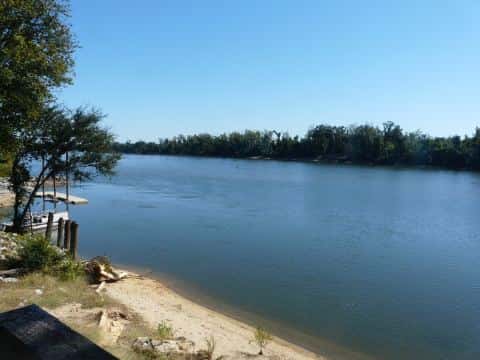
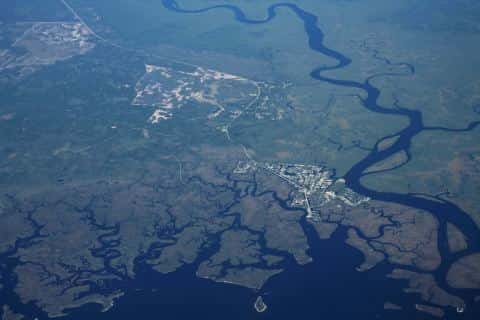
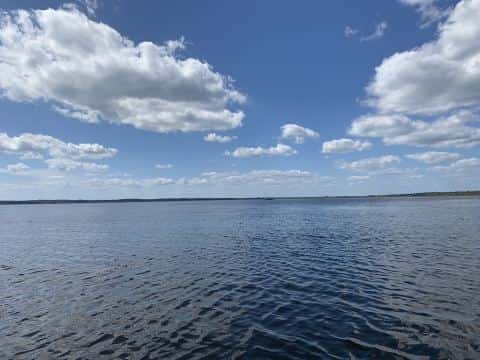
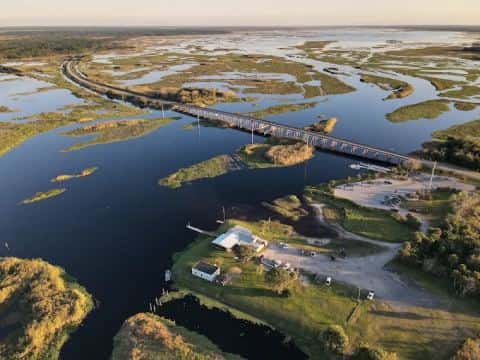
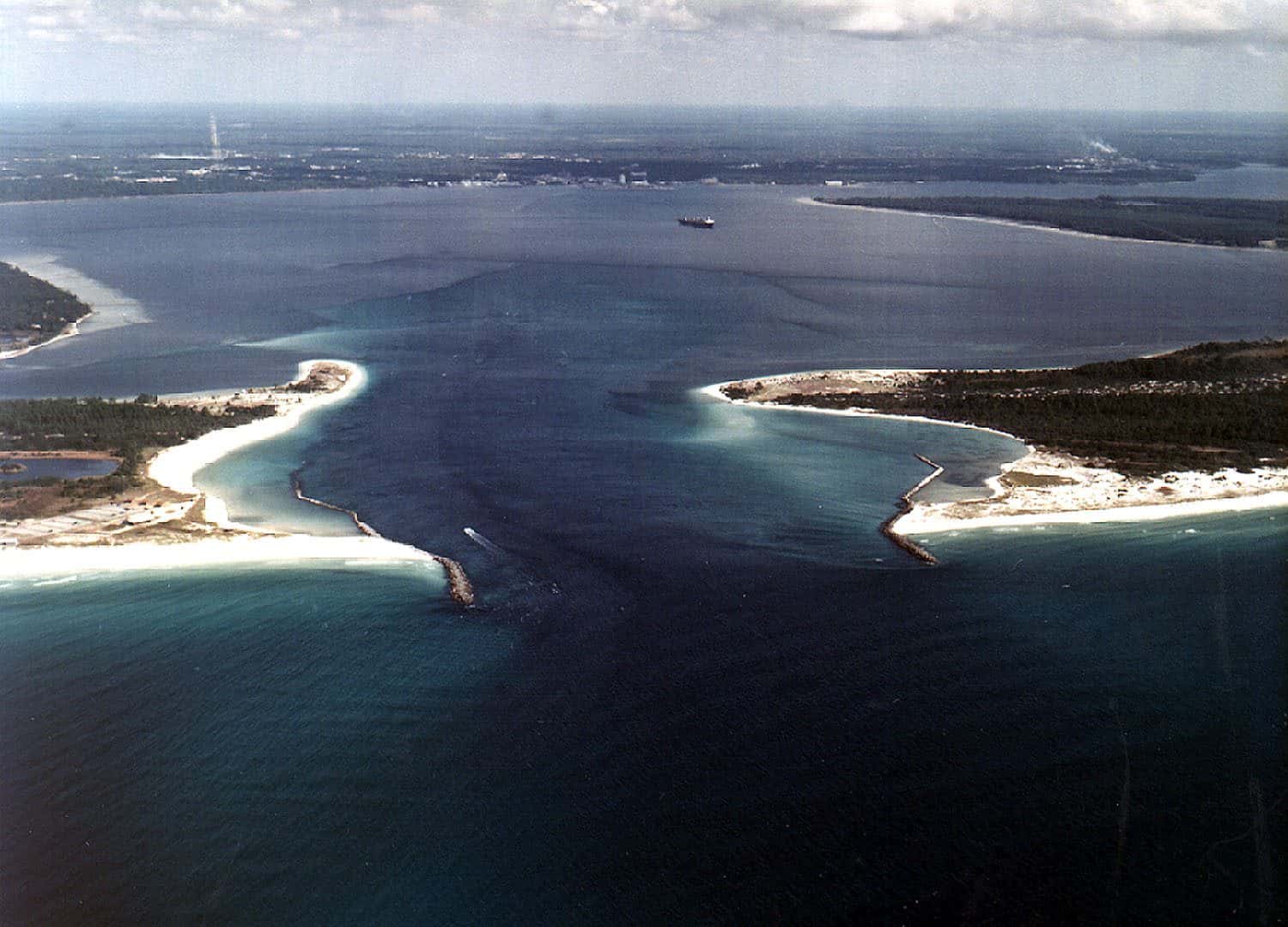
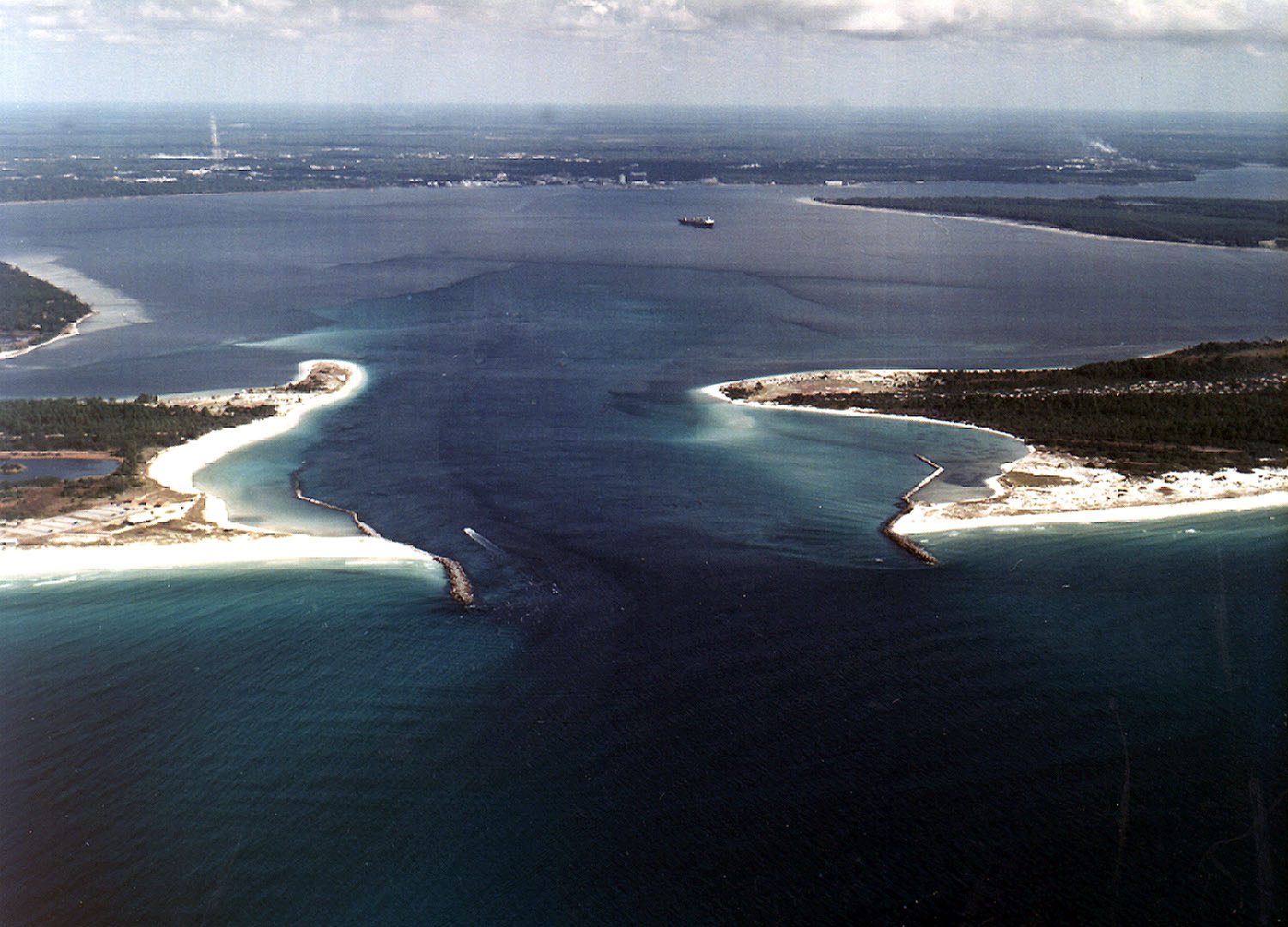
North Bay is a shallow estuary in Bay County, Florida, just north of Panama City and Lynn Haven. It covers 9,432 acres, with nearly 90% of the bay under two feet deep and a max depth of 49 feet in the old channels. The bay is known for its wide grass flats, sandy and muddy bottoms, and a steady population of red drum and spotted seatrout. Most anglers come for the spring and early summer bite, but there’s fishable water year-round. With 21 ramps and five public piers, it’s accessible for both boaters and shore anglers, though a boat gives you the edge to reach the best spots.
Positioning: North Bay vs. St. Andrew Bay
North Bay is quieter and shallower than nearby St. Andrew Bay. If you want big grass flats with less boat traffic and easier access to redfish and trout, North Bay is the pick. St. Andrew Bay offers deeper water and more variety, but it’s busier and can be tougher to fish on windy days. North Bay’s shallow flats warm up fast in spring, bringing the bite on sooner, and the smaller size means less running between spots.
Target Species and How to Fish Them
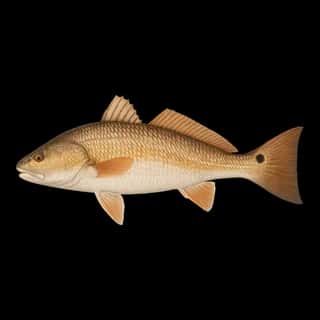
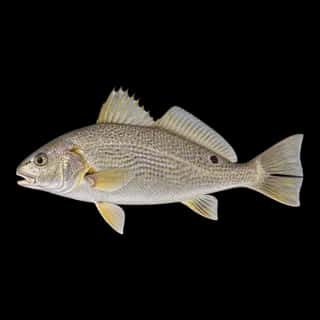
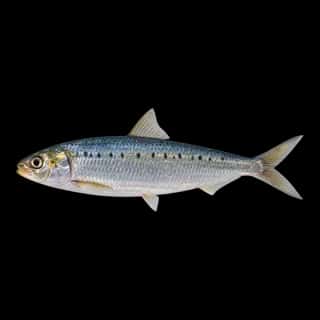
- Red Drum (Redfish): Work the edges of the continuous grass beds and mangrove points, especially near Leslie Porter Wayside Park and the mouths of Pretty Bayou and Mill Bayou. March through June is prime, with good fishing in February, July, and August as well. Red drum feed hardest at dawn and dusk when baitfish are moving, and a rising or falling tide pushes them onto the flats. Use a popping cork with live shrimp or cut mullet, or throw soft plastics that mimic baitfish. Early and late in the day are best.
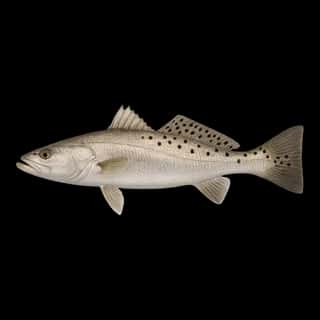
- Spotted Seatrout: Target the grass beds and drop-offs along the main bay, especially around the old channel edges and sandy potholes. March through June is the top window, with good action in February, July, August, and September. Seatrout feed at dawn and dusk, and the bite picks up when the water hits. Moving water is key—fish the incoming tide over grass or the outgoing tide along drop-offs. Use popping corks with live shrimp or soft plastics, and retrieve slowly to mimic wounded bait. Early morning and late evening are best.
- August through December is peak, but you’ll catch them from May on. They bite best at dusk and after dark, especially when the water is warm. Use bottom rigs with shrimp or cut bait.
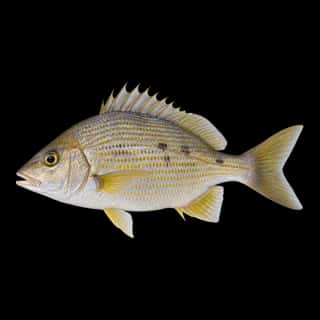
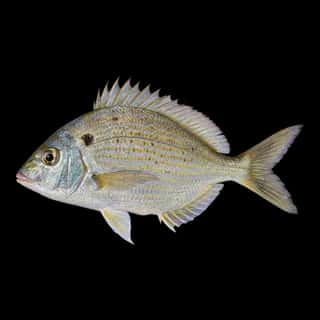
- Pigfish and Spot: Both are common on sandy bottoms and grass edges, especially near reefs and estuary mouths. April through August is best, with a strong bite at dawn and dusk. Use light tackle and live shrimp or bloodworms. These are also top live baits for bigger predators.
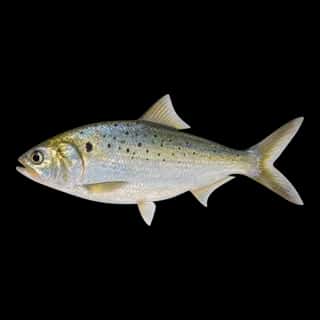
- Pinfish and Gulf Menhaden: These are abundant and mostly used as live bait for redfish and trout. Catch them on small hooks with shrimp or cut bait near grass beds and docks.
Best Fishing Spots
- Leslie Porter Wayside Park Grass Flats: Launch here to access some of the bay’s thickest continuous grass beds. Redfish and trout stack up along the edges, especially on a rising tide.
- Old Channel Drop-offs: The deeper bands (10–16 feet) along the old channel hold trout and the occasional big redfish when the flats get too warm or after a front. Try the drop-offs near the McCall-Everitt Park ramps.
- Pretty Bayou Mouth: The mouth of Pretty Bayou is a classic spot for redfish on a moving tide. Work the mangrove edges and grass points.
- Mill Bayou Flats: These shallow grass flats are a good bet for trout and redfish, especially early in the morning.
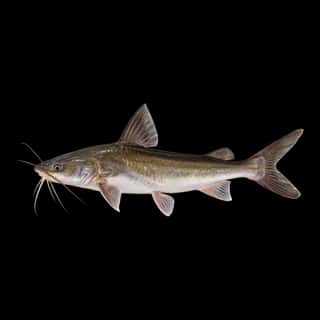
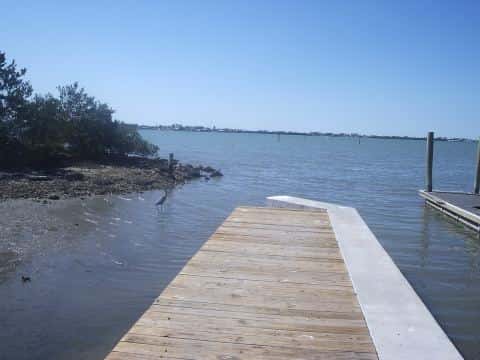
- Public Piers: The Deer Point Lake Dam Pier, Deer Point Lake Public Access Area, FSU Panama City Campus Pier, and Lynn Haven Pier all offer shore access for trout, redfish, and catfish. Fish live shrimp or cut bait near the pilings.
Structure and Depth
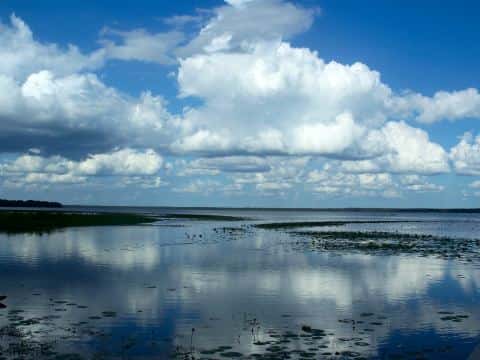
North Bay is mostly shallow, with 90% of the water under two feet deep. The main feature is over 3,200 acres of seagrass, with about four-fifths of it in continuous beds. These grass flats are the main habitat for redfish and trout—work the edges and cuts for active fish. The old river channels and drop-offs (10–16 feet) are where fish move when the flats get too hot or after a front. Sandy and muddy bottoms dominate, with scattered reefs and some mangrove shorelines. Moving water from the 1.5-foot tide is what turns the bite on, especially around the grass edges and bayou mouths.
Season-by-Season Breakdown
- Winter (Dec–Feb): The water is at its coldest, with trout and redfish slowing down but still catchable on warm afternoons. Focus on deeper drop-offs and channel edges, and fish slow with live bait. February is closed for spotted seatrout harvest, but catch-and-release is still allowed.
- Spring (Mar–May): This is the best window for both redfish and trout. Fish move shallow as the water warms, feeding hard on the flats and grass edges. March through June is prime for both species.
- Summer (Jun–Aug, 86–87°F): The water heats up and fish feed early and late. Redfish and trout are still active, but move deeper or into shaded grass holes during midday.
- Fall (Sep–Nov): Water cools off and fish return to the flats. Redfish and trout are catchable, but the bite slows as you get into late November. Catfish action peaks in the fall.
Tides and Water Conditions
North Bay has a modest tidal swing, with an average range of 1.3 to 1.5 feet at the Lynn Haven station. Fish the rising tide to push redfish and trout onto the grass flats, and the falling tide to pull them into the channels and bayou mouths. Water clarity is usually high, averaging almost 25 feet, but can drop to 2 feet after rain or wind. On August 30, 2025, the water was 87°F and clarity was down to 16 feet—hot and a bit murky for this bay. Plan your lure color and presentation based on how clear the water is when you arrive.
Regulations
- Red Drum (Redfish): Slot size 18–27 inches total length. One fish per person per day. Vessel limit is four in the Panhandle region. Open year-round. The slot is the same in all harvest regions, but vessel limits differ by region. Bag limits apply even at docks and parking lots. FWC may change these numbers yearly.
- Spotted Seatrout: Slot size 15–19 inches total length. Three fish per person per day. May possess one fish over 19 inches per vessel (or per person from shore), included in the bag. Closed to harvest in February; open March 1–January 31. Over-slot rule and closed season are region-specific. Must remain whole until landed ashore.
Florida requires a saltwater fishing license for anyone fishing here, including non-residents. Short-term licenses are available, and you should buy yours before you leave home. Separate freshwater and saltwater licenses are needed if you plan to fish both. Regulations can change, so anglers should verify the current rules with the Florida Fish and Wildlife Conservation Commission before fishing.
Shore and Boat Access
North Bay is well set up for both boaters and shore anglers. There are 21 public ramps, with the Leslie Porter Wayside Park Public Boat Ramp (4 lanes, always open, flush restrooms, 20 trailer spaces) and Ira Hutchinson Park (2 lanes, always open, flush restrooms, 20 trailer spaces) as the top picks for trailering in. Kayak and paddlecraft launches are scattered around the bay, including Amhurst Street Park and Grassy Point Road. Five public piers offer shore fishing, but most of the shoreline is private or marsh. Parking varies by ramp—some are paved, some unpaved.
Trip Logistics
The nearest town is Lynn Haven, just under two miles away, with Panama City’s airport (ECP) 11 miles south. Destin-Fort Walton airport is 54 miles away. Live bait (shrimp, pinfish, menhaden) is the go-to for redfish and trout—buy it in town before you launch. Lodging options include hotels in Lynn Haven and Panama City; there are no fish camps or waterfront RV parks directly on the bay. Book your trip for March through June for the best bite, and reserve lodging early if you’re coming in spring.
Ecology
North Bay is a grass-flat estuary, with over 3,200 acres of seagrass (about four-fifths continuous beds). Water clarity is usually high, but can swing from 2 to nearly 25 feet depending on wind and runoff. Red tide hits about one out of every three years, with the worst blooms in October through December. When red tide is active (over 100,000 cells/L), fish kills are likely and respiratory irritation is common—move to another bay or fish upstream if you see dead fish or smell a strong odor. The bay’s water temperatures run from in winter to 87°F in summer.
What’s Hard About This Water
North Bay is shallow—90% of it is less than two feet deep—so it gets rough fast when the wind picks up, and you can run aground if you’re not careful. Red tide is a real risk in the fall, and the bite can shut down for weeks when it hits. Most of the shoreline is private or marsh, so shore access is limited to the public piers and parks. Crowds are light, but ramps can fill up on weekends in spring.
Safety
Watch for shallow bars and sudden drop-offs, especially at low tide. Afternoon storms are common in summer—get off the water if you see lightning. The soft bottom can make wading tricky, and boaters should keep an eye on the tide to avoid getting stuck. If you’re fishing from shore, be aware of slippery rocks and limited access points.
Pros and Cons
- Pros: Huge grass flats, light boat traffic, year-round access, five public piers
Final Verdict
If you want to fish big grass flats for redfish and trout without the crowds of St. Andrew Bay, North Bay is a solid pick. The best window is March through June, when the flats warm up and the bite is on. Bring your own boat or kayak, plan around the tides, and be ready to move if red tide hits in the fall. Shore anglers have options at the public piers, but a boat opens up the best water. Book early for spring, and check the latest regulations before you go.