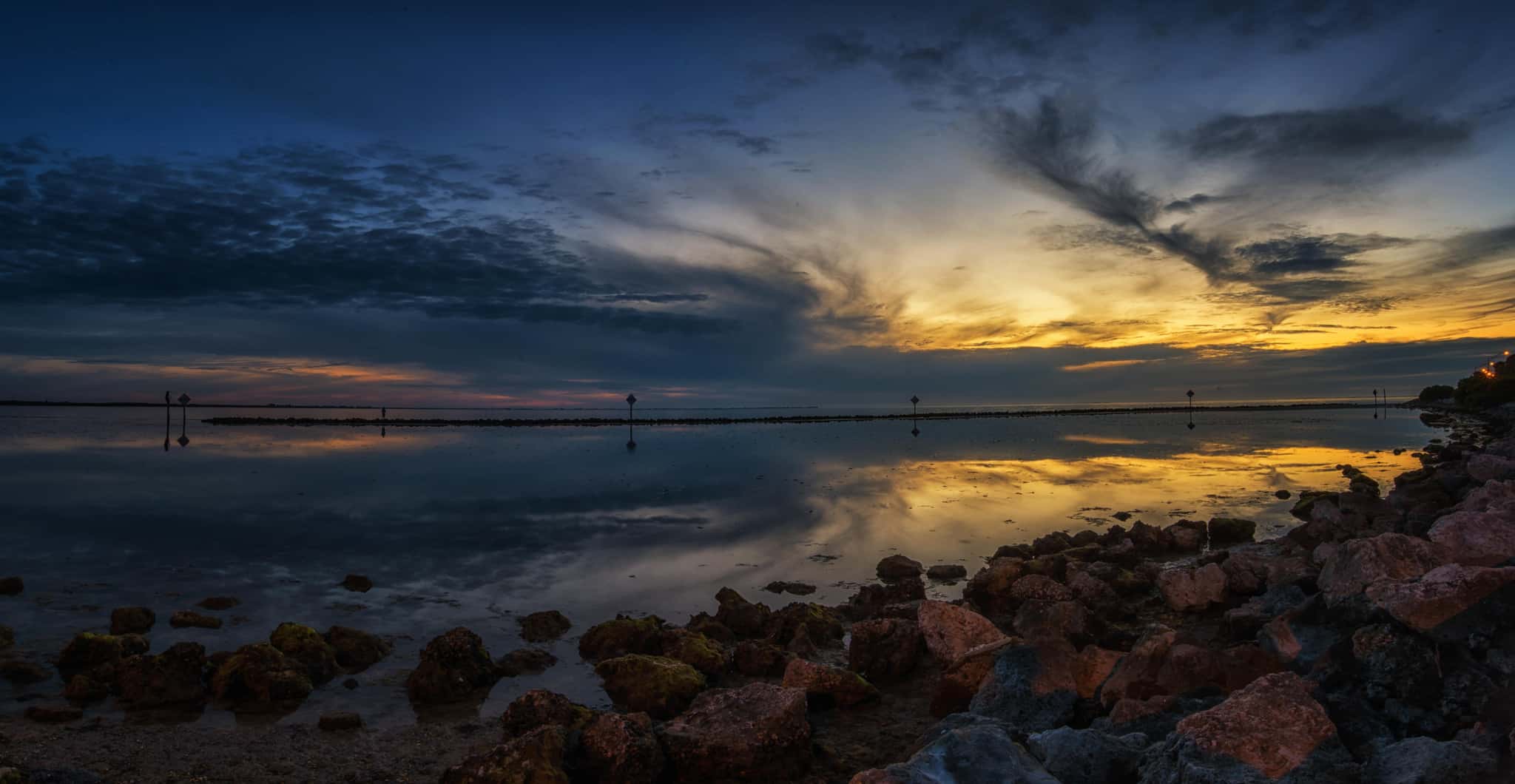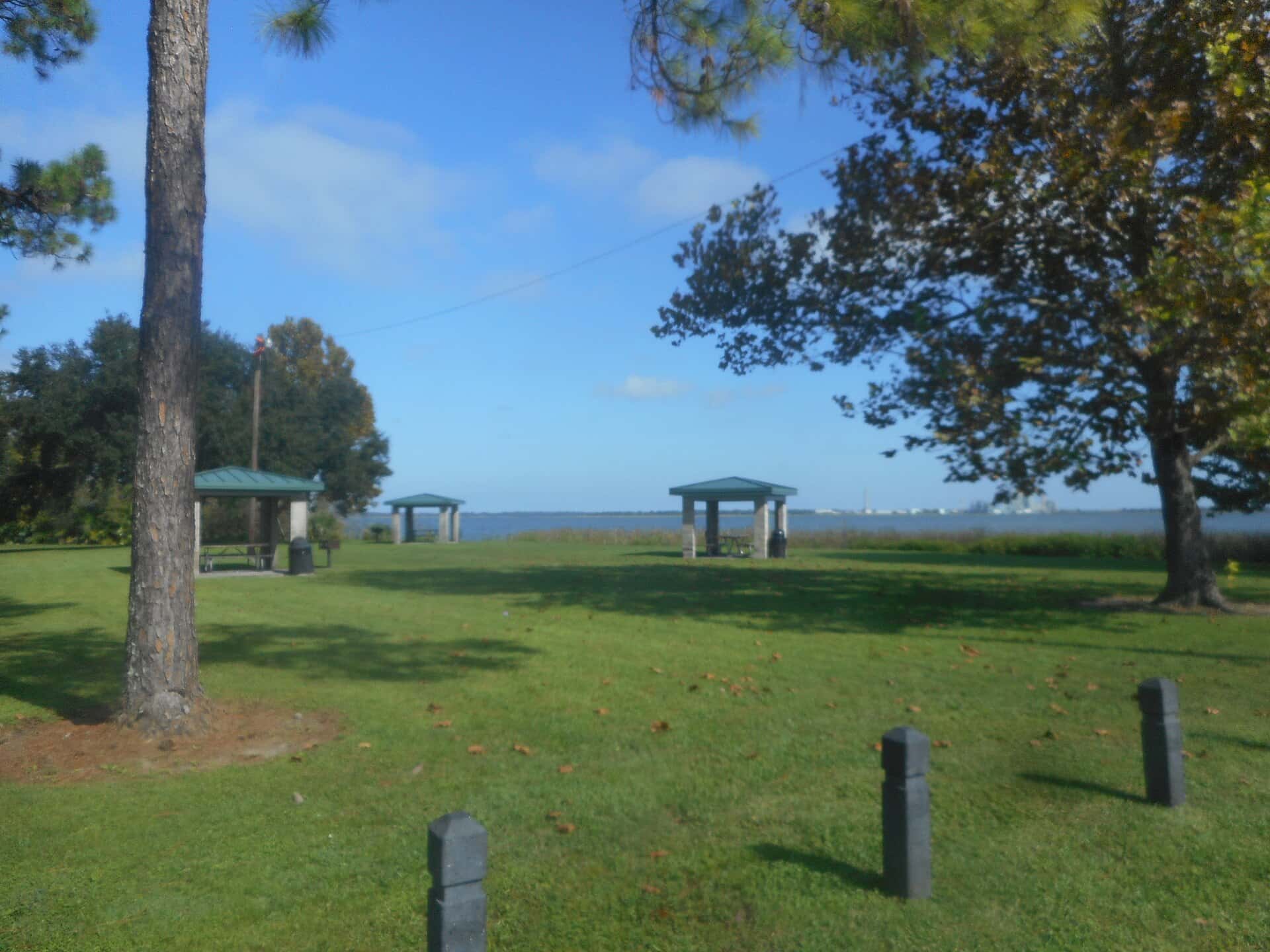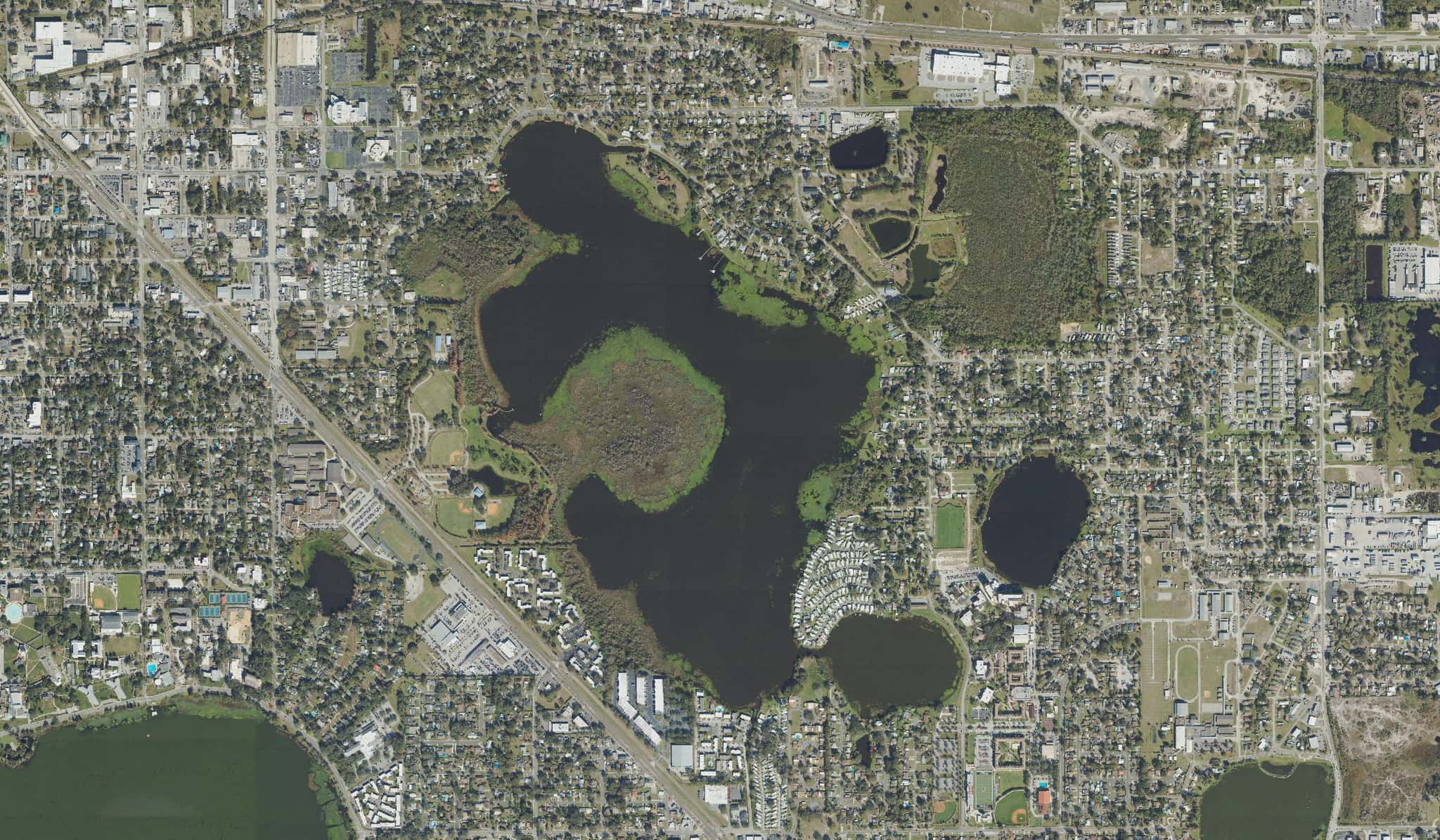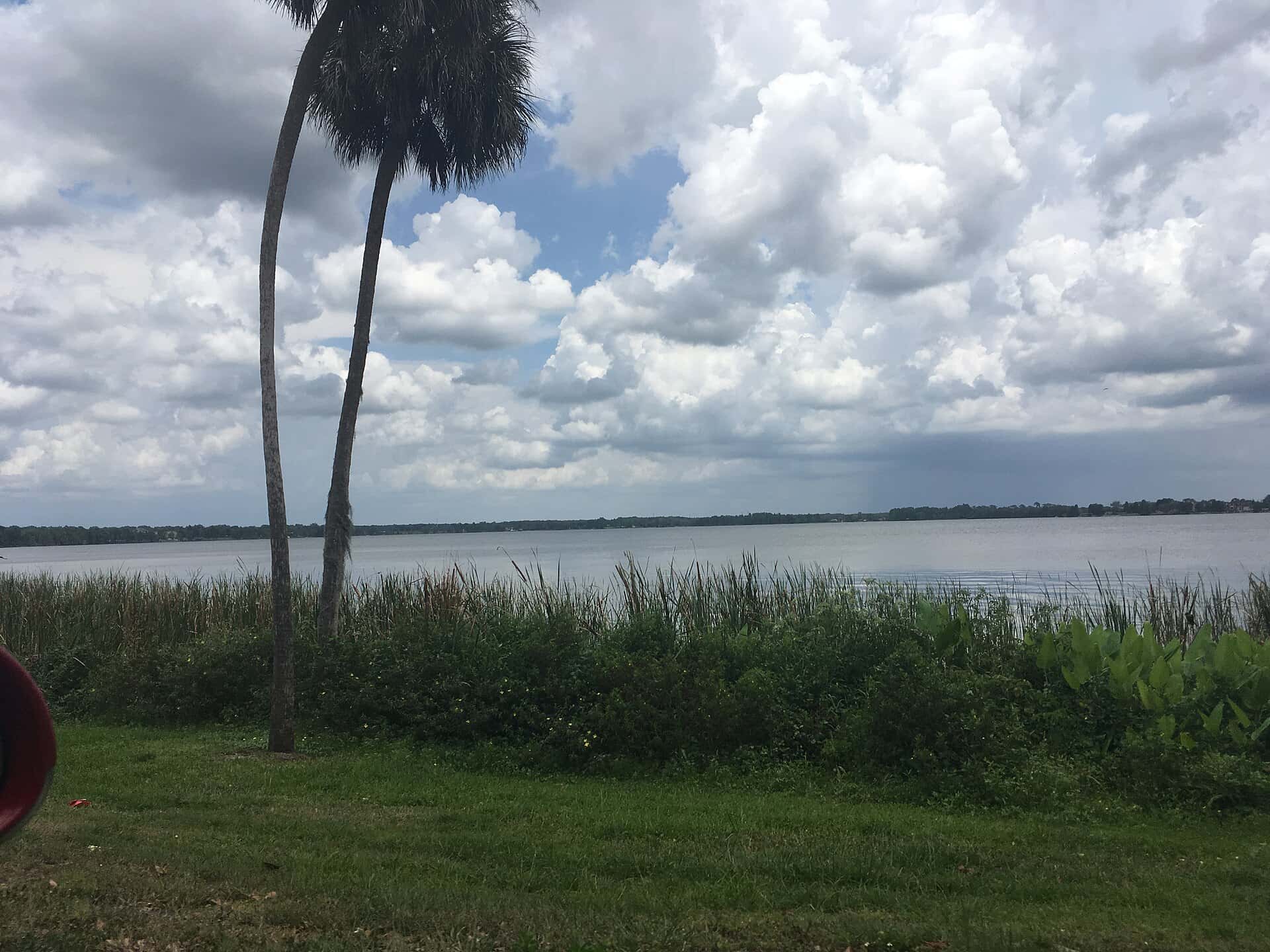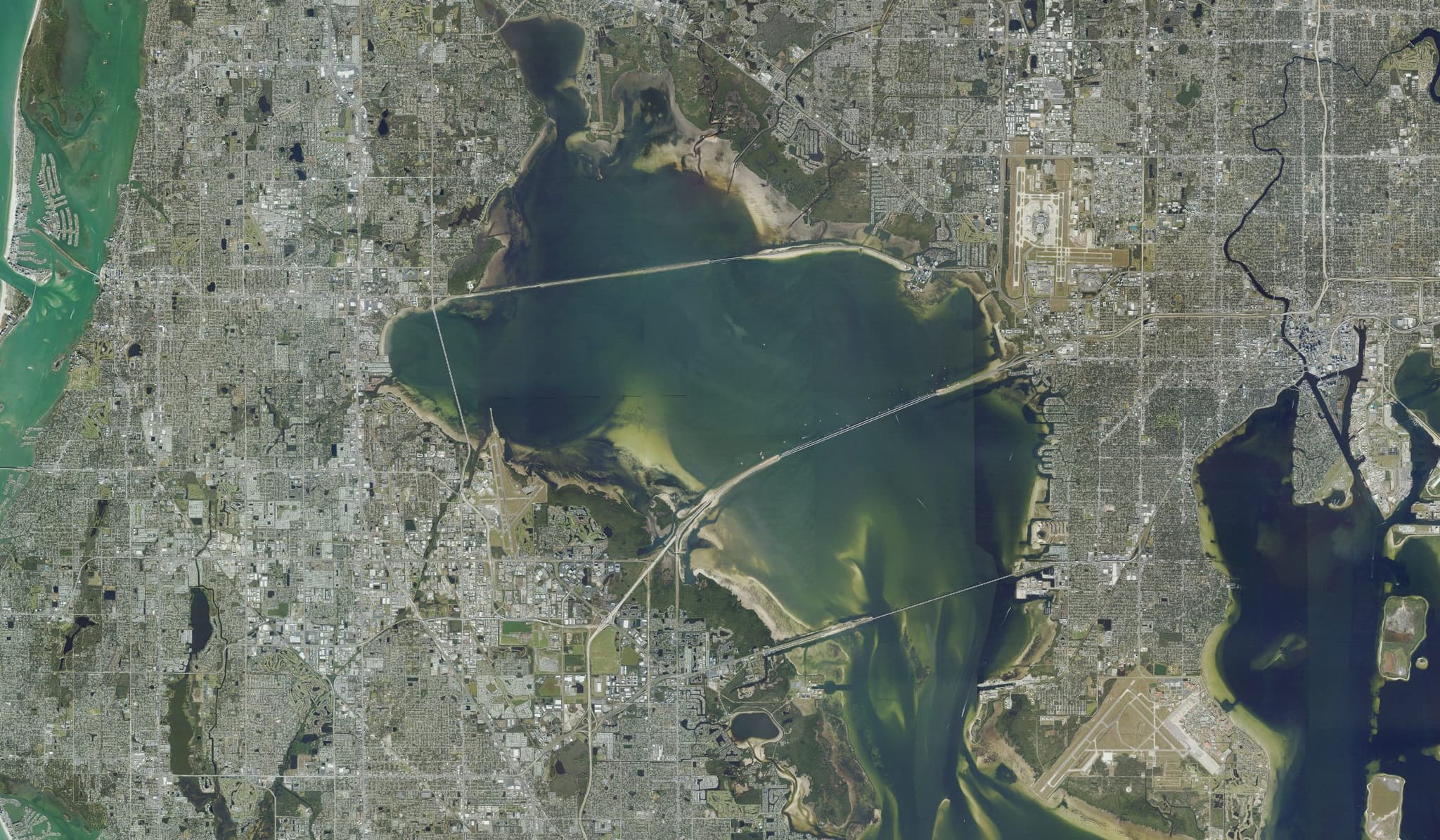
17 piers and shore spots on public waters near Tampa — no boat needed.
Distances are straight-line from downtown Tampa; below are the 10 closest, grouped by water.
Tampa Bay
Recorded in Tampa Bay: Common Snook, Spotted Seatrout, Red Drum, and Tarpon.
Surveyed depths in Tampa Bay reach 93 ft.
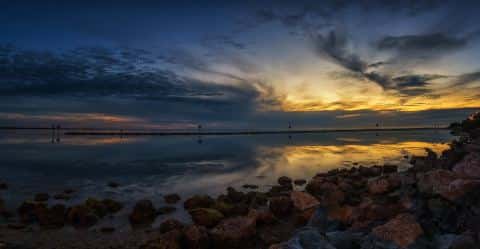
- 1Rivercrest Park: pier on Tampa Bay, ≈ 3.1 mi from downtown.
- 3Al Lopez Park: pier on Tampa Bay, ≈ 4.2 mi from downtown.
- 4Lowry Park: pier on Tampa Bay, ≈ 4.8 mi from downtown.
- 5Gadsden Park: pier on Tampa Bay, ≈ 5.9 mi from downtown.
- 6Bobby Hicks Park: pier on Tampa Bay, ≈ 5.9 mi from downtown.
- 7Williams Park: pier on Tampa Bay, ≈ 7.4 mi from downtown.
Old Tampa Bay
Recorded in Old Tampa Bay: Common Snook, Spotted Seatrout, Red Drum, and Tarpon.
Surveyed depths in Old Tampa Bay reach 93 ft.
- 2Ballast Point Park: pier on Old Tampa Bay, ≈ 4.1 mi from downtown.
- 8Picnic Island Fishing Pier: pier on Old Tampa Bay, ≈ 8.3 mi from downtown.
- 9Weedon Island: pier on Old Tampa Bay, ≈ 11.6 mi from downtown.
Clearwater Harbor
Recorded in Clearwater Harbor: Common Snook, Spotted Seatrout, Red Drum, and Tarpon.
Surveyed depths in Clearwater Harbor reach 26 ft.
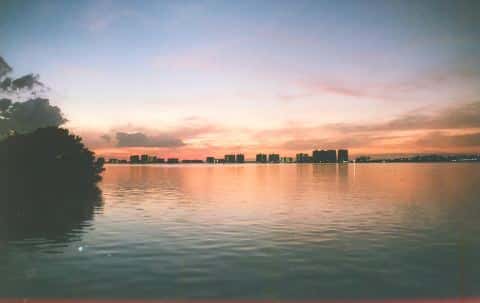
- 10Dunedin Marina/Pier: pier on Clearwater Harbor, ≈ 21 mi from downtown.
When the fish bite here
By our bite calendar, November is a slow month around Tampa for the fish recorded at these stops — the bars on each card show when each one picks up.
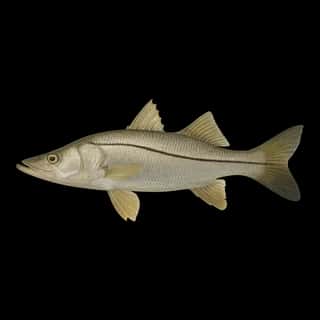 BrackishSlow
Common Snook
Centropomus undecimalis
Centropomidae
48 in50 lb15 yr57 watersGame fish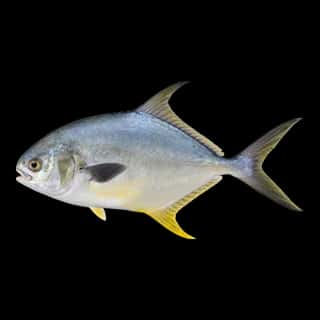 SaltwaterSlow
Florida Pompano
Trachinotus carolinus
Carangidae
24 in6 lb4 yr59 watersGame fish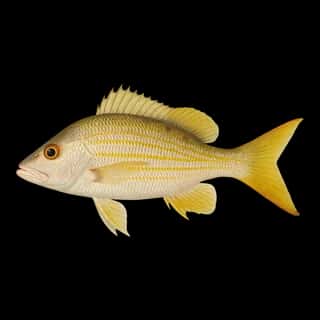 SaltwaterSlow
Lane Snapper
Lutjanus synagris
Lutjanidae
30 in12 lb10 yr32 watersGame fish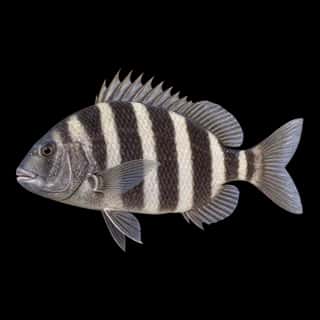 SaltwaterSlow
Sheepshead
Archosargus probatocephalus
Sparidae
36 in20 lb9 yr63 watersGame fish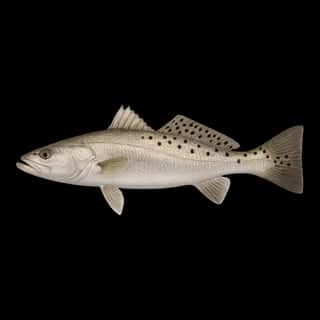 SaltwaterSlow
Spotted Seatrout
Cynoscion nebulosus
Sciaenidae
30 in10 lb5 yr58 watersGame fish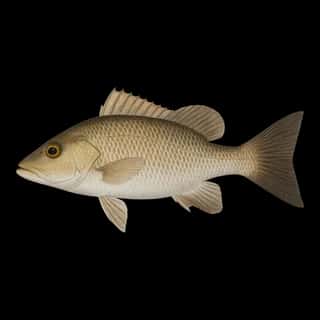 Saltwater
Gray Snapper
Lutjanus griseus
Lutjanidae
36 in20 lb10 yr55 watersGame fish