How to recognise it
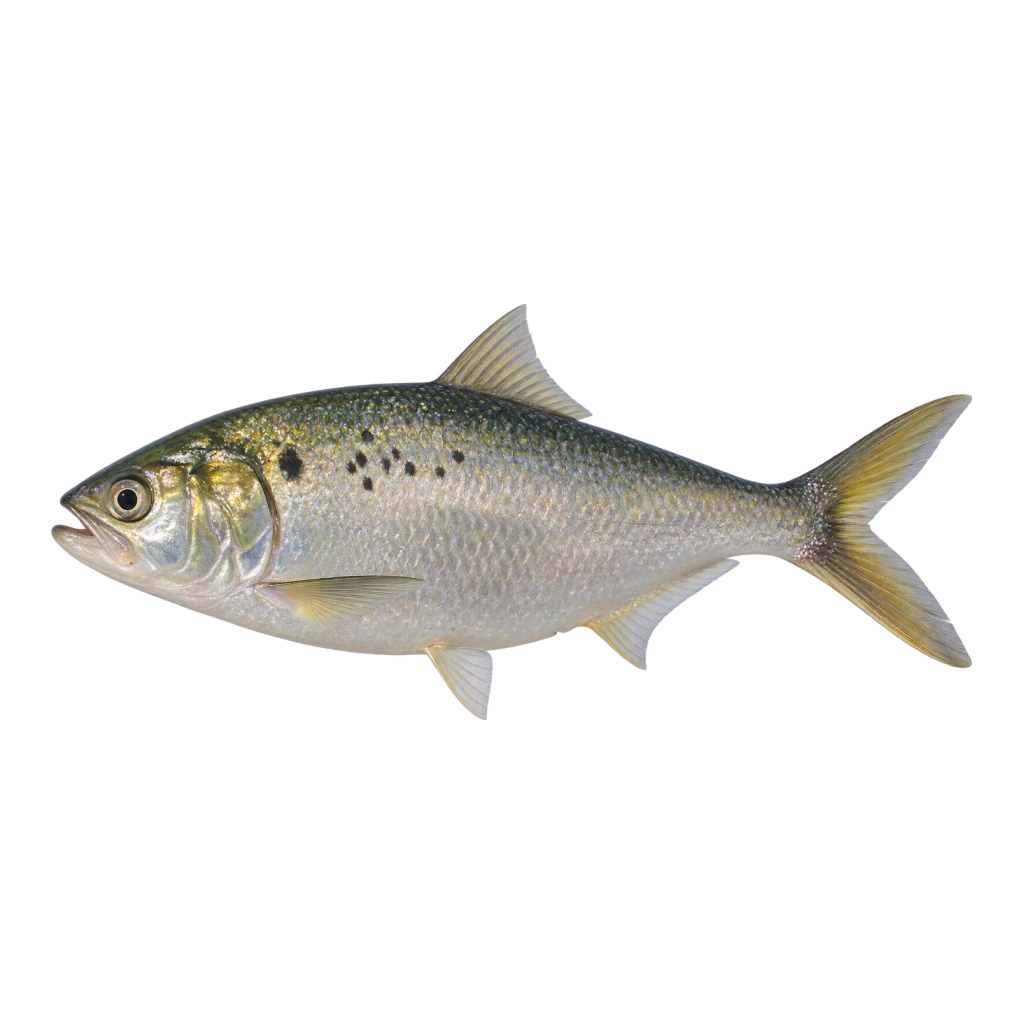
The Atlantic Menhaden (Brevoortia tyrannus) is a laterally compressed fish with a streamlined body. It has a bluish-green back, silver sides, and a white belly. The sides are marked with a series of small, dark spots. The dorsal fin is located far back on the body and has a distinct notch. The mouth is large and extends past the eyes, which are relatively small.
This species is often confused with the Gulf Menhaden (Brevoortia patronus). The key detail that separates them is the number of dorsal fin rays; the Atlantic Menhaden has 18 to 20 rays, while the Gulf Menhaden has 16 to 18.
Where it lives
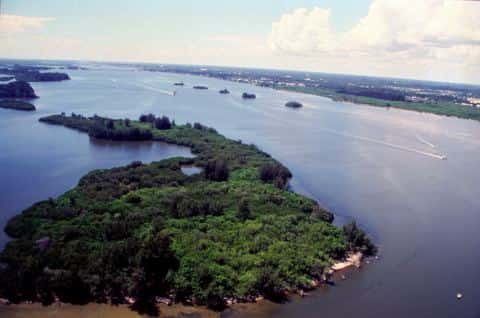
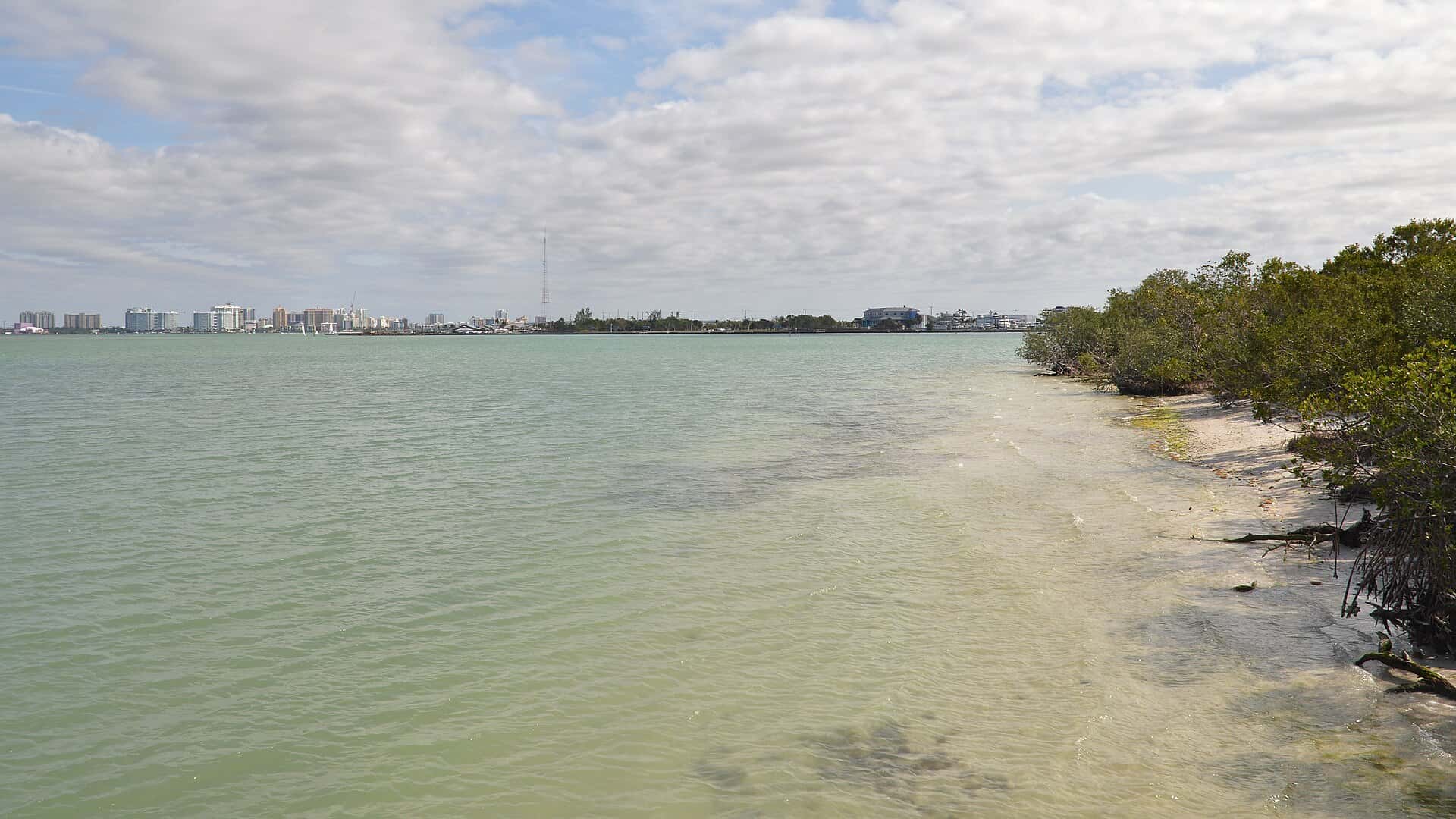
The Atlantic Menhaden is found along the eastern coast of the United States, from Maine to Florida. They inhabit estuaries, bays, and coastal waters. They prefer shallow waters, typically ranging from 10 to 30 feet deep. In the spring and summer, they move into shallower areas to spawn and feed. In the fall and winter, they migrate to deeper waters for protection from colder temperatures.
When it bites
Atlantic Menhaden are most active from May to October. They prefer water temperatures between 60°F and 75°F. Early morning and late afternoon are the best times to catch them. A passing front can increase their feeding activity, while strong winds may scatter schools. A full moon can also enhance their feeding behavior, making them more likely to bite.
How to catch it
To catch Atlantic Menhaden, use a cast net or a small hook rigged with a small piece of bait. Popular baits include small pieces of shrimp, cut bait, or even small jigs. Use hooks in the range of size 1 to 2/0. A light spinning rod with a 10 to 20-pound test line is recommended. Cast near schools of fish or around structures like piers and jetties. Retrieve the bait slowly to mimic natural movement.
Size, age and the table
Anglers typically encounter Atlantic Menhaden ranging from 12 to 20 inches in length. A trophy fish is considered to be over 24 inches. They grow quickly, reaching maturity in about 2 to 3 years and can live up to 10 years. While they are not commonly targeted for eating, they are known for their high oil content and are often used as bait. Handle them carefully to ensure a successful release back into the water.