Main Dish
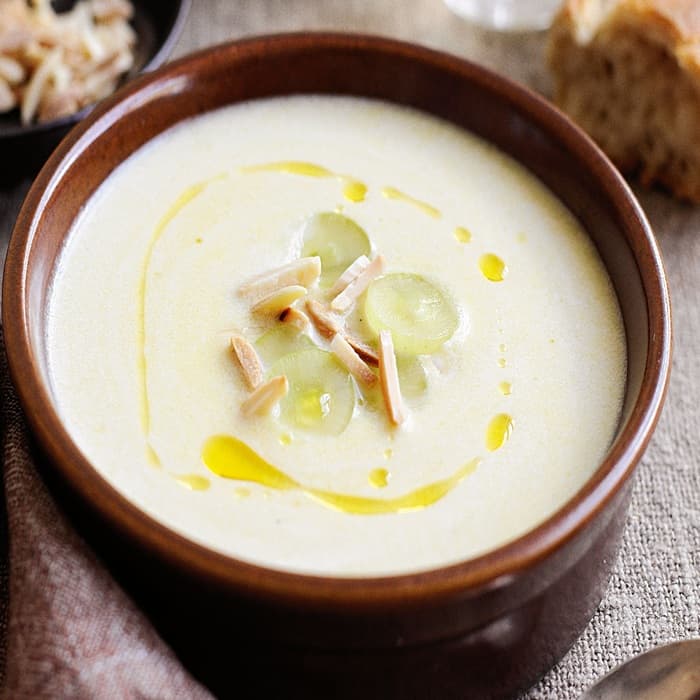
Ajo blanco
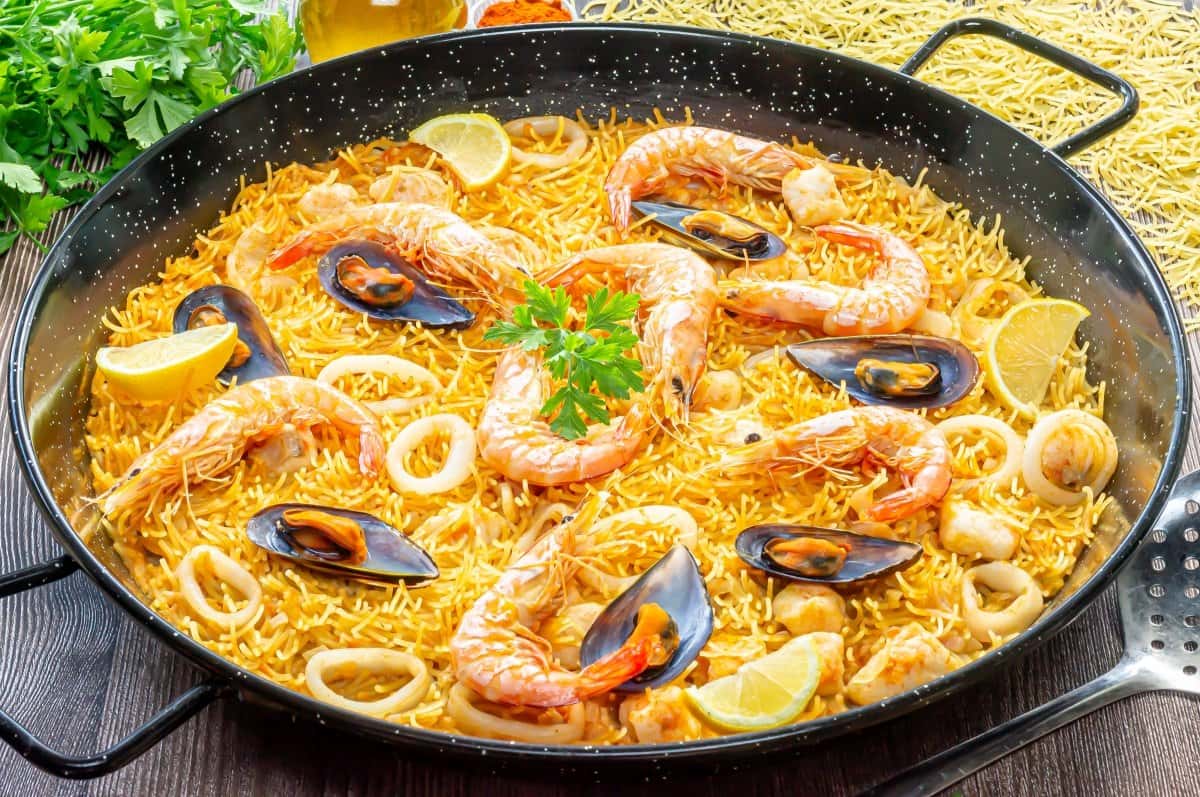
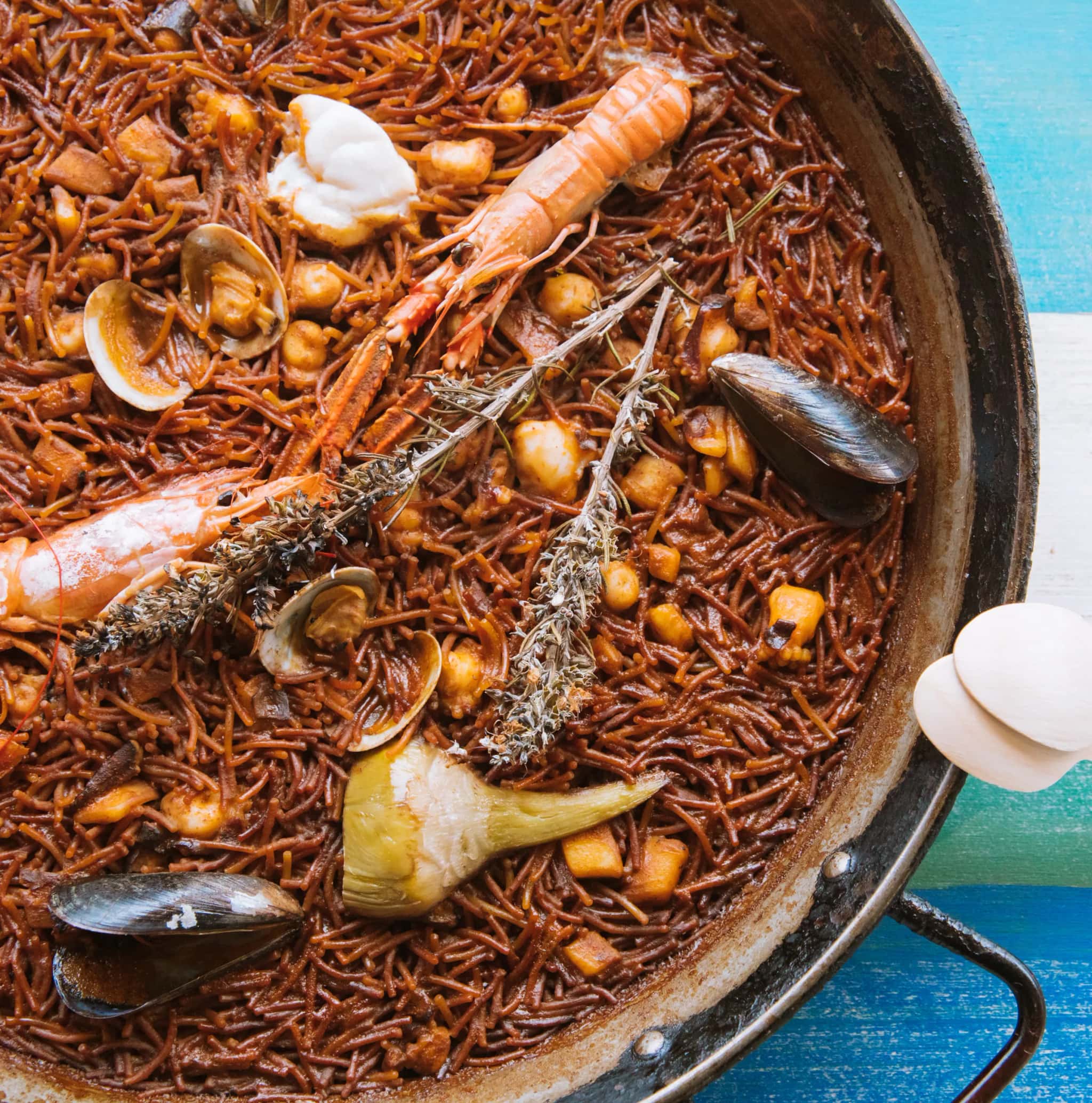
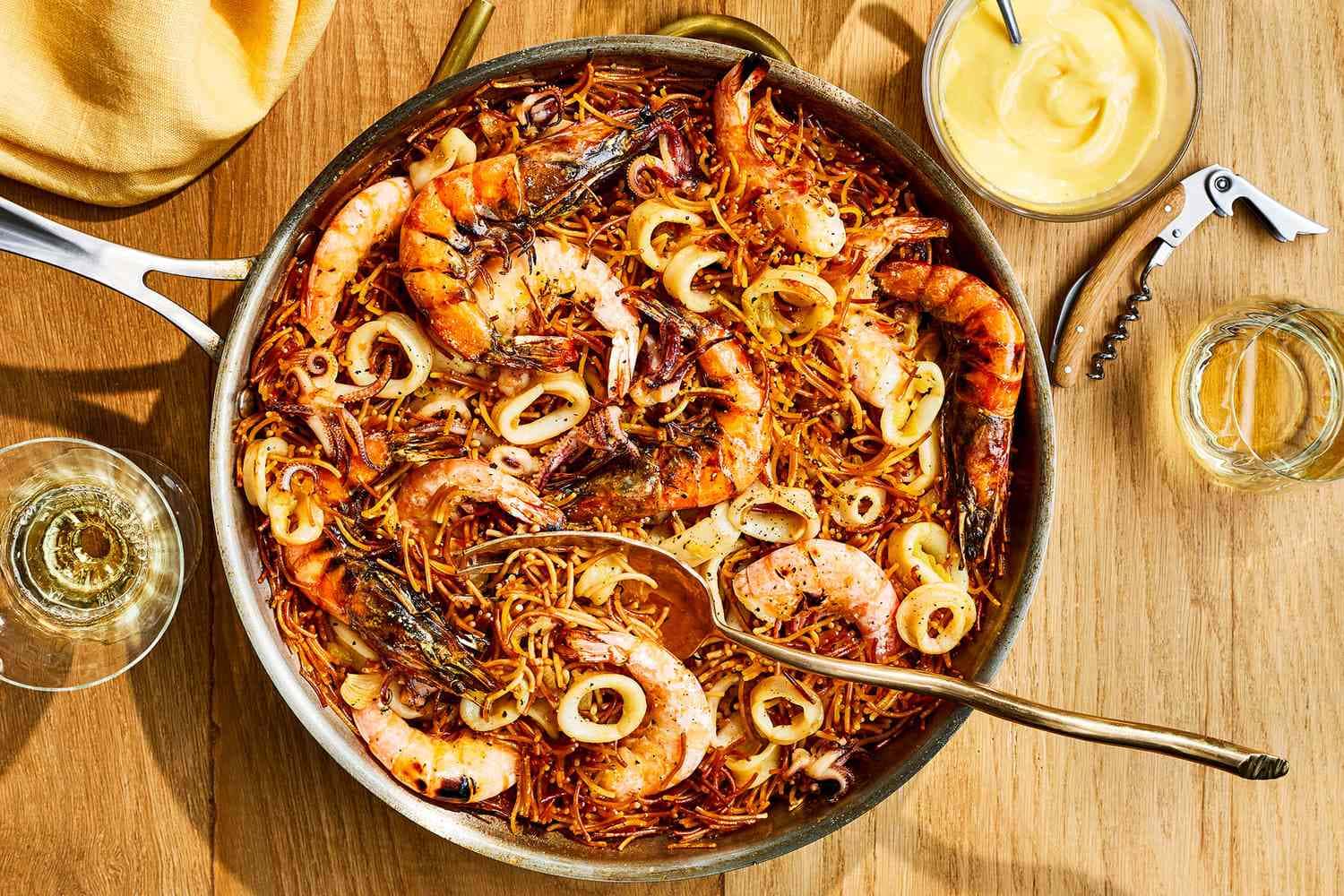
Seafood fideuà is a dish that embodies the essence of coastal Spain, particularly the region of Valencia. Often compared to paella, this dish stands out with its unique use of vermicelli pasta instead of rice, creating a delightful texture that soaks up the rich flavors of the sea. The combination of fresh seafood, aromatic spices, and a touch of saffron makes it a cherished meal among locals and visitors alike.
The origins of fideuà can be traced back to the fishing communities along the Mediterranean coast. It is said to have been created by fishermen who, after a long day at sea, wanted to prepare a quick meal using the catch of the day. Instead of rice, they turned to pasta, which was more readily available. Over time, this humble dish evolved into a beloved staple, particularly in Valencia, where it is often enjoyed during family gatherings and festive occasions.
Traditional seafood fideuà is made with a specific set of ingredients that highlight the bounty of the Mediterranean. The dish typically includes 400 grams of mussels, 8 prawns, and a tail of monkfish, which provide a robust seafood flavor. Baby squid adds a tender texture, while the vermicelli pasta, about 350 grams, absorbs the essence of the fish stock. The use of saffron, with its delicate aroma and golden hue, is essential, as it infuses the dish with warmth and depth. A large onion, three cloves of garlic, and two large tomatoes contribute to the base, while olive oil and paprika add richness and a hint of smokiness. Finally, a squeeze of lemon juice and a sprinkle of parsley on top brighten the dish, making it visually appealing.
Cooking seafood fideuà involves a few key techniques that enhance its flavor. The process begins by sautéing the onion and garlic in olive oil until they become translucent, releasing their sweet aroma. Next, the chopped tomatoes are added, creating a luscious base. The paprika and saffron are stirred in, allowing their flavors to meld. The vermicelli pasta is then introduced, toasting it slightly in the mixture before adding the fish stock. This step is crucial, as it allows the pasta to absorb the stock's flavors as it cooks. The seafood is added towards the end, ensuring it remains tender and succulent. The dish is typically cooked in a wide, shallow pan, which allows for even cooking and a slight crispness on the bottom, known as "socarrat."
While traditional fideuà is beloved, there are also modern variations that reflect contemporary tastes. Some chefs experiment with different types of seafood, such as scallops or clams, while others incorporate vegetables for added color and nutrition. In some regions, you might find fideuà made with a spicy twist, incorporating chili peppers or even a touch of curry powder for a unique flavor profile. These adaptations showcase the versatility of the dish while still honoring its roots.
Culturally, seafood fideuà is often enjoyed during gatherings, particularly on weekends or special occasions. It is common for families to come together around a large pan, sharing the meal and enjoying each other's company. In coastal towns, it is not unusual to find fideuà served at beachside restaurants, where the sound of waves complements the aroma of the dish. It is traditionally accompanied by a glass of local wine or a refreshing beer, enhancing the overall experience.
For those interested in preparing seafood fideuà at home, here are a few tips to elevate your dish. First, always use fresh seafood when possible, as it significantly impacts the flavor. If you can find it, opt for homemade fish stock; it adds a depth that store-bought versions often lack. Additionally, don’t rush the cooking process. Allow the pasta to absorb the stock fully, and resist the urge to stir it too much once the seafood is added. This will help achieve that coveted socarrat at the bottom of the pan.
In summary, seafood fideuà is more than just a meal; it is a celebration of Spanish coastal culture and a testament to the region's culinary heritage. Whether enjoyed in a bustling restaurant or prepared at home, this dish invites you to savor the flavors of the sea and the warmth of shared experiences. If you find yourself in Spain, especially in Valencia, be sure to indulge in this delightful dish and appreciate the history and tradition that come with every bite.
Mussels
400g
Prawns
8
Saffron
2 pinches
Vermicelli Pasta
350g
Olive Oil
5 tblsp
Onions
1 large
Garlic
3 cloves
Paprika
2 tbs
Monkfish
1 tail
Baby Squid
4
Fish Stock
650ml
Tomatoes
2 large
Lemon
Juice of 1
Parsley
Topping
Discover traditional dishes, regional specialties, and the authentic flavors that define the local culinary heritage.
Ajo blanco
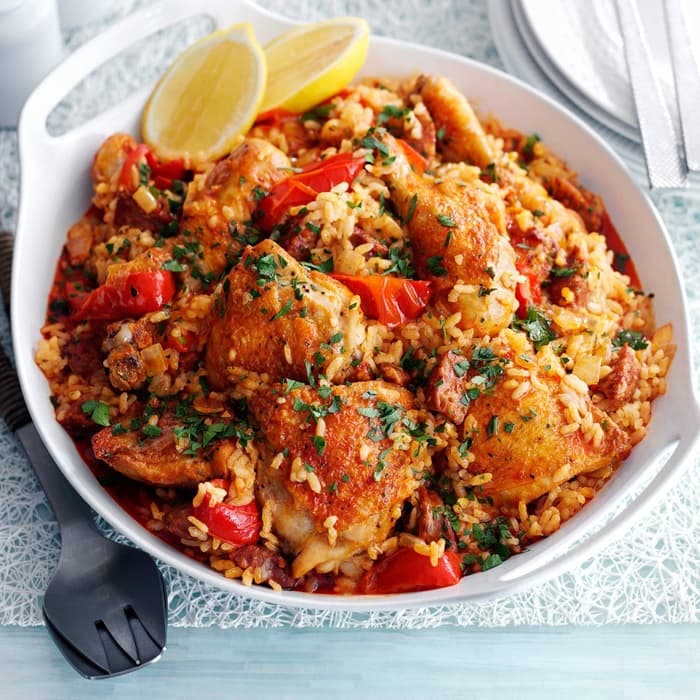
Chicken & chorizo rice pot
15
15 dishes
Discover traditional dishes, regional specialties, and the authentic flavors that define the local culinary heritage.
Pick the waterbefore the weekend
Filter by depth, species, boat ramps and camps — then check the bite forecast for the day you are going.