Main Dish
Chicken & chorizo rice pot

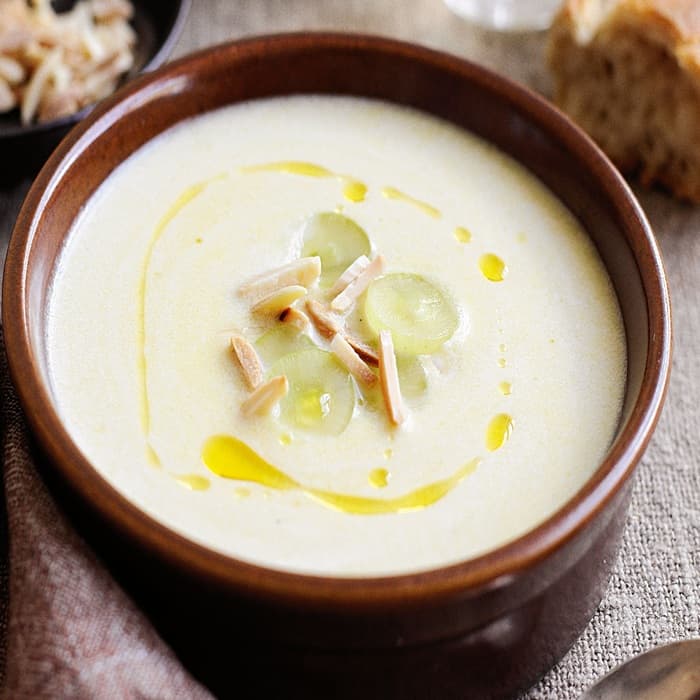
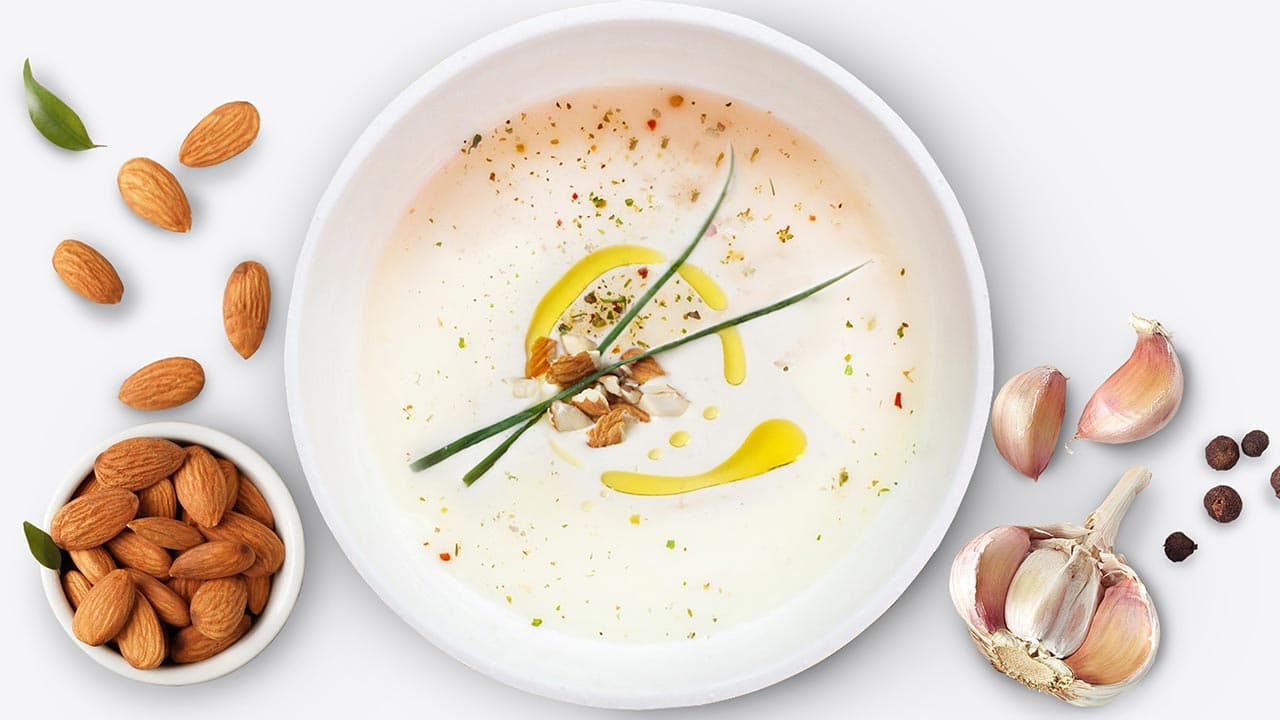
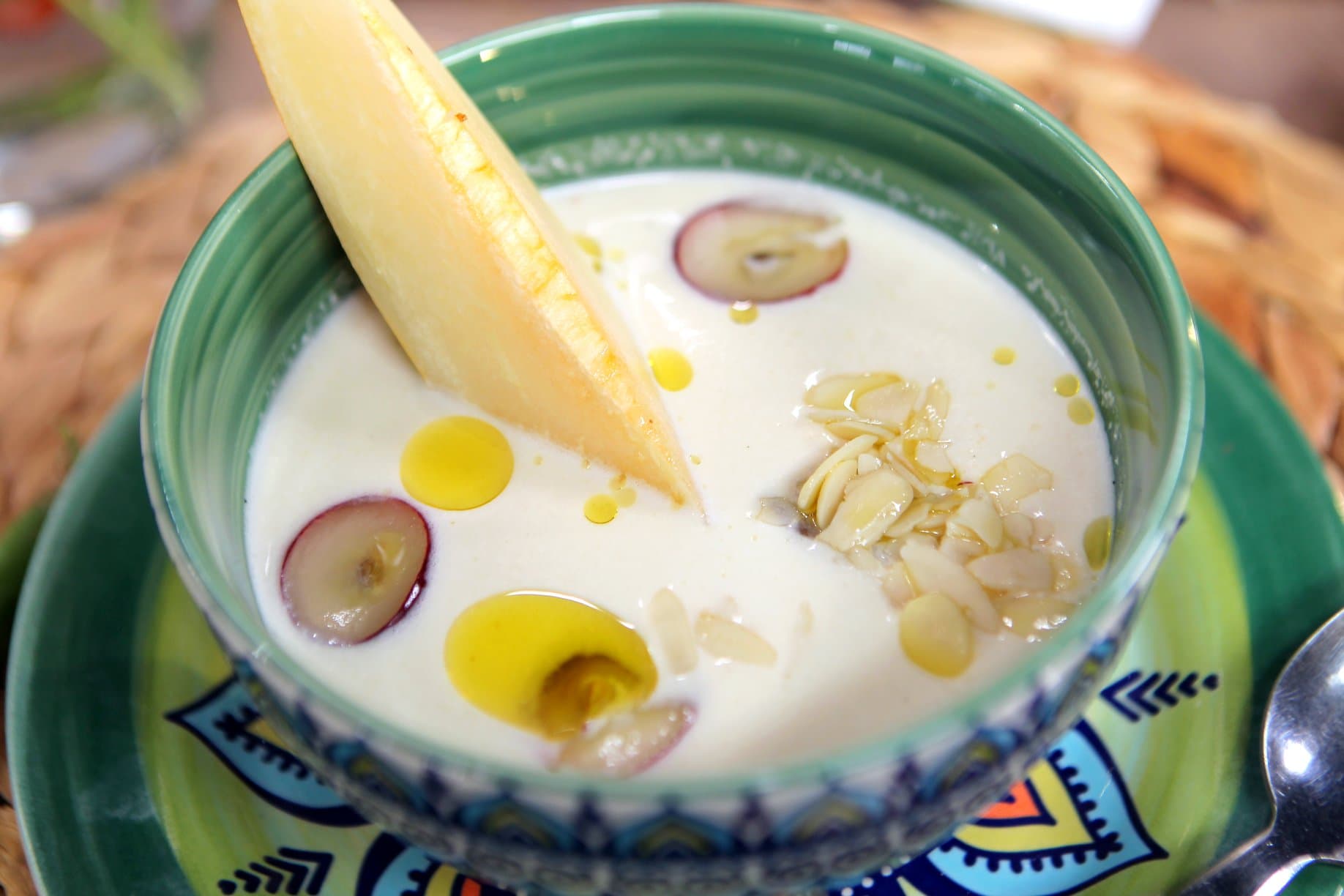
Ajo blanco is a traditional Spanish cold soup that embodies the essence of Mediterranean cuisine. Originating from the southern region of Andalusia, this dish is a refreshing blend of simple ingredients that come together to create a creamy, nutty, and slightly tangy experience. It’s not just a meal; it’s a taste of history and culture, often enjoyed during the hot summer months when lighter fare is preferred.
The roots of ajo blanco can be traced back to ancient times, with its origins linked to the Moorish influence in Spain. The Moors introduced almonds and other nuts to the Iberian Peninsula, which became staples in the local diet. Over centuries, this dish evolved, particularly in Andalusia, where it was embraced by local communities. The name itself translates to "white garlic," reflecting its main flavor components. Historically, it was a dish of the peasants, made from what was readily available, yet it has since gained recognition in fine dining, showcasing the versatility of humble ingredients.
At its core, the traditional recipe for ajo blanco includes white bread, almonds, extra virgin olive oil, garlic, and red wine vinegar. The white bread, typically stale, serves as a thickening agent, while the almonds provide a rich, creamy texture and a subtle sweetness. The extra virgin olive oil, a staple in Spanish cooking, adds depth and a fruity aroma that enhances the overall flavor profile. A single garlic clove infuses the dish with a gentle pungency, while the red wine vinegar introduces a necessary acidity that balances the richness of the other ingredients. Each component plays a crucial role, contributing to the dish's signature taste.
Preparing ajo blanco is a straightforward process that highlights the beauty of simplicity. To start, the almonds are often blanched to remove their skins, which results in a smoother texture. The stale white bread is soaked in water to soften it, making it easier to blend. In a food processor, the soaked bread, blanched almonds, garlic, and a generous drizzle of extra virgin olive oil are combined. The mixture is then blended until it reaches a silky consistency. Gradually, cold water is added to achieve the desired thickness, and a splash of red wine vinegar is incorporated to brighten the flavors. The soup is then chilled, allowing the flavors to meld together beautifully before serving.
While the traditional version of ajo blanco is beloved, modern adaptations have emerged, reflecting contemporary tastes and culinary creativity. Some chefs experiment by adding fresh herbs like basil or mint for a refreshing twist. Others might incorporate seasonal fruits, such as grapes or melon, which can be served alongside or blended into the soup for added sweetness. These variations maintain the essence of the dish while offering a fresh perspective, appealing to a broader audience.
Culturally, ajo blanco is often enjoyed as a starter or a light main course, particularly during the sweltering summer months in Spain. It is common to find it served at family gatherings, picnics, and festive occasions. The dish pairs beautifully with a side of grapes or a drizzle of sweet Pedro Ximénez sherry, which complements the nutty flavors of the almonds. It’s a dish that invites sharing and conversation, making it a staple in communal dining settings.
For those looking to delve deeper into the world of ajo blanco, here are a few interesting insights. First, while the dish is primarily associated with Andalusia, variations can be found throughout Spain, each with its own regional twist. In some areas, for instance, you might encounter ajo blanco garnished with diced vegetables or even seafood, showcasing local ingredients.
Another tip for making an exceptional ajo blanco is to use high-quality extra virgin olive oil. The oil not only contributes to the flavor but also enhances the texture, making the soup luxuriously smooth. Lastly, consider serving it in chilled bowls to maintain its refreshing nature, especially on hot days.
In conclusion, ajo blanco is more than just a cold soup; it’s a reflection of Spain’s rich culinary heritage. With its simple yet profound ingredients, it offers a taste of the Mediterranean that is both satisfying and nourishing. Whether you’re enjoying it in a bustling tapas bar in Seville or preparing it at home, this dish invites you to savor the flavors of Spain’s history and culture.
White bread
150g
Almonds
200g
Extra Virgin Olive Oil
50 ml
Garlic Clove
1
Red Wine Vinegar
1 ½ tbsp
Discover traditional dishes, regional specialties, and the authentic flavors that define the local culinary heritage.
Chicken & chorizo rice pot
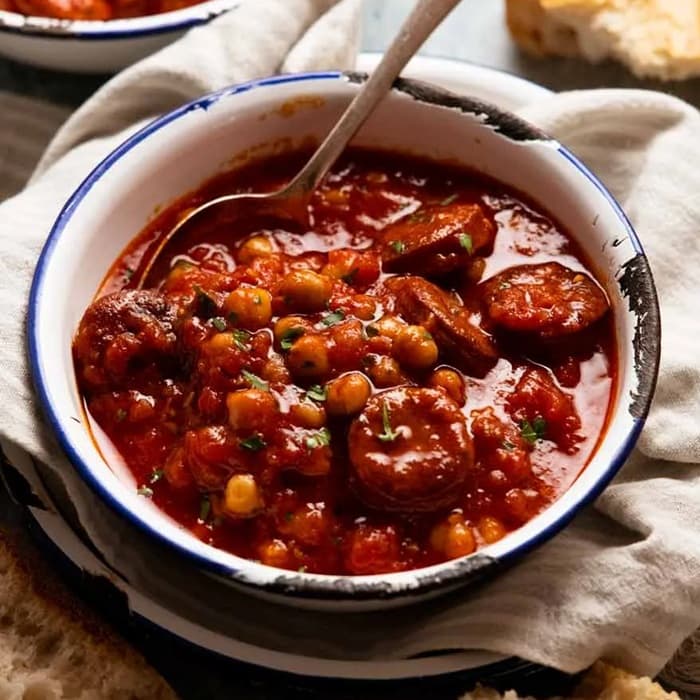
Chorizo & chickpea soup
15
15 dishes
Discover traditional dishes, regional specialties, and the authentic flavors that define the local culinary heritage.

Start your adventure today. Explore stunning destinations and enjoy tailored, expert-guided travel experiences across Europe and beyond.