Main Dish
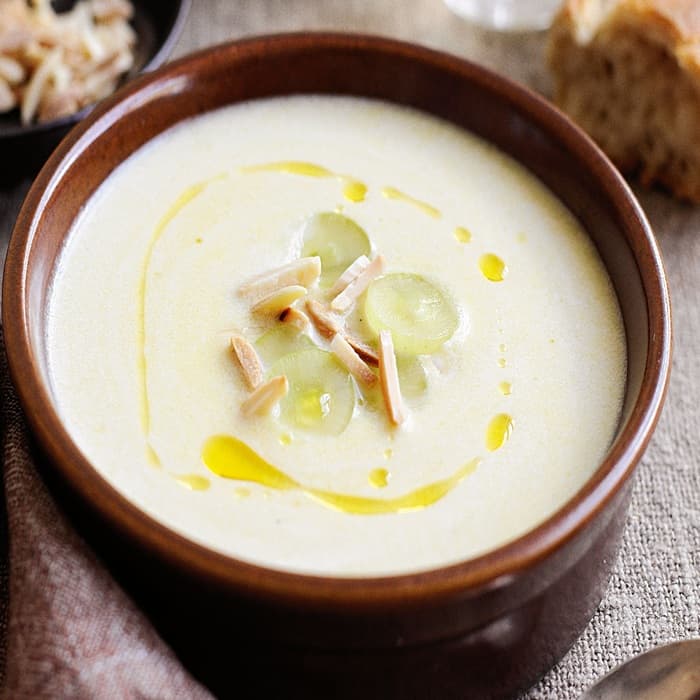
Ajo blanco
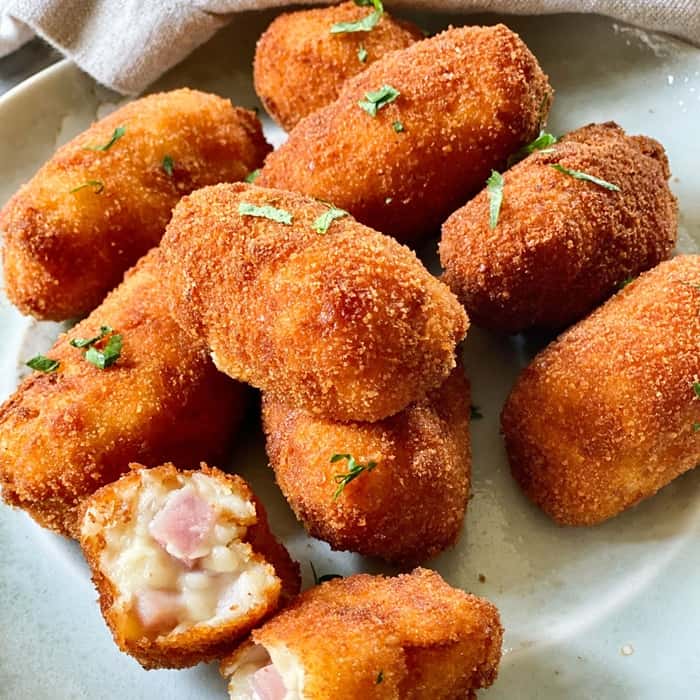

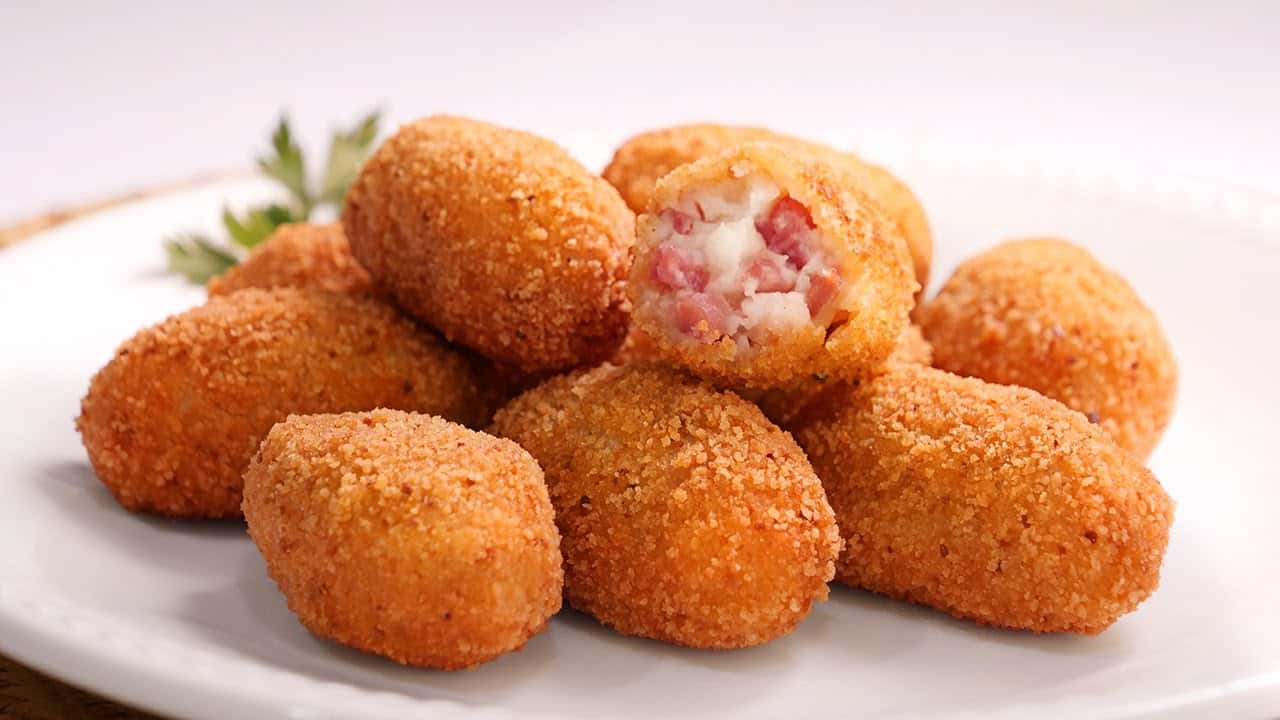
Ham croquetas are a beloved staple in Spanish cuisine, often found in tapas bars and family kitchens alike. These small, golden-brown bites are filled with a creamy mixture that typically features jamón ibérico, a type of cured ham that is renowned for its rich, savory flavor. The croquetas are not just a dish; they represent a cultural connection to Spain's culinary traditions, showcasing the country's love for simple yet satisfying food.
The origins of ham croquetas can be traced back to the 19th century in Spain, where they were created as a way to use up leftover meat. The concept of croquetas is believed to have been inspired by similar dishes in France, but over time, they evolved into a distinctly Spanish creation. The name "croqueta" comes from the French word "croquer," meaning "to crunch," which perfectly describes the delightful texture of the dish. As Spain's culinary scene developed, so did the croqueta, with variations popping up across different regions, each adding their own twist to the classic recipe.
To make authentic ham croquetas, a few key ingredients are essential. The base starts with plain flour, which is used to create a roux, combined with milk and vegetable stock to form a creamy béchamel. For this recipe, you will need 75 grams of plain flour for the roux and an additional 60 grams to coat the croquetas. The richness comes from the addition of 330 ml of milk and 75 ml of vegetable stock, which together create a smooth filling. The star ingredient, jamón ibérico, is used in a generous amount of 70 grams, lending its unique flavor to the mixture. A hint of grated nutmeg adds warmth and depth, while the leeks, finely chopped, bring a subtle sweetness. Finally, the croquetas are coated in breadcrumbs and fried in sunflower oil, resulting in a crispy exterior that contrasts beautifully with the creamy inside.
The cooking method for ham croquetas is quite straightforward but requires a bit of patience. First, you start by sautéing the finely chopped leek in extra virgin olive oil, allowing it to soften and release its aroma. Then, you add the first portion of plain flour to create a roux, cooking it briefly before gradually whisking in the milk and vegetable stock. This step is crucial; it’s important to stir continuously to avoid lumps and achieve a silky texture. Once the mixture thickens, you fold in the chopped jamón ibérico and grated nutmeg, allowing the flavors to meld together. After the filling cools, it is shaped into small cylinders, coated in flour, dipped in beaten eggs, and rolled in breadcrumbs. Finally, the croquetas are fried until they reach a beautiful golden color, creating a satisfying crunch when bitten into.
While the traditional ham croqueta remains a favorite, there are several modern variations that have emerged. Some chefs experiment with different fillings, incorporating ingredients like cheese, seafood, or even vegetables, while others play with the frying technique, opting for baking or air frying for a lighter version. In regions like Andalusia, you might find croquetas made with local fish or even wild game, showcasing the diversity of ingredients available throughout Spain. These adaptations reflect the creativity of contemporary Spanish cuisine while still honoring the classic roots of the dish.
Culturally, ham croquetas are often enjoyed as a tapa, served alongside drinks in bars or at family gatherings. They are a common sight at celebrations, from birthdays to holidays, where they are shared among friends and family. The act of sharing food is deeply ingrained in Spanish culture, and croquetas are a perfect example of this communal spirit. They are typically eaten as a snack or appetizer, but they can also be served as a main dish, especially when accompanied by a fresh salad or a side of roasted vegetables.
For those looking to delve deeper into the world of ham croquetas, here are a few interesting insights. First, the quality of the jamón ibérico is paramount; the better the ham, the more flavorful your croquetas will be. Look for jamón that has been aged for at least 36 months for the best taste. Additionally, while sunflower oil is commonly used for frying due to its high smoke point, many chefs recommend using a blend of sunflower and extra virgin olive oil for added flavor. Lastly, if you want to make your croquetas ahead of time, they freeze beautifully. Just shape and coat them before freezing, and you can fry them straight from the freezer whenever the craving strikes.
In summary, ham croquetas are more than just a dish; they are a reflection of Spain's culinary heritage and a testament to the creativity of its people. Whether enjoyed in a bustling tapas bar or made at home with loved ones, these little bites of joy encapsulate the essence of Spanish cooking—simple, flavorful, and meant to be shared.
Plain Flour
75g
Egg
2 large
Breadcrumbs
75g
Sunflower Oil
For frying
Extra Virgin Olive Oil
4 tbsp
Leek
1/2
jamón ibérico
70g
Plain Flour
60g
Vegetable Stock
75 ml
Milk
330ml
Nutmeg
Grated
Discover traditional dishes, regional specialties, and the authentic flavors that define the local culinary heritage.
Ajo blanco
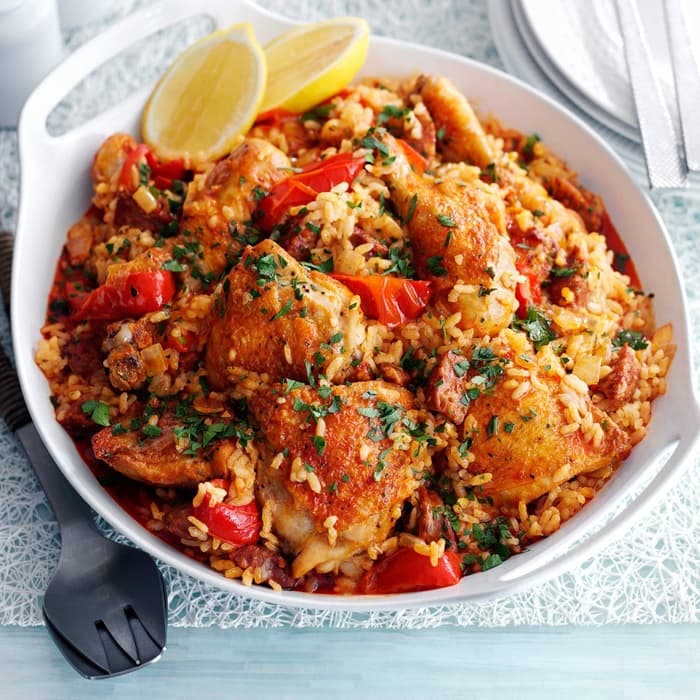
Chicken & chorizo rice pot
15
15 dishes
Discover traditional dishes, regional specialties, and the authentic flavors that define the local culinary heritage.
Pick the waterbefore the weekend
Filter by depth, species, boat ramps and camps — then check the bite forecast for the day you are going.