Main Dish
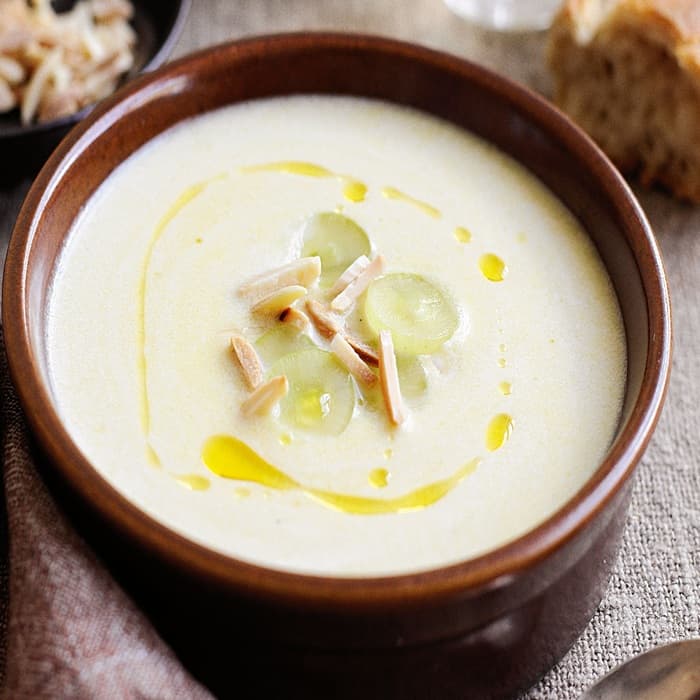
Ajo blanco

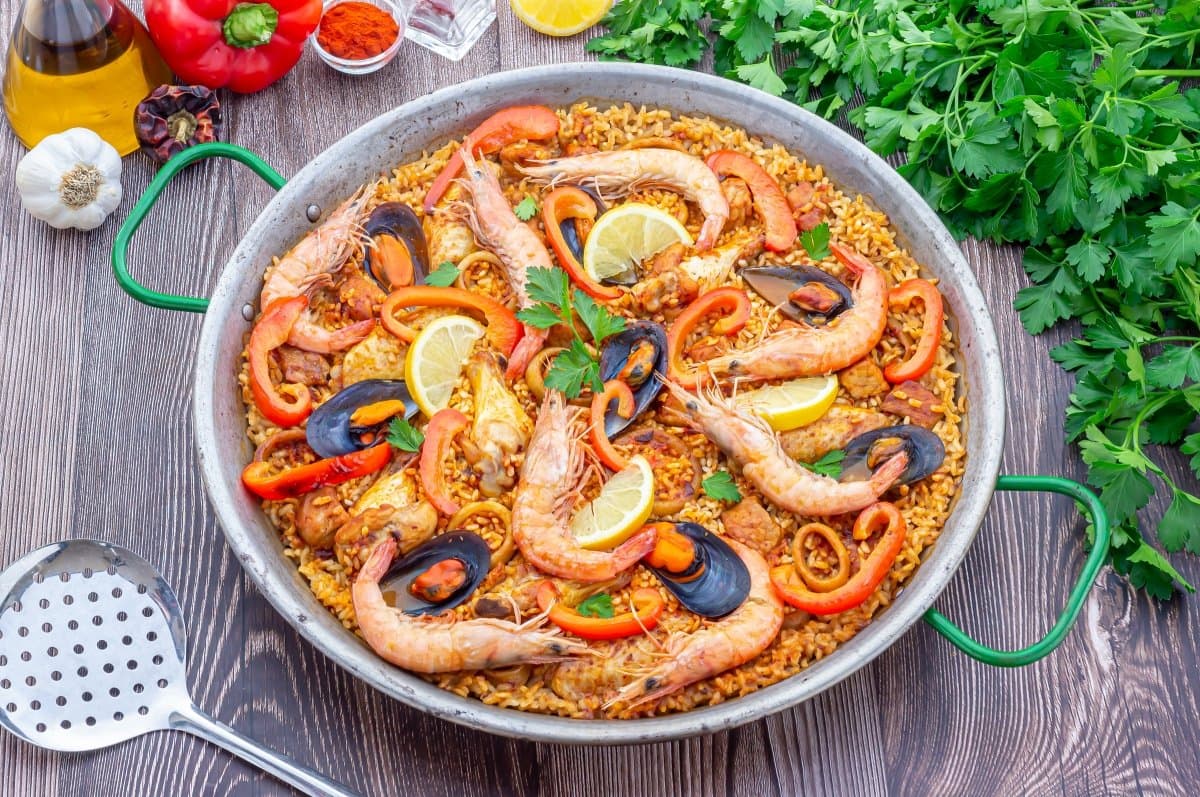
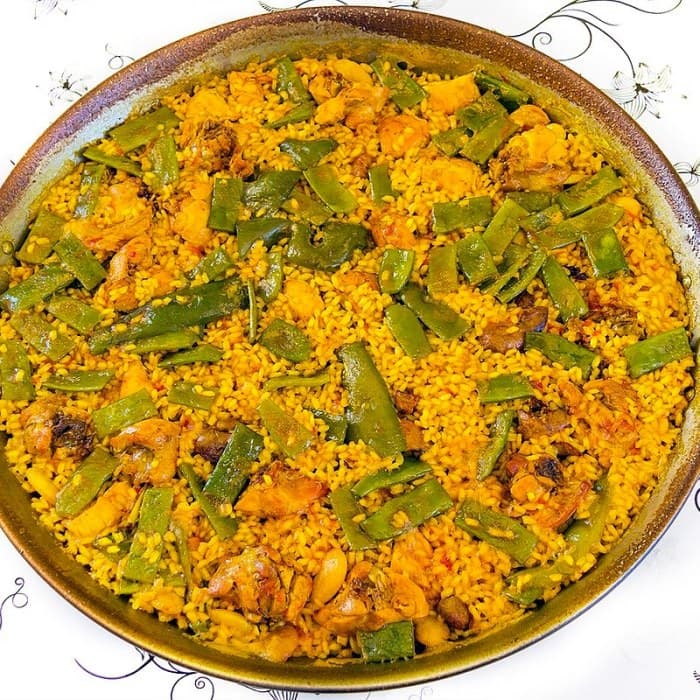
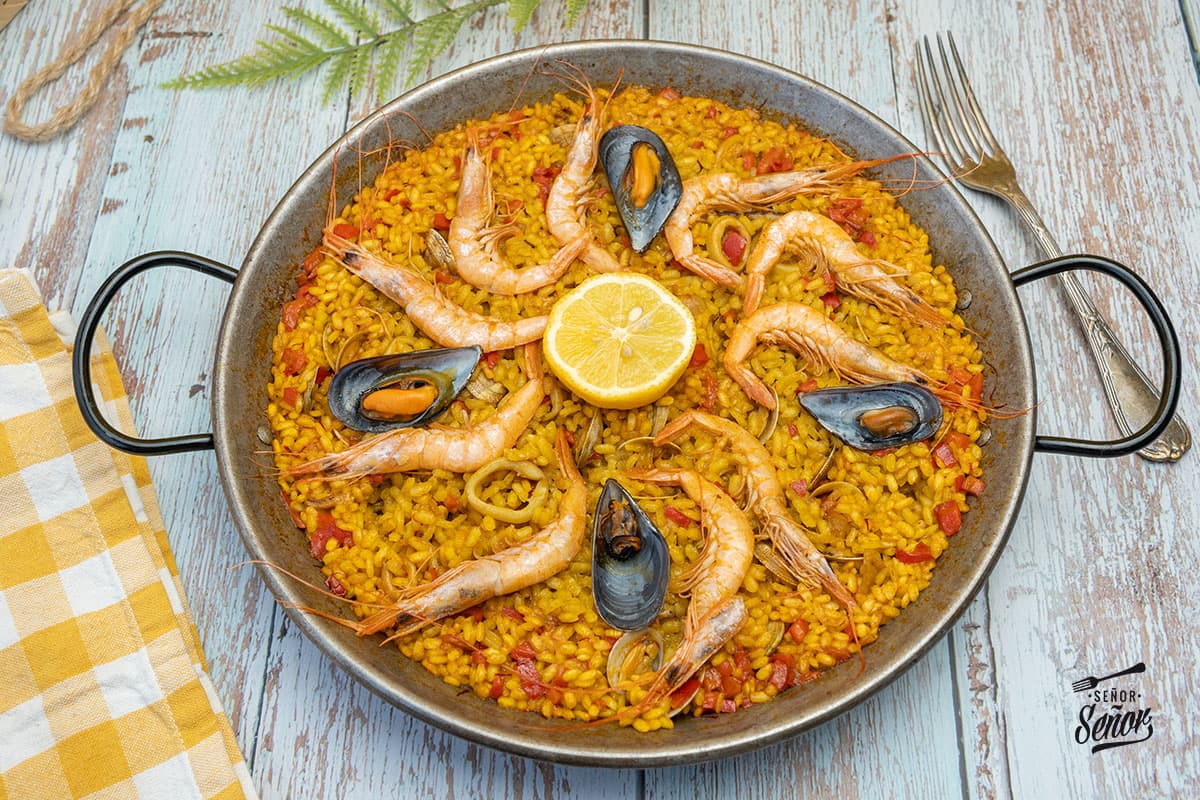
Paella is more than just a dish; it’s a celebration of Spanish culture, particularly from the region of Valencia. This vibrant rice dish is known for its colorful presentation and the way it brings people together around the table. Originating from the fields and shores of Spain, paella has become a symbol of Spanish cuisine, embodying the essence of communal dining and regional pride.
The roots of paella can be traced back to the mid-19th century in Valencia, where it was initially a humble meal prepared by farmers and laborers. They would cook rice over an open fire in a wide, shallow pan, using whatever ingredients were available. Traditionally, this meant snails, rabbit, and green beans, reflecting the agricultural landscape of the area. Over time, as the dish gained popularity, it evolved, incorporating seafood and other meats, particularly in coastal regions. Today, paella is enjoyed worldwide, but its heart remains in Valencia, where it is often considered a point of pride.
Authentic paella is defined by its ingredients, each playing a crucial role in the final dish. The base starts with paella rice, specifically a short-grain variety like Bomba or Calasparra, which absorbs flavors beautifully without becoming mushy. Olive oil is essential, providing a rich foundation for sautéing the other ingredients. The dish typically includes raw tiger prawns, mussels, and squid, showcasing the bounty of the Mediterranean. Chorizo adds a smoky depth, while onion and garlic create a fragrant base. Fresh tomatoes contribute acidity and moisture, and a pinch of saffron lends its distinctive golden hue and subtle flavor. Broad beans add a touch of earthiness, and a sprinkle of parsley and lemon zest brightens the dish, making it a true representation of the region's culinary landscape.
Cooking paella is an art form in itself. Traditionally, it is prepared outdoors over an open flame, which imparts a unique smoky flavor. The key to a perfect paella lies in the socarrat, the crispy layer of rice that forms at the bottom of the pan. To achieve this, the rice is first sautéed in olive oil, allowing it to absorb the flavors of the other ingredients. Then, the broth—often made from fish stock or a blend of water and sherry—is added. The rice is left to simmer without stirring, allowing it to cook evenly and develop that coveted socarrat. The final touch is the addition of seafood, which is arranged artfully on top of the rice, allowing it to steam and infuse its flavor into the dish.
While traditional paella remains beloved, modern variations have emerged, reflecting personal tastes and regional influences. In coastal areas, seafood paella is popular, featuring an abundance of shellfish and fish. In contrast, inland variations may lean more towards meat, incorporating chicken or duck. Vegetarian versions have also gained traction, showcasing seasonal vegetables and legumes. Each variation tells a story of its origins and the ingredients available, making paella a versatile canvas for culinary creativity.
Culturally, paella is often associated with gatherings and celebrations. It is common to see families and friends come together on weekends or during festivals to share a large pan of paella. In Valencia, the dish is traditionally served on Sundays, often accompanied by a glass of local wine or a refreshing agua de Valencia, a cocktail made with orange juice and sparkling wine. The communal aspect of paella dining fosters connection, as diners gather around the pan, serving themselves and sharing stories.
Here are a few interesting insights about paella that might surprise you. First, the word "paella" actually refers to the pan in which the dish is cooked, not the dish itself. This wide, shallow pan is designed to allow for even cooking and the formation of socarrat. Secondly, while saffron is a hallmark ingredient, it is often used sparingly due to its cost; a little goes a long way in imparting flavor and color. Lastly, the debate over whether to include chorizo in seafood paella is a lively one among purists, with many insisting that it should be avoided to maintain the dish's authenticity.
In summary, paella is a dish steeped in history and tradition, reflecting the rich agricultural and maritime heritage of Spain. Its authentic ingredients and cooking methods create a unique dining experience that transcends mere sustenance, inviting people to gather, share, and celebrate life’s moments. Whether you find yourself in a bustling Valencia plaza or a cozy kitchen, the aroma of paella simmering on the stove is sure to evoke a sense of warmth and community, making it a must-try for any traveler exploring the culinary landscape of Spain.
Olive Oil
3 tablespoons
Raw tiger prawns
10
Parsley
Bunch
Dry sherry
100 ml
Mussels
500g
Saffron
Pinch
Chorizo
150g
Onion
1 chopped
Garlic
3 cloves
Squid
1 medium
Tomato
2
Paella Rice
250g
Broad Beans
100g
Lemon Zest
1
Discover traditional dishes, regional specialties, and the authentic flavors that define the local culinary heritage.
Ajo blanco
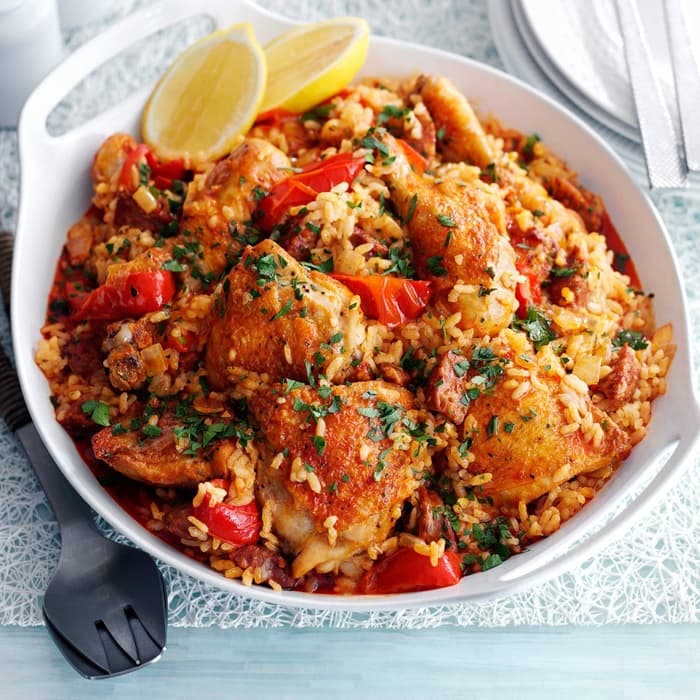
Chicken & chorizo rice pot
15
15 dishes
Discover traditional dishes, regional specialties, and the authentic flavors that define the local culinary heritage.

Start your adventure today. Explore stunning destinations and enjoy tailored, expert-guided travel experiences across Europe and beyond.