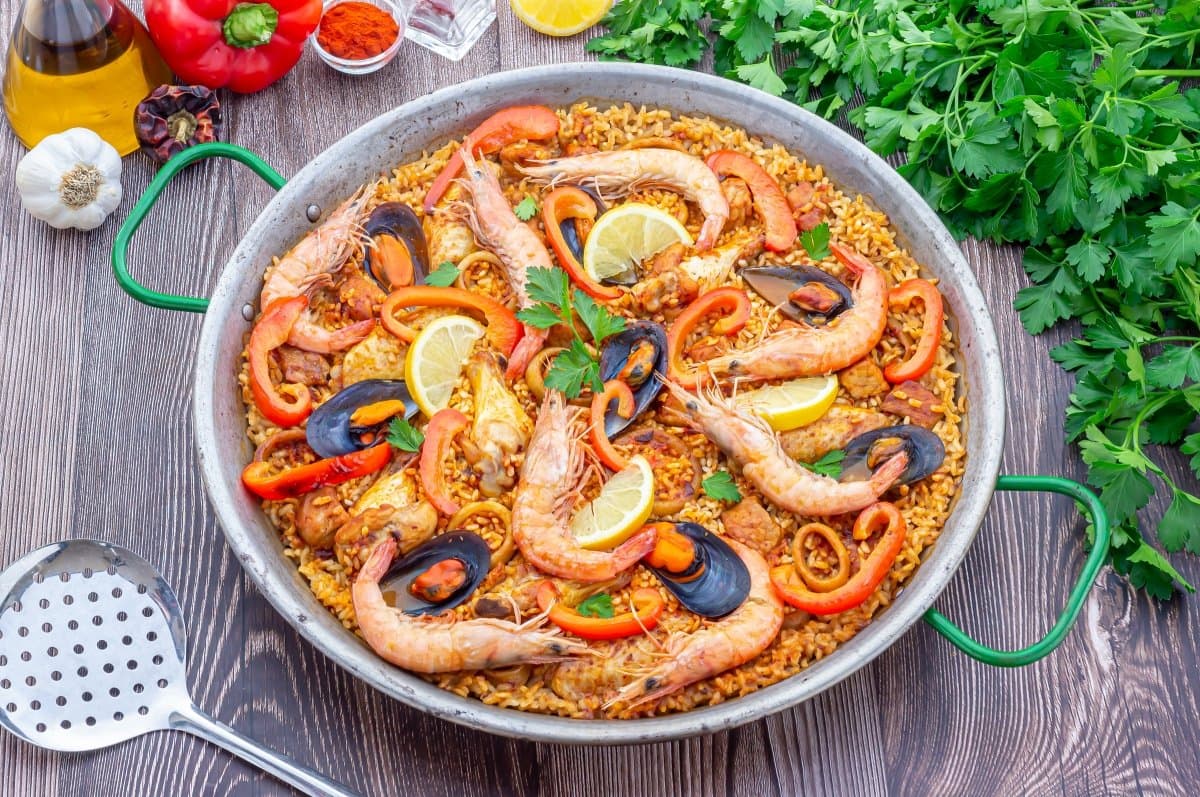
Main Dish
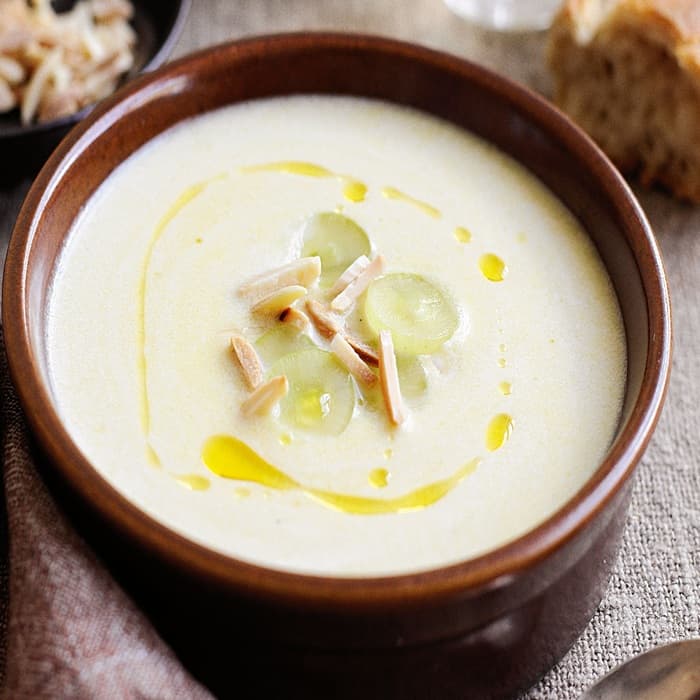
Ajo blanco
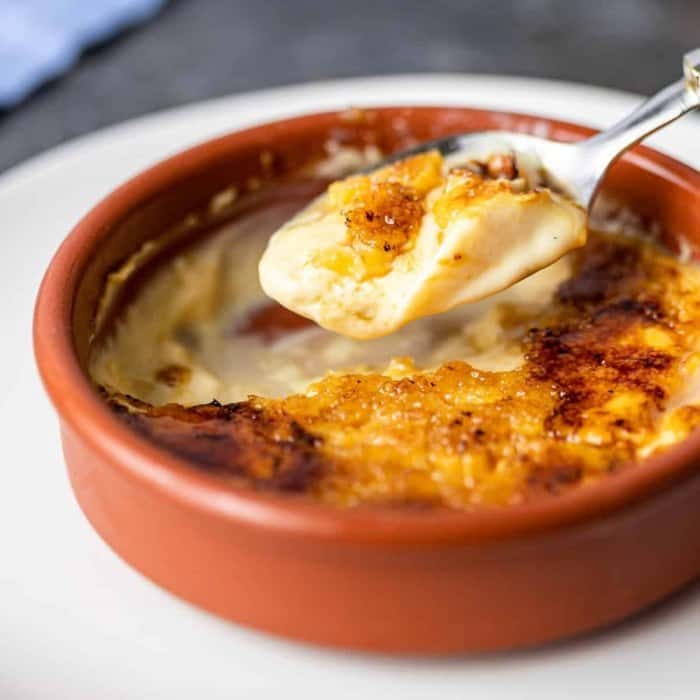
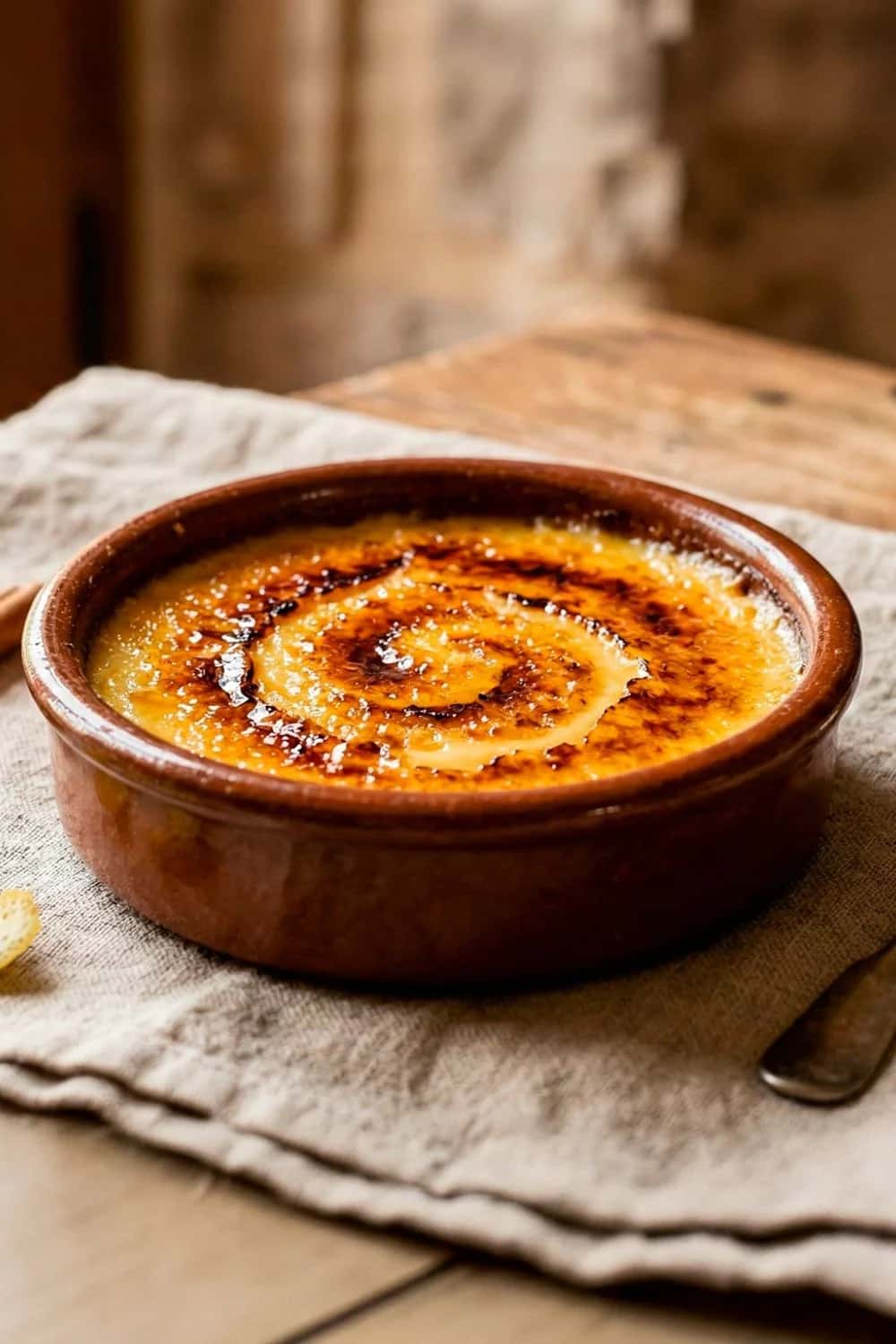
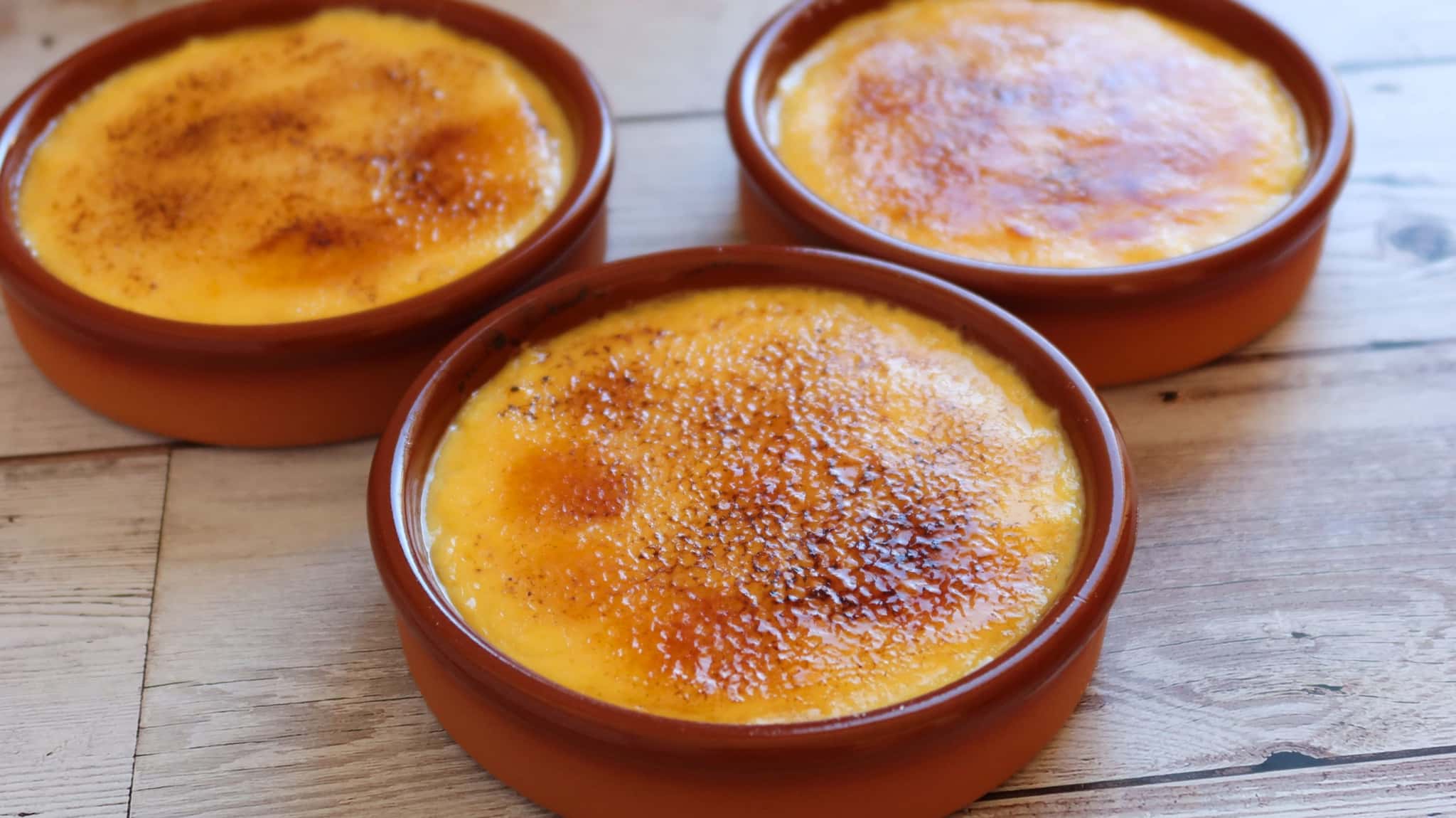
Crema Catalana is a traditional Spanish dessert that holds a special place in the hearts of many, particularly in the Catalonia region. Often compared to the French crème brûlée, this custard dessert is characterized by its creamy texture and a distinctive caramelized sugar crust on top. What makes Crema Catalana stand out is its unique infusion of flavors, particularly the aromatic hints of citrus and cinnamon, which transport you straight to the sun-kissed streets of Barcelona.
The origins of Crema Catalana can be traced back to the Middle Ages, with its roots deeply embedded in Catalan culture. The earliest known reference to a similar dish appears in a 14th-century cookbook, where it was referred to as "crema." Over the centuries, this dessert evolved, gaining popularity among the nobility and eventually becoming a staple in homes across Catalonia. The dish is traditionally prepared on Saint Joseph's Day, celebrated on March 19, which adds to its cultural significance.
When it comes to the ingredients, Crema Catalana is a celebration of simplicity and quality. The authentic recipe calls for 400ml of milk and 150ml of double cream, which together create a rich and velvety base. The addition of a cinnamon stick, along with the zests of one orange and one lemon, infuses the custard with a refreshing aroma that is both comforting and invigorating. The use of seven egg yolks contributes to the dessert's luxurious texture, while 100g of caster sugar sweetens the mixture perfectly. To achieve the ideal consistency, 45g of corn flour is incorporated, ensuring that the custard sets beautifully. Finally, for the caramelized topping, six tablespoons of caster sugar are used, which are torched to create that signature crunchy crust.
The cooking method for Crema Catalana is both straightforward and rewarding. First, the milk and double cream are gently heated with the cinnamon stick and citrus zests, allowing the flavors to meld together. Once infused, the mixture is combined with the egg yolks, sugar, and corn flour, creating a smooth custard base. This mixture is then poured into individual ramekins and baked in a water bath, a technique that ensures even cooking and prevents the custard from curdling. After cooling, the final touch involves sprinkling sugar on top and caramelizing it with a torch or under a broiler, creating that delightful contrast between the creamy custard and the crispy sugar layer.
While the traditional version of Crema Catalana is beloved, modern adaptations have emerged that play with flavors and presentation. Some chefs experiment with different citrus fruits, such as grapefruit or lime, while others incorporate spices like cardamom or vanilla to add depth. Additionally, you might find variations that use alternative sweeteners or dairy-free options, catering to contemporary dietary preferences without sacrificing the essence of this classic dessert.
Culturally, Crema Catalana is more than just a dessert; it is a symbol of celebration and community. It is often enjoyed during family gatherings, festive occasions, and, of course, on Saint Joseph's Day. In restaurants, it is typically served as a sweet conclusion to a hearty meal, inviting diners to savor the moment. The act of cracking the caramelized sugar crust with a spoon is almost ceremonial, marking the transition from the savory to the sweet.
For those interested in exploring Crema Catalana further, here are a few interesting insights. First, while the dish is predominantly associated with Catalonia, similar custard desserts can be found across Spain, each with its own regional twist. For example, in the Basque Country, you might encounter "crema vasca," which has its own unique flavor profile. Second, the technique of caramelizing sugar has a rich history, and mastering it can elevate not just Crema Catalana but many other desserts as well. Finally, if you're in Spain, consider trying Crema Catalana in a local restaurant where it is prepared with care, as the experience of enjoying it in its homeland adds an extra layer of authenticity.
In conclusion, Crema Catalana is a dish that embodies the spirit of Catalonia, marrying tradition with a touch of modernity. Its rich flavors, creamy texture, and cultural significance make it a must-try for any food enthusiast visiting Spain. Whether enjoyed in a bustling tapas bar or a quiet café, this dessert promises to leave a lasting impression, inviting you to return for another taste of its sweet history.
Milk
400ml
Double Cream
150ml
Cinnamon Stick
1
Orange Zest
1
Lemon Zest
1
Egg Yolks
7
Caster Sugar
100g
Caster Sugar
6 tablespoons
Corn Flour
45g
Discover traditional dishes, regional specialties, and the authentic flavors that define the local culinary heritage.
Ajo blanco

Chicken & chorizo rice pot
15
15 dishes
Discover traditional dishes, regional specialties, and the authentic flavors that define the local culinary heritage.
Pick the waterbefore the weekend
Filter by depth, species, boat ramps and camps — then check the bite forecast for the day you are going.