Main Dish
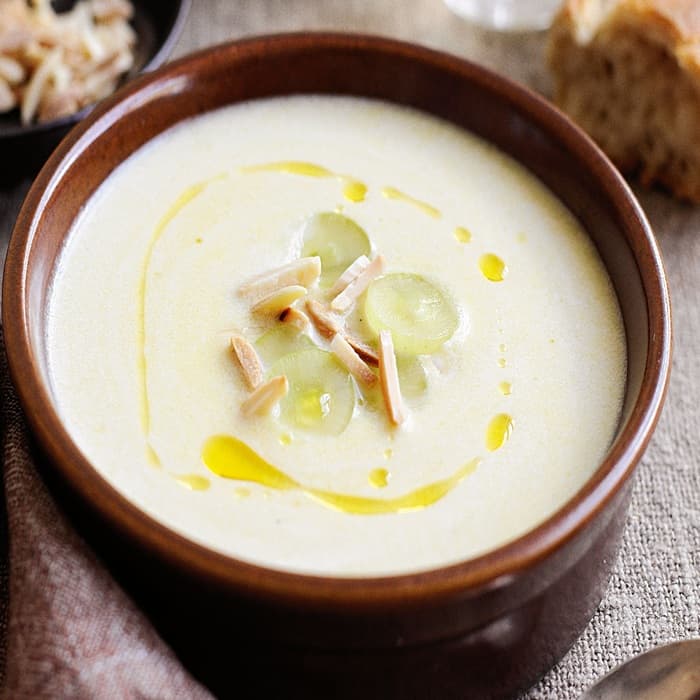
Ajo blanco

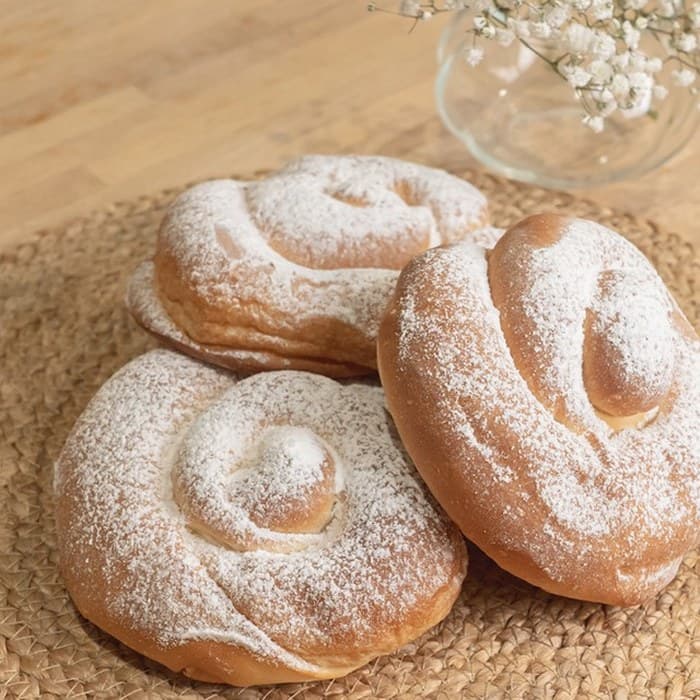
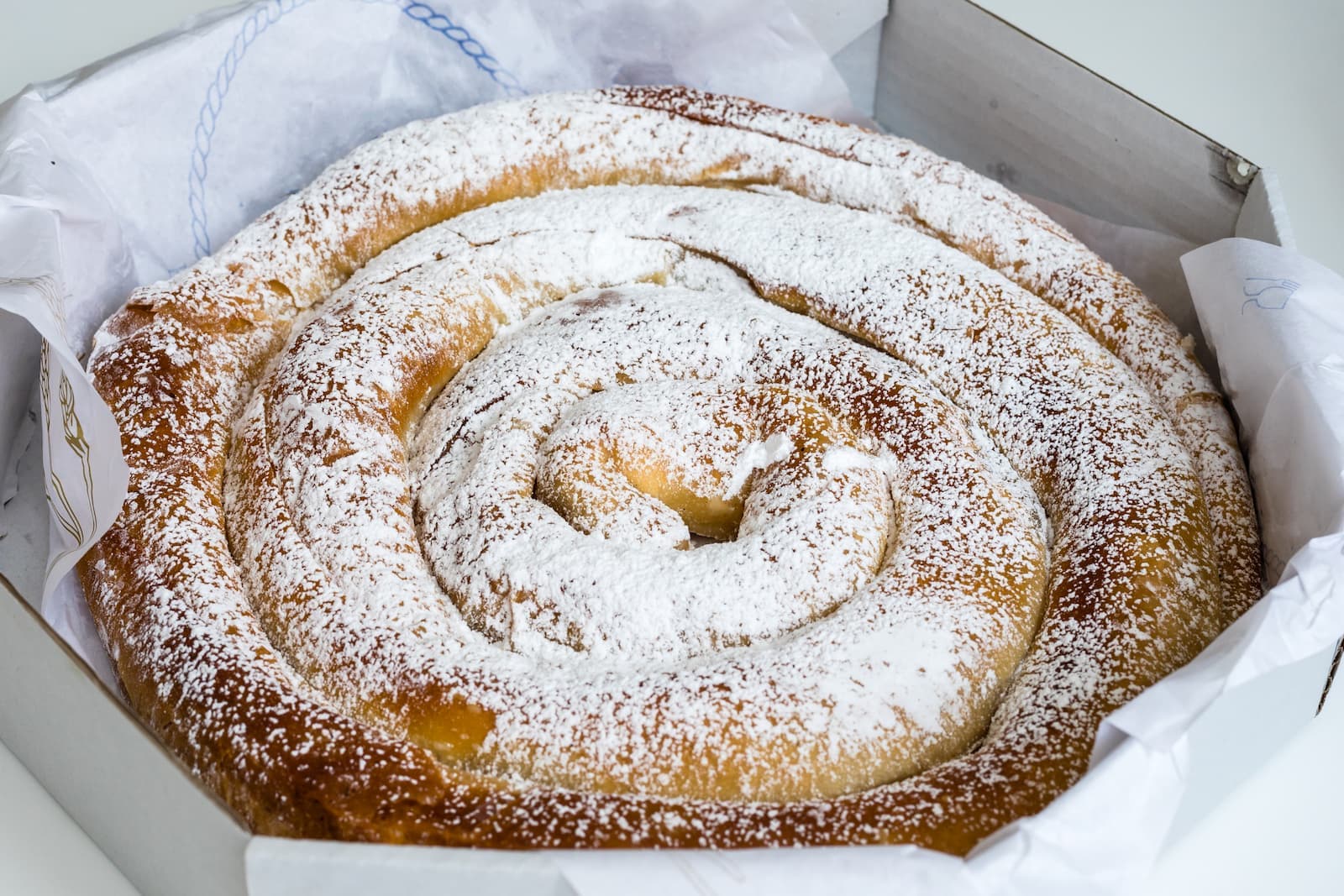
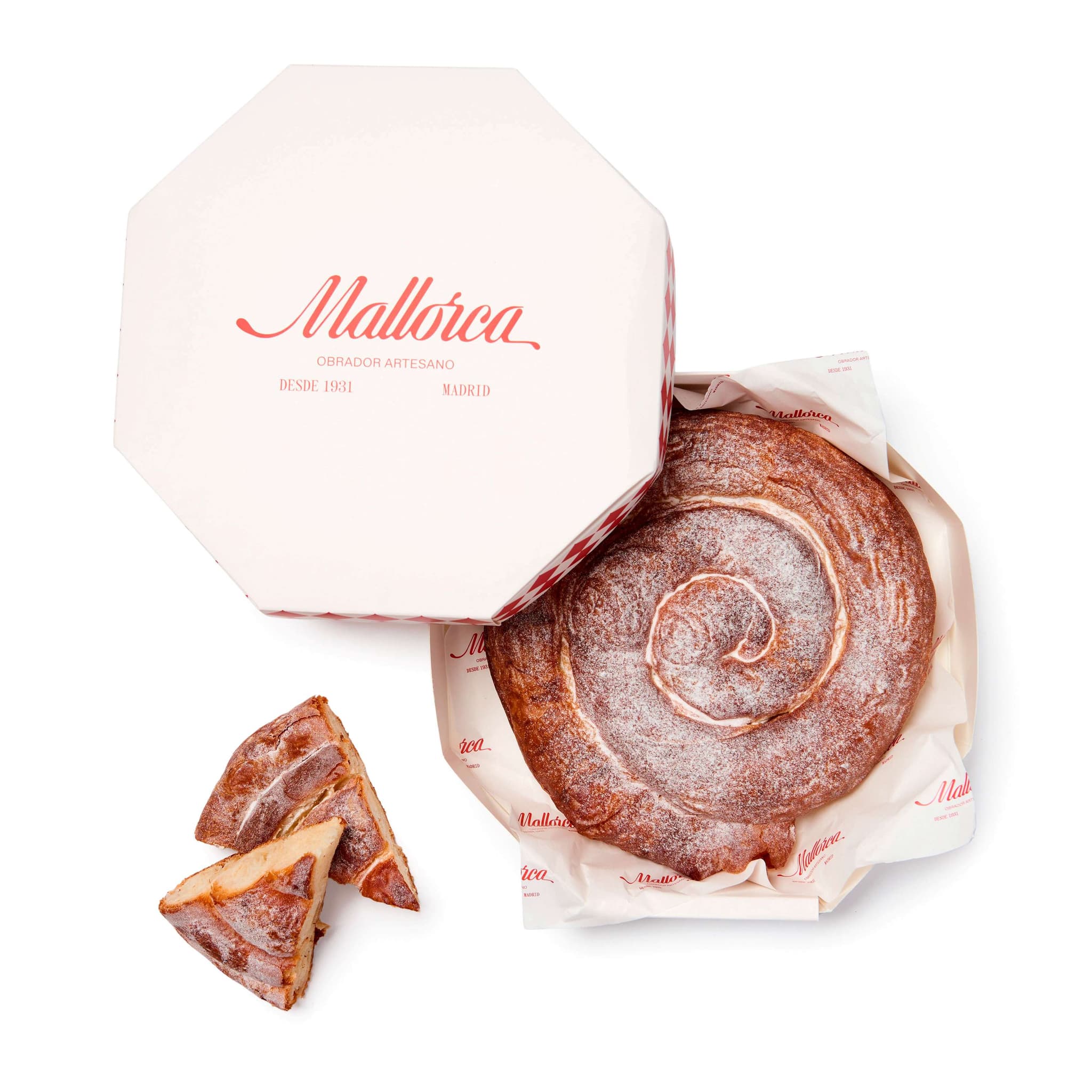
Ensaimada is a delightful pastry that hails from Spain, specifically the Balearic Islands, particularly Mallorca. This spiral-shaped treat is not just a dessert; it embodies the essence of local culture and tradition. With its soft, fluffy texture and a hint of sweetness, it has become a beloved staple in Spanish bakeries and homes alike. The ensaimada is often enjoyed during breakfast or as a snack, and its presence at festive occasions adds to its significance in Spanish culinary heritage.
The origins of ensaimada can be traced back to the Moorish influence on the Iberian Peninsula. The name itself derives from the word "saim," which means lard in Arabic, highlighting the traditional use of lard in the dough. Over the centuries, the recipe evolved, but the core elements remained rooted in its historical context. The ensaimada was initially a luxurious treat reserved for special occasions, often made by skilled bakers who perfected the art of dough preparation. As it gained popularity, it transitioned into a more everyday indulgence, reflecting the changing culinary landscape of Spain.
To create an authentic ensaimada, a few key ingredients are essential. The recipe calls for 5 grams of yeast, which is crucial for leavening the dough, allowing it to rise and develop that characteristic lightness. Caster sugar, at 200 grams, adds just the right amount of sweetness without overpowering the other flavors. The use of two medium eggs enriches the dough, contributing to its tender texture. Strong white bread flour, at 600 grams, provides the necessary structure, while a drizzle of vegetable oil and 100 grams of lard lend richness and depth to the flavor profile. Each ingredient plays a vital role in achieving the perfect balance of taste and texture.
The preparation of ensaimada is a labor of love that requires patience and skill. The process begins by activating the yeast in warm water, allowing it to bubble and froth. Next, the flour is combined with the sugar, eggs, and a touch of lard, creating a shaggy dough. This dough is then kneaded until smooth and elastic, a process that can take up to 10 minutes. After kneading, the dough is left to rise in a warm place until it doubles in size, which can take about an hour.
Once risen, the dough is rolled out into a thin sheet and brushed with melted lard, then carefully rolled into a spiral shape. This technique is what gives ensaimada its distinctive appearance and airy texture. After shaping, the pastry is left to rise again before being baked until golden brown. The aroma that fills the kitchen during baking is a warm invitation, promising a delightful treat.
While the traditional ensaimada remains a favorite, there are several variations that have emerged over time. In Mallorca, you might find the classic version dusted with powdered sugar, while other regions may offer fillings such as pumpkin, sweet cream, or even chocolate. Modern adaptations have also introduced flavors like cinnamon and almond, catering to diverse palates. However, purists often argue that the original, unadorned ensaimada is the best way to appreciate its delicate flavor and texture.
Culturally, ensaimada holds a special place in the hearts of the Mallorcan people. It is often enjoyed during breakfast, paired with a cup of coffee or hot chocolate. Additionally, it is a common sight at celebrations, family gatherings, and holidays, symbolizing togetherness and joy. The act of sharing an ensaimada is a cherished tradition, making it more than just a pastry; it is a vessel of connection among family and friends.
For those looking to delve deeper into the world of ensaimada, here are a few interesting insights. First, the best ensaimadas are often made by hand, with bakers taking pride in the craftsmanship of their dough. This artisanal approach not only enhances the flavor but also preserves the cultural heritage of the pastry. Second, if you ever find yourself in Mallorca, seek out a local bakery that specializes in ensaimadas, as they often have their unique twist on the classic recipe. Lastly, while it may be tempting to indulge in a warm, freshly baked ensaimada, allowing it to cool slightly can enhance the experience, as the flavors settle and the texture becomes even more inviting.
In conclusion, ensaimada is more than just a sweet treat; it is a testament to the rich culinary history of Spain. With its simple yet profound ingredients and preparation methods, it invites you to savor the essence of Mallorcan culture. Whether enjoyed in a bustling café or shared among loved ones, each bite of ensaimada tells a story of tradition, community, and the joy of good food.
Yeast
5g
Caster Sugar
200g
Egg
2 medium
Strong white bread flour
600g
Vegetable Oil
Drizzle
Lard
100g
Discover traditional dishes, regional specialties, and the authentic flavors that define the local culinary heritage.
Ajo blanco
Chicken & chorizo rice pot
15
15 dishes
Discover traditional dishes, regional specialties, and the authentic flavors that define the local culinary heritage.

Start your adventure today. Explore stunning destinations and enjoy tailored, expert-guided travel experiences across Europe and beyond.