Main Dish
Ajo blanco

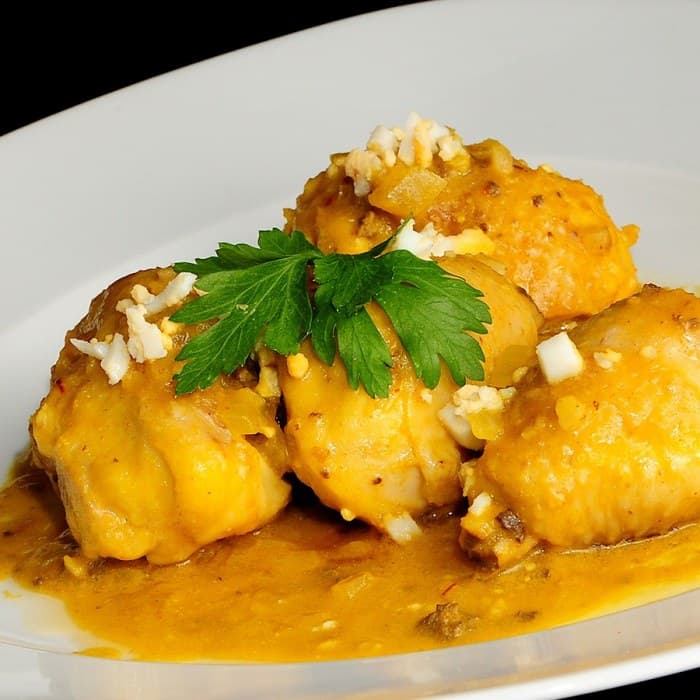
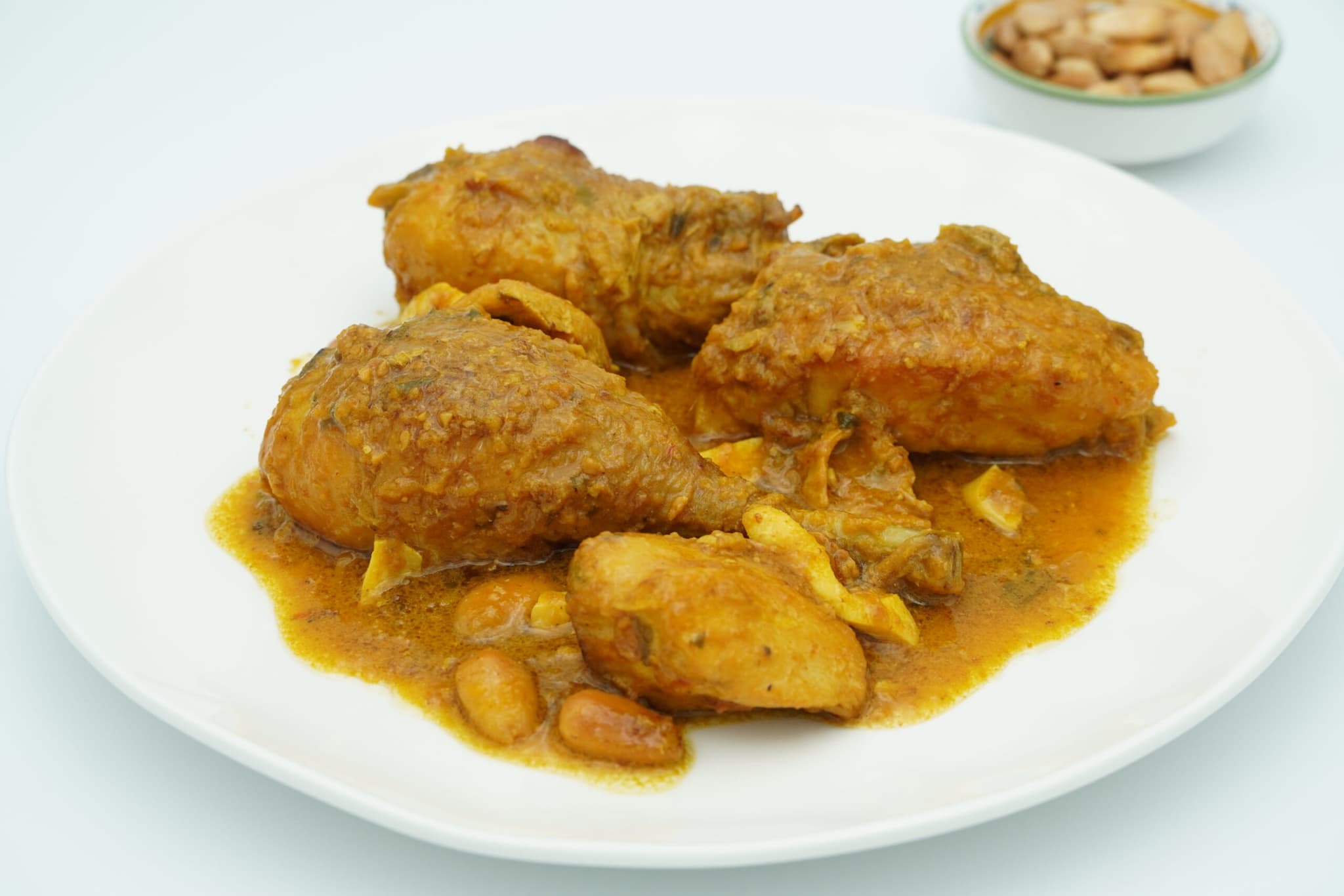
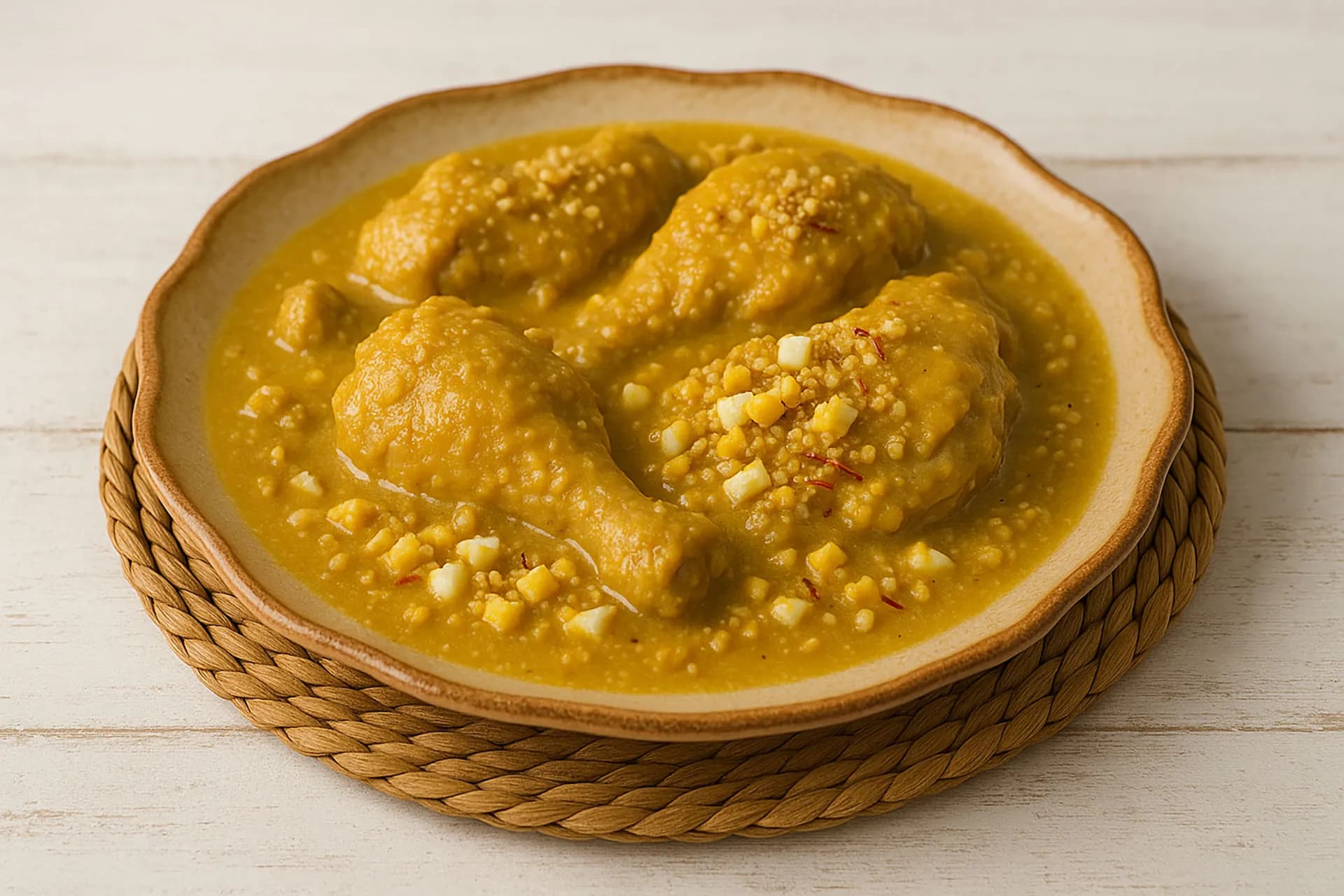
Pollo en pepitoria is a traditional Spanish dish that showcases the rich culinary heritage of Spain. This dish, primarily made with chicken, is known for its unique blend of spices and the incorporation of nuts, which add depth and texture. It is not just a meal; it’s a celebration of flavors and a reflection of Spain's diverse gastronomic history.
The origins of pollo en pepitoria can be traced back to the medieval period, when the Moors influenced Spanish cuisine. The use of spices like saffron and cinnamon, along with nuts such as almonds, highlights the Moorish impact on Spanish cooking. The dish was originally prepared for special occasions and has evolved over the centuries, adapting to regional tastes and available ingredients. Today, it remains a staple in many Spanish households, particularly in the regions of Andalusia and Castilla-La Mancha.
Authenticity is key when it comes to the ingredients of pollo en pepitoria. The traditional recipe calls for chicken thighs, which are preferred for their tenderness and flavor. A pinch of saffron adds a subtle earthiness, while four tablespoons of extra virgin olive oil provide a rich base for the dish. The garlic cloves, six in total, are essential for depth, and the chopped onion, carrot, and celery contribute to a fragrant mirepoix that forms the foundation of the sauce.
Almonds play a dual role in this dish; 35 grams are blended into a paste that thickens the sauce, while an additional two tablespoons are often used for garnish, adding a delightful crunch. Stale bread, about 30 grams, is also incorporated to enhance the texture. The use of dry sherry (250 ml) and chicken stock (350 ml) creates a savory liquid that infuses the chicken with flavor. A cinnamon stick, a pinch of cloves, and two bay leaves introduce warm, aromatic notes, while the final touch of two eggs adds richness and helps to bind the sauce.
The cooking method for pollo en pepitoria is as important as the ingredients themselves. The chicken thighs are first browned in olive oil, allowing them to develop a golden crust. This step not only enhances the flavor but also adds a visual appeal to the dish. Once browned, the chicken is set aside, and the mirepoix is sautéed in the same pan, absorbing the flavorful drippings. After the vegetables soften, the chicken is returned to the pan, along with the dry sherry and chicken stock. The mixture is then simmered gently, allowing the flavors to meld beautifully.
One of the unique techniques in preparing pollo en pepitoria is the incorporation of the almond paste. The almonds are ground with stale bread and garlic, then mixed with some of the cooking liquid to create a smooth paste that is stirred back into the pot. This not only thickens the sauce but also adds a nutty flavor that is characteristic of the dish.
While pollo en pepitoria has its roots in tradition, modern variations have emerged. Some cooks experiment with different types of chicken, such as using a whole bird cut into pieces or opting for free-range chicken for a more robust flavor. Others may add vegetables like peas or bell peppers for a pop of color and nutrition. In some regions, the dish is served with a side of rice or crusty bread to soak up the rich sauce, while others may prefer it with a simple salad.
Culturally, pollo en pepitoria is often enjoyed during family gatherings and festive occasions. It is a dish that brings people together, often served at communal tables where stories and laughter accompany the meal. In Spain, it’s common to find this dish on the menu of traditional restaurants, especially in the cooler months when hearty meals are favored.
For those looking to experience pollo en pepitoria authentically, here are a few tips:
1. Use high-quality extra virgin olive oil, as it significantly impacts the flavor of the dish. The oil should have a fruity aroma and a peppery finish, enhancing the overall taste.
2. When selecting saffron, look for threads rather than powder. The threads should be deep red and fragrant, indicating their quality. A little goes a long way, so a pinch is sufficient to impart the desired flavor.
3. Don’t skip the almond paste; it’s what sets this dish apart. The combination of almonds and stale bread creates a unique texture that is both creamy and slightly gritty, providing a delightful contrast to the tender chicken.
In summary, pollo en pepitoria is more than just a dish; it’s a testament to Spain's rich culinary history and the blending of cultures that have shaped its cuisine. Whether enjoyed in a bustling tapas bar or around a family table, this dish offers a taste of tradition that is both comforting and satisfying.
Saffron
Pinch
Extra Virgin Olive Oil
4 tbsp
Garlic Clove
6
Almonds
35g
Stale bread
30g
Parsley
2 tbs chopped
Chicken Thighs
8
Onion
1 chopped
Carrots
1 chopped
Celery
1 chopped
Dry sherry
250ml
Chicken Stock
350ml
Cinnamon Stick
1
Cloves
Pinch
Bay Leaves
2
Egg
2
Almonds
2 tblsp
Discover traditional dishes, regional specialties, and the authentic flavors that define the local culinary heritage.
Ajo blanco
Chicken & chorizo rice pot
15
15 dishes
Discover traditional dishes, regional specialties, and the authentic flavors that define the local culinary heritage.

Start your adventure today. Explore stunning destinations and enjoy tailored, expert-guided travel experiences across Europe and beyond.