Main Dish
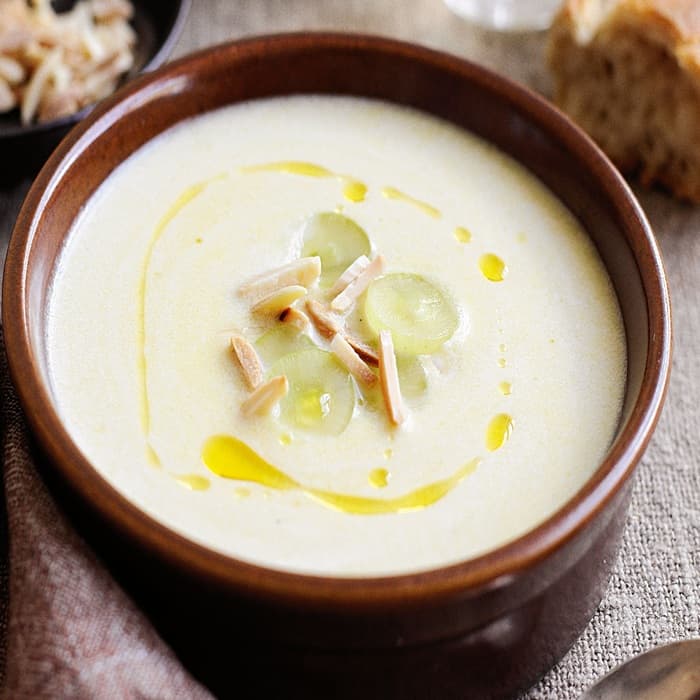
Ajo blanco


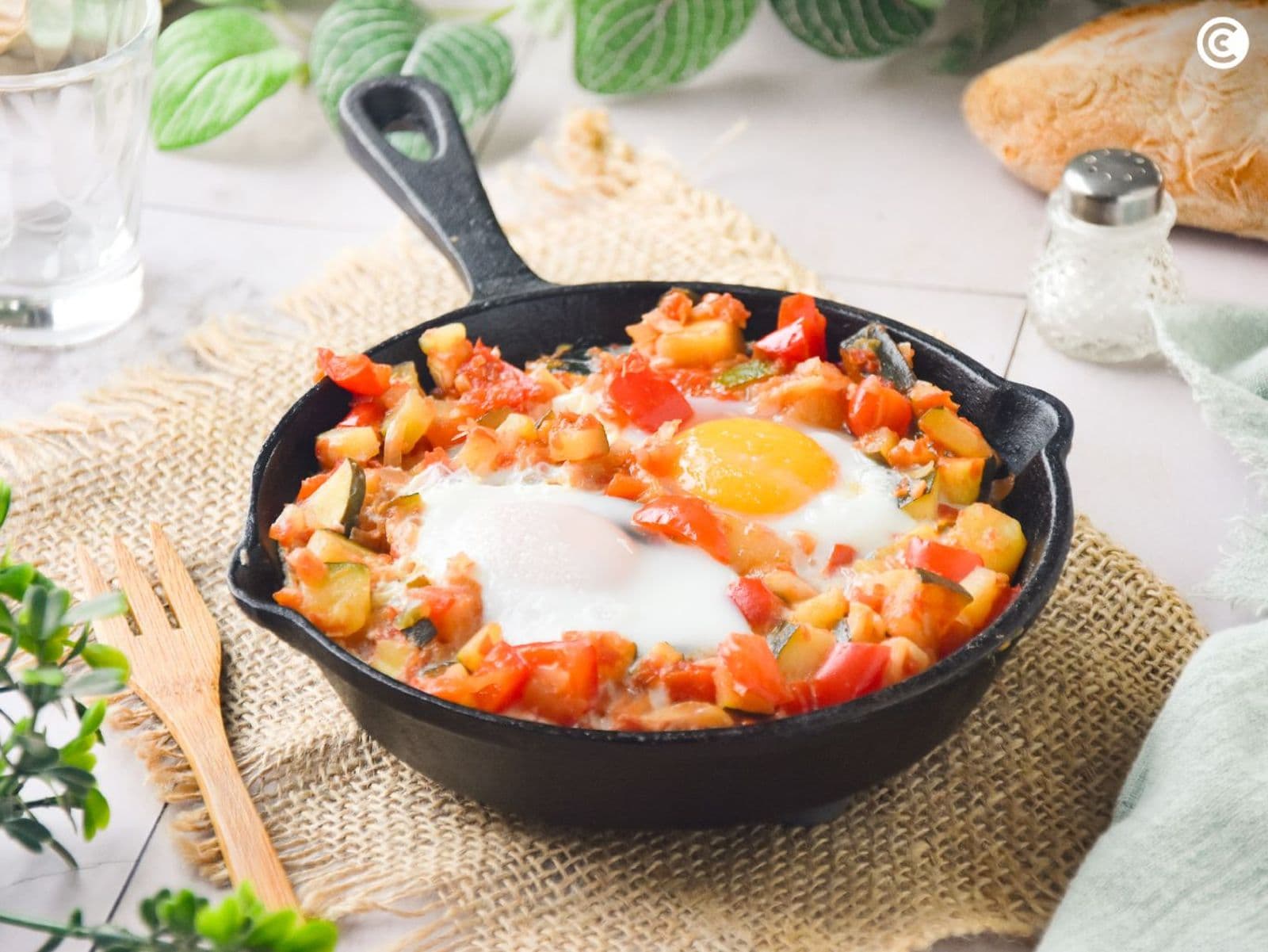

Pisto con huevos is a dish that embodies the heart of Spanish cuisine, showcasing the country’s rich agricultural heritage and the Mediterranean diet's emphasis on fresh vegetables. This dish, often compared to the French ratatouille, is a vegetable medley that is typically served with fried eggs on top. It’s a comforting meal that reflects the essence of home cooking in Spain, making it a staple in many households.
The origins of pisto can be traced back to the southern region of Spain, particularly in Andalusia. This area is known for its warm climate, which allows for a bounty of vegetables to flourish. Historically, pisto was a way to use up the summer harvest, combining whatever vegetables were available. The dish has evolved over the years, with each region adding its own twist. In some areas, it may be served as a side dish, while in others, it stands proudly as a main course.
At its core, traditional pisto con huevos is made with a specific set of ingredients that highlight the freshness of the produce. The base of the dish includes two tablespoons of olive oil, which is essential for sautéing the vegetables and adding a rich flavor. Onions and garlic cloves form the aromatic foundation, with the onions providing sweetness and the garlic adding depth. Mixed peppers—five in total—contribute a variety of colors and textures, while two chopped courgettes and one chopped aubergine introduce a creamy element to the mix.
Tomatoes are crucial in this dish, with four large ones providing acidity and moisture, tying all the flavors together. Seasoning is key, and a teaspoon of oregano, sprigs of fresh thyme, and four bay leaves enhance the dish’s aromatic profile. Finally, the crowning glory is the addition of four large eggs, which are fried to perfection and placed atop the vegetable mixture, creating a satisfying contrast between the soft vegetables and the runny yolk. A handful of parsley is often sprinkled on top for a fresh finish.
The cooking method for pisto is straightforward yet requires attention to detail. Start by heating the olive oil in a large skillet over medium heat. The onions and garlic are sautéed until they become translucent, releasing their sweet aroma. Next, the mixed peppers are added, followed by the courgettes and aubergine. Each vegetable is given time to soften and meld with the others, creating a harmonious blend. The tomatoes are then stirred in, and the herbs are added to infuse the dish with their fragrant oils. The bay leaves are left to simmer, imparting their subtle flavor as the mixture cooks down into a thick, stew-like consistency.
Once the vegetables are tender, the eggs are cracked directly onto the pisto, allowing them to cook in the residual heat. Some prefer to cover the skillet to help the eggs set, while others enjoy a slightly runny yolk. The dish is typically served hot, with the yolks ready to be broken and mixed into the vegetables, creating a luscious sauce.
Pisto con huevos has several variations across Spain. In some regions, you might find it served with chorizo or other meats, adding a savory depth that contrasts with the vegetables. In the Basque Country, a version called "pisto a la bilbaína" includes a touch of vinegar, giving it a unique tang. Modern adaptations may incorporate different seasonal vegetables or even a sprinkle of cheese on top, catering to contemporary palates while still honoring the dish's roots.
Culturally, pisto con huevos is often enjoyed as a hearty breakfast or a light dinner, especially during the summer months when vegetables are at their peak. It’s a dish that brings families together, often served in a communal dish where everyone can help themselves. In Spain, sharing food is a cherished tradition, and pisto embodies this spirit perfectly.
For those looking to recreate this dish at home, here are a few tips:
1. Use the freshest vegetables you can find. The quality of the produce will significantly impact the final dish. 2. Don’t rush the cooking process. Allow the vegetables to caramelize slightly, enhancing their natural sweetness. 3. Experiment with the herbs. While oregano and thyme are traditional, feel free to add basil or even a hint of smoked paprika for a different flavor profile.
Pisto con huevos is more than just a meal; it’s a celebration of Spain’s agricultural bounty and a testament to the beauty of simple, wholesome cooking. Whether you enjoy it in a bustling tapas bar or at a family gathering, this dish is sure to leave a lasting impression.
Olive Oil
2 tblsp
Onion
2
Garlic Clove
4 Chopped
Mixed peppers
5
Oregano
1 teaspoon
Thyme
Sprigs of fresh
Bay Leaves
4 leaves
Courgettes
2 chopped
Aubergine
1 chopped
Tomato
4 large
Egg
4 large
Parsley
Handful
Discover traditional dishes, regional specialties, and the authentic flavors that define the local culinary heritage.
Ajo blanco

Chicken & chorizo rice pot
15
15 dishes
Discover traditional dishes, regional specialties, and the authentic flavors that define the local culinary heritage.

Start your adventure today. Explore stunning destinations and enjoy tailored, expert-guided travel experiences across Europe and beyond.