How to recognise it
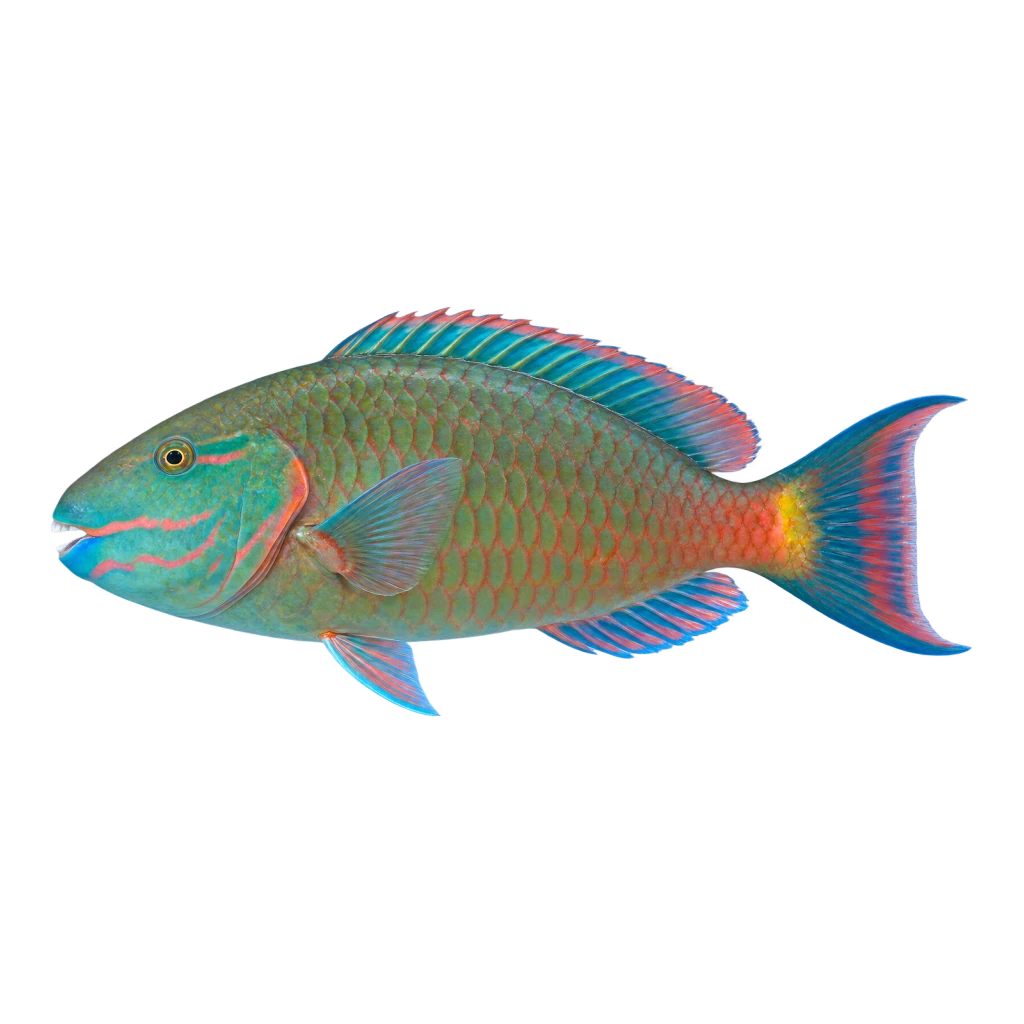
The Stoplight Parrotfish (Sparisoma viride) is easily identifiable by its vibrant coloration. Adults display a bright green body with a distinctive orange patch on the forehead and a blue spot near the tail. The body shape is robust, and they have a blunt snout. Their teeth are fused into a beak-like structure, ideal for scraping algae off coral and rocks.
Juveniles are more subdued in color, often appearing brownish with lighter spots. The species most often confused with the Stoplight Parrotfish is the Redband Parrotfish (Sparisoma aurofrenatum). The key detail that separates them is the Stoplight Parrotfish's bright orange forehead patch, which is absent in the Redband Parrotfish.
Where it lives
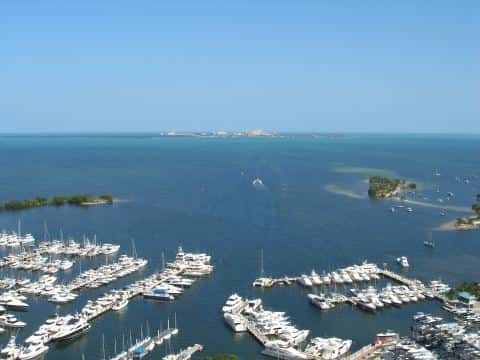
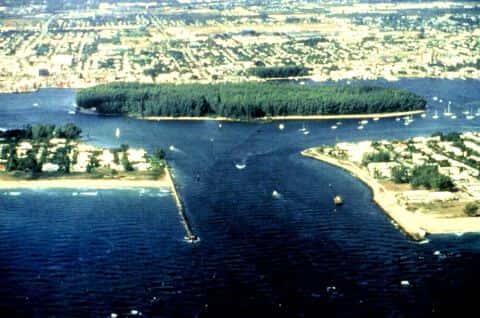
The Stoplight Parrotfish is primarily found in the southeastern United States, particularly in Florida and the Caribbean. They inhabit shallow coral reefs, seagrass beds, and rocky substrates. Their preferred depth range is typically between 3 to 60 feet.
During warmer months, they may move into shallower waters, while in cooler months, they often retreat to deeper areas. They seek out areas with abundant coral and algae, which provide both food and shelter.
When it bites
The Stoplight Parrotfish is most active from late spring through early fall, particularly from May to October. They prefer water temperatures between 75°F and 85°F. Early morning and late afternoon are the best times to catch them, as they are more actively feeding during these periods.
Weather changes can affect their behavior. A passing front may cause them to become less active, while stable conditions often lead to increased feeding. A full moon can enhance their feeding activity, making them more likely to bite.
How to catch it
To catch Stoplight Parrotfish, use a light tackle setup. A spinning rod with a 15-20 lb test line is recommended. Use a size 1 to 2 hook, as they have small mouths. A simple rig with a small weight and a hook is effective.
Live baits such as small crabs or shrimp work well. You can also use lures that mimic small fish or crustaceans, preferably in bright colors like green or blue. Cast near coral structures or seagrass beds and retrieve slowly to mimic natural movement.
Size, age and the table
Anglers typically encounter Stoplight Parrotfish ranging from 12 to 24 inches in length. A trophy fish is generally considered to be over 24 inches. They grow quickly, reaching sexual maturity around 3 years of age, and can live up to 7 years.
Stoplight Parrotfish are known for their excellent eating quality, with firm, white flesh. When handling them, use wet hands to minimize stress and damage to their skin. If releasing, do so gently to ensure their survival.