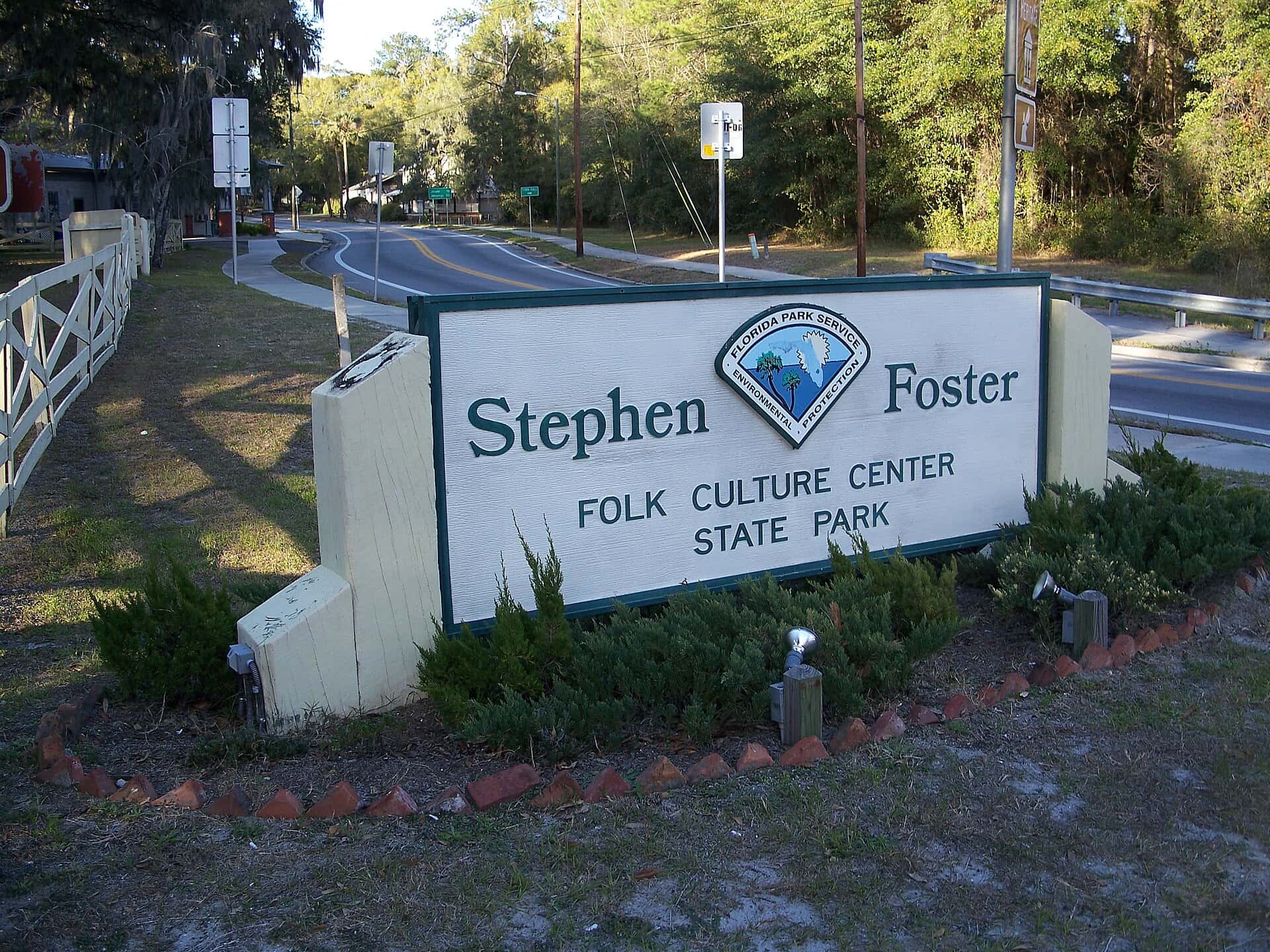
Canebreak is one of the developed camping loops at Stephen Foster Folk Culture Center State Park in White Springs, Florida — a Suwannee River park built around the legacy of composer Stephen Foster, with a 97-bell carillon tower, a folk-culture museum, and river access as the main draws. This guide covers the Canebreak loop specifically: 15 sites with a mix of 30-amp and 50-amp power, all part of the park's larger 45-site campground.
Campground Overview
Stephen Foster Folk Culture Center State Park sits along the Suwannee River in White Springs, in northern Florida. The park's full-facility campground has 45 oak-shaded sites divided across three loops; Canebreak is one of them, alongside a loop known as Suwannee (visitor reports reference a third as well, though its name isn't independently confirmed here). The 15 Canebreak sites each include water, electricity, a picnic table, and a grill. Thirteen of the 15 are reservable. Electrical service on this loop is split — 11 sites carry 30-amp power and 4 carry 50-amp — so it's worth confirming which type of site you're booking if your rig needs the higher amperage.
Repeat visitors describe the back-in sites on the Canebreak loop as offering some of the campground's better privacy, with denser vegetation between spots compared to more open areas elsewhere in the park.
Location and Access
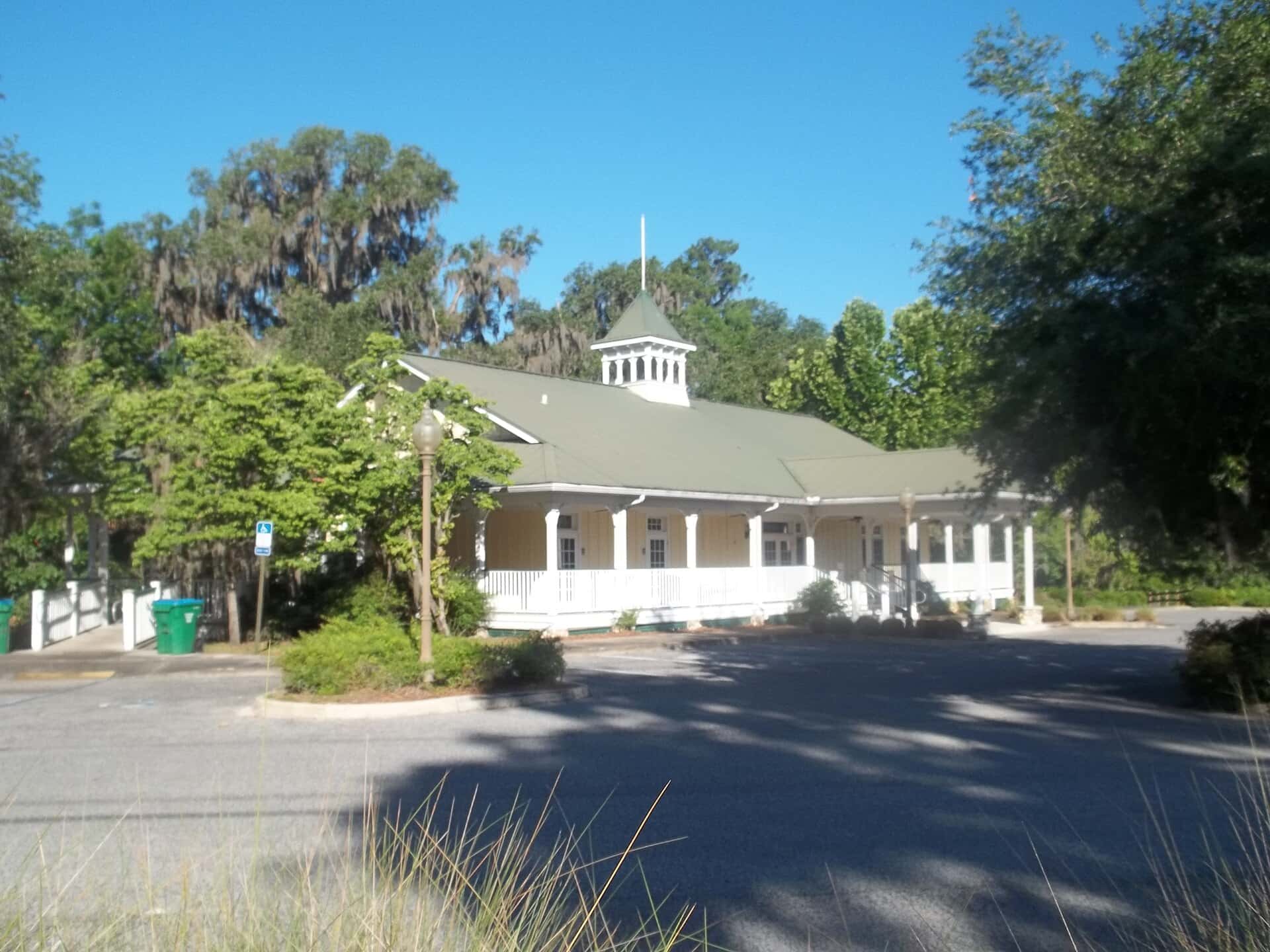
The park's main address is 11016 Lillian Saunders Drive, White Springs, FL 32096, off U.S. Highway 41. One important current detail: the Ranger Station entrance is closed for renovations as of Feb. 5, 2026, and Florida State Parks is directing visitors to an alternate entrance at 10405 Foster Barnes Drive, White Springs, FL 32096. Check which entrance applies before arriving.
Camping Options
Tent Camping
Tent campers are welcome on any Canebreak site, including large tents up to 9x12 feet, with the same water, electricity, picnic table, and grill as RV sites. For a genuinely primitive experience instead, the park has two separate primitive group camping areas — Carter Camp and Cable Crossing — each accommodating up to 20 people with a picnic table and a group fire ring, but no running water, electricity, or restrooms. Carter Camp sits about 1,500 feet from the main campground; Cable Crossing is right along the Suwannee River. A separate primitive youth camping area, also capped at 20 people, is available by calling the park directly. None of these primitive options should be confused with a Canebreak reservation.
RV Camping
Canebreak accepts trailers, fifth wheels, motorhomes, camper vans, pop-ups, and other RV configurations, with a maximum RV length of 100 feet for the park's campground overall — a notably generous limit compared to most Florida State Parks campgrounds. The electrical split matters here: 11 of the 15 sites have 30-amp service, and 4 have 50-amp. There's no individual sewer hookup at Canebreak sites, but a dump station serves the campground.
Electricity and Hookups
Every Canebreak site has both water and power, but not the same amperage:
| Electrical service | Sites |
|---|---|
| 30 amp | 11 |
| 50 amp | 4 |
RVers with equipment that specifically needs 50-amp service should confirm they're booking one of the four sites that offer it rather than assuming any Canebreak site will do. The nightly utility fee that applies to RVs (not tent campers) is described by Florida State Parks as covering water, electricity, and sewer — standard bundled language across the park system — though the actual sewer connection is handled through the shared dump station rather than at individual sites.
Campsite Facilities
Each site has a picnic table and grill alongside its water and electric hookup. The broader campground provides two ADA-accessible restrooms with hot showers and a dump station, and a campfire circle is available for registered campers. The campground sits beneath a canopy of mature oaks, giving Canebreak (like the rest of the campground) a shaded setting even in Florida's warmer months.
Water Access
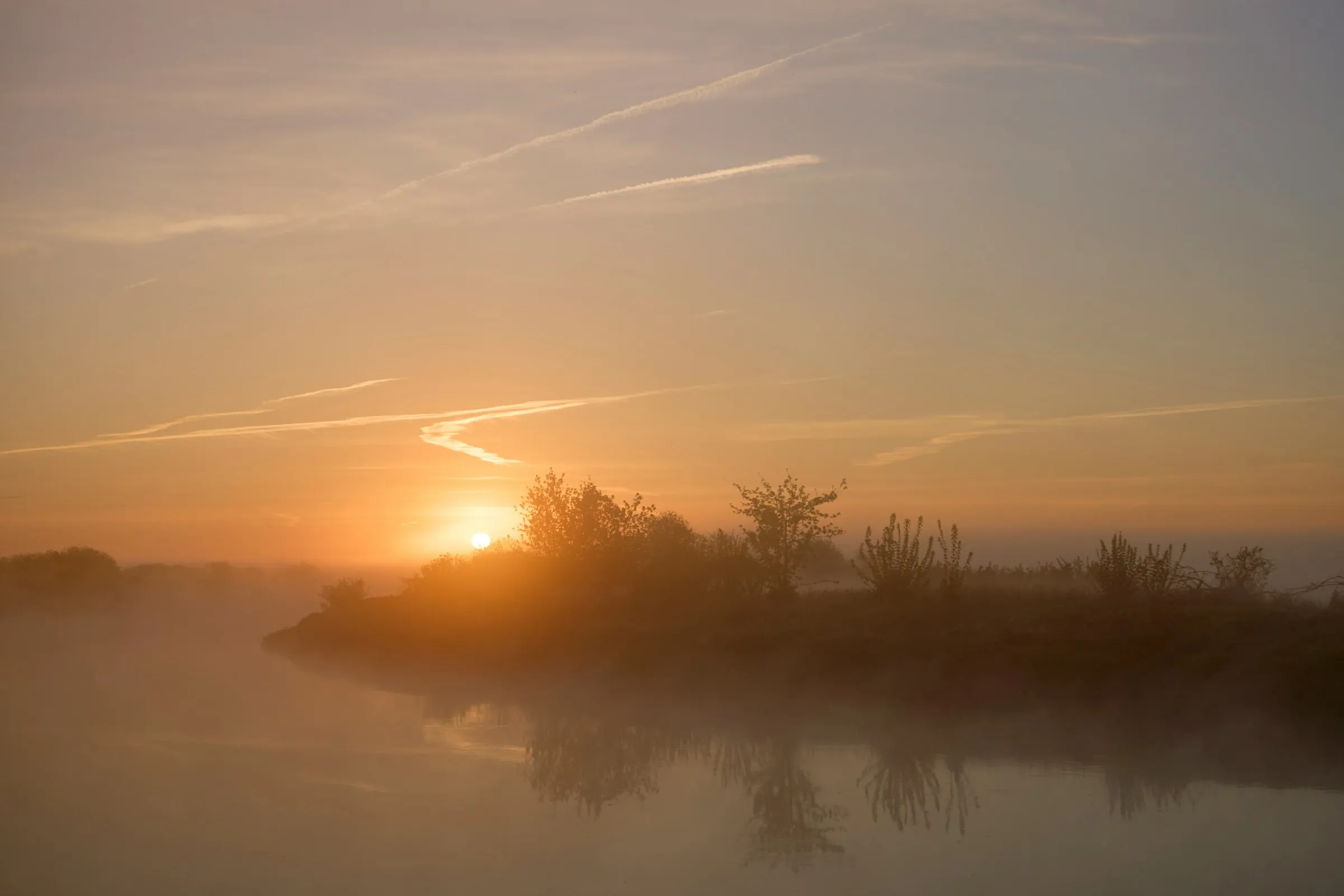
The Suwannee River is the park's central natural attraction. From the Canebreak campground, the riverbank is roughly 637 meters away (about 0.4 mile), and the park's canoe/kayak launch is a comparable distance, around 643 meters. That puts Canebreak within an easy walk of the water without being directly on the riverbank — it's river-adjacent camping rather than waterfront camping.
River conditions shift seasonally and are worth checking before a paddling trip. For roughly six months of the year, water levels on the Suwannee make the river passable only by canoe, and the park closes its canoe/kayak launch when the river rises above 62 feet. Calling ahead before planning water activities is a reasonable extra step here.
Best Campsite Characteristics
The clearest site-selection factor at Canebreak is electrical service — only 4 of the 15 sites carry 50-amp power, so RVers with that requirement have a narrower set of options to book. Beyond that, visitor reports describe the loop's back-in sites as having denser vegetation and more privacy than some of the more open sites elsewhere in the campground, though there isn't enough site-by-site detail here to name a single best pitch.
Reservations and Availability
Thirteen of Canebreak's 15 sites are reservable. Florida residents can generally book up to 11 months ahead, non-residents up to 10 months, through the Florida State Parks reservation system or by phone (800-326-3521, TDD 888-433-0287). Same-day bookings are typically accepted online until 1 p.m. local time, and any unreserved, unoccupied site may go to walk-in campers first-come, first-served — though with only two non-reservable sites in this loop, showing up without a booking is a risky plan for a specific date.
One seasonal wrinkle: during the Florida Folk Festival, held over Memorial Day weekend, the campground is closed to regular camping because sites are reserved for festival performers and organizers. Plan around that weekend if you're not attending the festival.
Fees
Current published rates: $20 per night plus tax, a $6.70 nonrefundable reservation fee, and a $7 nightly utility fee for RVs and similar non-tent units (tent campers don't pay the utility fee). Florida residents 65 or older, or those meeting qualifying federal disability criteria, can get a 50% discount on the base camping fee, with documentation required at check-in (the reservation and utility fees aren't discounted). Day-use entry, separate from camping, is $5 per vehicle for two to eight people, $4 for a single-occupant vehicle, and $2 for pedestrians, bicyclists, and extra passengers. The park also rents five riverside cabins at $100 per night plus tax (plus the $6.70 reservation fee), each sleeping up to six with a two-night minimum; pets aren't allowed in the cabins.
Rules and Regulations
Quiet hours run 11 p.m. to 7 a.m., and pets must stay on a six-foot leash, confined to the camping unit during quiet hours. Reservations are paid in advance, and unreserved sites may be occupied first-come, first-served when available. Gathering firewood or cutting trees in the park is prohibited; firewood can be purchased at the park entrance station instead. Rules and fees can change, so verify current regulations with Florida State Parks before traveling.
Pets and Campfires
Well-behaved pets are welcome on a six-foot leash, kept in the camping unit overnight during quiet hours. Canebreak's campfire circle supports evening fires for registered campers; as always, check for temporary restrictions during dry conditions.
Nearby Activities
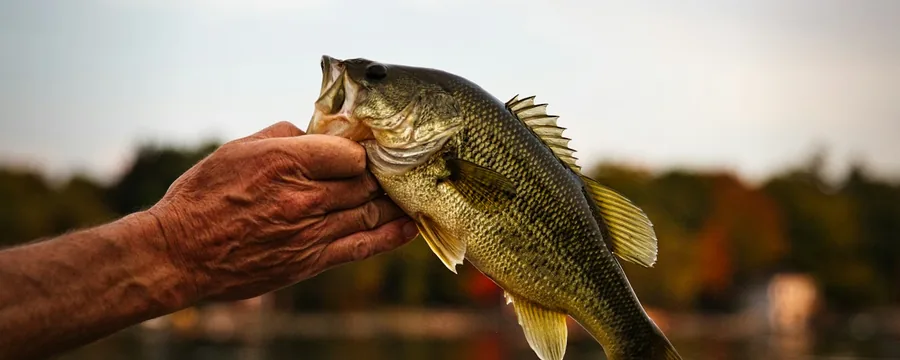
Paddling the Suwannee is the park's signature activity — canoe liveries operate locally, and the river's limestone outcroppings, small caves, and rock overhangs become more visible during low-water periods. Alligators and turtles are commonly seen along the river, and fishing (a Florida license is required) turns up largemouth bass, black crappie, channel catfish, and various sunfish and bream. On land, Carter Camp's trail network covers about 10 miles for off-road biking, hiking, and horseback riding, the Florida National Scenic Trail follows the river through the park, and the 8-mile Stephen Foster's Hammock Loop Trail is a single-track route passing landmarks like Catfish Hole and the Suwannee River Overlook. The Museum and Carillon Tower — built in 1950, with eight dioramas on Stephen Foster's songs and the 97-bell carillon itself — are normally open Thursday through Monday, 9 a.m. to 5 p.m., closed Thanksgiving, Christmas, and New Year's Day.
Current Conditions
Two things are currently affecting a visit here. First, the Ranger Station entrance is closed for renovations (effective Feb. 5, 2026), so use the alternate entrance at 10405 Foster Barnes Drive. Second, the park's gift shop and craft square are currently closed. Neither closure affects Canebreak camping itself, but both change how you'll arrive and what's available to browse on-site. Suwannee River water levels can also affect canoe/kayak launch access seasonally — check ahead if paddling is part of the plan.
Safety
Treat the Suwannee as a changing natural waterway rather than a guaranteed paddling route — water levels determine what kind of boat can use it, and the park's launch closes above 62 feet on the river gauge. Alligators and turtles are present along the river, so normal wildlife caution applies near the water. Standard Florida precautions for heat, sun, and insects apply for longer hikes or bike rides on the park's trail network.
Nearby Services
White Springs is immediately adjacent to the park, with basic services available in town; Lake City, a larger town with more extensive shopping and dining, is a short drive away via I-75.
Pros and Cons
Pros:
- Water and power at all 15 Canebreak sites, including 4 with 50-amp service
- Accepts everything from tents to RVs up to 100 feet
- Shaded, oak-canopy setting with above-average privacy on back-in sites
- Suwannee River paddling, fishing, and wildlife viewing within easy reach
- Museum, carillon tower, and cultural programming on-site
- Cabins available as a non-tent, non-RV alternative
Cons:
- Not waterfront camping — roughly 0.4 mile from the riverbank
- Only 4 of 15 sites offer 50-amp power; RVers needing it have limited options
- No individual sewer hookup — dump station only
- Ranger Station entrance currently closed for renovation; use the alternate entrance
- Gift shop and craft square currently closed
- Regular camping unavailable during the Memorial Day weekend Florida Folk Festival
- River access for paddling can be seasonally restricted by water levels
Final Verdict
Canebreak works well for campers who want developed hookups, a shaded setting, and genuine river access without needing to be directly on the bank. The 30-amp/50-amp mix means most RVs are covered, and the loop's back-in sites get better privacy marks than more open areas of the park. Combined with the park's cultural attractions — the museum, the carillon, and the surrounding folk-history programming — it's a reasonable base for a few days split between paddling the Suwannee and exploring the park's history.
The two things to plan around are entrance logistics (use the alternate gate while the Ranger Station is closed) and electrical service (book one of the four 50-amp sites specifically if your RV needs it, since the other 11 are 30-amp only). Avoid the Memorial Day weekend unless you're there for the Florida Folk Festival itself, since regular camping isn't available that weekend.