How to recognise it
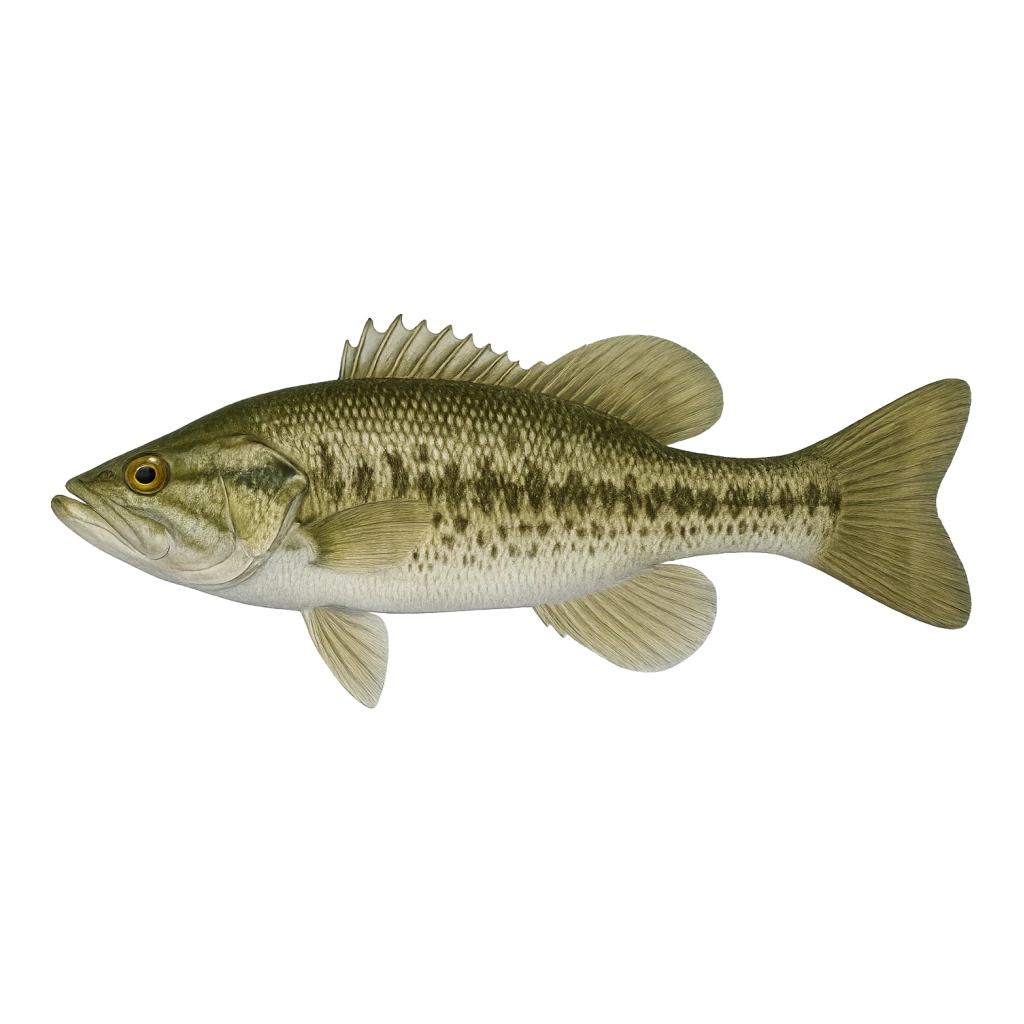
The Shoal Bass (Micropterus cataractae) is a freshwater fish that can be identified by its elongated body and distinctive coloration. It typically exhibits a dark olive to greenish hue on its back, fading to a lighter shade on the belly. The sides are adorned with several dark vertical bars, which can vary in intensity. The dorsal fin is long and spiny, while the anal fin is shorter and rounded. The mouth is large, with a pronounced lower jaw.
This species is often confused with the Spotted Bass (Micropterus punctulatus). The key detail that separates them is the absence of spots on the Shoal Bass; instead, it has the vertical bars mentioned earlier.
Where it lives
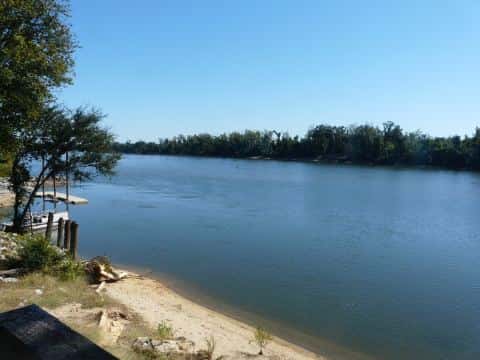
The Shoal Bass is primarily found in the southeastern United States. Its range includes rivers and streams in Georgia, Alabama, and parts of Florida. This species prefers flowing waters, such as rivers and creeks, but can also inhabit reservoirs and lakes. It typically resides in depths ranging from 2 to 15 feet.
During the warmer months, Shoal Bass are often found near rocky structures, submerged logs, and vegetation. In the cooler months, they may move to deeper waters or seek shelter in slower-moving areas. Seasonal changes can affect their location, with spawning occurring in spring when they move to shallower areas.
When it bites
Shoal Bass are most active from March through October. They prefer water temperatures between 65 and 85 degrees F. Early morning and late evening are the best times to catch them, as they tend to feed more actively during these periods.
Weather conditions can influence their behavior. A passing front may trigger increased feeding activity, while strong winds can make them less likely to bite. A full moon often leads to more nocturnal activity, increasing the chances of catching them at night.
How to catch it
When targeting Shoal Bass, anglers can use various rigs, including Texas rigs, Carolina rigs, and spinnerbaits. Recommended baits include soft plastics, such as worms and lizards, in sizes ranging from 4 to 6 inches. Colors like green pumpkin, watermelon, and black/blue are effective.
For lures, consider using crankbaits and topwater plugs in sizes between 1/4 to 1/2 ounce. Bright colors can work well in murky water, while natural colors are better in clear conditions. Use a line in the 10 to 20-pound test range and hooks sized 2/0 to 4/0.
Cast near rocky structures, submerged logs, and vegetation. Work the bait slowly along the bottom or use a steady retrieve for lures. Pay attention to any changes in water flow or structure, as these can attract feeding Shoal Bass.
Size, age and the table
Anglers typically encounter Shoal Bass ranging from 12 to 20 inches in length. A trophy Shoal Bass is generally considered to be over 20 inches. Growth rates can vary, but they often reach 12 inches in their first year and can live up to 8 years.
In terms of eating quality, Shoal Bass are considered good table fare, with a mild flavor and firm texture. Proper handling is essential to ensure their survival after catch and release. Use wet hands when handling them and minimize their time out of the water to increase their chances of survival.