How to recognise it
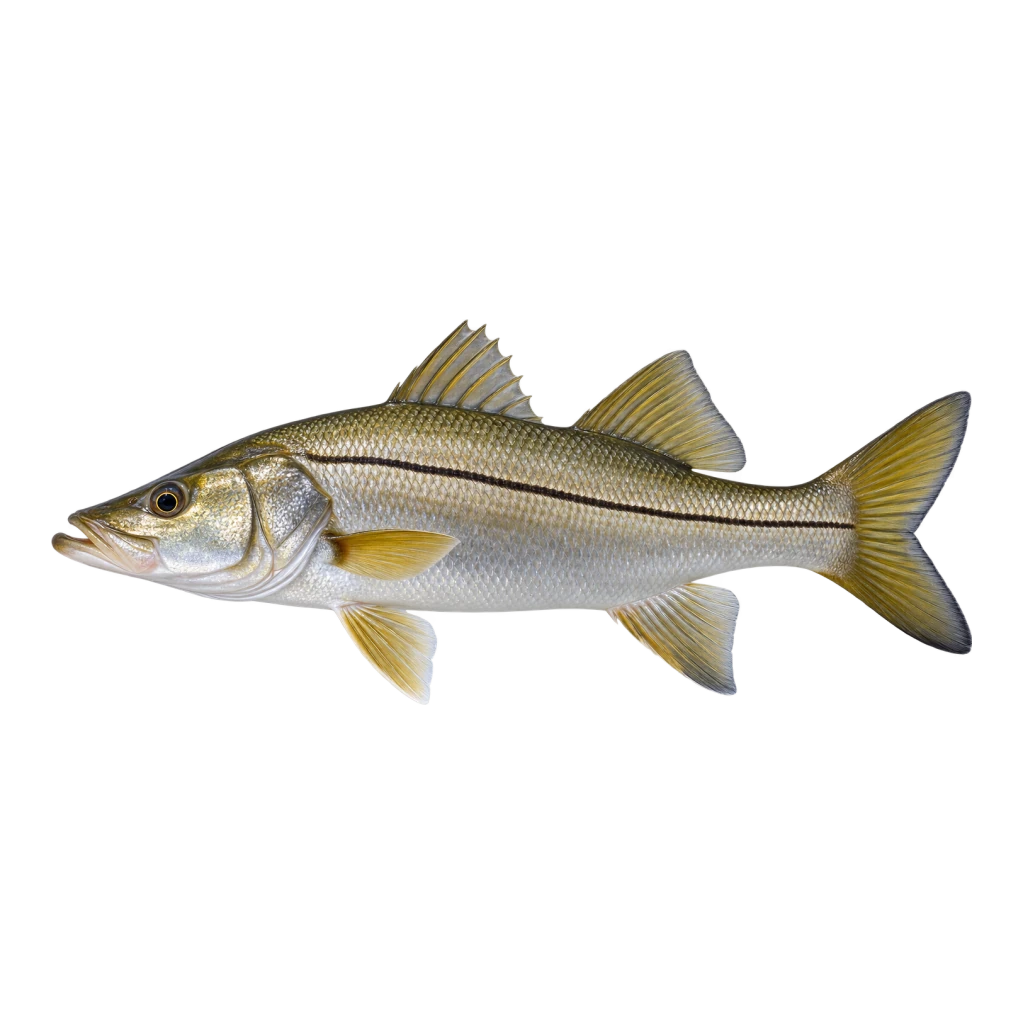
The Fat Snook (Centropomus parallelus) is a distinctive fish. It has a streamlined body that can reach lengths of up to 40 inches. The coloration is generally a pale yellow to olive green on the back, fading to a silver-white on the belly. One of its most notable features is the dark lateral line that runs along its side. The dorsal fin is long and continuous, with a slight notch towards the back. The mouth is large, with a pronounced lower jaw that extends beyond the upper jaw.
The Fat Snook is often confused with the Common Snook (Centropomus undecimalis). The key detail that separates them is the presence of a pronounced, rounded belly in the Fat Snook, which gives it a more robust appearance compared to the slimmer Common Snook.
Where it lives
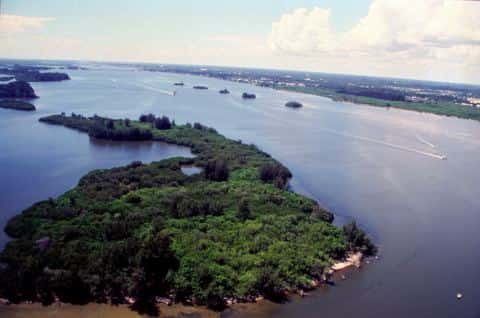
The Fat Snook is primarily found along the southeastern coast of the United States. Its range extends from Florida to Texas, predominantly in brackish waters. It inhabits estuaries, mangroves, and coastal lagoons. The depth range where Fat Snook can be found typically varies from 1 to 10 feet. They prefer areas with structure, such as submerged rocks, fallen trees, and mangrove roots.
Seasonally, Fat Snook tend to move into shallower waters during the warmer months, while they may retreat to deeper areas during colder months. They are often found near cover, especially during the spawning season in late spring and early summer.
When it bites
Fat Snook are most active from late spring to early fall. The ideal water temperature for catching them ranges from 75 to 85 degrees F. They tend to bite best during dawn and dusk when they are most active. Weather changes can influence their feeding behavior. A passing front can trigger increased activity, while strong winds may make them less likely to bite. A full moon can also enhance their feeding, as they tend to be more active during this time.
How to catch it
To catch Fat Snook, anglers often use spinning or baitcasting rigs. A common setup includes a 20 to 30-pound test braided line with a 30 to 50-pound fluorocarbon leader. Hooks should be in the range of 3/0 to 5/0. Effective baits include live shrimp, mullet, and pinfish, while lures such as topwater plugs, soft plastics, and jerkbaits in sizes ranging from 4 to 6 inches can be very effective. Color choices should include natural hues like silver, white, or green.
When fishing for Fat Snook, cast near structure, such as mangroves or docks. Work the bait or lure with a steady retrieve, incorporating pauses to entice bites. Pay attention to the water's surface for signs of feeding activity.
Size, age and the table
Anglers typically encounter Fat Snook in the 20 to 30-inch range. A trophy Fat Snook is considered to be over 30 inches. Growth rates can vary, but they generally reach sexual maturity by the age of 3 to 4 years. The lifespan of a Fat Snook can extend up to 10 years or more in the wild.
Fat Snook are known for their excellent eating quality, with firm, white flesh. When handling them, it is important to use wet hands or a wet cloth to minimize damage to their slime coat. If releasing, do so gently to ensure their survival.