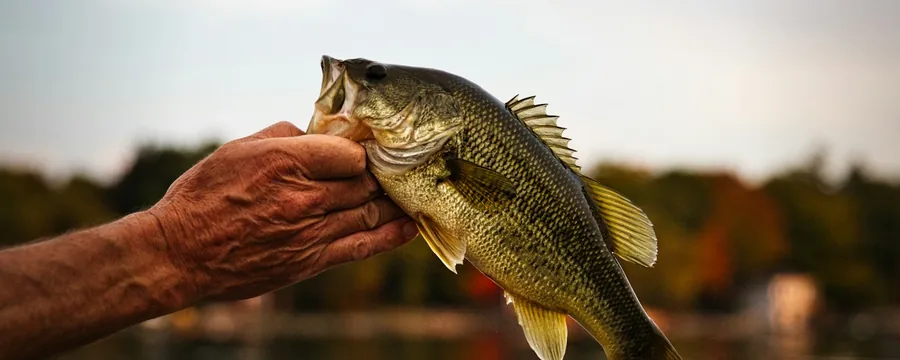
White Bass is recorded in 9 of the 10 spots within 75 minutes of Austin. Below are the strongest of them by our score: drive time, depth data, species and public access.
By our bite calendar, White Bass peaks around Austin in February and November. In November the calendar puts it at “Peak”.
Where to catch White Bass near Austin
1. Lake Travis
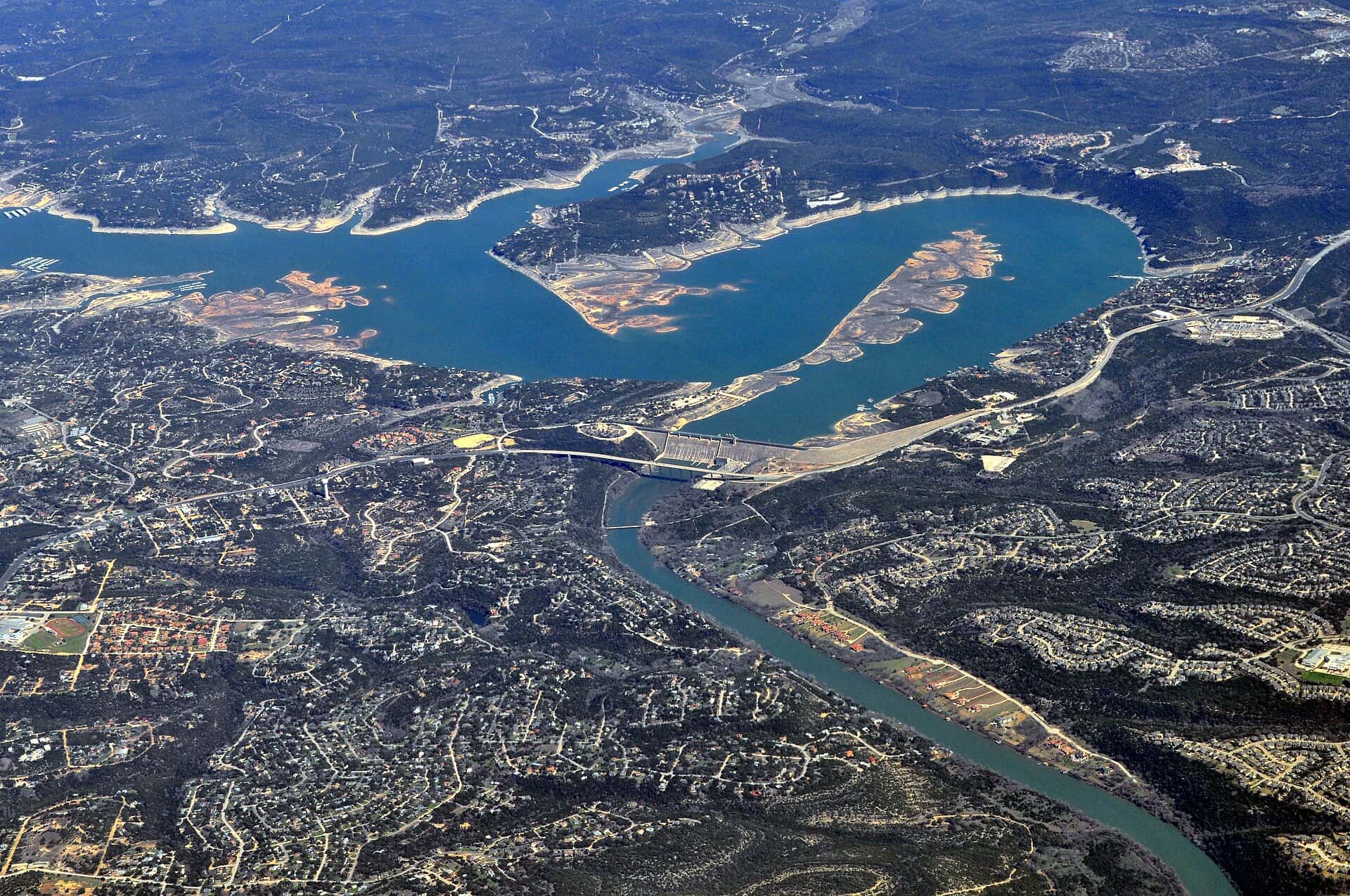
Lake Travis is a 29-minute drive from downtown Austin. Surveyed depths reach 169 ft. Recorded here: Blue Tilapia, Striped Bass, White Bass, and Rainbow Trout.

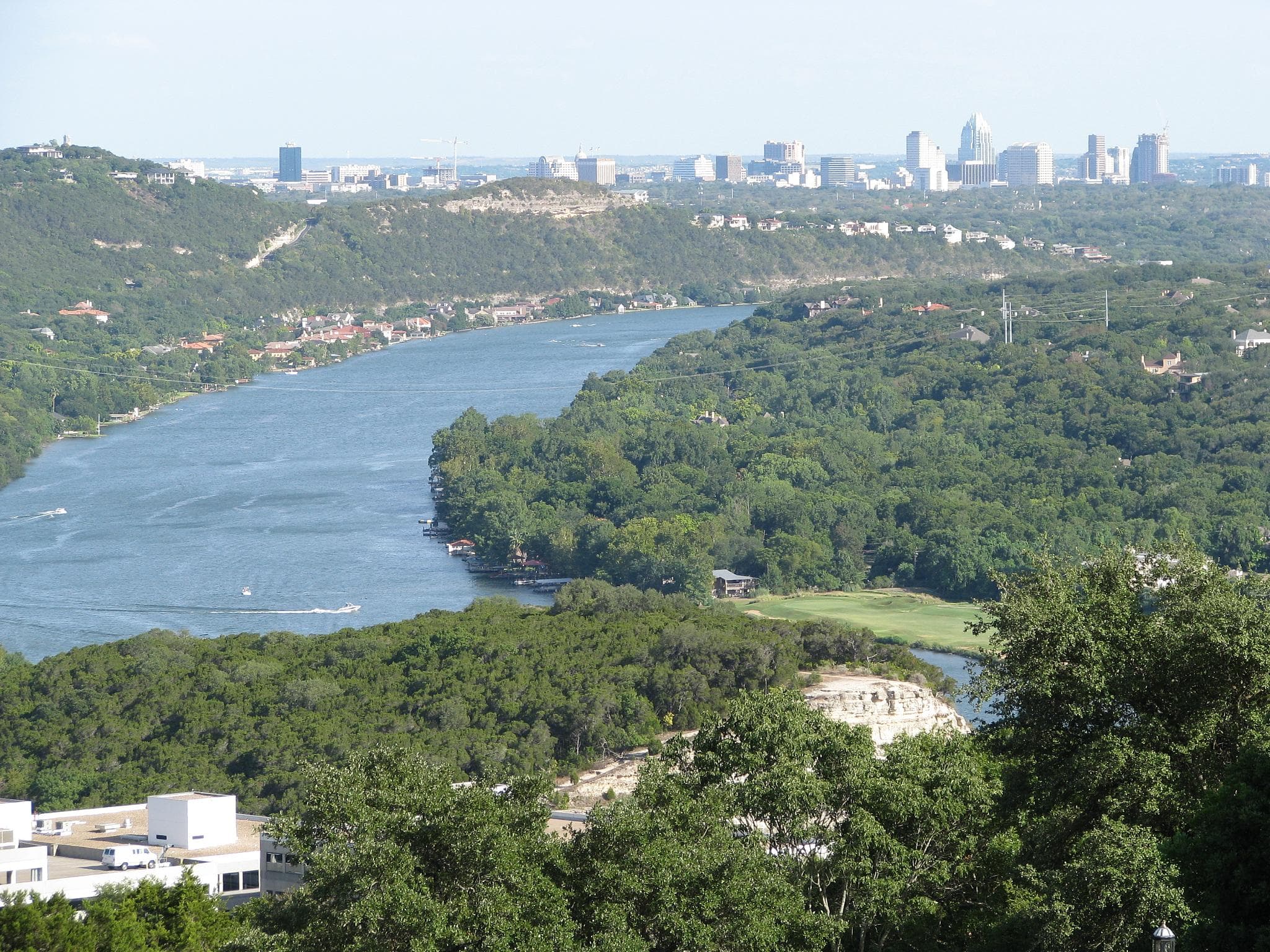
2. Lake Austin
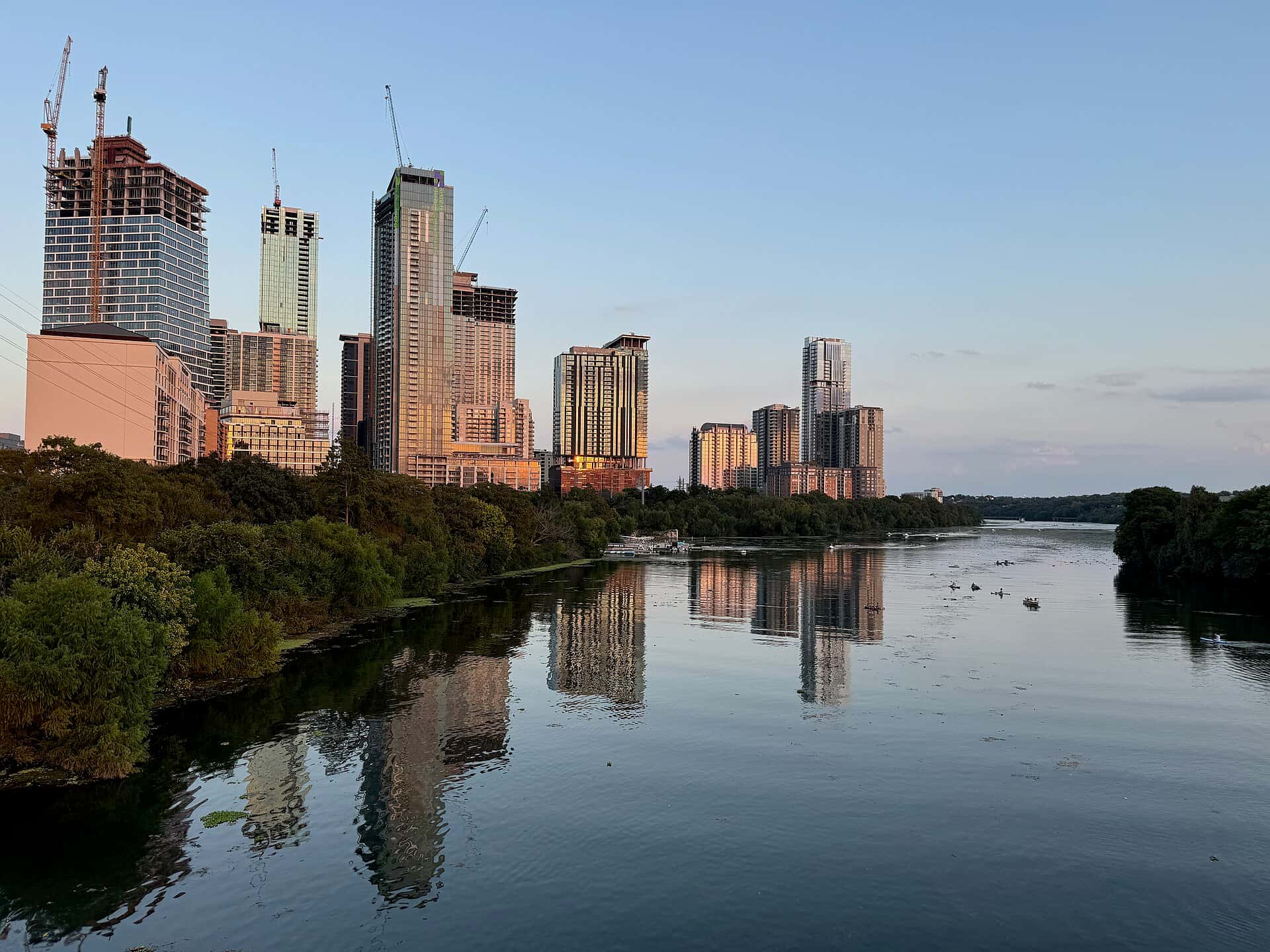
Lake Austin is a 7-minute drive from downtown Austin. Surveyed depths reach 47 ft. Recorded here: White Bass, Common Carp, Striped Bass, and Rainbow Trout.

3. Lake Georgetown
Lake Georgetown is a 39-minute drive from downtown Austin. Surveyed depths reach 85 ft. Recorded here: Smallmouth Bass, Blue Catfish, Largemouth Bass, and Walleye.

4. Stillhouse Hollow Lake
Stillhouse Hollow Lake is a 59-minute drive from downtown Austin. Surveyed depths reach 121 ft. Recorded here: Walleye, Smallmouth Bass, White Bass, and Blue Catfish.
5. Lake Lyndon B Johnson
Lake Lyndon B Johnson is a 63-minute drive from downtown Austin. Surveyed depths reach 72 ft. Recorded here: Blue Tilapia, White Bass, Striped Bass, and Walleye.
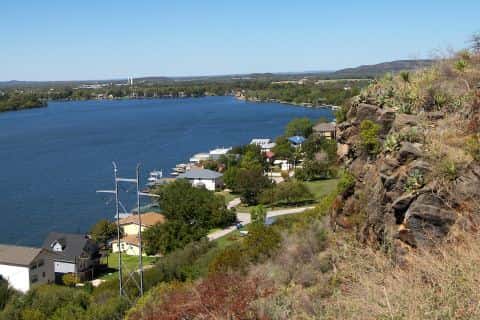
6. Lake Marble Falls
Lake Marble Falls is a 57-minute drive from downtown Austin. Surveyed depths reach 57 ft. Recorded here: Largemouth Bass, White Bass, Redbreast, and Smallmouth Bass.