
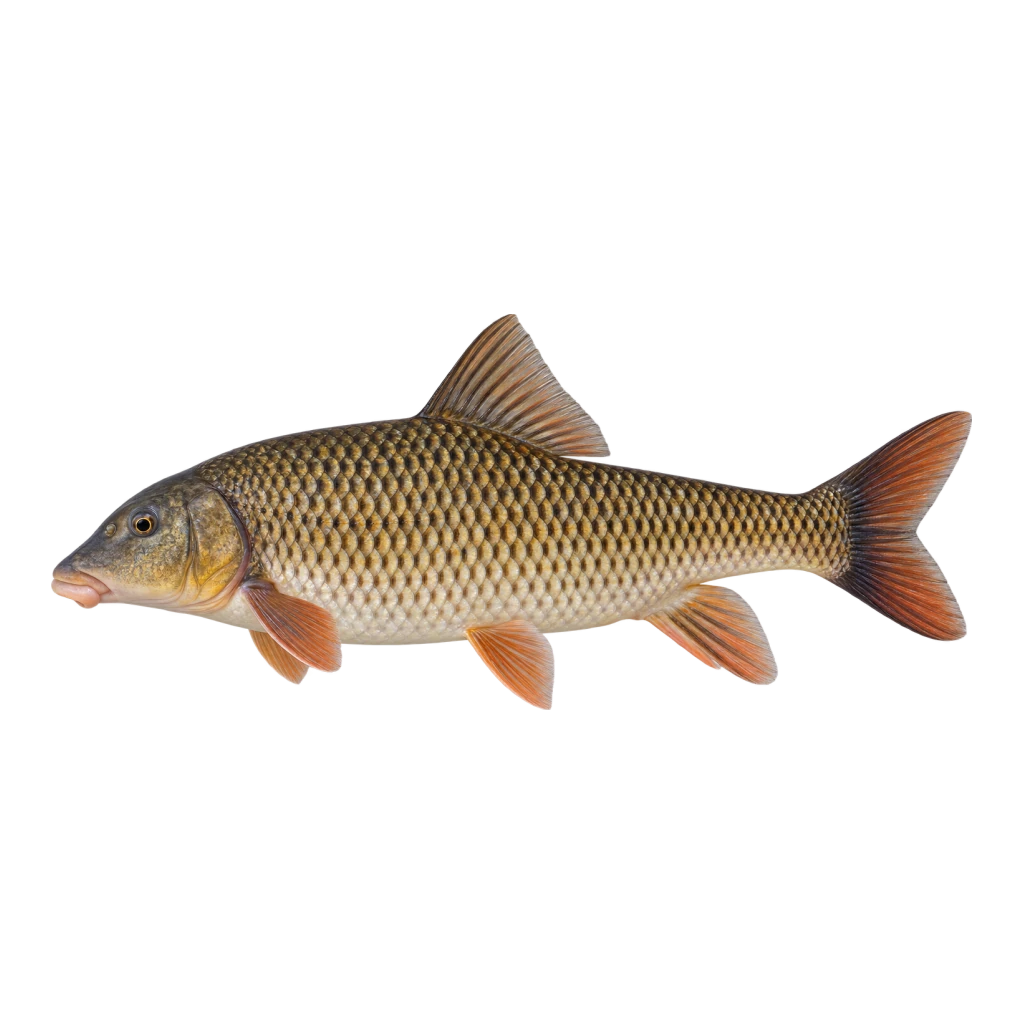
How to recognise it
The Blacktail Redhorse (Moxostoma poecilurum) is a distinct freshwater fish. It has a robust body with a slightly flattened head. The coloration is typically a dark olive or brown on the back, fading to a lighter yellow or white on the belly. The fins are often a reddish or orange hue, especially during spawning. The mouth is subterminal, meaning it is located slightly below the midpoint of the head, and features thick lips. This species is often confused with the River Redhorse (Moxostoma carinatum). The key detail that separates them is the presence of a black spot at the base of the dorsal fin on the Blacktail Redhorse.
Where it lives
The Blacktail Redhorse is primarily found in the eastern and central United States. Its range includes the Mississippi River basin, extending from Minnesota down to Louisiana. They inhabit rivers and streams with moderate to fast currents, often preferring rocky or gravelly bottoms. Depths can vary, but they are typically found in water ranging from 3 to 15 feet deep. During warmer months, they may move to shallower areas, while in colder months, they tend to seek deeper waters for thermal refuge. Seasonal changes can affect their habitat preferences, with increased activity in spring and summer.
When it bites
The Blacktail Redhorse is most active from late spring to early fall. The ideal water temperature for fishing this species is between 65°F and 75°F. They are more likely to bite during early morning and late evening hours. Weather changes can influence their feeding behavior; a passing front may trigger increased activity, while strong winds can make them less likely to bite. A full moon can also enhance their feeding, making night fishing more productive.
How to catch it
To catch Blacktail Redhorse, anglers can use various rigs. A simple slip sinker rig works well, using a 1/2 to 1-ounce sinker depending on current strength. Baits such as worms, minnows, or corn are effective. For lures, consider using small spinners or jigs in sizes 1/8 to 1/4 ounce, with colors like silver, gold, or bright chartreuse. Use a medium-action rod with a 10 to 15-pound test line and a size 4 to 6 hook. Cast near rocky structures or current breaks, and retrieve slowly to mimic natural prey.
Size, age and the table
Anglers typically encounter Blacktail Redhorse ranging from 12 to 20 inches in length. A trophy specimen is generally considered to be over 24 inches. Growth rates can vary, but they often reach maturity in 3 to 5 years. The lifespan of this species can extend up to 10 years or more in the wild. While they are edible, their taste can vary. Proper handling is essential to ensure a successful release. Use wet hands or a landing net to minimize stress and damage to their skin and slime layer.


