
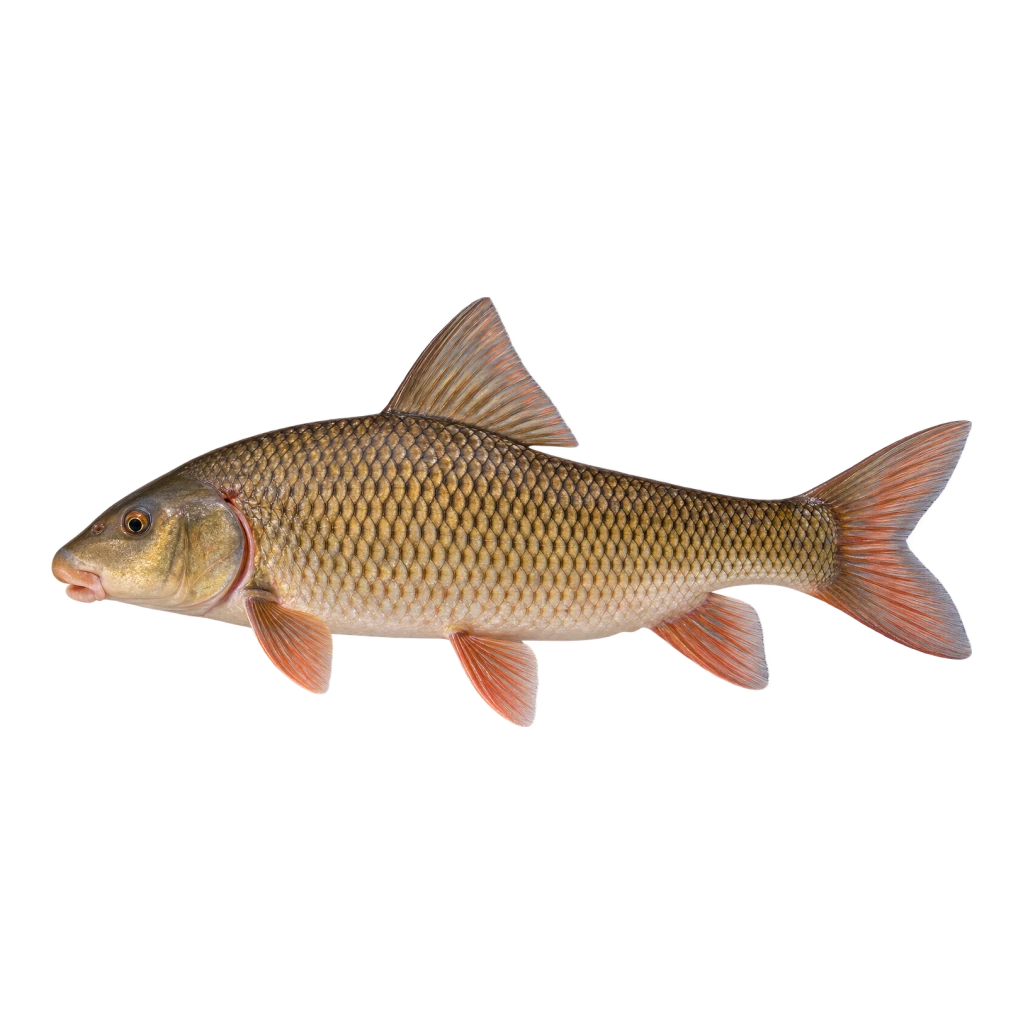
How to recognise it
The Shorthead Redhorse (Moxostoma macrolepidotum) is a distinctive freshwater fish. It has a streamlined body that can reach lengths of up to 30 inches. The coloration is typically a dark olive or brown on the back, fading to a lighter, silvery belly. The sides are often adorned with a reddish or copper hue, especially during spawning.
Its fins are large and fleshy, with the dorsal fin being long and pointed. The anal fin is also elongated and has a reddish tint. The mouth is subterminal, meaning it is located on the underside of the head, and features thick lips. The Shorthead Redhorse is often confused with the Golden Redhorse (Moxostoma erythrurum). The key distinguishing feature is the Shorthead Redhorse's larger, more rounded head compared to the Golden Redhorse.
Where it lives
The Shorthead Redhorse is found primarily in the eastern United States. Its range includes the Great Lakes region, the Ohio River basin, and parts of the Mississippi River system. This species prefers freshwater rivers and streams, often inhabiting areas with moderate to swift currents.
Depths of 3 to 15 feet are common, but they can be found in deeper pools as well. They seek cover in rocky substrates, submerged logs, and vegetation. During warmer months, they may move to shallower areas, while in colder months, they tend to retreat to deeper waters for thermal refuge.
When it bites
The Shorthead Redhorse is most active from late spring to early fall. The prime months for fishing are May through September. They prefer water temperatures between 65 and 80 degrees F. Early morning and late evening are the best times to catch them, as they feed more actively during these hours.
Weather changes can influence their feeding habits. A passing front may trigger increased activity, while strong winds can make them less likely to bite. A full moon often enhances their feeding, making nighttime fishing more productive.
How to catch it
To catch Shorthead Redhorse, use a slip sinker rig or a float rig. A 1/0 to 2/0 hook is recommended, with a 10 to 15-pound test line. Baits such as nightcrawlers, minnows, and corn are effective, with nightcrawlers being particularly popular.
When using lures, try small spinners or jigs in sizes 1/16 to 1/4 ounce. Colors like silver, gold, or bright chartreuse can attract their attention. Cast near rocky structures or current breaks, and retrieve your bait slowly to mimic natural movement.
Size, age and the table
Anglers typically encounter Shorthead Redhorse in the 12 to 20-inch range. A trophy specimen is generally considered to be over 24 inches. Growth rates can vary, but they often reach maturity in 3 to 5 years, with a lifespan of up to 10 years.
While the Shorthead Redhorse is not commonly targeted for food, it is edible and has a mild flavor. If you choose to keep one, handle it carefully to minimize stress. For catch and release, use wet hands and avoid touching the gills. This helps ensure the fish's survival after being released back into the water.


