
How to recognise it
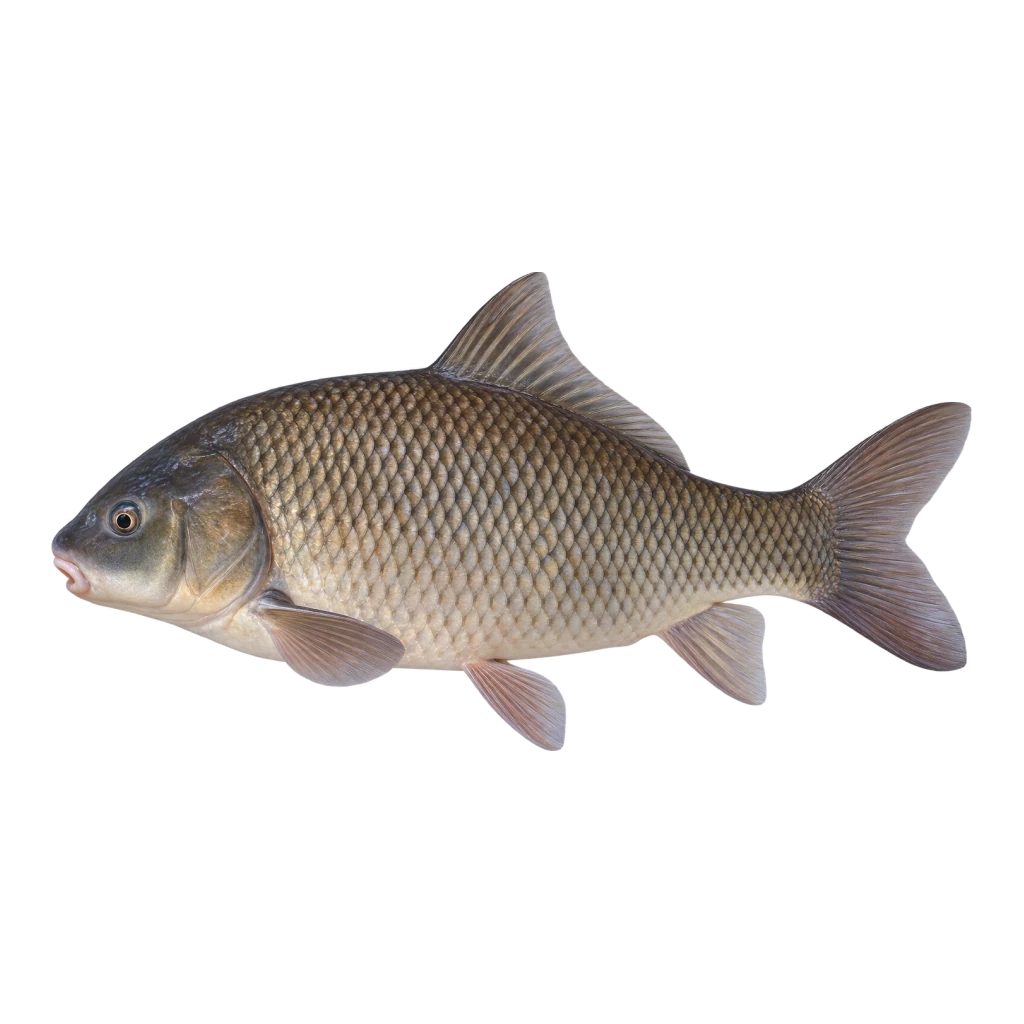
The Bigmouth Buffalo (Ictiobus cyprinellus) is a large freshwater fish. It has a distinctive body shape, characterized by a broad, deep body and a large mouth. The coloration is typically dark gray to brown on the back, fading to a lighter silver or white on the belly. Its fins are generally dark and rounded. The most notable feature is its large, protruding mouth, which is designed for filter feeding.
This species is often confused with the Smallmouth Buffalo (Ictiobus bubalus). The key detail that separates them is the size of the mouth; the Bigmouth Buffalo has a significantly larger mouth compared to the Smallmouth Buffalo.
Where it lives
The Bigmouth Buffalo is found primarily in the central and eastern United States. Its range includes the Mississippi River basin and extends into the Great Lakes region. They inhabit a variety of water types, including rivers, lakes, and reservoirs. Bigmouth Buffalo prefer shallow waters, typically found at depths of 3 to 15 feet.
These fish are often associated with areas that have submerged vegetation, mud, or sand bottoms. In warmer months, they may move to shallower areas for feeding, while in colder months, they tend to retreat to deeper waters.
When it bites
Bigmouth Buffalo are most active from late spring to early fall, typically from May to September. They prefer water temperatures between 70°F and 85°F. The best time of day to catch them is during early morning or late evening when they are more likely to feed.
Environmental factors can influence their feeding behavior. A passing front may trigger increased activity, while strong winds can make them less likely to bite. A full moon can also enhance their feeding patterns, leading to more successful catches.
How to catch it
To catch Bigmouth Buffalo, anglers often use bottom rigs or slip sinker rigs. A common setup includes a 1 to 3-ounce weight, depending on the current. Use a 2/0 to 4/0 hook, which is suitable for their size. Baits such as corn, dough balls, or earthworms work well. For lures, try using large spinnerbaits or jigs in bright colors like chartreuse or orange.
Cast near structures like submerged logs or weed beds, as these are prime feeding areas. Work the bait slowly along the bottom, allowing it to settle and attract the fish.
Size, age and the table
Typical sizes for Bigmouth Buffalo range from 15 to 30 inches in length, with weights between 5 to 25 pounds. A trophy Bigmouth Buffalo is generally considered to be over 30 inches long. Growth rates can vary, but they can reach maturity in 3 to 5 years, with a lifespan of up to 20 years.
Bigmouth Buffalo are not commonly sought after for eating, but they can be consumed. Their flesh is white and flaky, though they are often released due to their size and the preference for other species. When handling, be gentle to avoid damaging their delicate bodies, and always practice proper catch and release techniques to ensure their survival.


