
How to recognise it
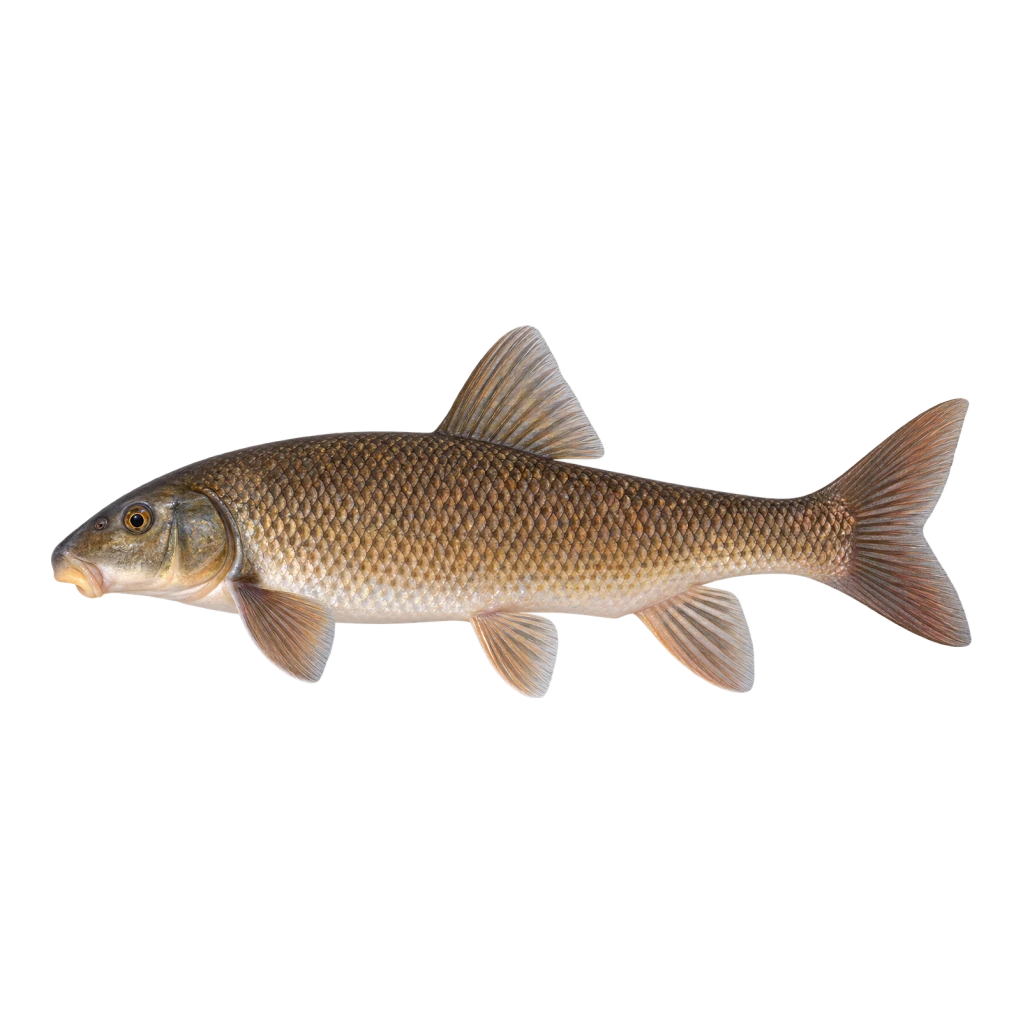
The White Sucker (Catostomus commersonii) is a freshwater fish with a streamlined body. It has a blunt head and a large, subterminal mouth. The coloration is typically a pale gray to greenish-brown on the back, with a lighter belly. The fins are often a translucent yellow or light brown. The dorsal fin is long and starts behind the middle of the body. The anal fin is also elongated and positioned far back. White Suckers are often confused with the Northern Sucker (Catostomus catostomus). The key detail that separates them is the presence of a distinct lateral line on the White Sucker, which is less pronounced or absent in the Northern Sucker.
Where it lives
The White Sucker is found throughout the United States, primarily in the eastern and central regions. Its range extends from the Great Lakes down to the Gulf of Mexico and as far west as the Rocky Mountains. This species prefers freshwater habitats such as rivers, streams, and lakes. It typically inhabits shallow waters with a depth range of 1 to 10 feet. White Suckers are often found near rocky or gravelly substrates, where they can find food. In the spring and summer, they may move into shallower areas for spawning, while in the fall and winter, they tend to retreat to deeper waters.
When it bites
White Suckers are most active from late spring to early fall. They bite best when water temperatures range from 55 to 75 degrees F. Early morning and late evening are prime times for fishing, as they tend to feed more actively during these hours. Weather changes can influence their feeding behavior. A passing front may trigger increased activity, while strong winds can make them less likely to bite. A full moon can also enhance their feeding patterns, leading to more successful fishing outings.
How to catch it
To catch White Suckers, anglers can use various rigs and techniques. A simple bottom rig with a size 4 to 8 hook is effective. Use a 1/2 to 1-ounce egg sinker to keep the bait on the bottom. Baits such as nightcrawlers, corn, or small minnows work well. For lures, try small spinners or spoons in sizes 1 to 3, preferably in bright colors like chartreuse or orange. Cast near rocky areas or current breaks, and allow the bait to settle on the bottom. Slowly retrieve or jig the bait to attract the fish.
Size, age and the table
Anglers typically encounter White Suckers ranging from 12 to 24 inches in length. A trophy White Sucker is generally considered to be over 24 inches. Growth rates can vary, but they often reach maturity in 3 to 5 years. The lifespan of a White Sucker can be up to 10 years or more. While they are not commonly sought after for eating, they are edible and have a mild flavor. If you plan to keep one, handle it carefully to minimize stress and ensure a successful release if you choose to do so.


