
How to recognise it
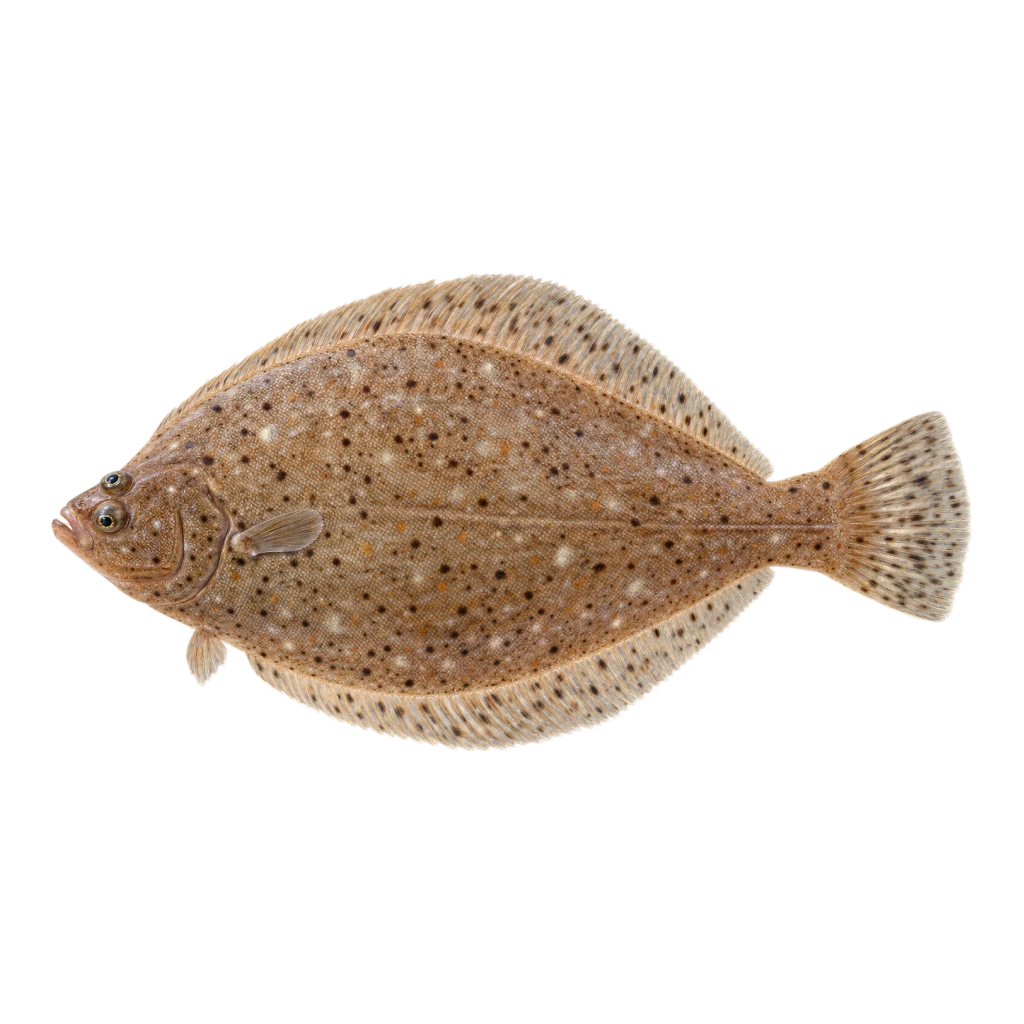
The Sand Sole (Psettichthys melanostictus) is a flatfish with a distinctive appearance. Its body is oval and flattened, allowing it to blend into sandy substrates. The coloration is typically a light brown or tan, often with darker spots. The eyes are located on the right side of the body, which is the upper side when the fish is resting on the seafloor. The lower side is pale or white. The dorsal fin runs along the length of the body, starting from the head and extending to the tail. The mouth is small and located at the front of the head.
This species is often confused with the Pacific Sanddab (Citharichthys sordidus). The key detail that separates them is the presence of a distinct dark spot near the base of the dorsal fin in the Sand Sole, which is absent in the Pacific Sanddab.
Where it lives
The Sand Sole is primarily found along the Pacific Coast of the United States, ranging from California to Alaska. It inhabits sandy and muddy bottoms in coastal waters. The typical depth range is from 20 to 200 feet. During the warmer months, Sand Sole may move into shallower waters, while in colder months, they tend to migrate to deeper areas. They often seek cover among sand and mud, using their coloration to camouflage themselves from predators.
When it bites
Sand Sole are most active from late spring through early fall, with peak months being May to September. They prefer water temperatures between 55°F and 70°F. Feeding activity tends to increase during early morning and late afternoon. A passing front can trigger increased feeding, while strong winds may scatter them. A full moon can also enhance their activity, making night fishing more productive.
How to catch it
To catch Sand Sole, anglers typically use a simple bottom rig. A two-hook rig with size 1 to 2 hooks is effective. Use 10 to 15-pound test line. Baits such as sand shrimp, squid strips, or small pieces of fish work well. A 1 to 2-ounce sinker is recommended to keep the bait on the bottom. Cast near sandy areas, especially where there is some structure or cover. Work the bait by gently lifting and dropping it to mimic natural movement.
Size, age and the table
Anglers usually encounter Sand Sole that are 10 to 14 inches long. A trophy Sand Sole is considered to be over 18 inches. Growth rates vary, but they can reach maturity in about 2 to 3 years. The lifespan of Sand Sole can extend up to 10 years. They are known for their mild flavor and firm texture, making them a good choice for eating. When handling, it is best to use wet hands or a wet cloth to avoid damaging their skin. If releasing, do so gently to minimize stress.


