
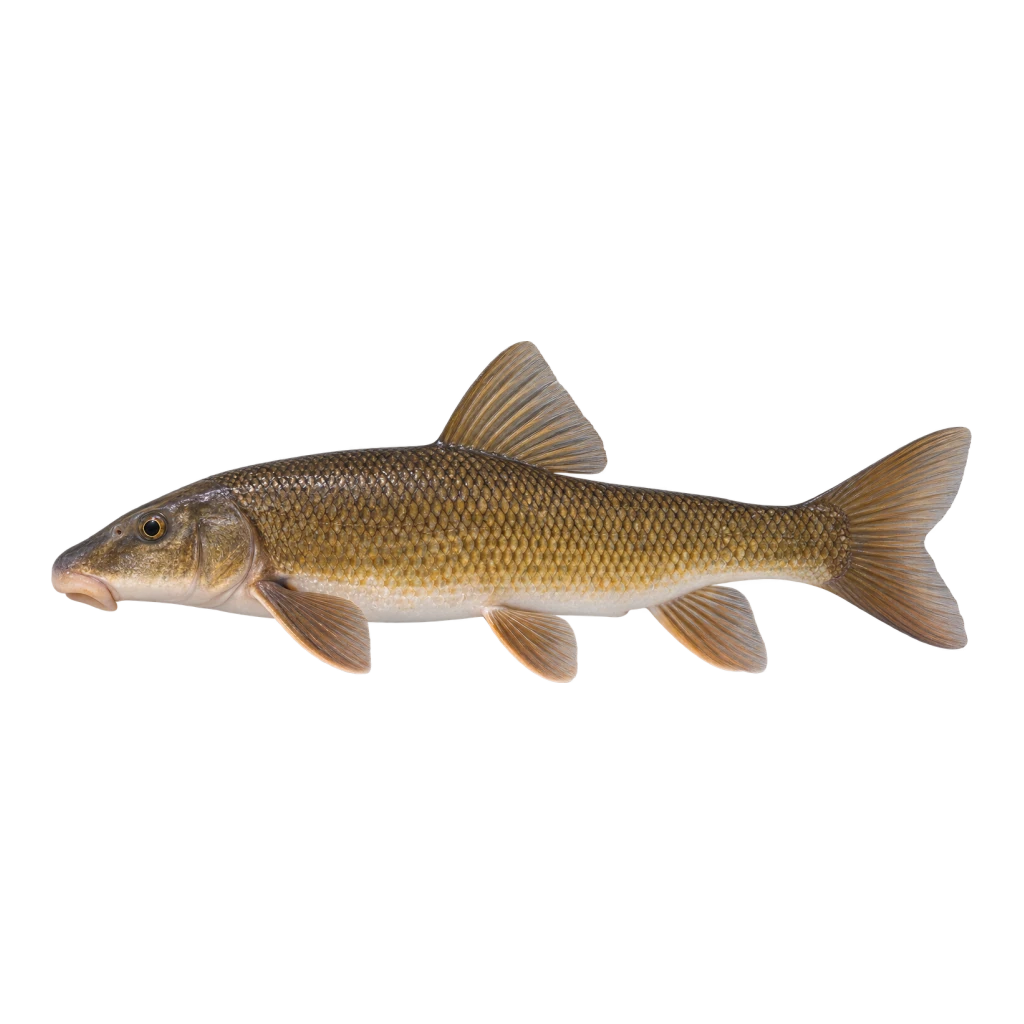
How to recognise it
The Longnose Sucker (Catostomus catostomus) can be identified by its elongated body and long, pointed snout. Its coloration varies from olive to brown on the back, with lighter sides and a white or yellowish belly. The fins are typically transparent with a slight yellow tint. The mouth is subterminal, which means it is located on the underside of the head, adapted for bottom feeding. This species is often confused with the White Sucker (Catostomus commersonii). The key distinguishing feature is the Longnose Sucker's longer snout compared to the shorter, more rounded snout of the White Sucker.
Where it lives
The Longnose Sucker is found across various regions in the United States. Its range includes the northern Great Plains, the Rocky Mountains, and parts of the Pacific Northwest. This species prefers freshwater environments such as rivers, streams, and lakes. It typically inhabits areas with moderate to fast currents and prefers depths ranging from 3 to 20 feet. In warmer months, Longnose Suckers are often found in shallower waters, while in colder months, they may move to deeper areas for thermal refuge. They seek cover in rocky substrates, gravel beds, and submerged vegetation, which can change with seasonal water levels.
When it bites
The Longnose Sucker is most active from late spring to early fall, particularly from May to September. The optimal water temperature for feeding is between 60°F and 75°F. They tend to bite during early morning and late evening hours. Weather changes can influence their feeding behavior; a passing front may increase activity, while strong winds can make them less likely to feed. A full moon can also affect their feeding patterns, often leading to increased activity during the night.
How to catch it
To catch Longnose Suckers, anglers can use various rigs. A simple bottom rig with a size 4 to 8 hook is effective. Baits such as worms, corn, or dough balls work well, with sizes ranging from 1 to 2 inches. Lures like small spinners or spoons in bright colors (yellow, orange, or chartreuse) can also attract them. Use a medium-action rod with 6 to 10-pound test line. Cast near rocky areas or current seams and allow the bait to settle on the bottom. Retrieve slowly to mimic natural movement, especially during the warmer months when they are more active.
Size, age and the table
Anglers typically encounter Longnose Suckers ranging from 12 to 24 inches in length. A trophy Longnose Sucker is generally considered to be over 24 inches. They grow at a moderate rate, reaching sexual maturity around 3 to 4 years of age and can live up to 10 years or more. The flesh of the Longnose Sucker is considered edible, though it is not highly sought after. When handling, use wet hands to minimize slime loss and ensure a quick release if not keeping the fish. Proper handling increases survival rates for released fish.


